
Namibia is one of few countries in the world to specifically address conservation and protection of natural resources in its constitution and it shows.
The lodges are superb and the fact we were able to see so many animals (as you’ll see in the album) is testament to the good management of the various national parks.
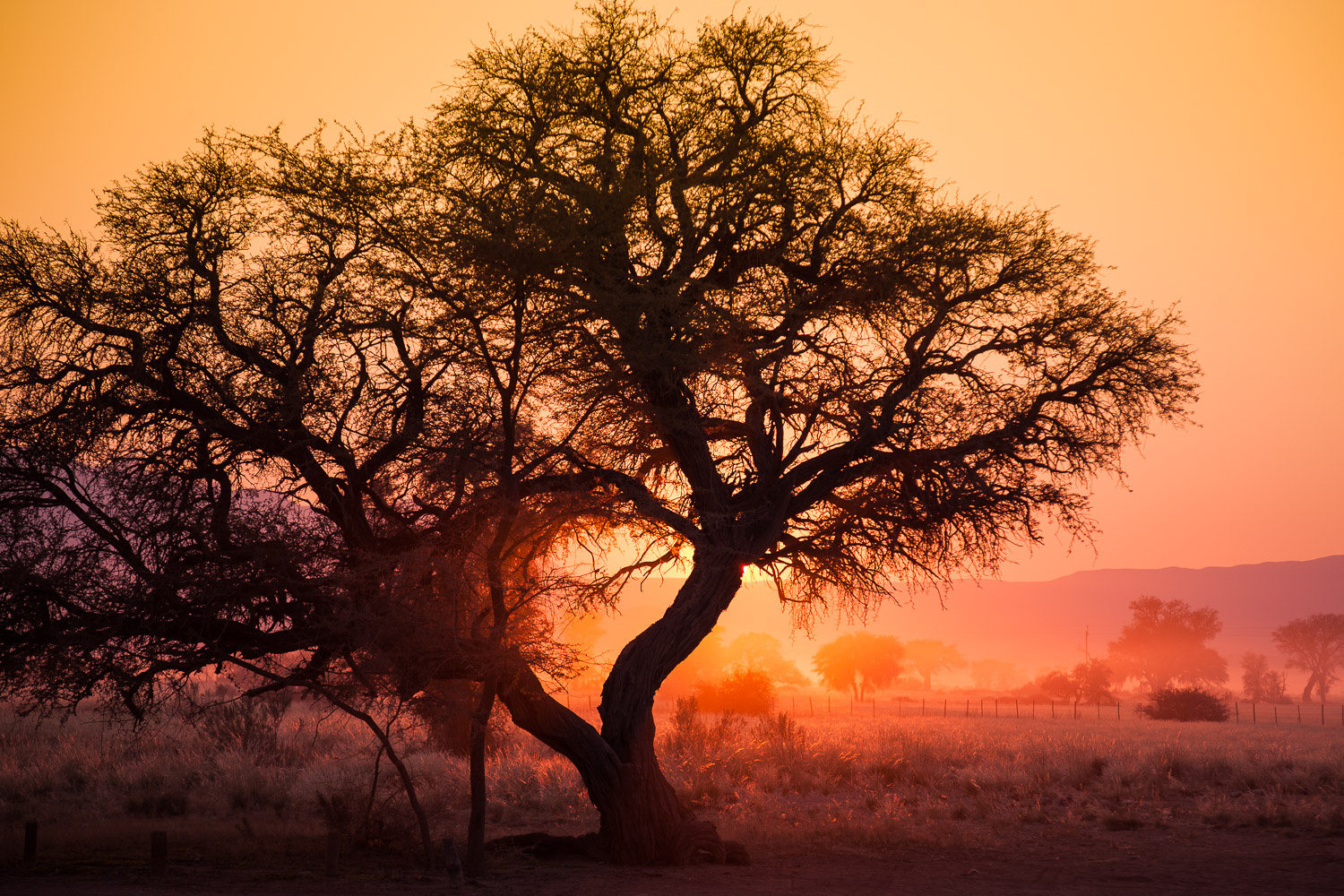
The sun rises over the hills int he distance as we arrived at Sossusvlei.
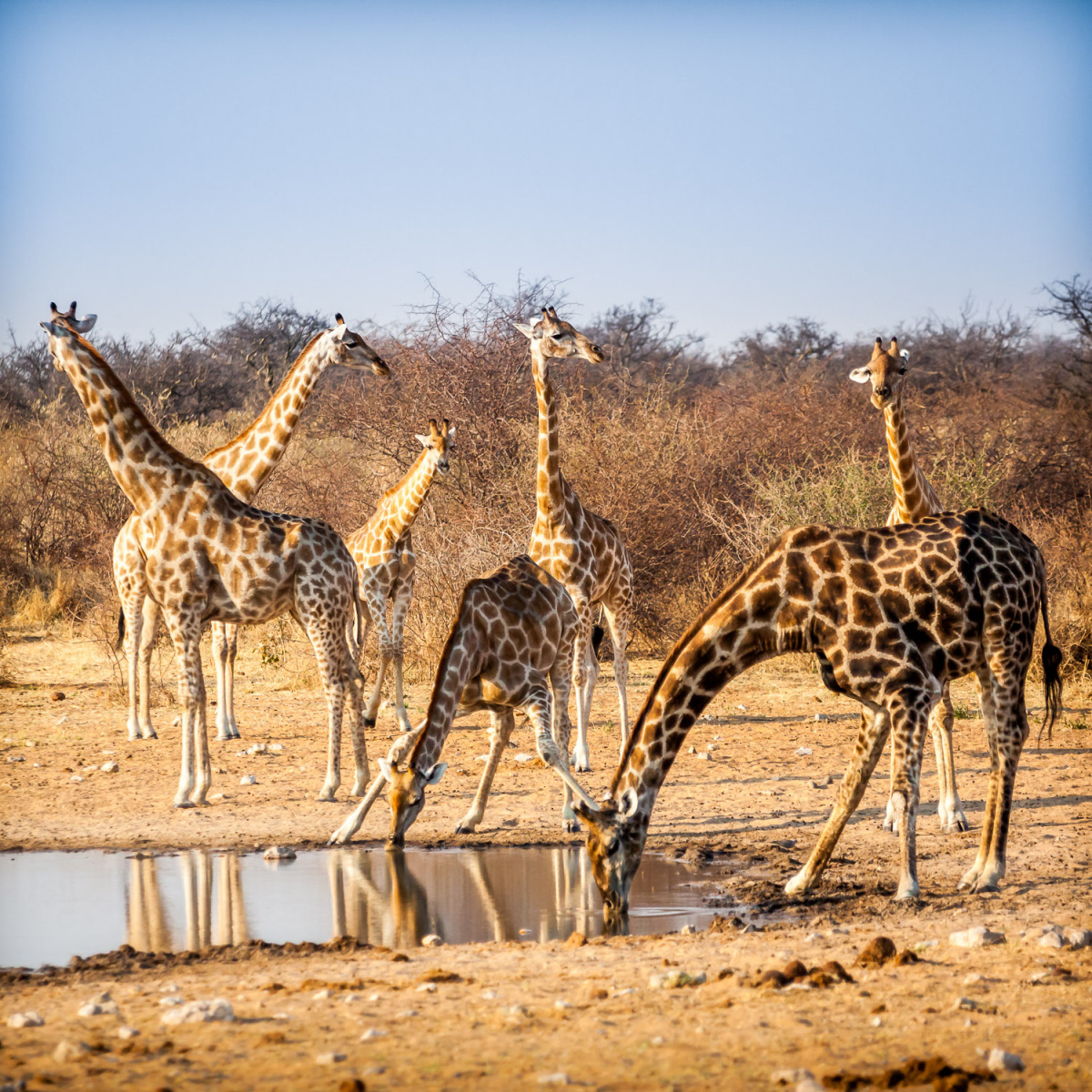
When we first saw Giraffes we all got quite excited, but it turned out they were one of the most common animals in the national park. By the end of the third day we hardly even mentioned it anymore when we saw one!
These giraffe had to splay their legs in order to get down low enough to take a drink of water.
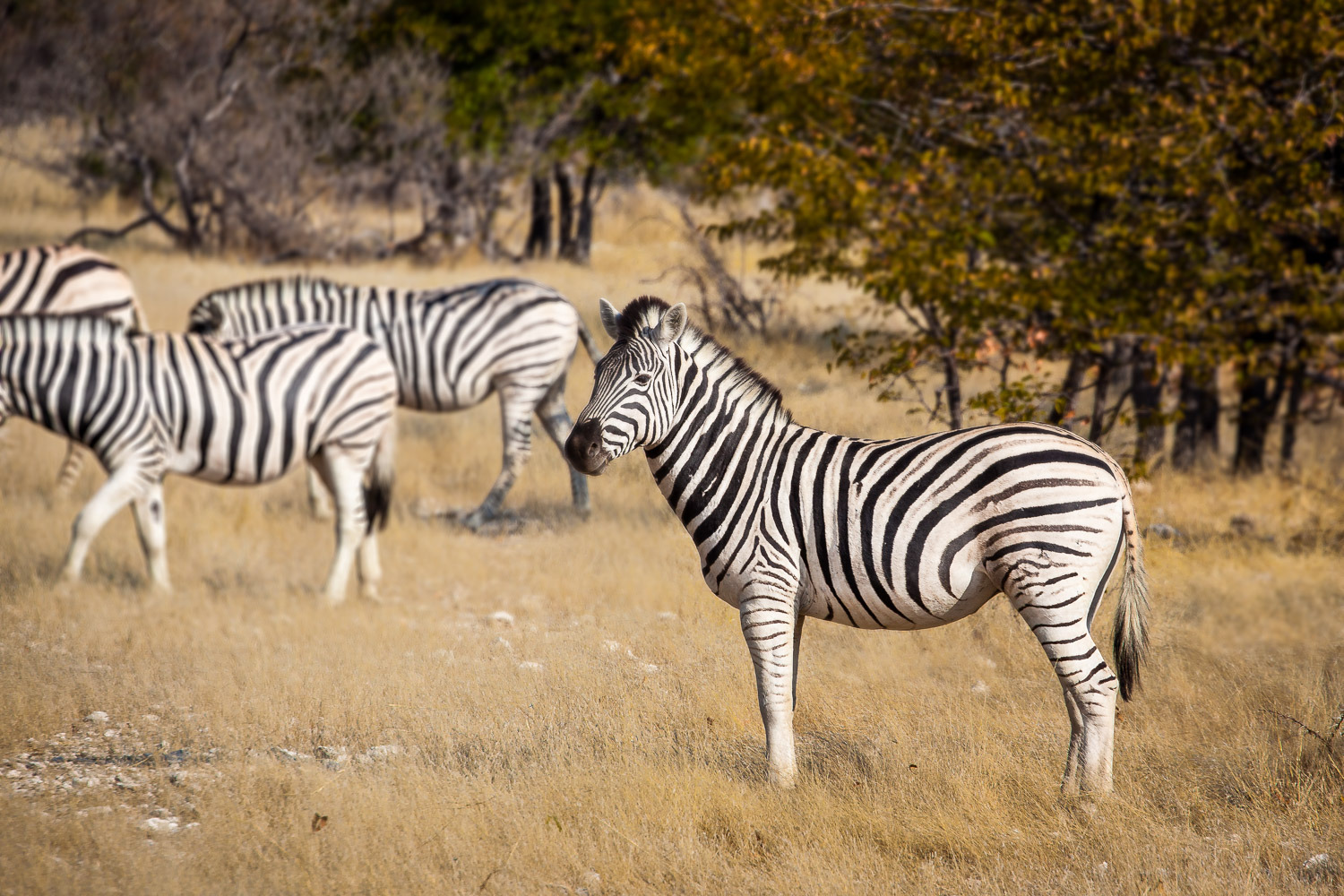
A herd of zebra watches us as we travel through Etosha National Park
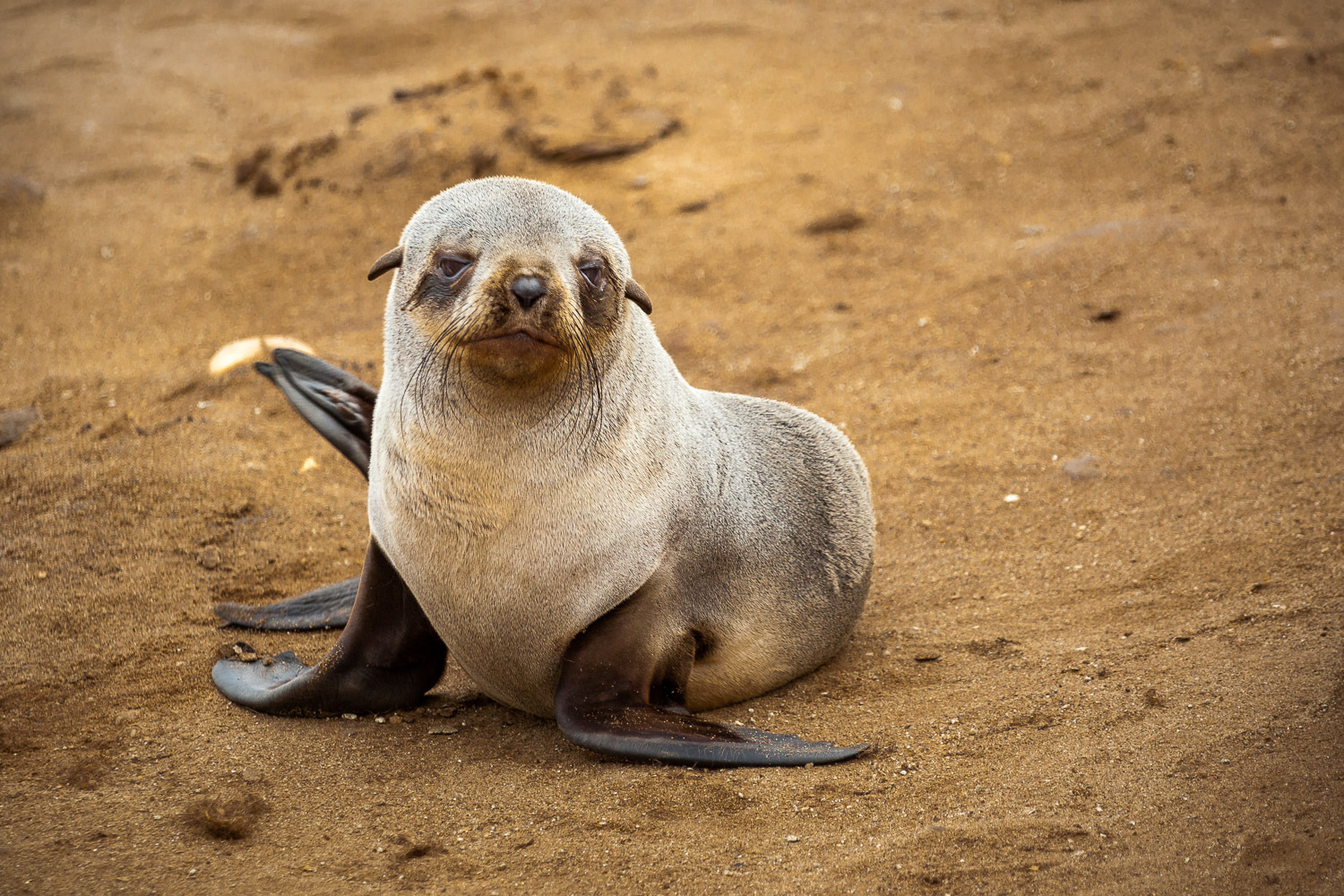
The Cape Cross Seal Reserve is the home of one of the largest colonies of Cape Fur Seals in the world. The name of the area refers to the large stone cross erected in the area by Portuguese explorers in the 15th century.
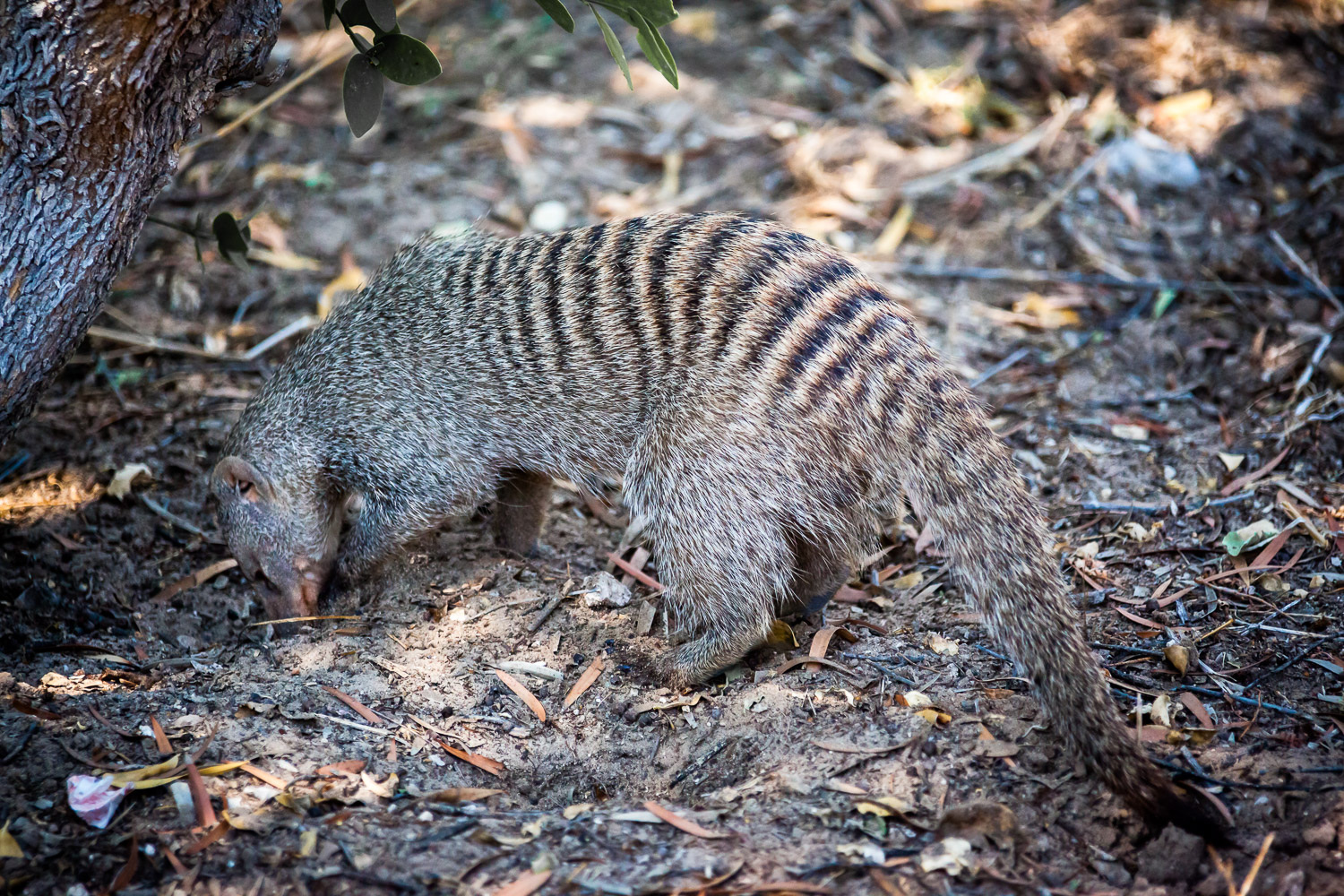
Banded mongoose feed primarily on insects, and small reptiles. Although you can’t see it here, there was a large family of them digging for grubs.
They use their sense of smell to locate their prey and dig them out with their long claws, both in hole in the ground and holes in trees.
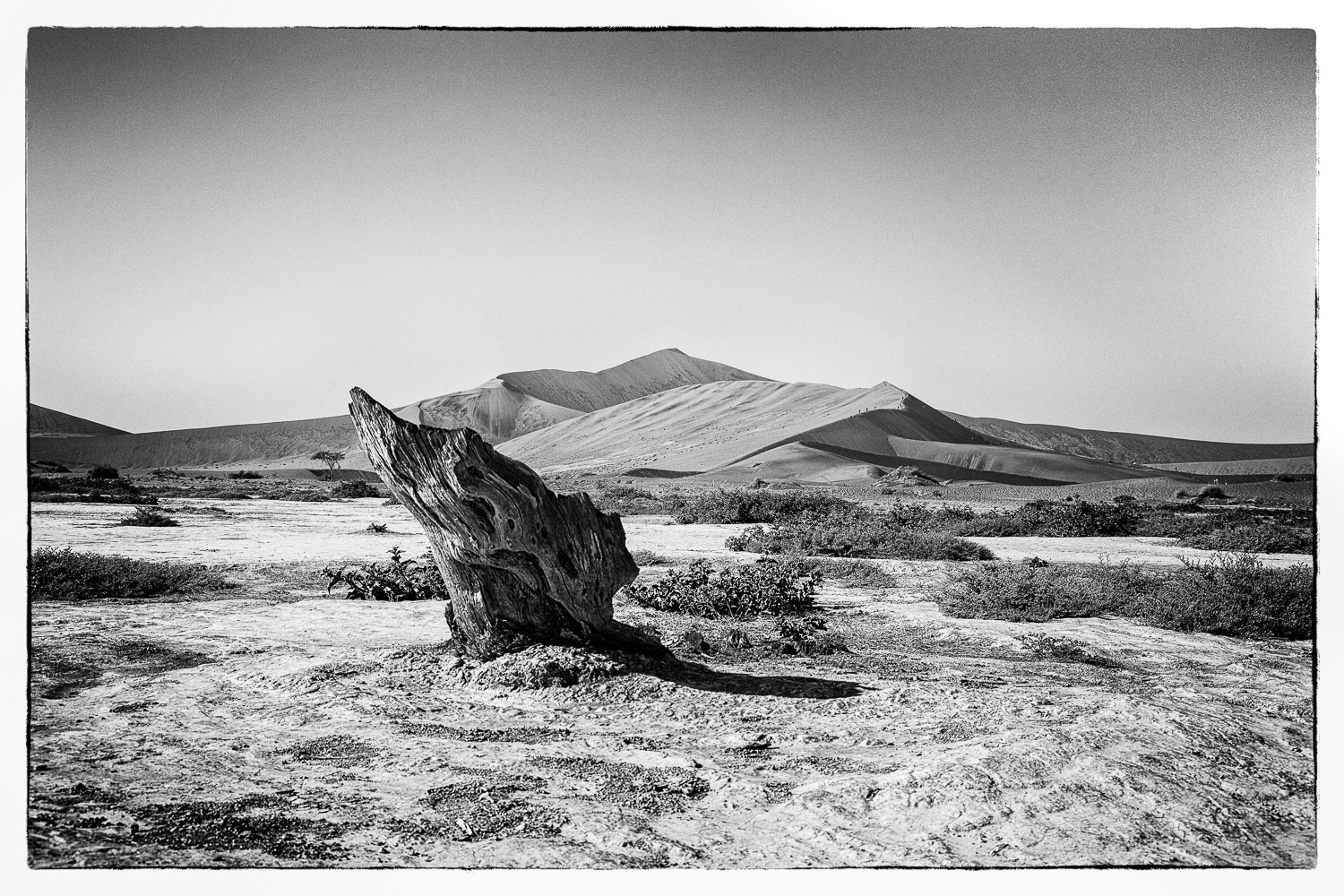
The remains of a dead tree at Sossusvlei, Namibia
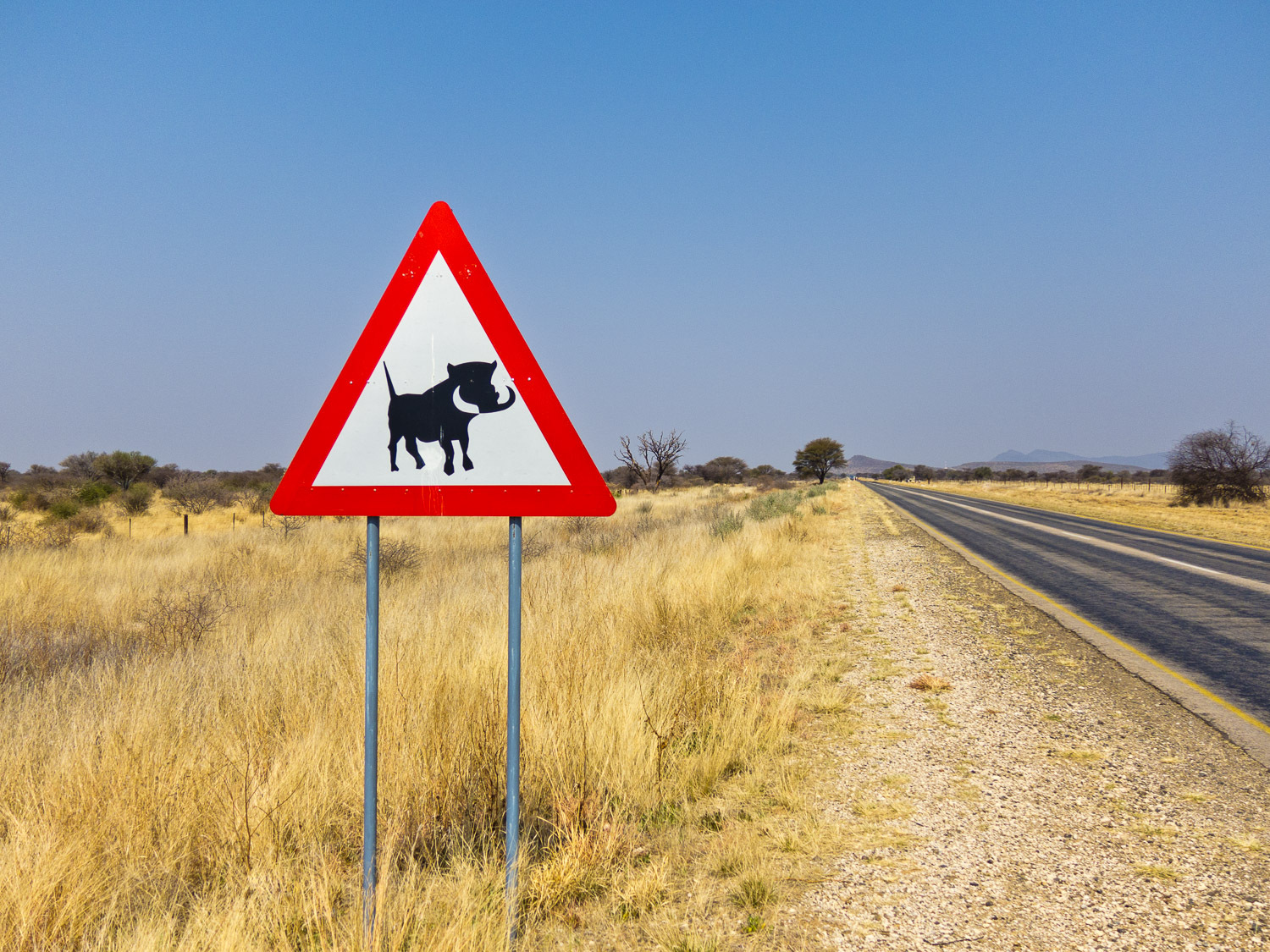
Always good advice but I’d never seen it on a road sign before. Other signs we saw included Elephants and Antelope
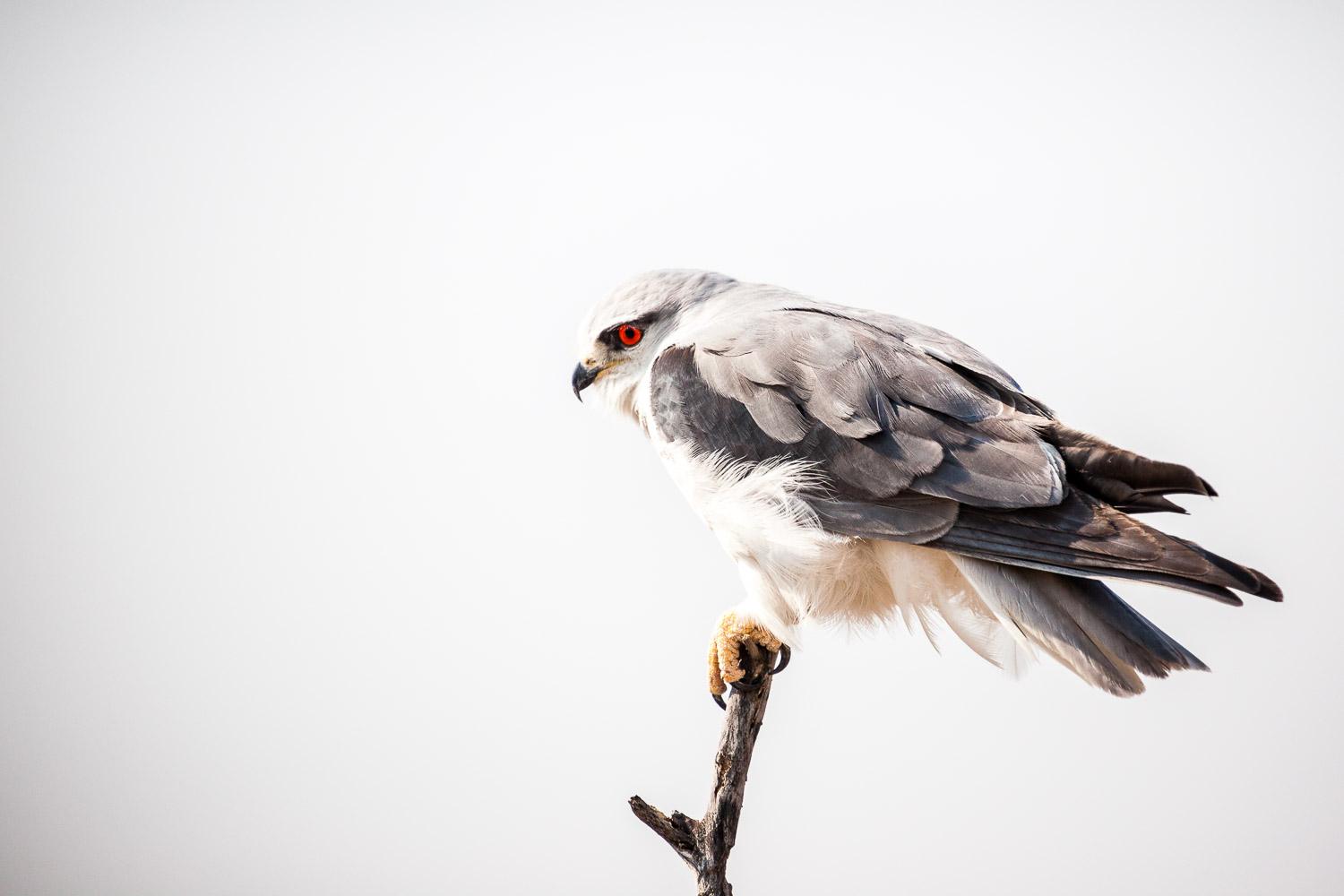
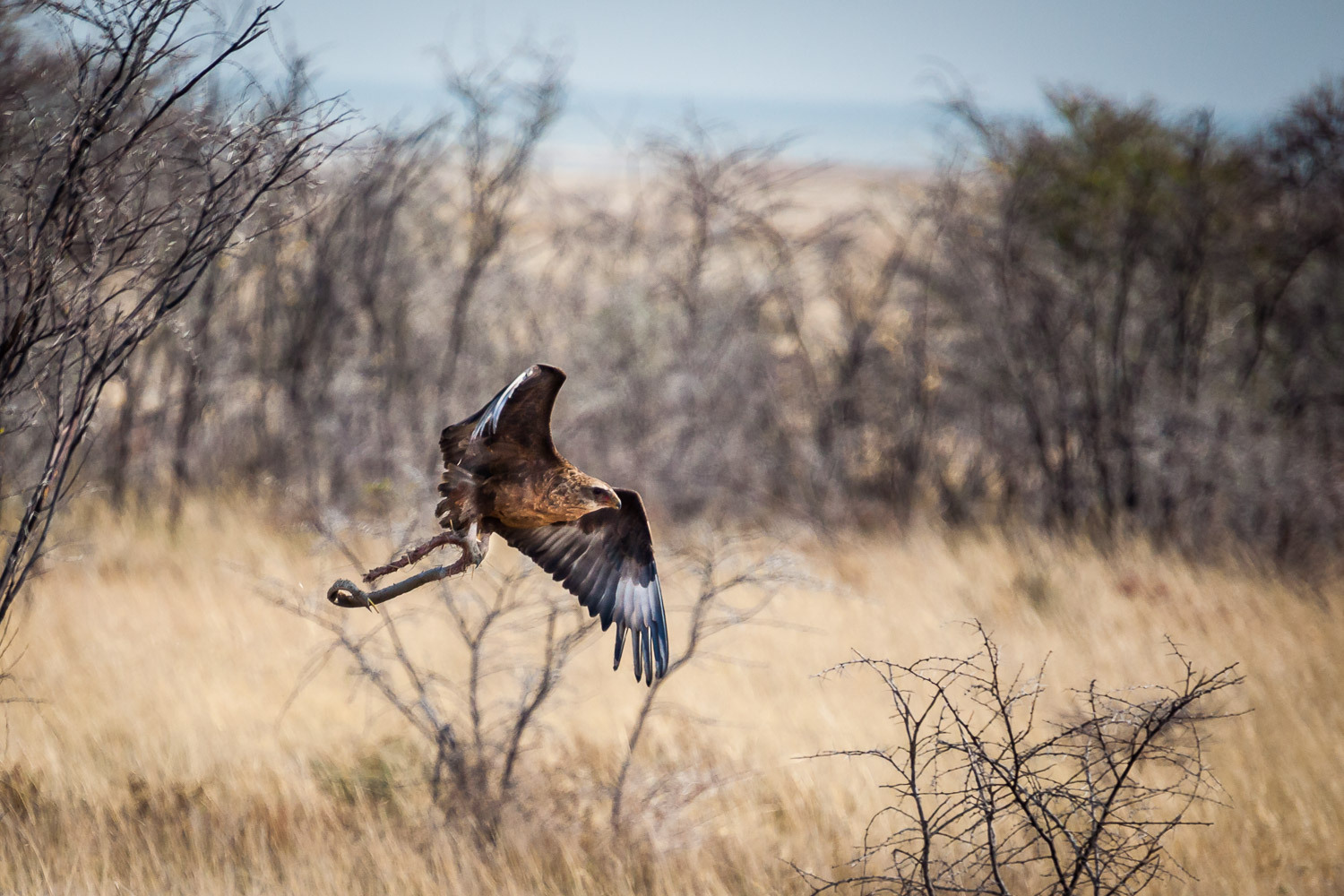
The timing on this was so lucky. We saw the eagle in the tree watching a large Secretary bird with something in the grass.
After a few moments it dived down from its perch and stole this half-eaten snake from the Secretary bird and flew off.
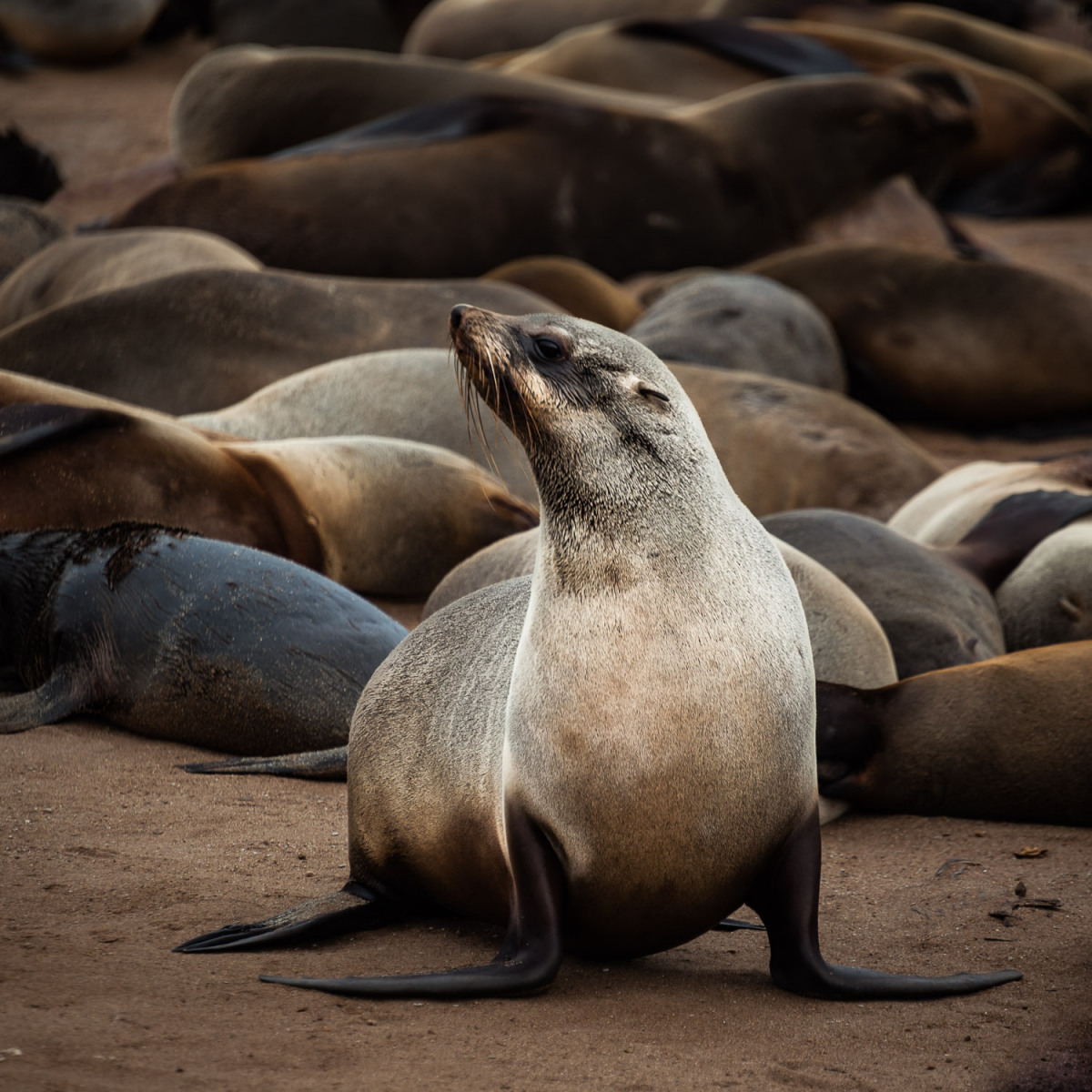
The Cape Cross Seal Reserve is the home of one of the largest colonies of Cape Fur Seals in the world. The name of the area refers to the large stone cross erected in the area by Portuguese explorers in the 15th century.
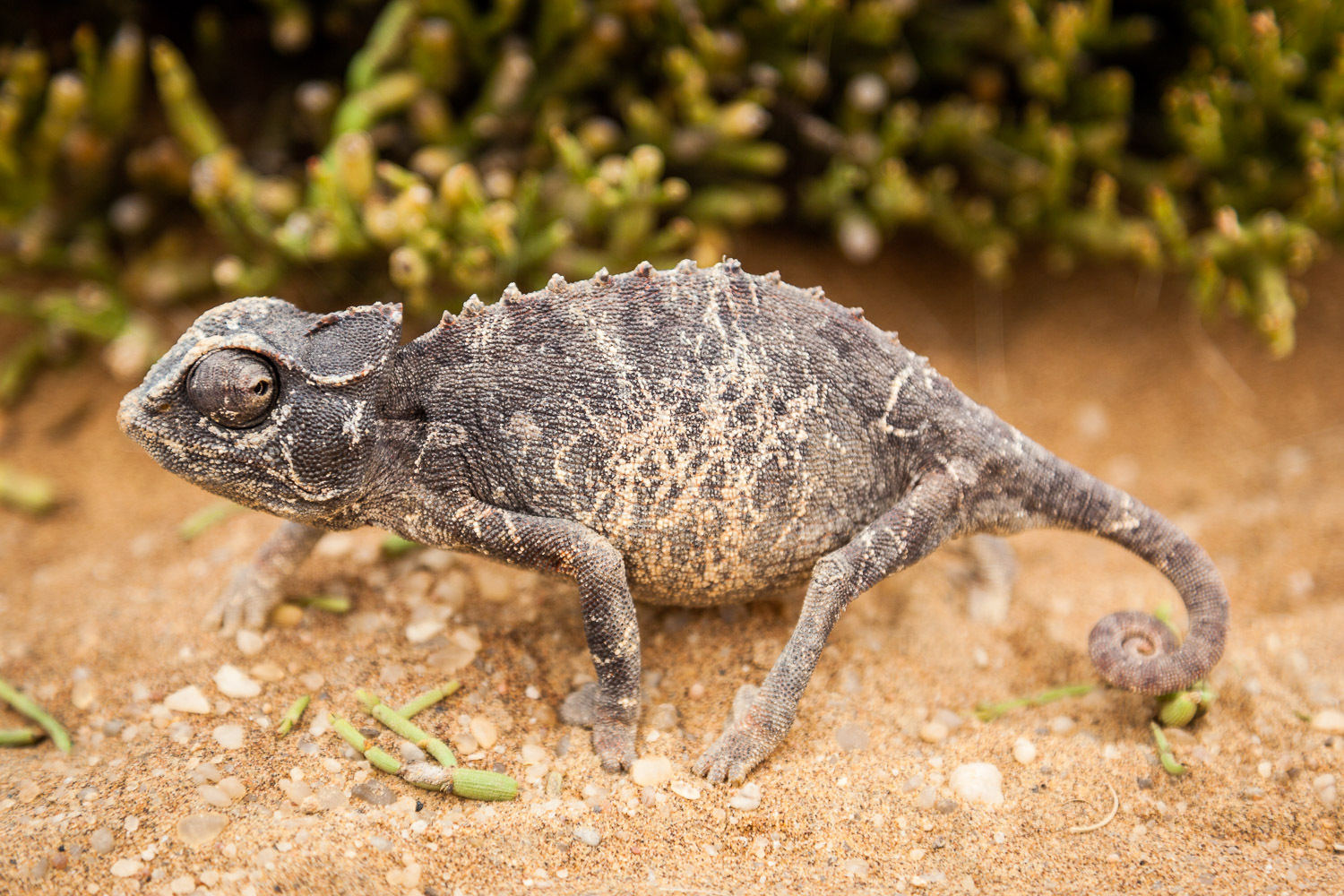
Whilst in Swakopmund in Namibia I went with a few others on a “Living Desert” tour. They drive you out into the middle of the desert where you think nothing lives and start digging in the sand to produce all sorts of different creatures (I’ll certainly never look at a desert the same again!)
This chameleon was found watching us from next to a scrub bush. Don’t worry we put him back exactly where we found him!
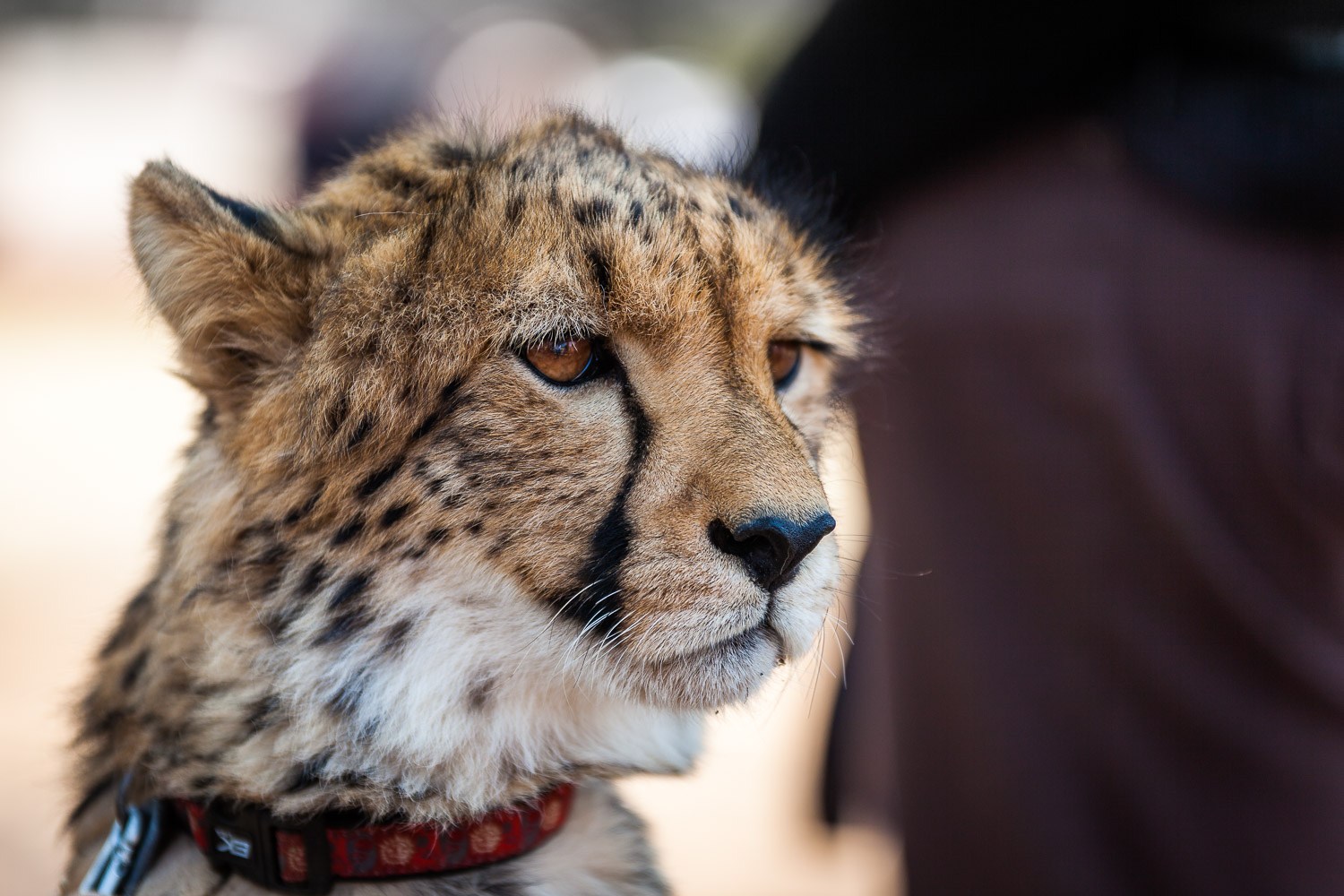
This was taken at the Cheetah Conservation Fund just outside Otjiwarongo town.
Thanks to the work of this NGO, both within Namibia and worldwide there is now far greater awareness of the value of the cheetah within the ecosystem, and its endangered status. Encouragingly, increasing numbers of Namibian farmers (on whose land the majority of wild cheetah live) are implementing predator-friendly livestock management techniques.
I’d recommend you visit their site to find out more:
http://www.cheetah.org
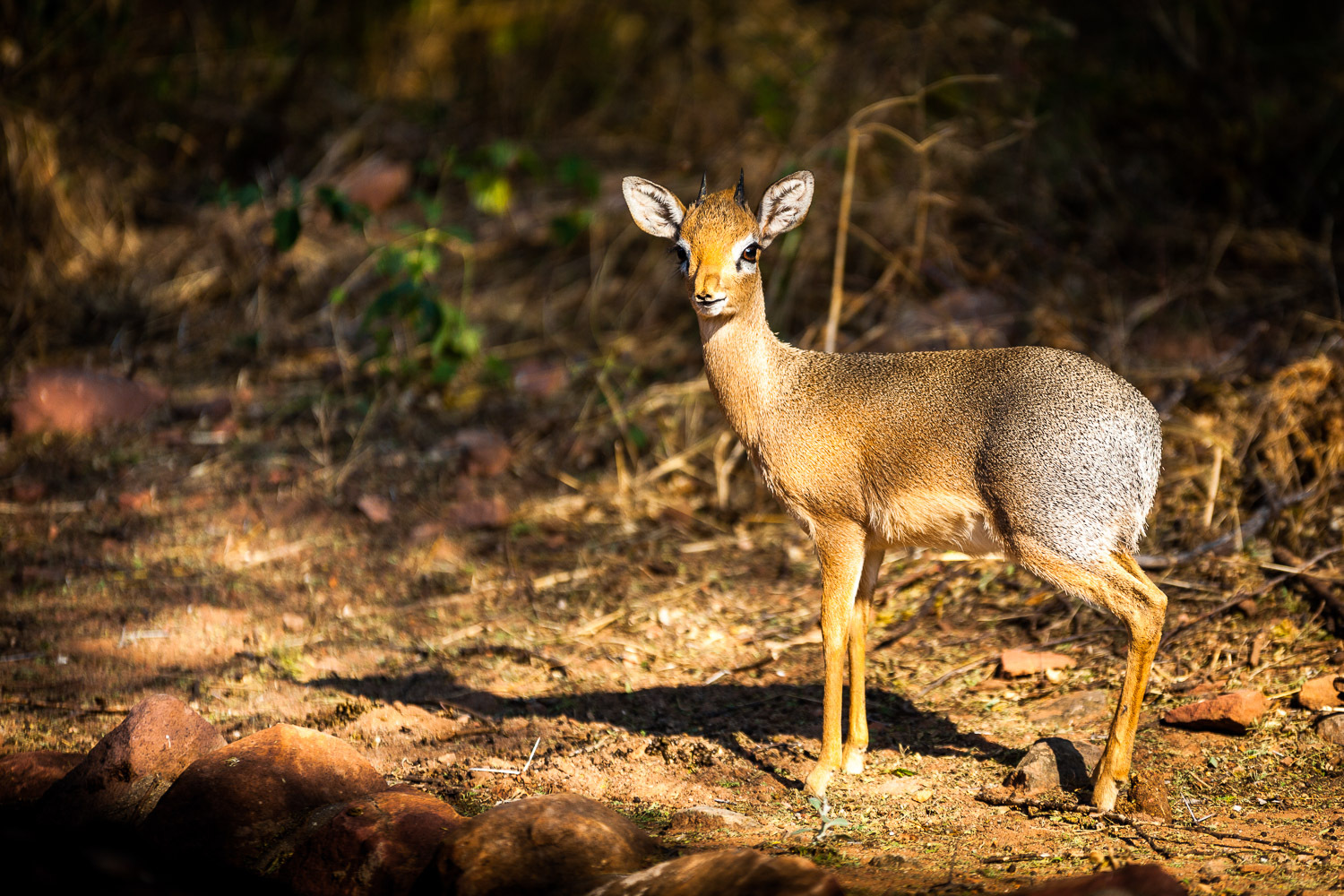
The Damara dik-dik (Madoqua kirkii) is one of Africa’s smallest antelopes and a protected species in Namibia.
They are very tiny with the average shoulder height being only 40cm.
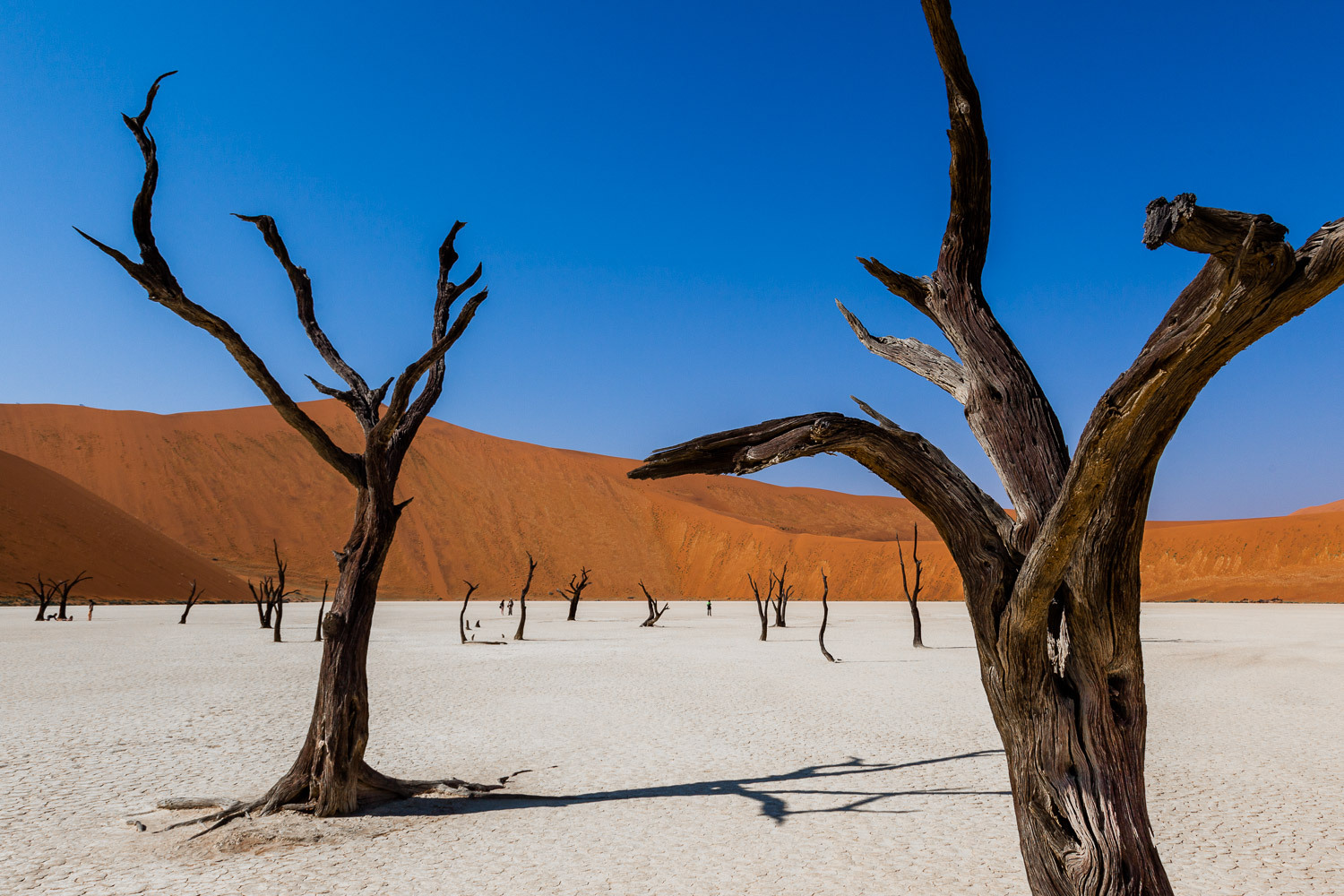
A common shot in many of the guides! The dead trees in a dried out lake bed hidden amongst the dunes at Sossusvlei
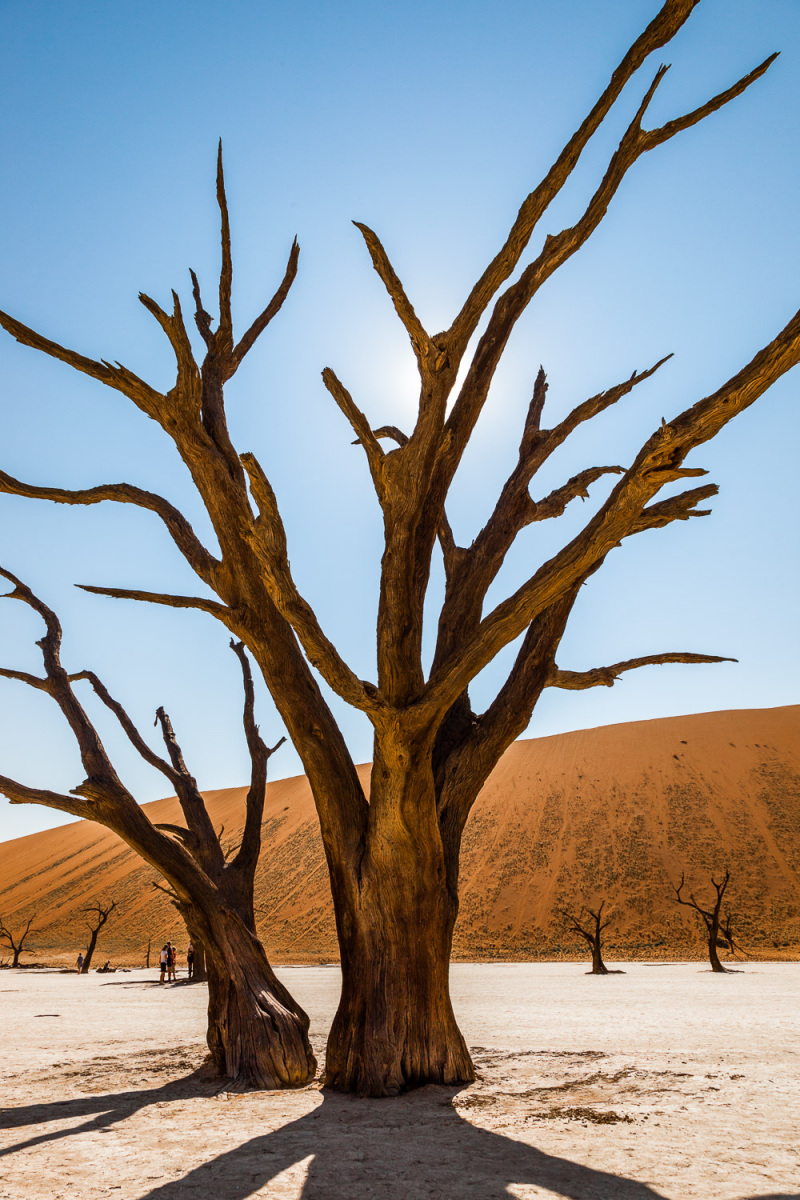
More of the barren dead trees in the dunes at Sossusvlei.
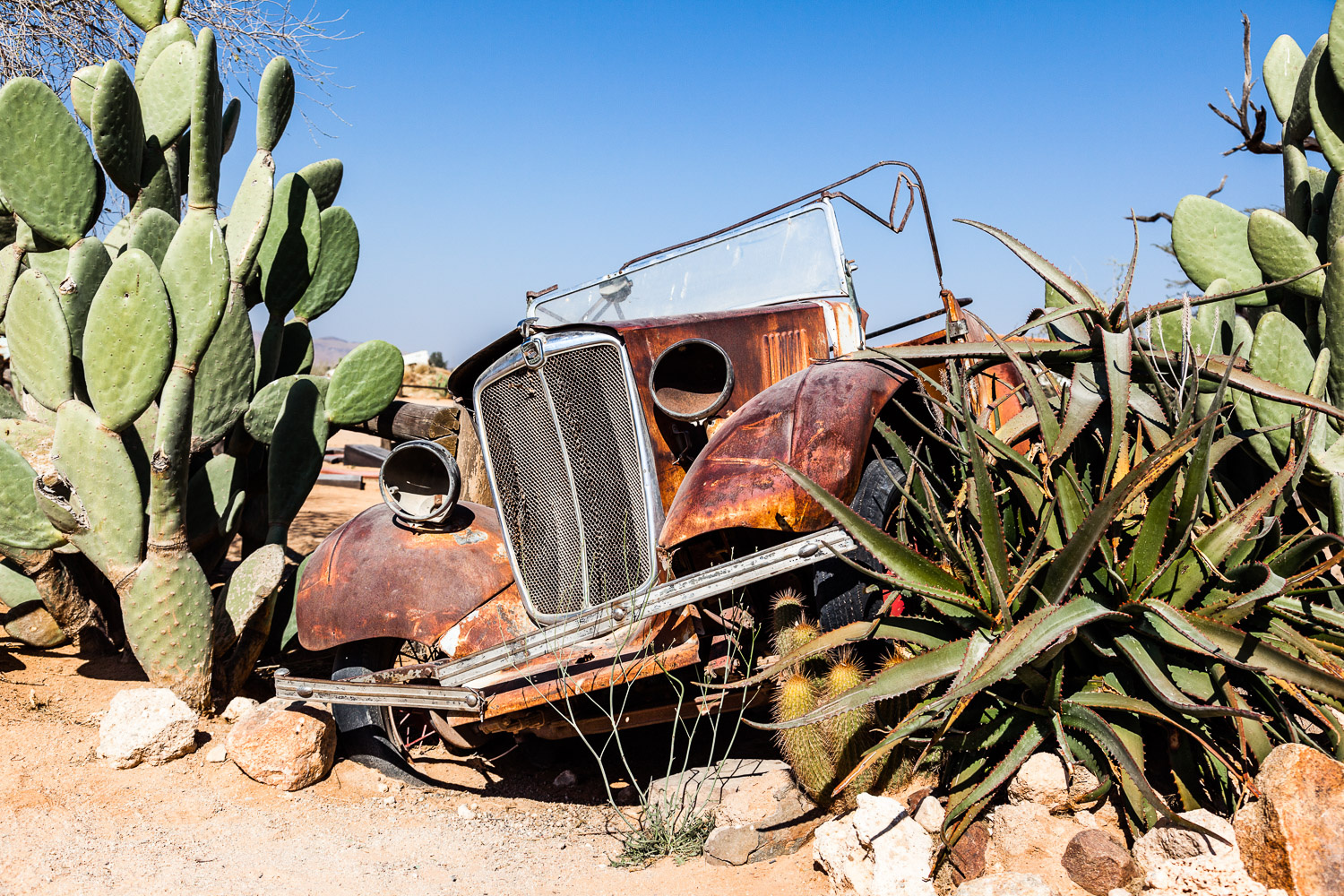
The remains of an old car left to rust in the desert at Solitaire
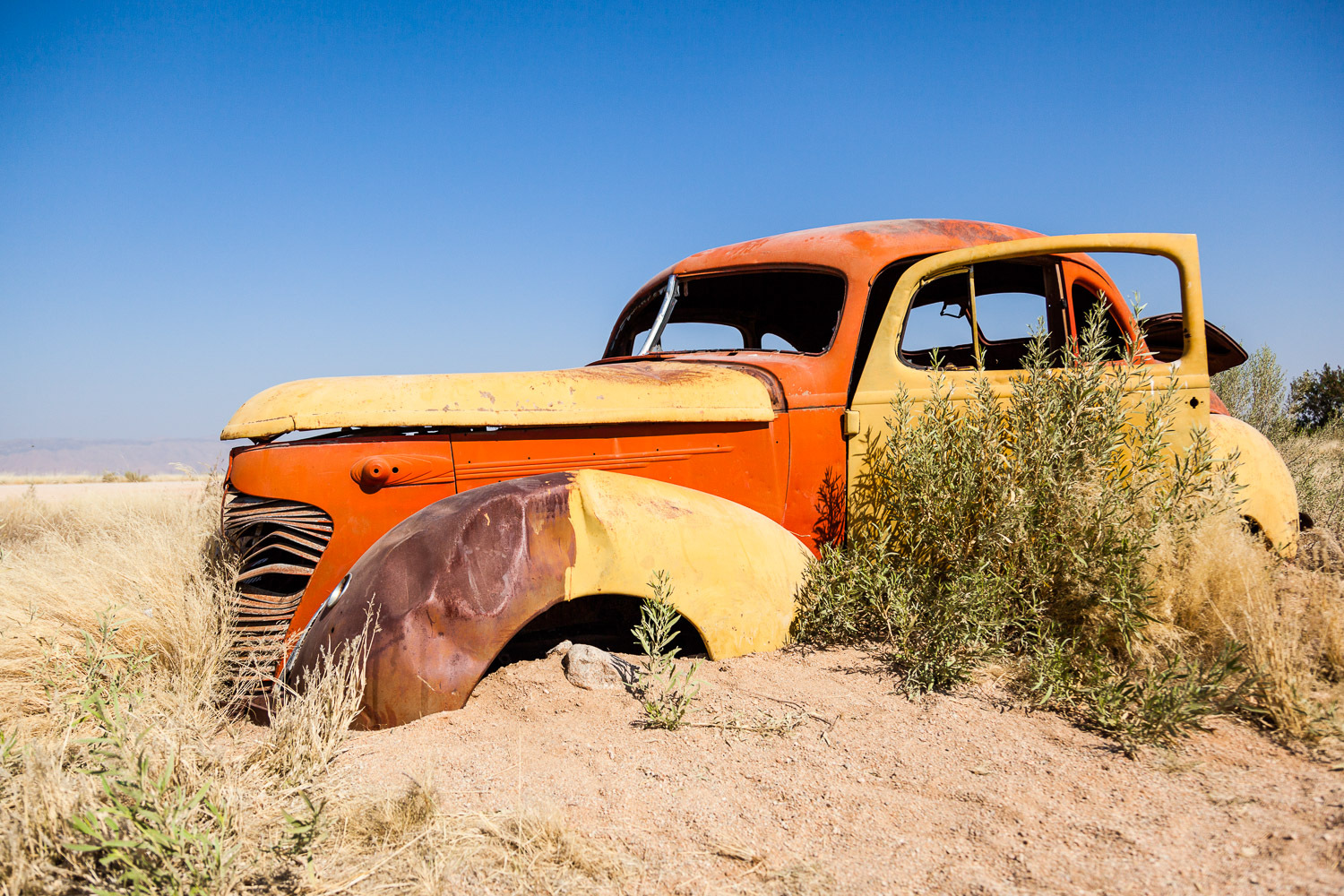
The remains of an old car left to rust in the desert at Solitaire
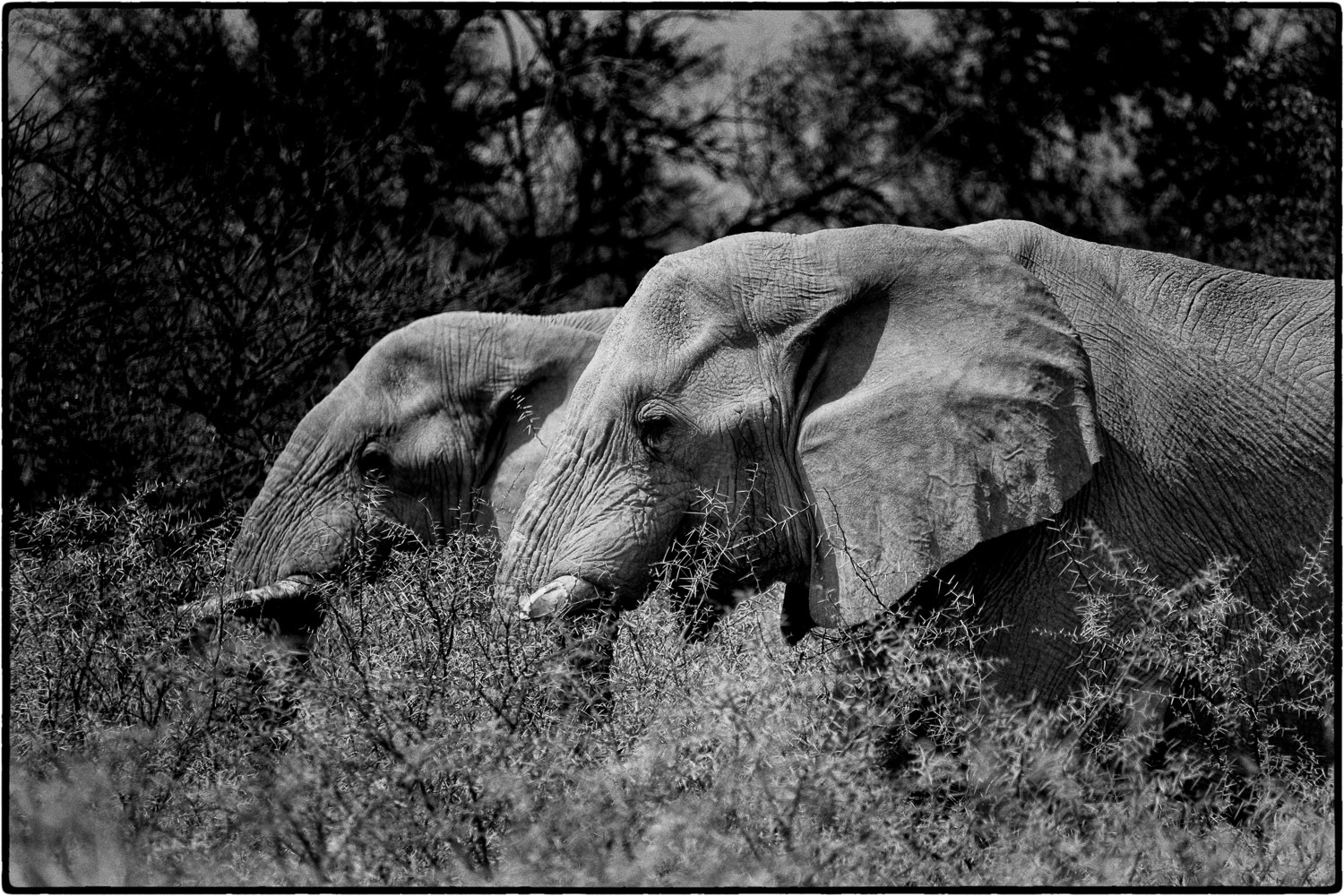
Two large mature elephants grazing on the shrubs
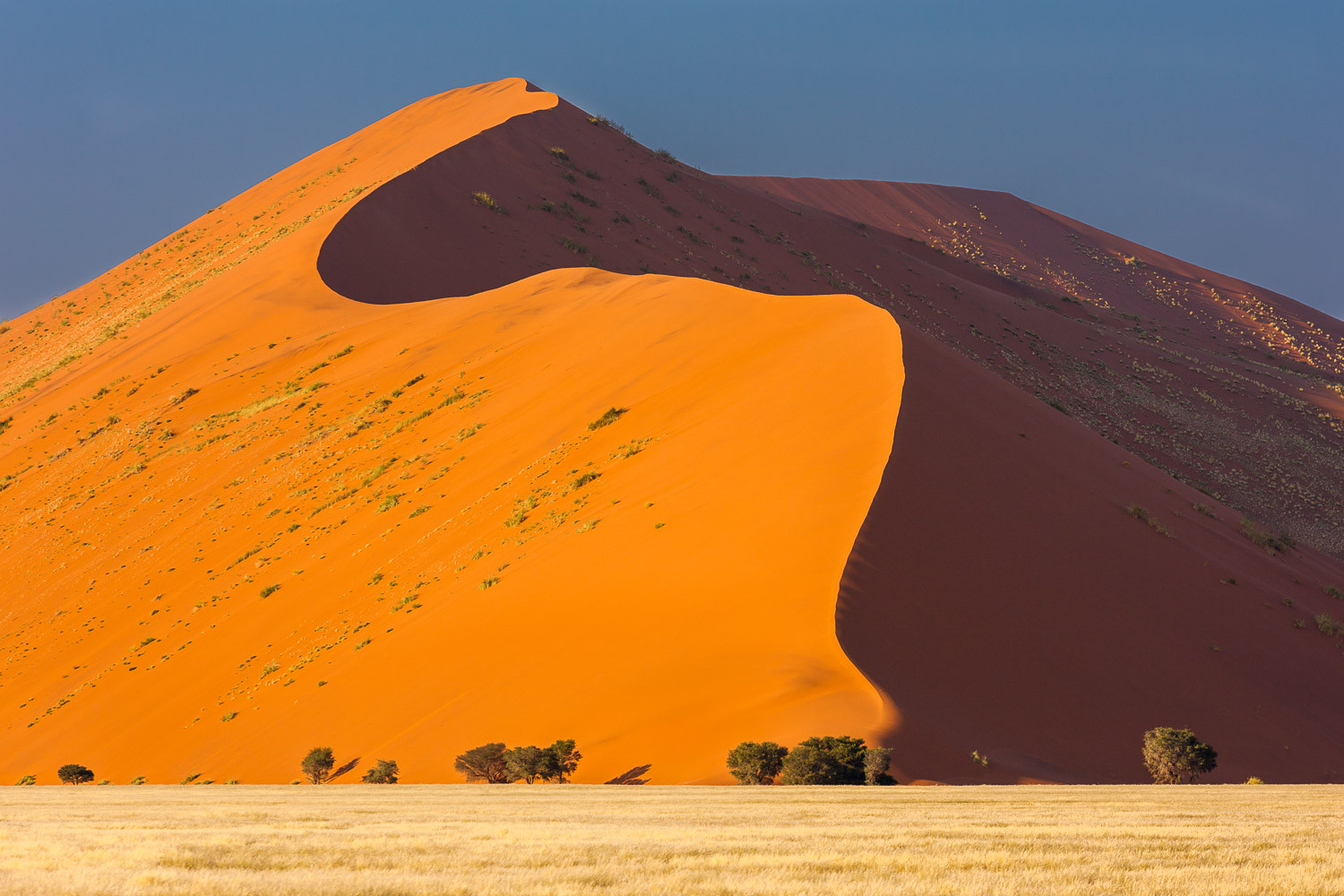
One of the towering dunes at Sossusvlei in Namibia