
A country of statistical extremes, landlocked Bolivia is the highest and most isolated country in South America. It has the largest proportion of indigenous people, who make up around two-thirds of the population and though rich in mineral and energy resources, is one of South America’s poorest countries.
That said its stunningly beautiful and probably one of the less touristy places to visit in the region.
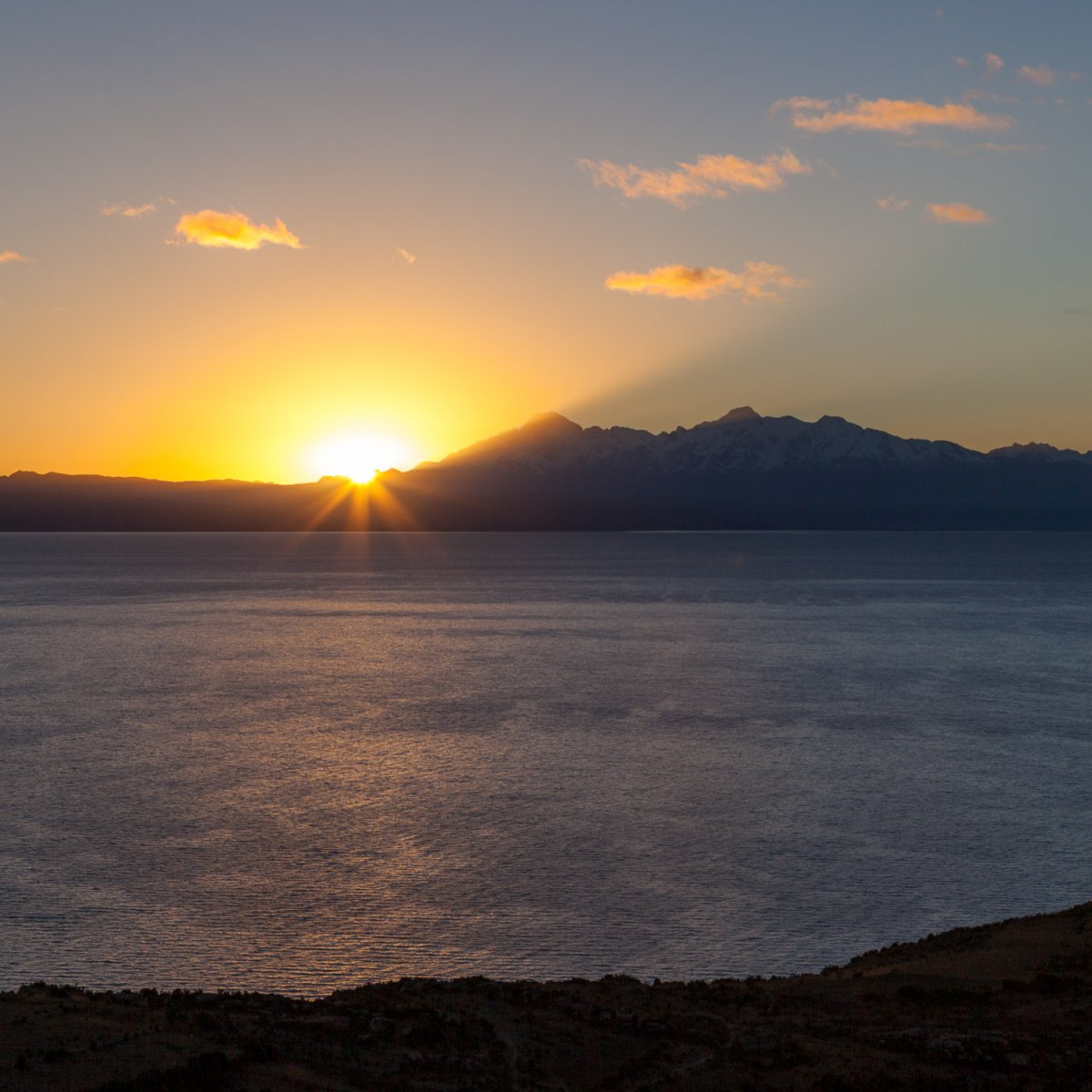
Andes Sunrise
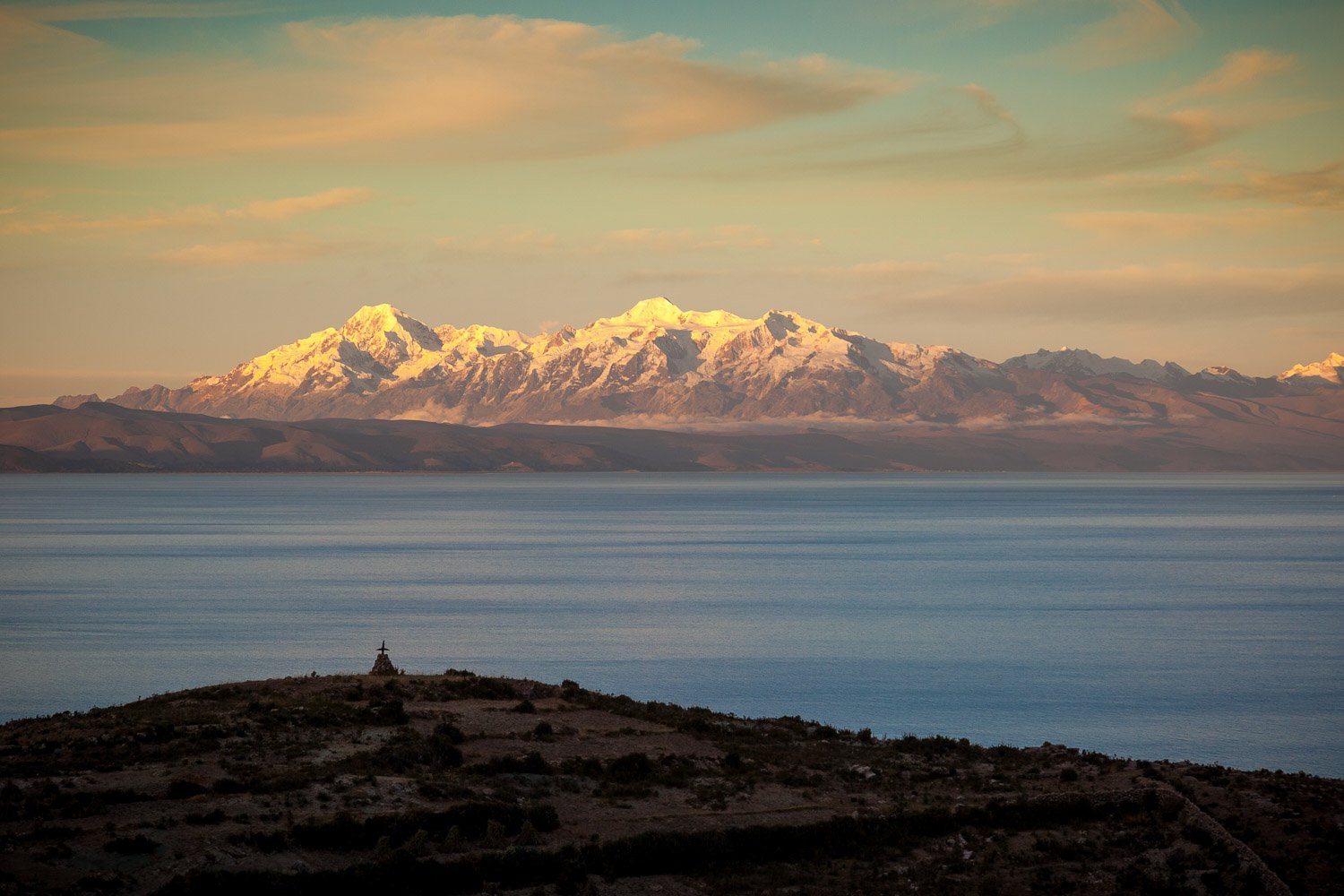
Andes Sunset
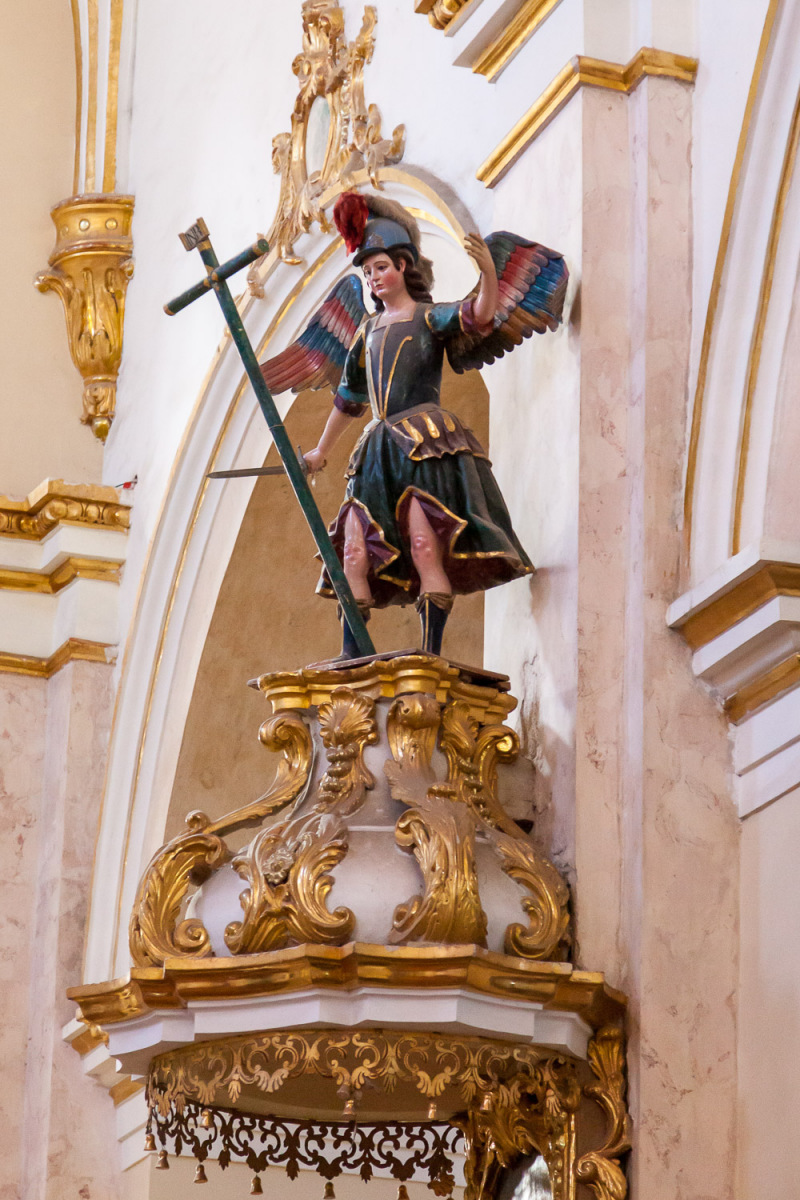
Angel on High
Detail inside one of the churches.
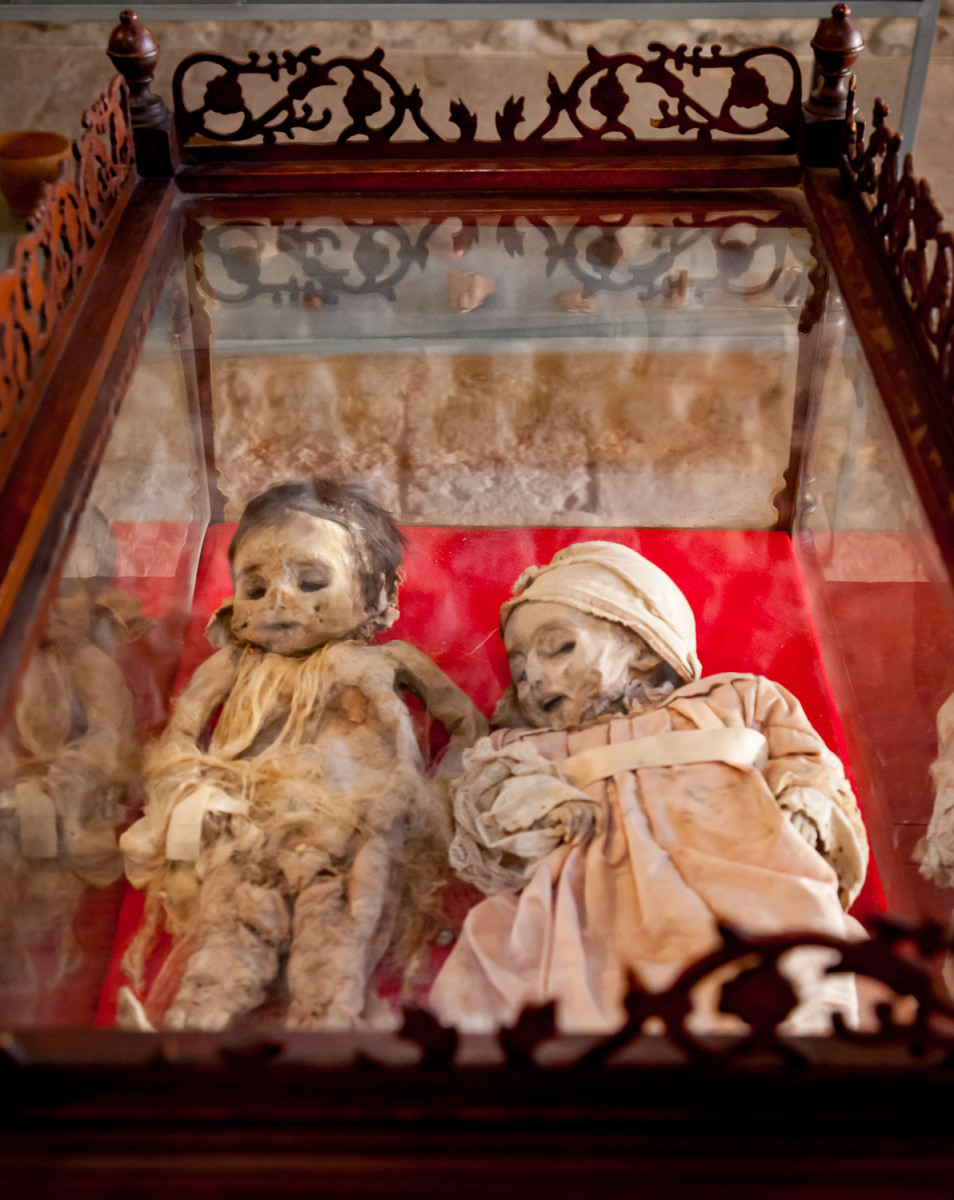
Baby Mummies
The Mint House today is a museum and as well as showing how currency used to be produced also includes displays on the archaeology of the area. Because of the extremely low humidity natural mummification occured as is the case with these two small children.
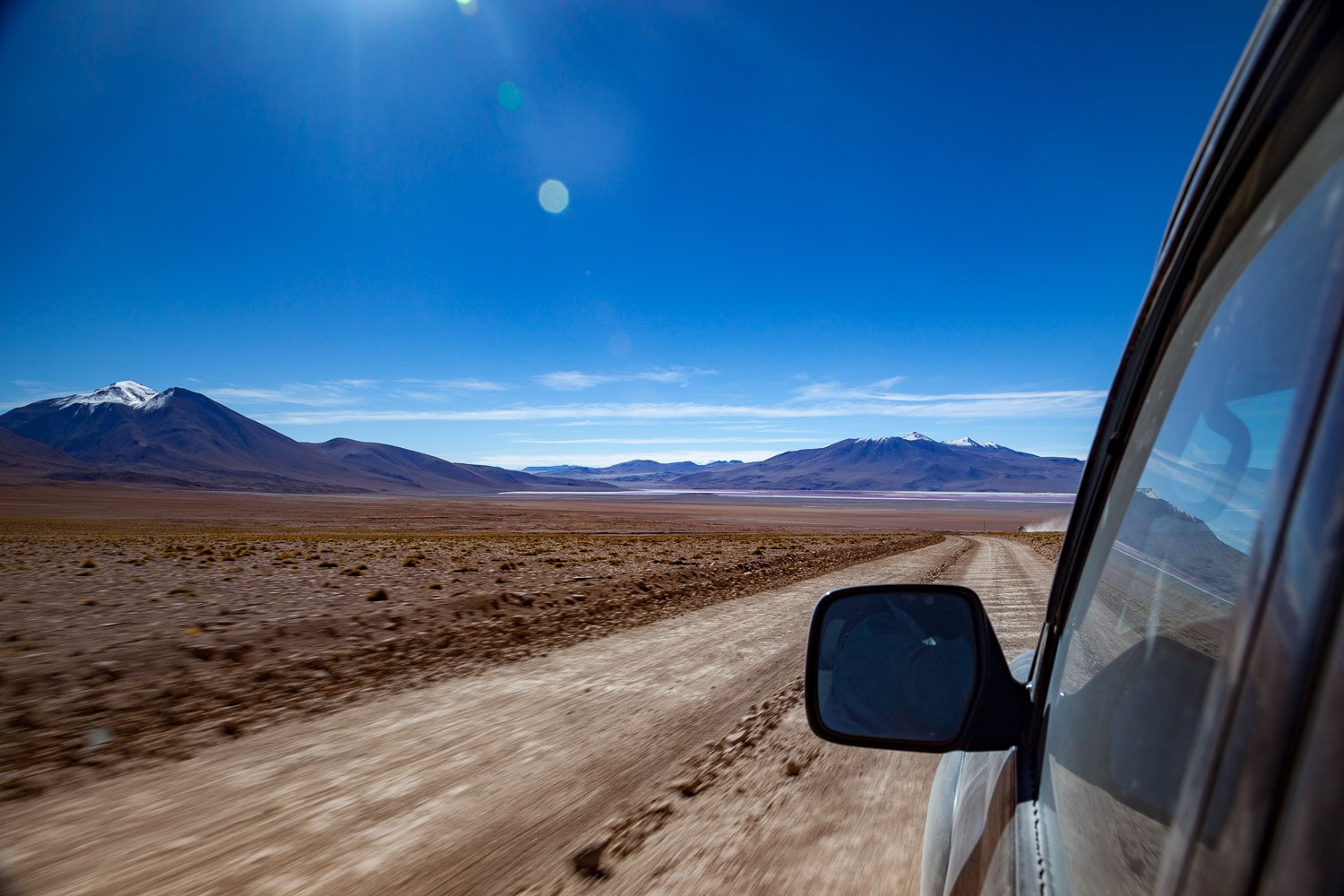
Barren
The roads for much of our travels through Bolivia were little more than compacted earth. The Atacama Desert is pretty barren broken only by the stunning mountain ranges and volcanoes.
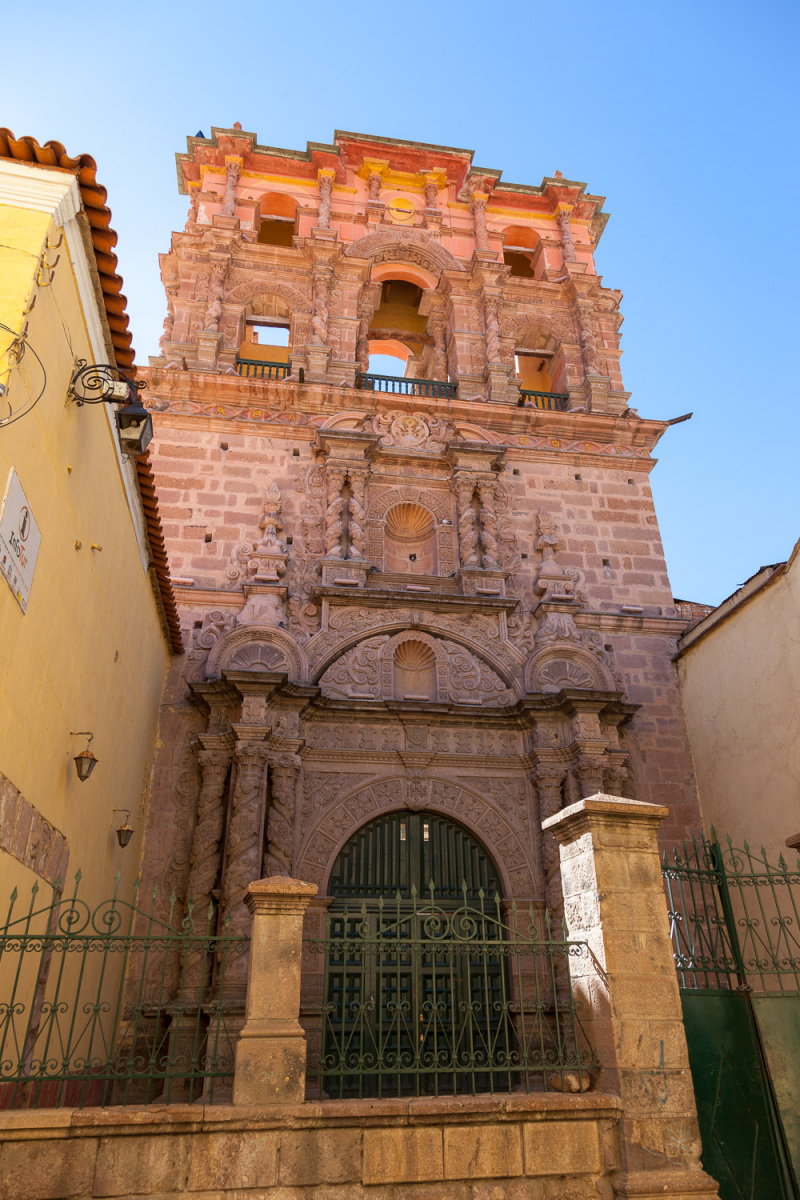
Bell Tower
An old bell-tower in the centre of Potosi
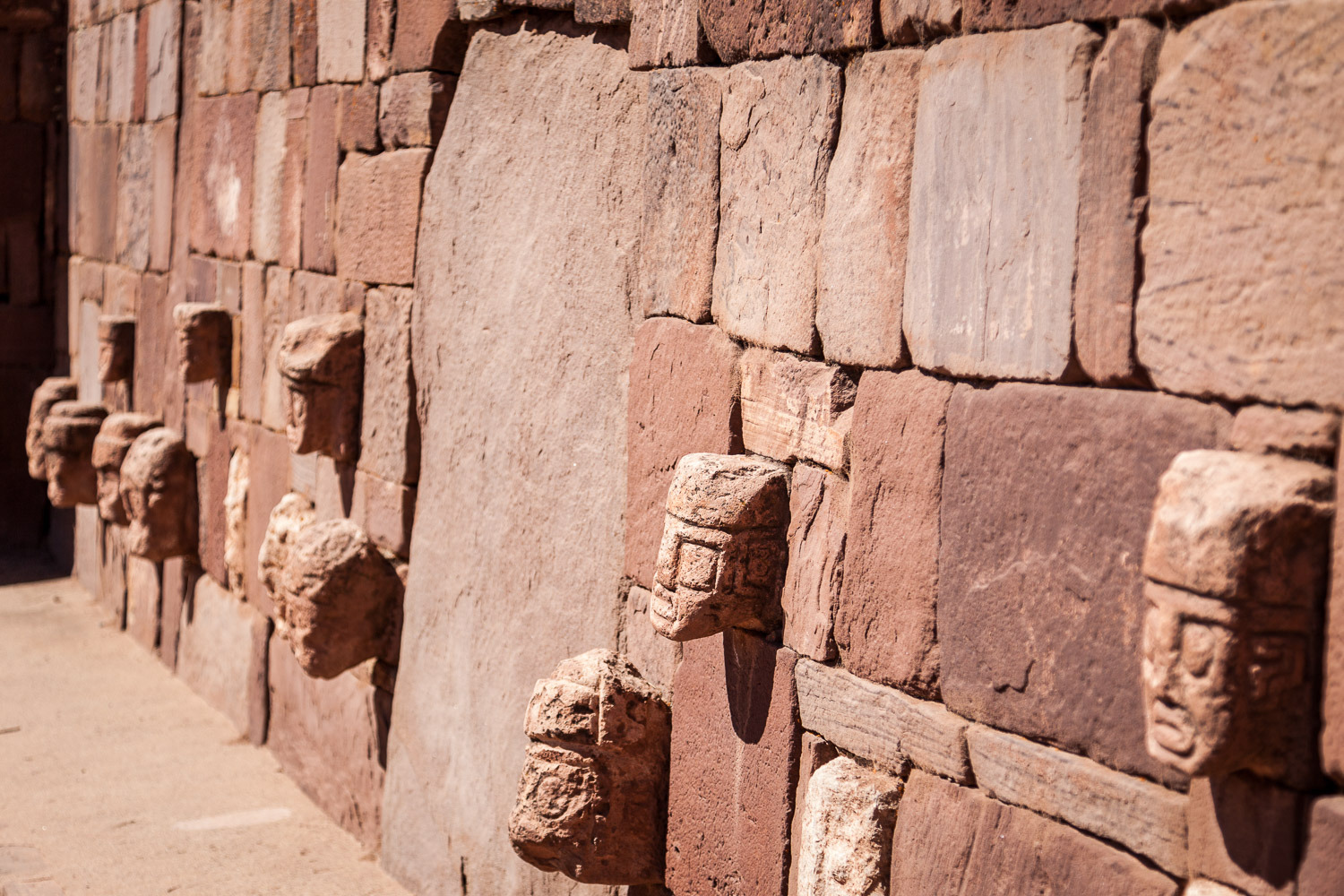
Carved Heads
Carved heads line a wall in a sunken area of the Tiawanhacu site.
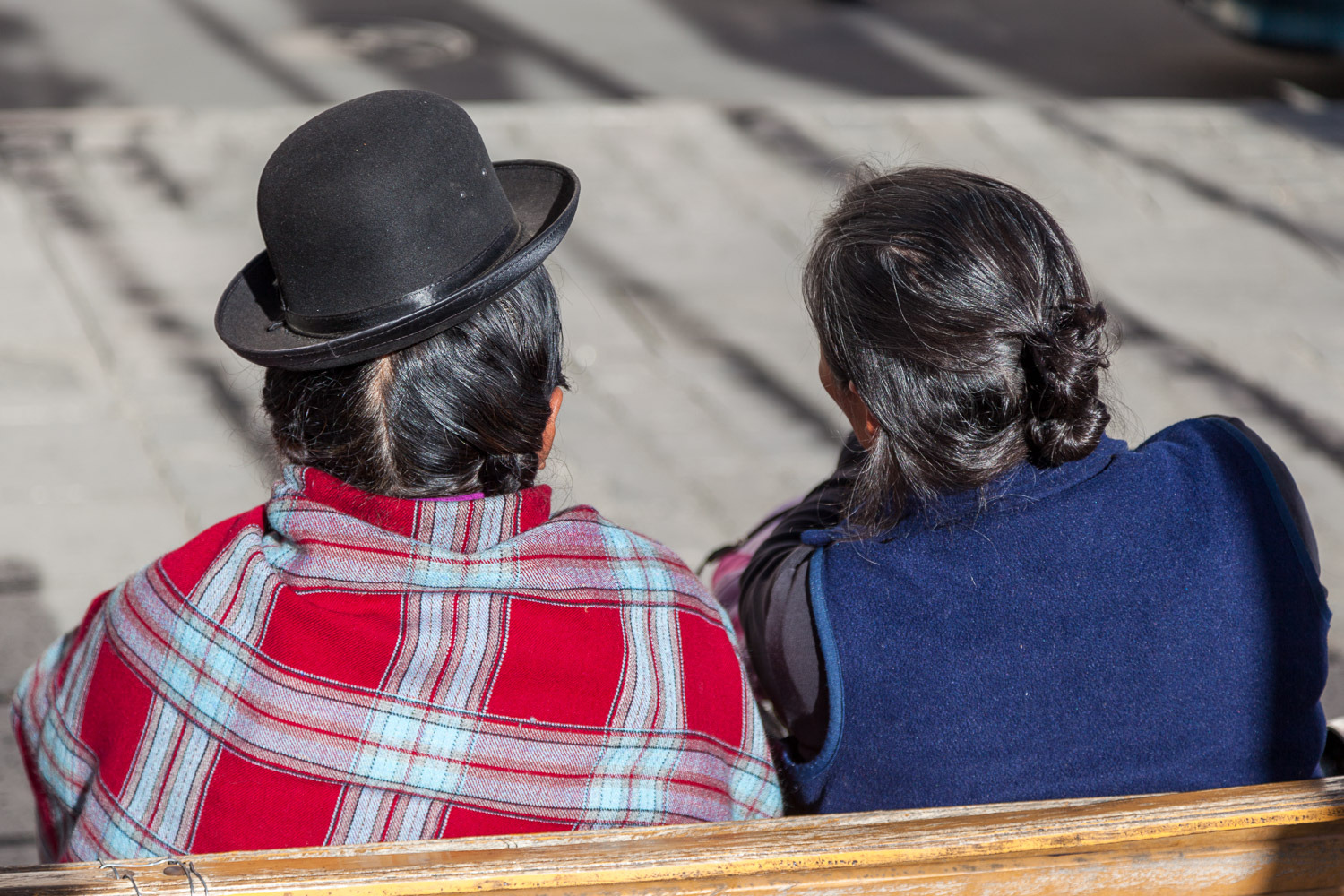
Catching Up
A couple of local ladies chat on a park bench. THe lady on the left wears the traditional dress and bowler hat.
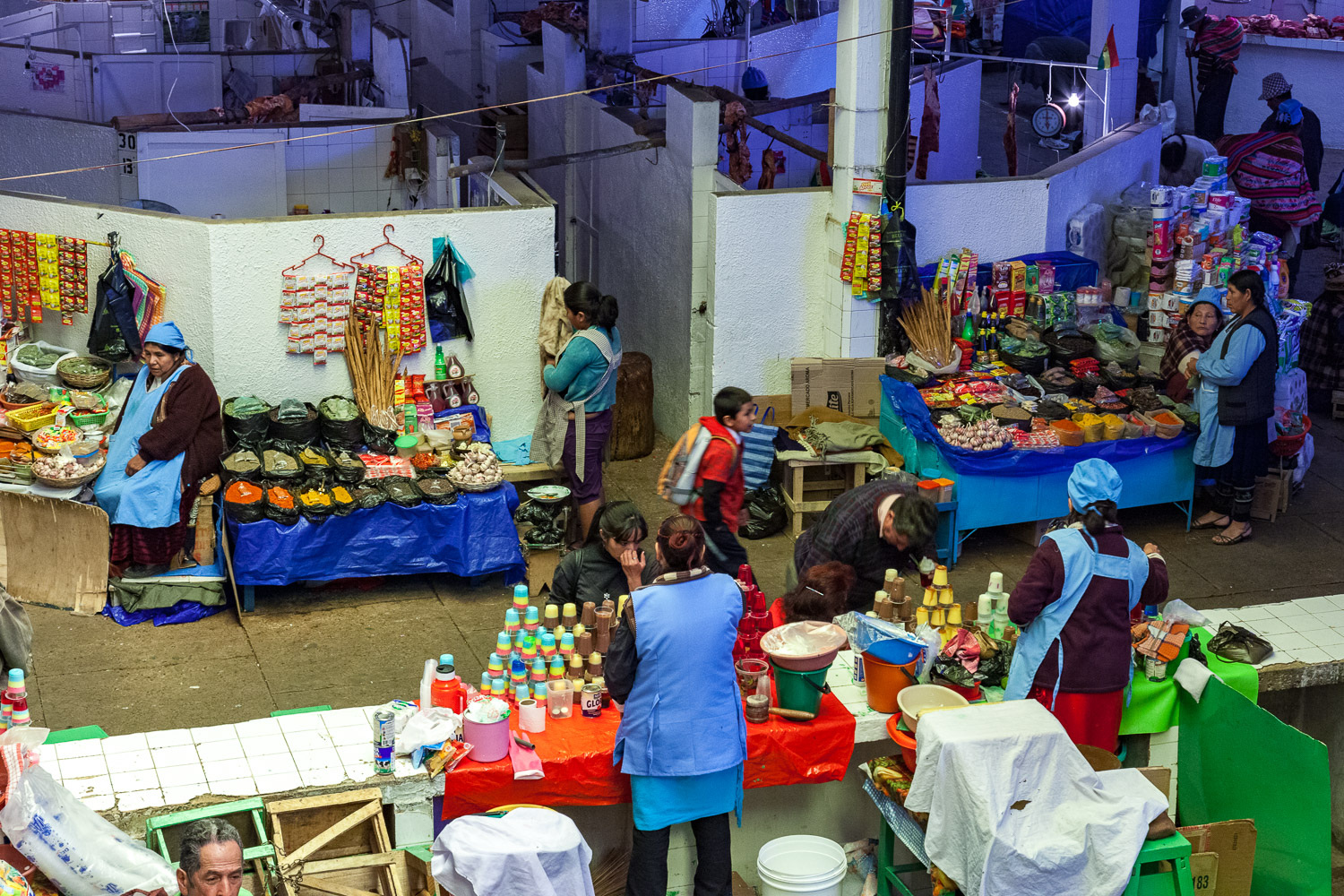
Central Market
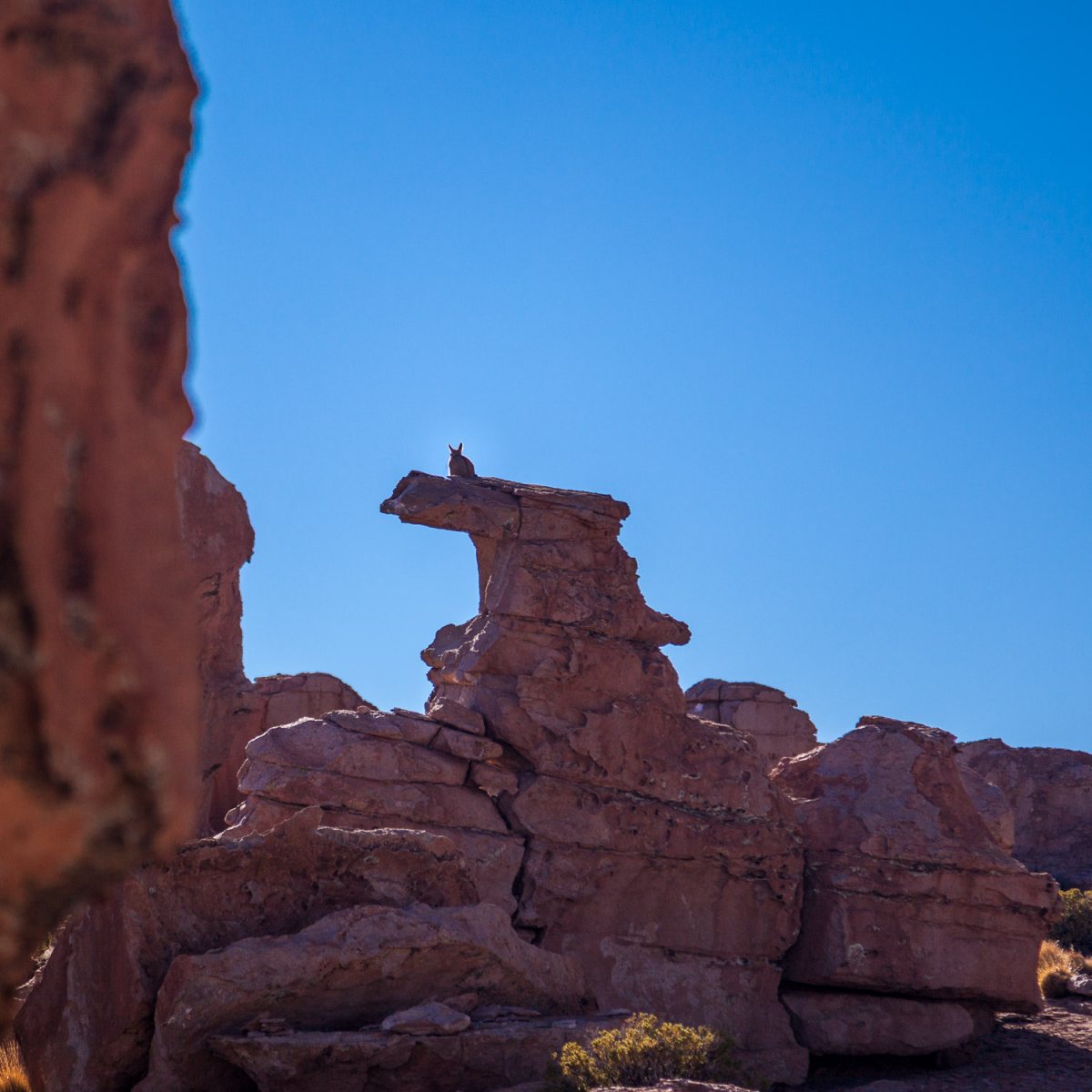
Chinchilla Lookout
A chinchilla basks in the early morning sun on top of one of the rock formations.
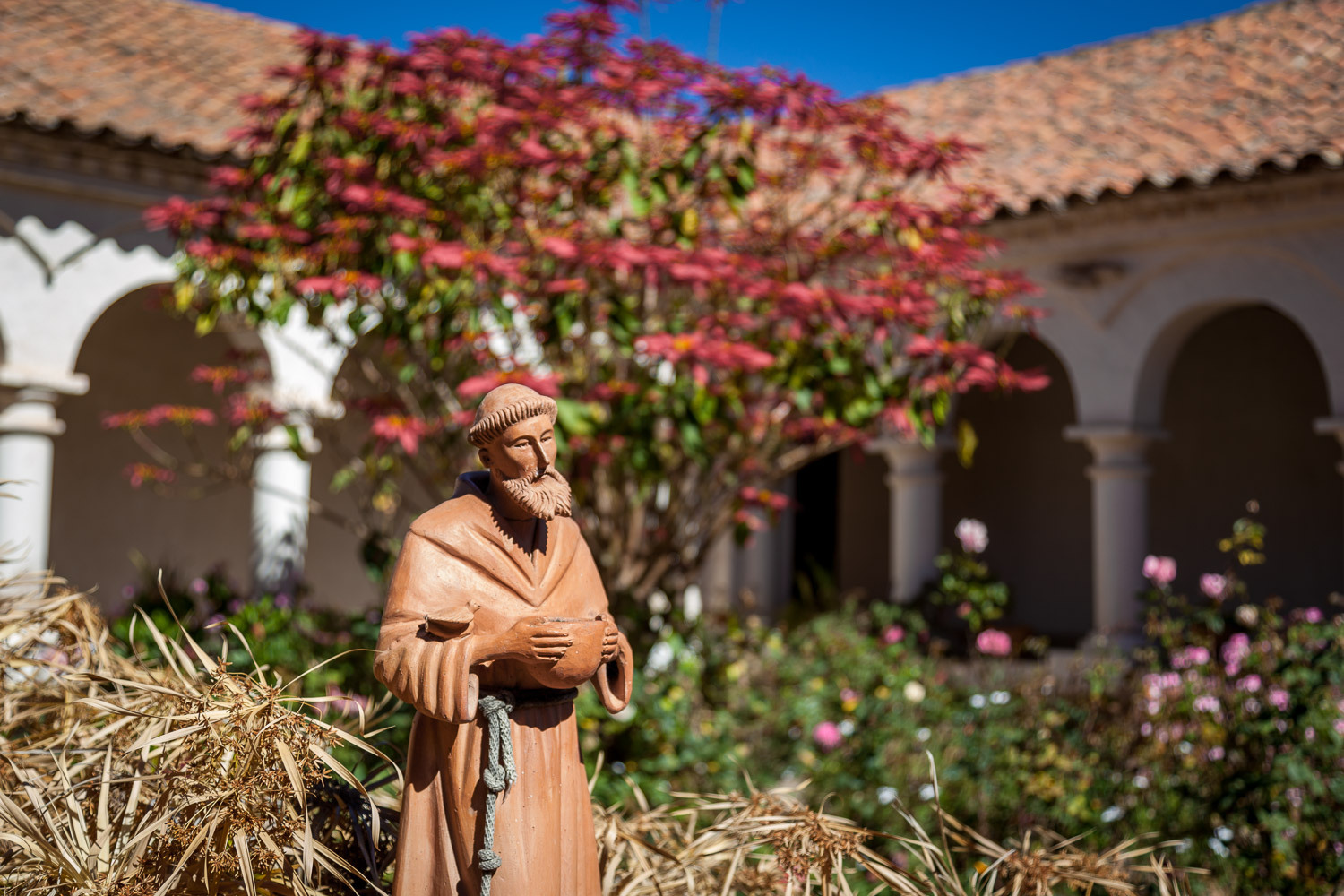
Cloisters
A small statue in the monastery overlooking Sucre.
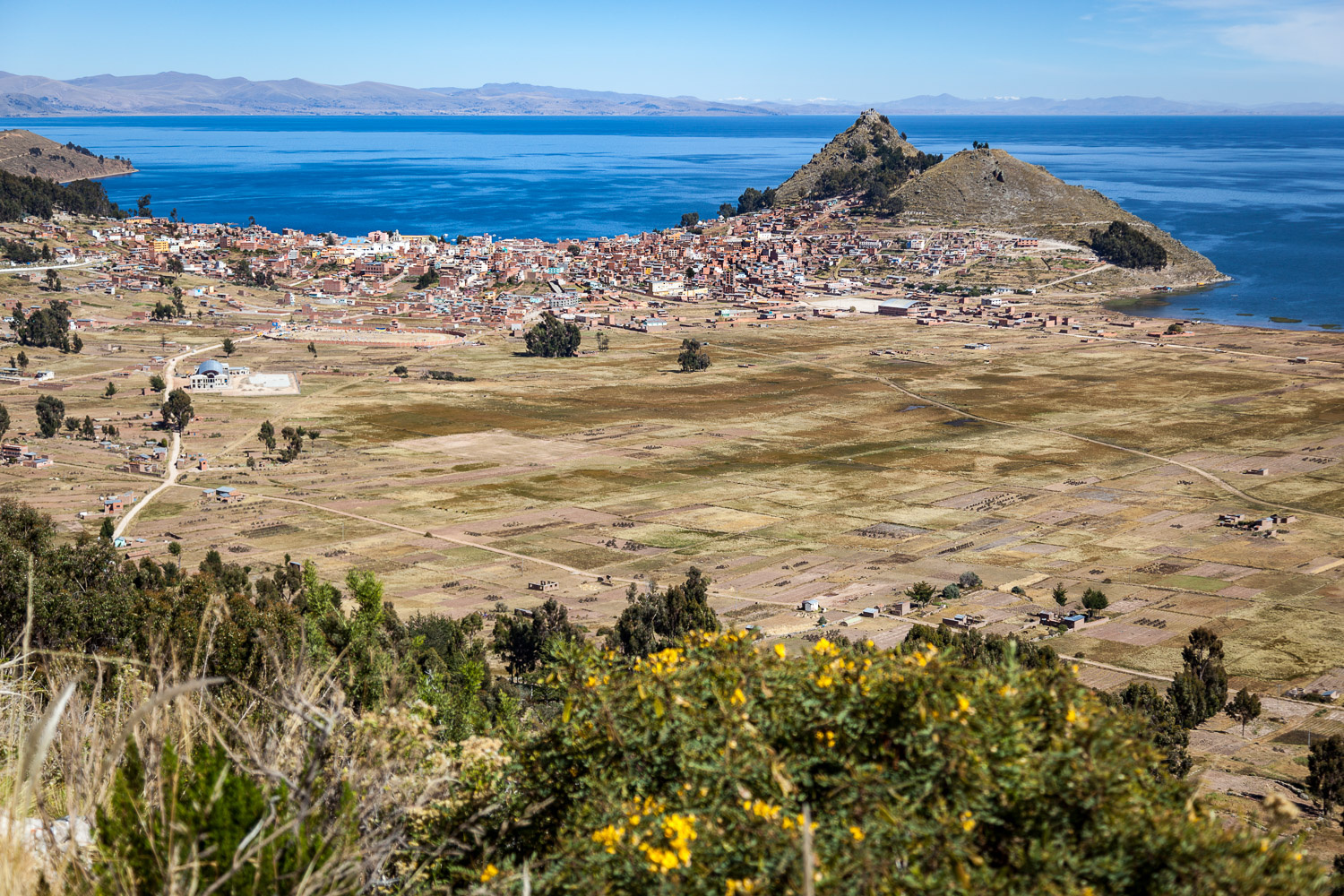
Copacobana
Copacobana on the shores of Lake Titicaca. The far more famous Copacabana, the beach in Rio de Janeiro, derives its name from this one: the Brazilian beach was named after the home of the Virgen de la Candelaria after she saved some Brazilian fisherman from a storm on Lake Titicaca.
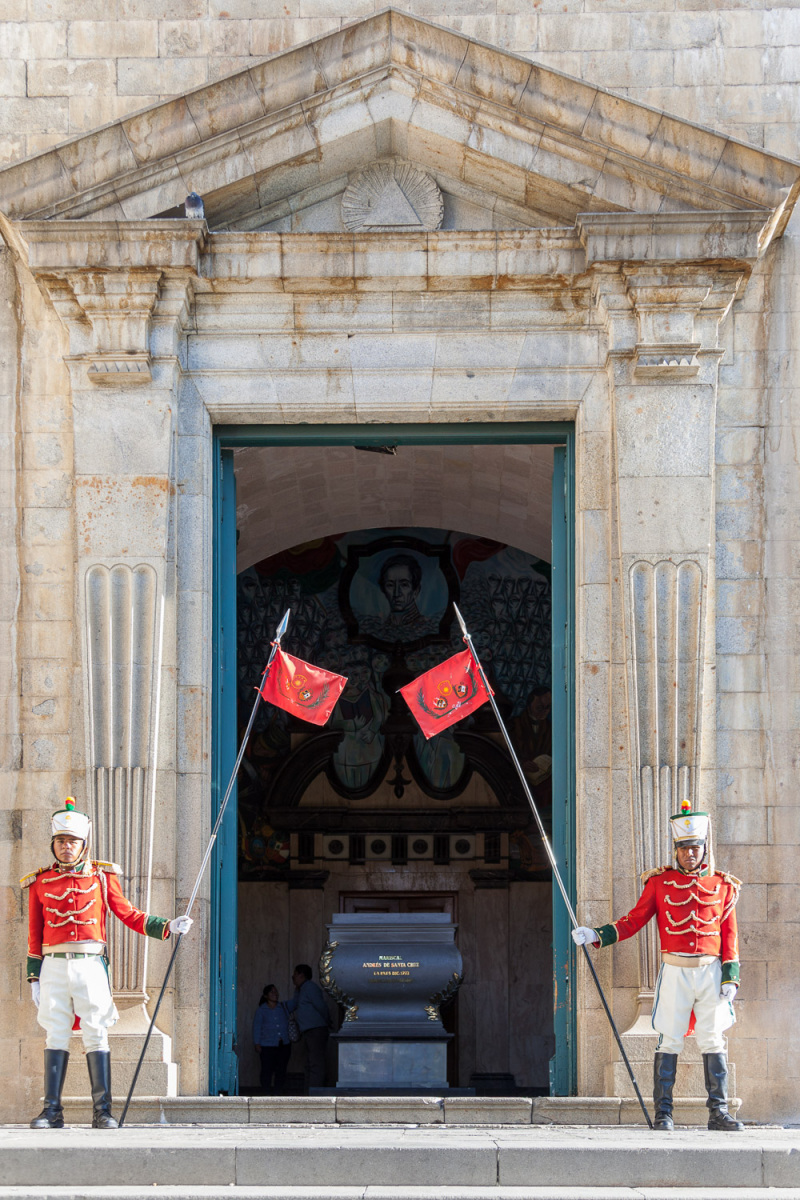
Dead Presidents
Two solders with flags stand guard outside the tomb of one of the early presidents of Bolivia, Andrés de Santa Cruz.
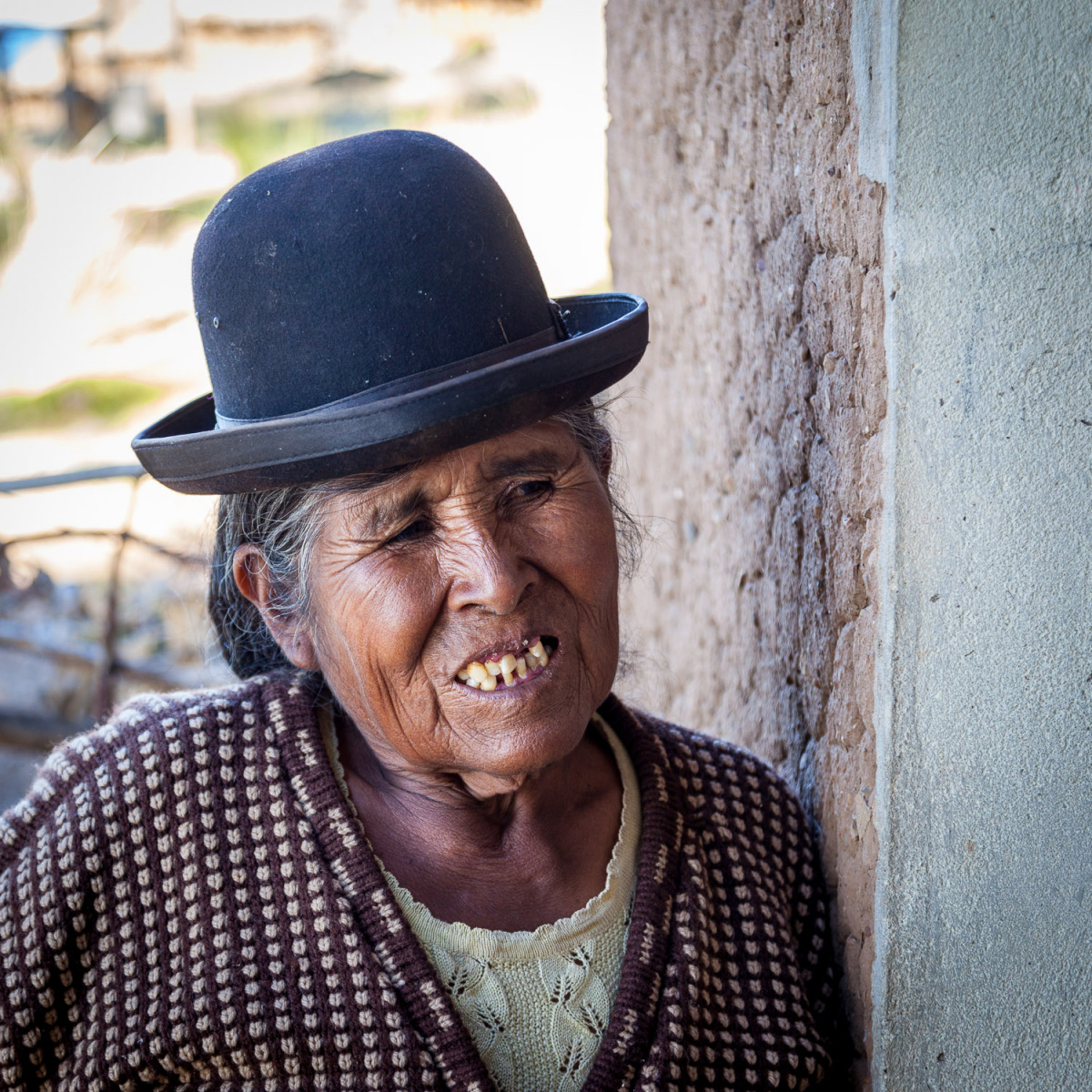
Dentist Required
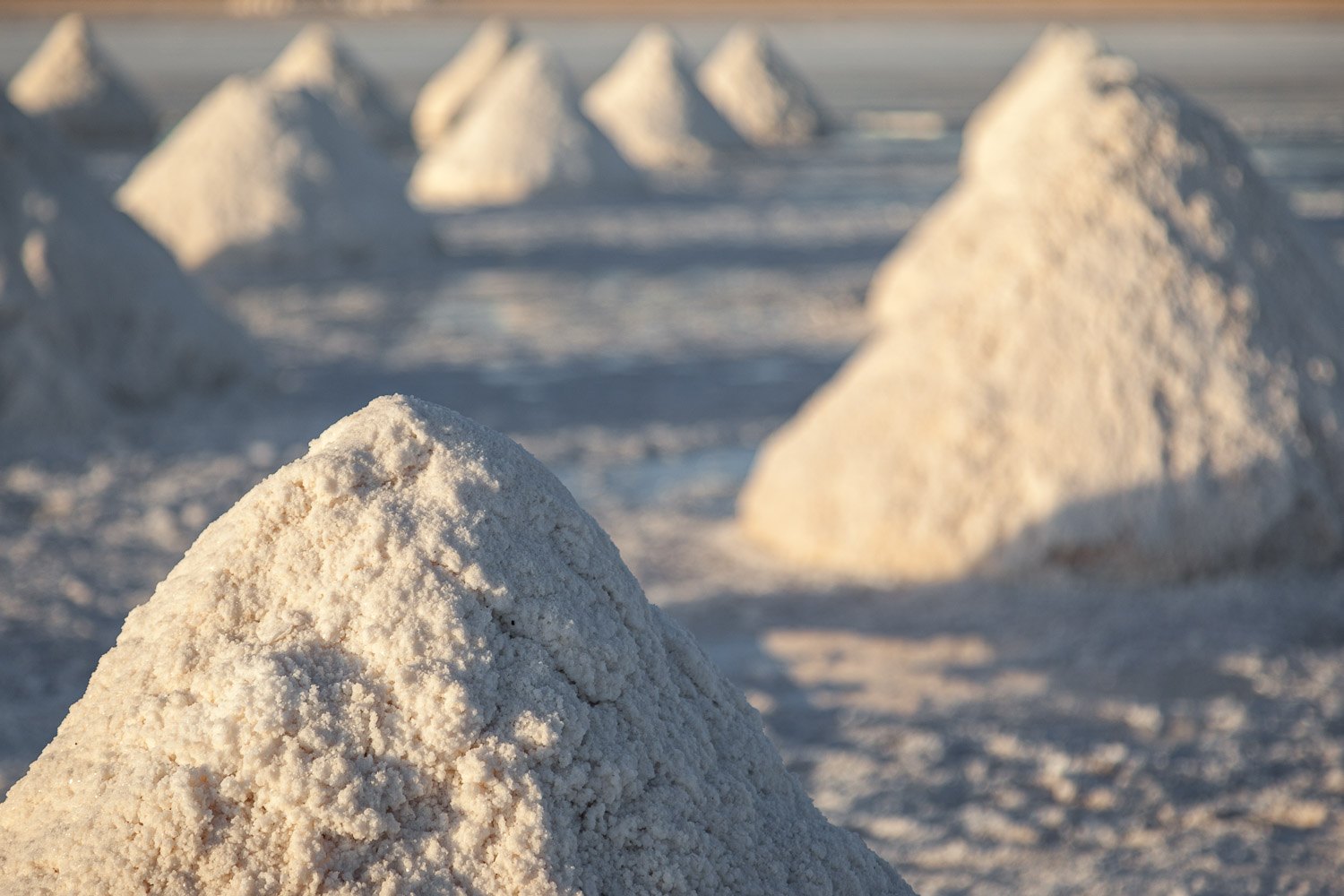
Drying the Salt
In orer to process the salt it is first collected into small mounds and left to dry out before being collected.
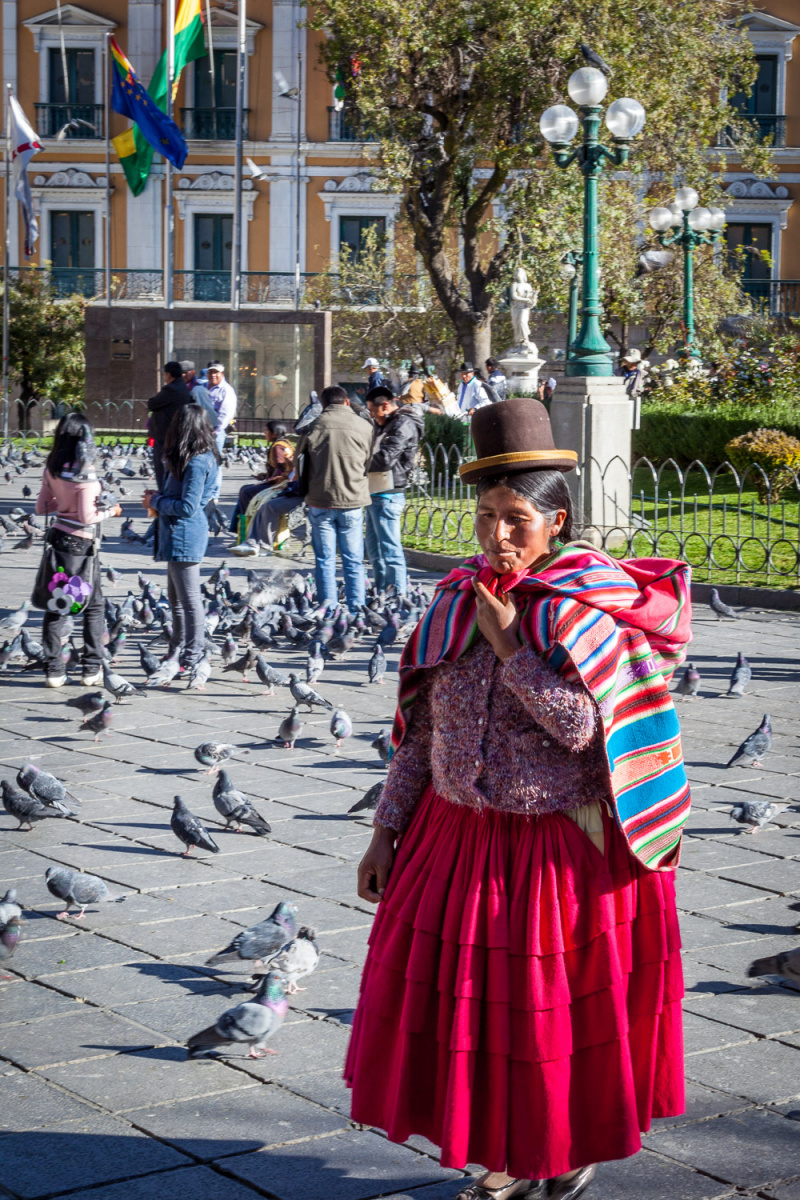
Feed the Pigeons
A lady in traditional dress walks through Plaza Murillo in the central plaza of the city of La Paz and the open space most connected to the political life of Bolivia. Prominent buildings on the plaza include the Presidential Palace, National Congress of Bolivia, and the Cathedral of La Paz.
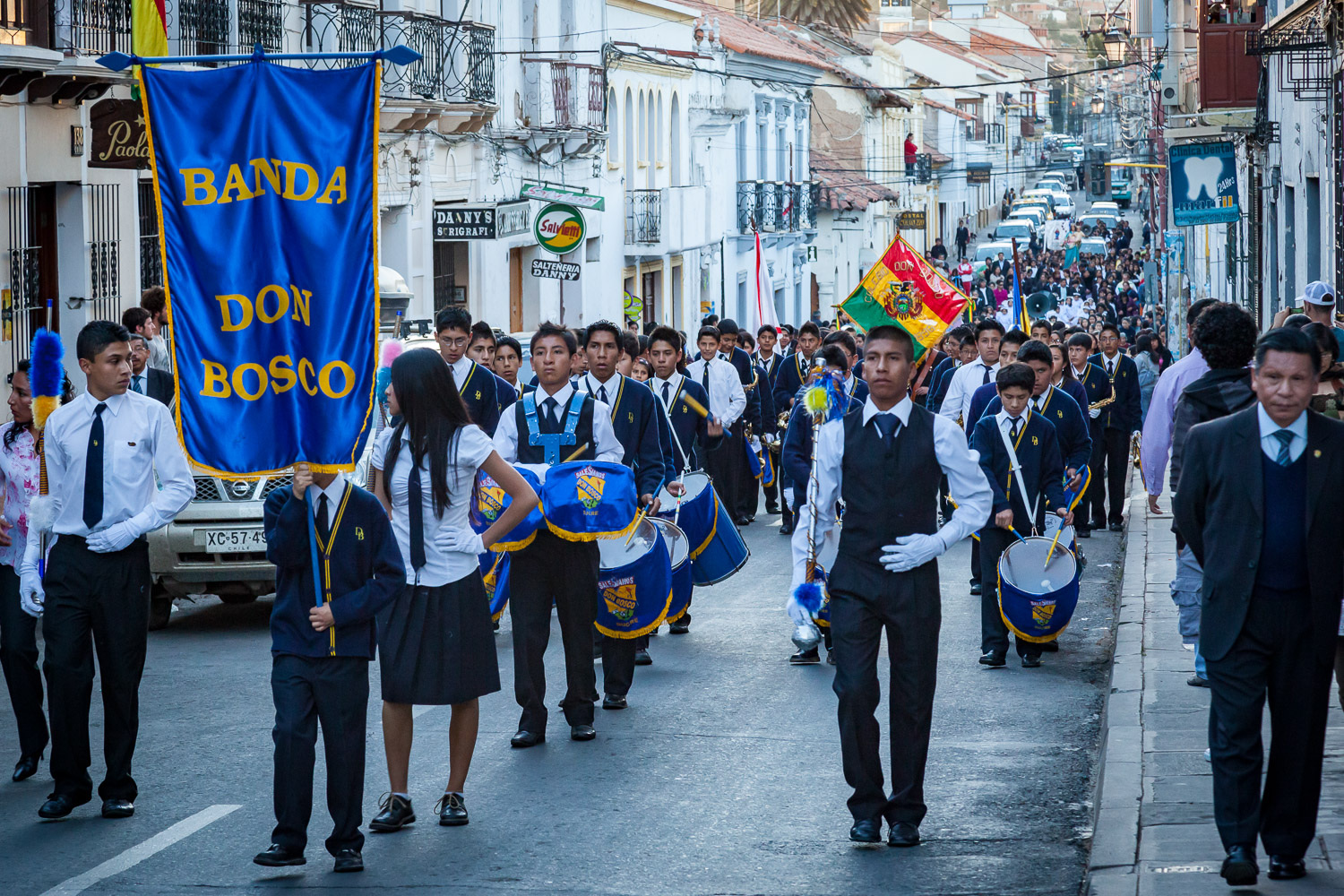
Fiesta de Santa Maria
Just outside where I was staying in Sucre there was a small religious parade by one of the local catholic schools.
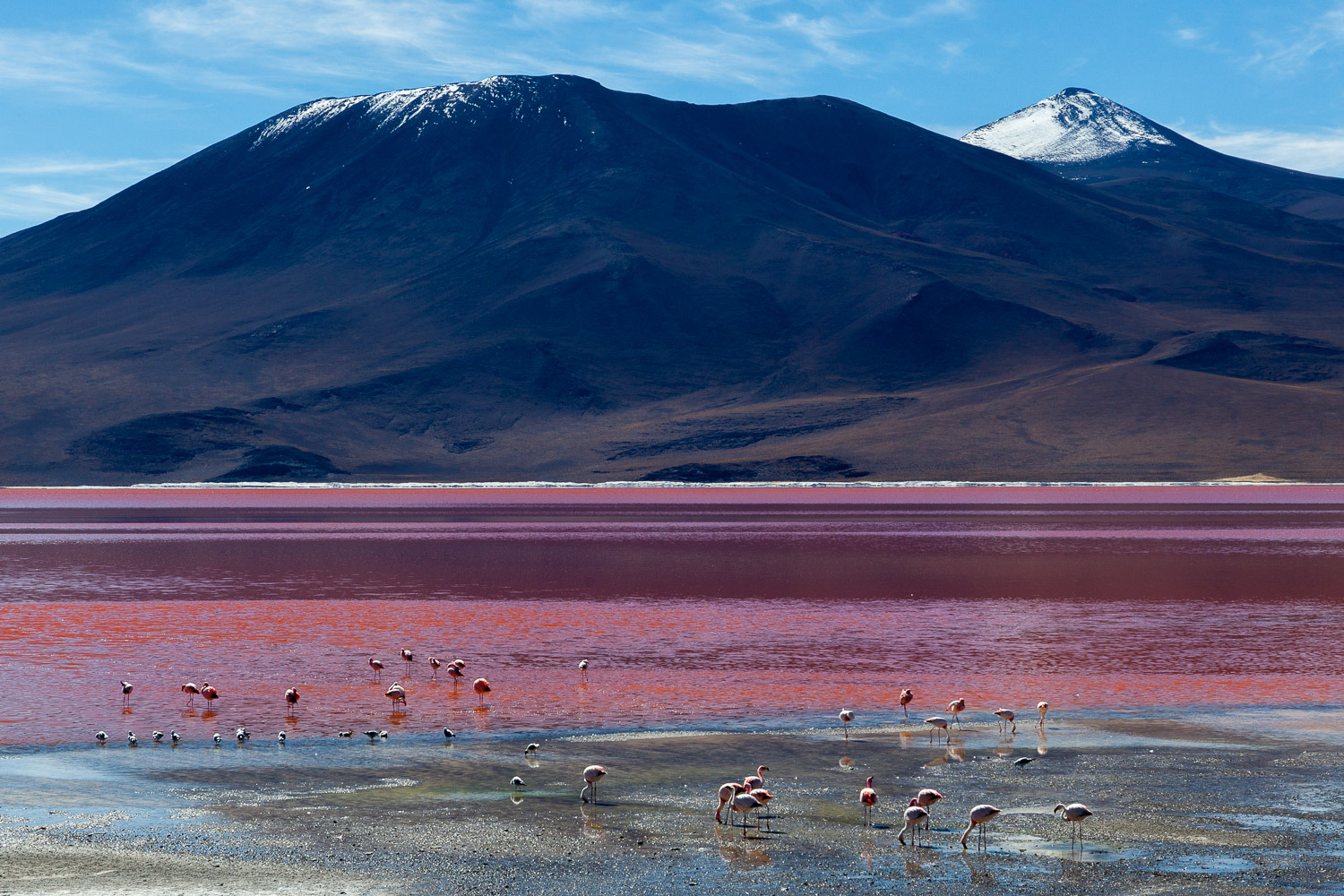
Flamingos at Laguna Colorada
Rare James Flamingos feed on the shores of Laguna Colorada. The lake gets its unusual blood red colour from minerals and algae in the water.
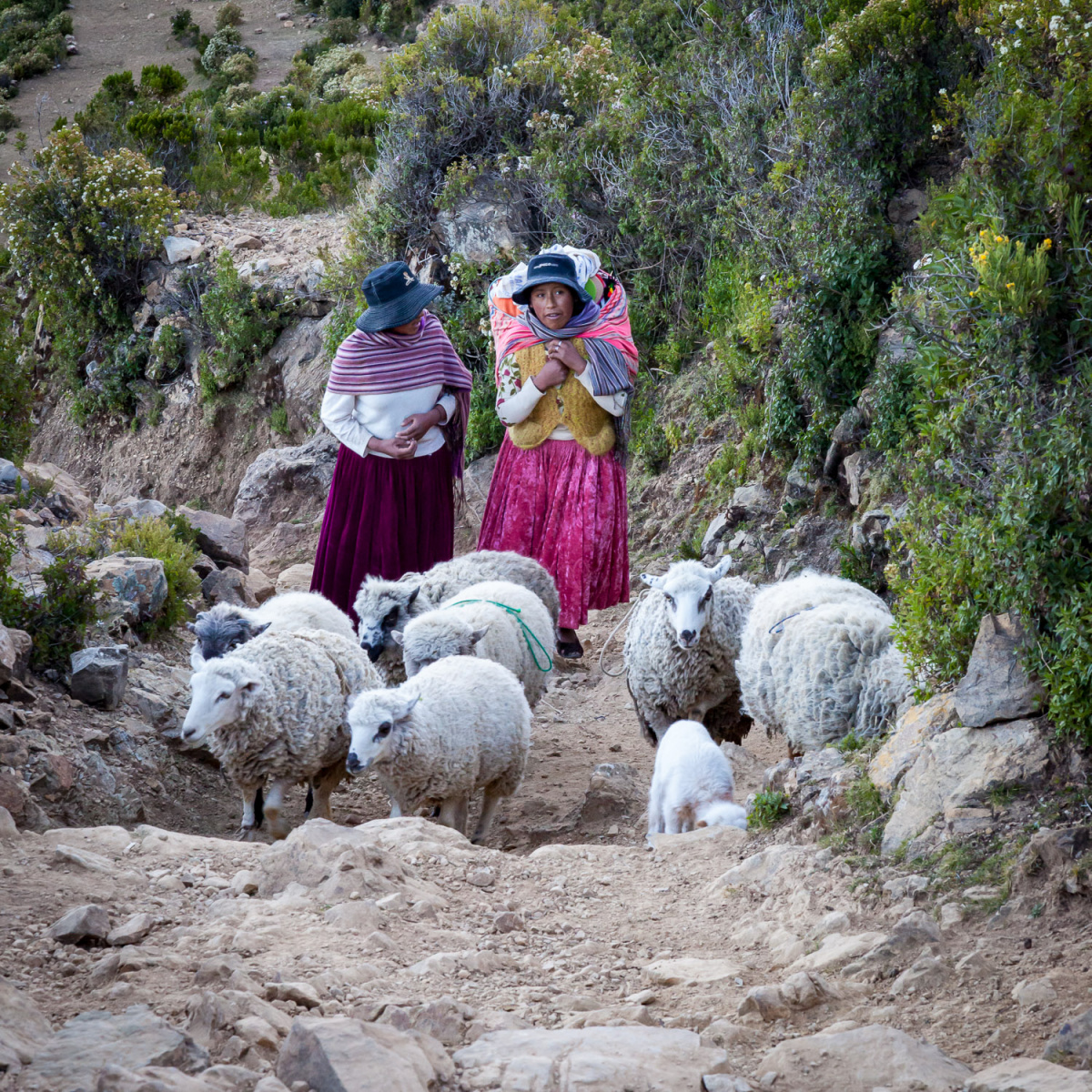
Herding the Sheep
A couple of young women herd their flock of sheep home at the end of the day.
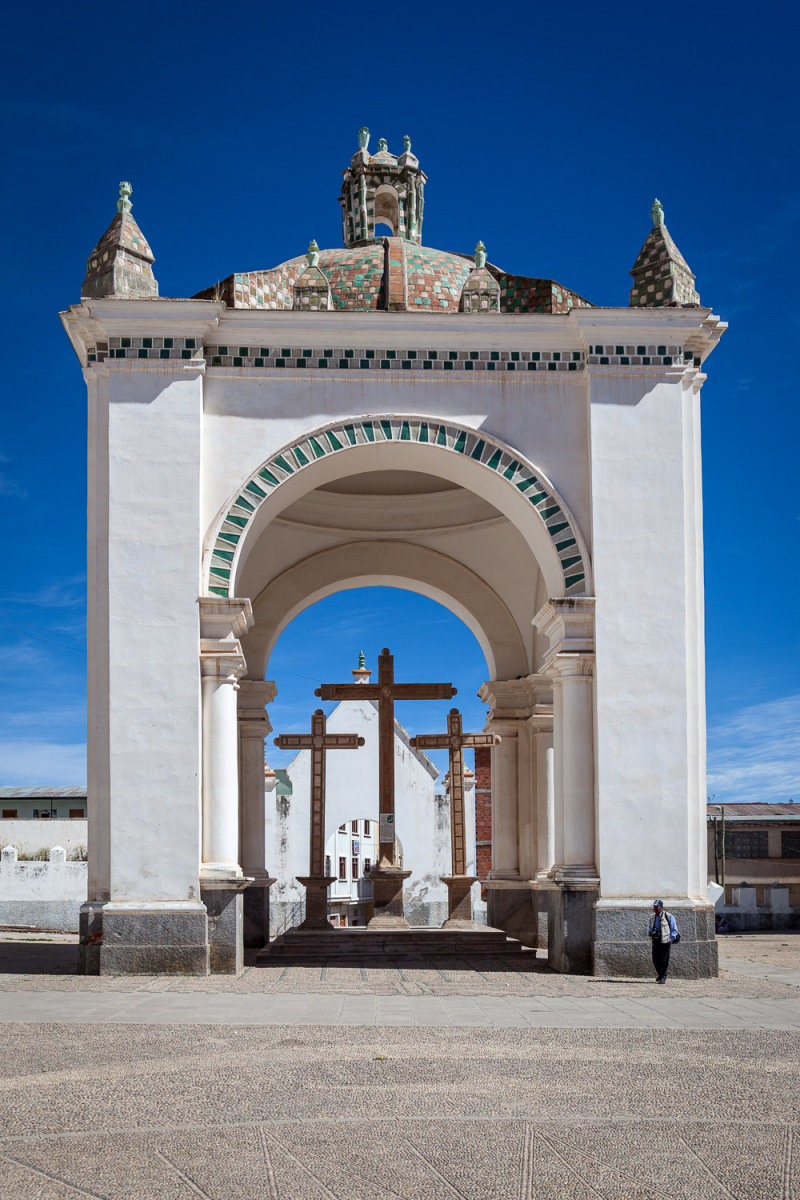
Holy Crosses
Part of the Basilica de Virgen de la Candelaria