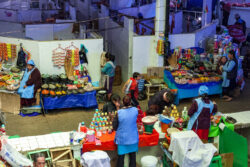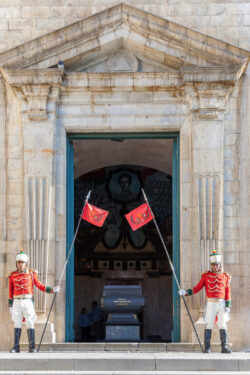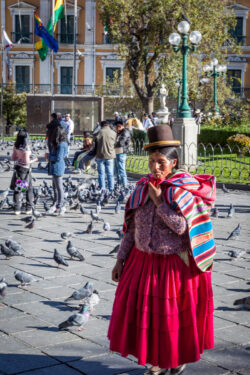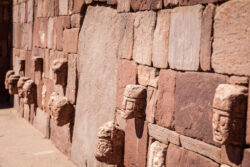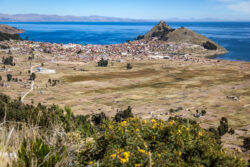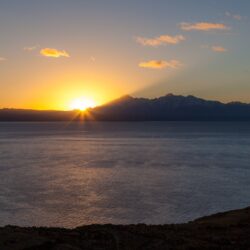
A country of statistical extremes, landlocked Bolivia is the highest and most isolated country in South America. It has the largest proportion of indigenous people, who make up around two-thirds of the population and though rich in mineral and energy resources, is one of South America’s poorest countries.
That said its stunningly beautiful and probably one of the less touristy places to visit in the region.
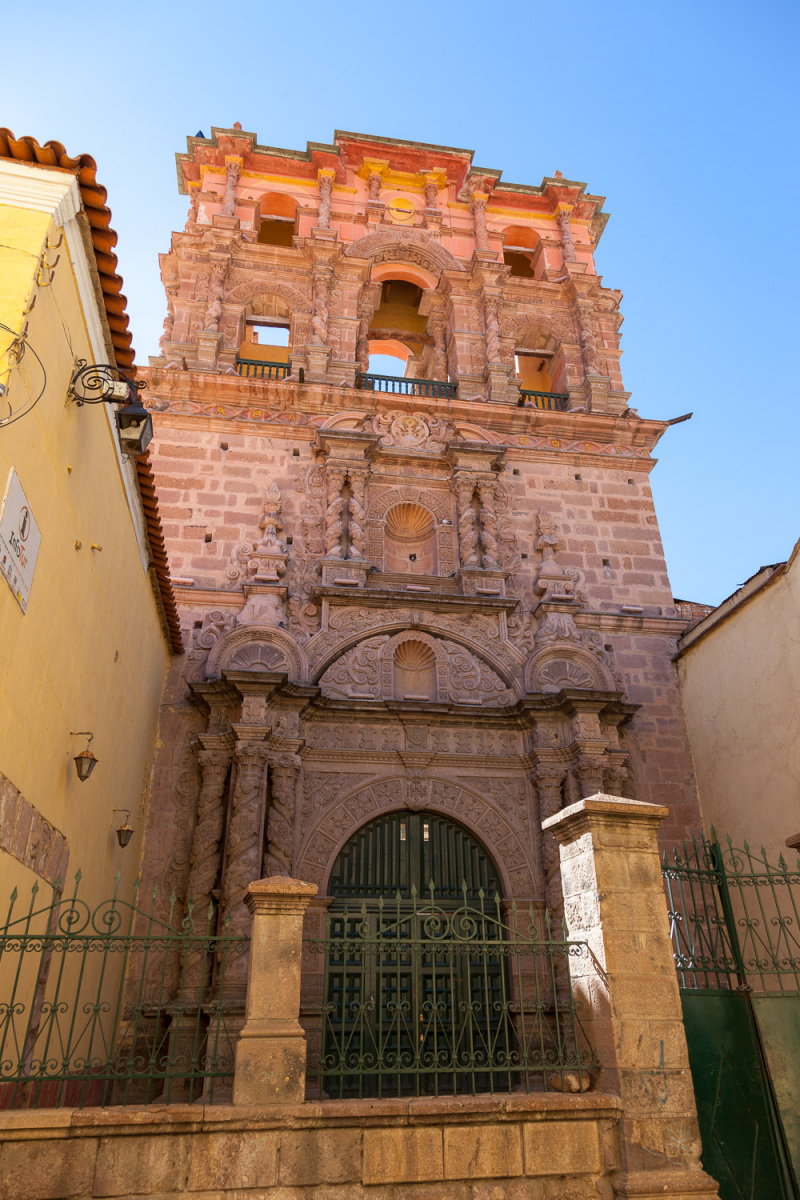
An old bell-tower in the centre of Potosi
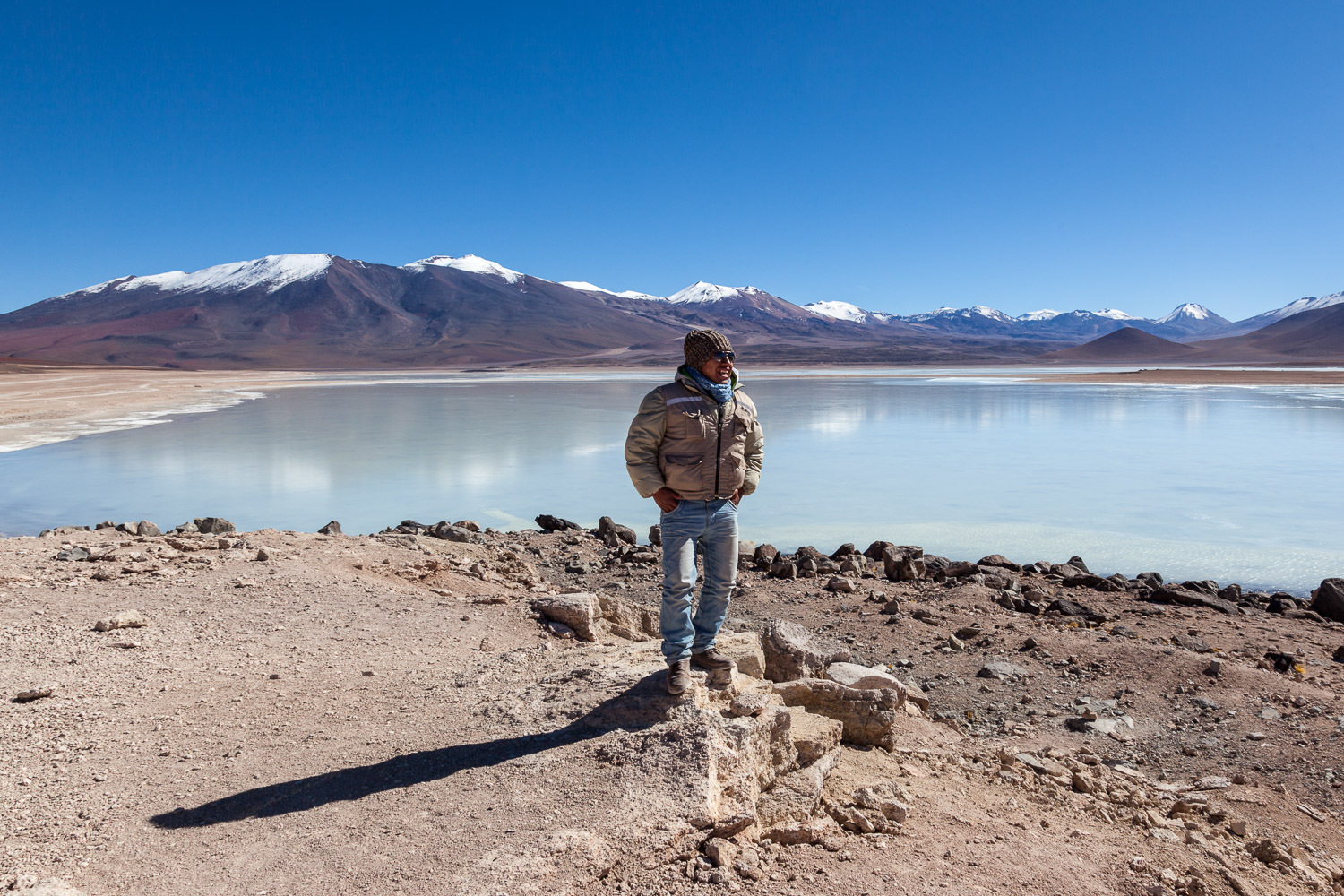
Just past where we crossed the border from Chile into Bolivia is the Eduardo Avaroa National Reserve. The lake sits at about 4,200m.
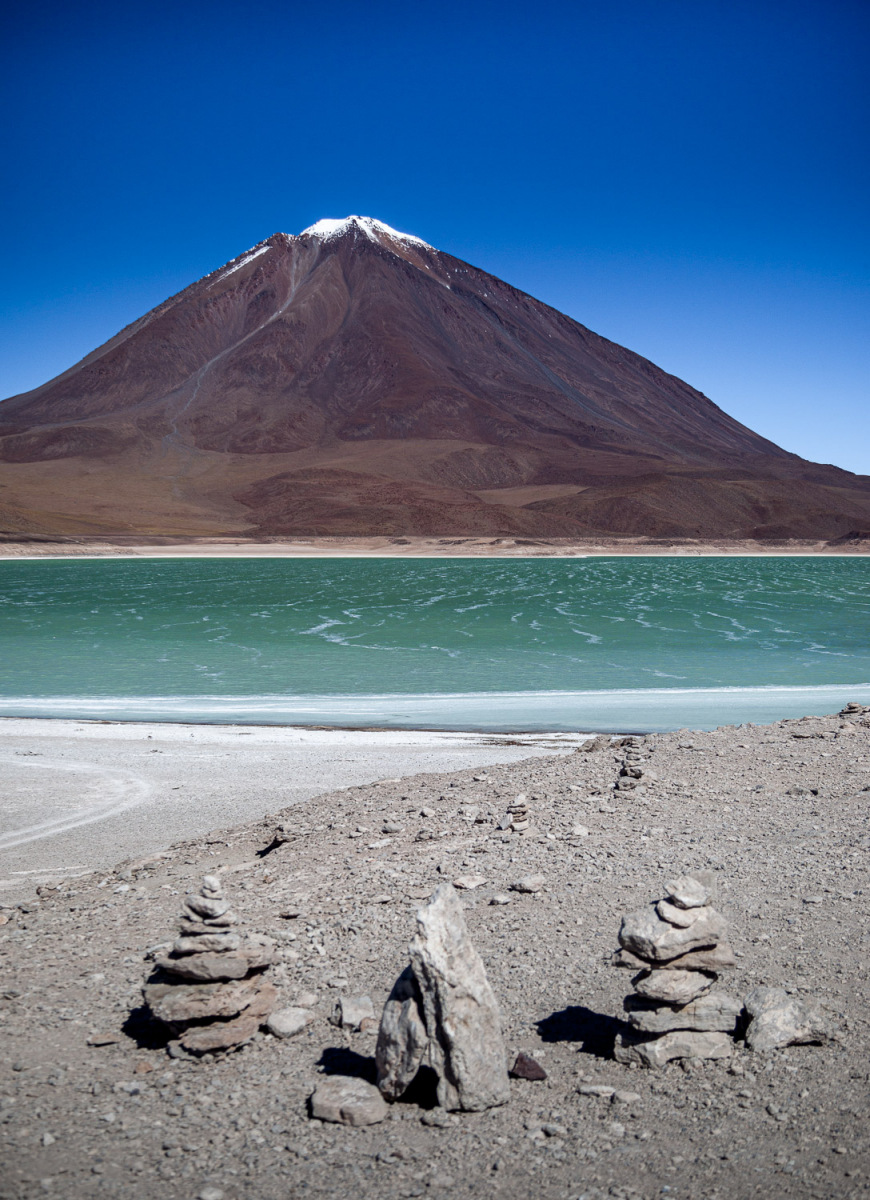
Another lake within the Eduardo Avaroa National Reserve. Sitting in the background is the volcano Licancabur.
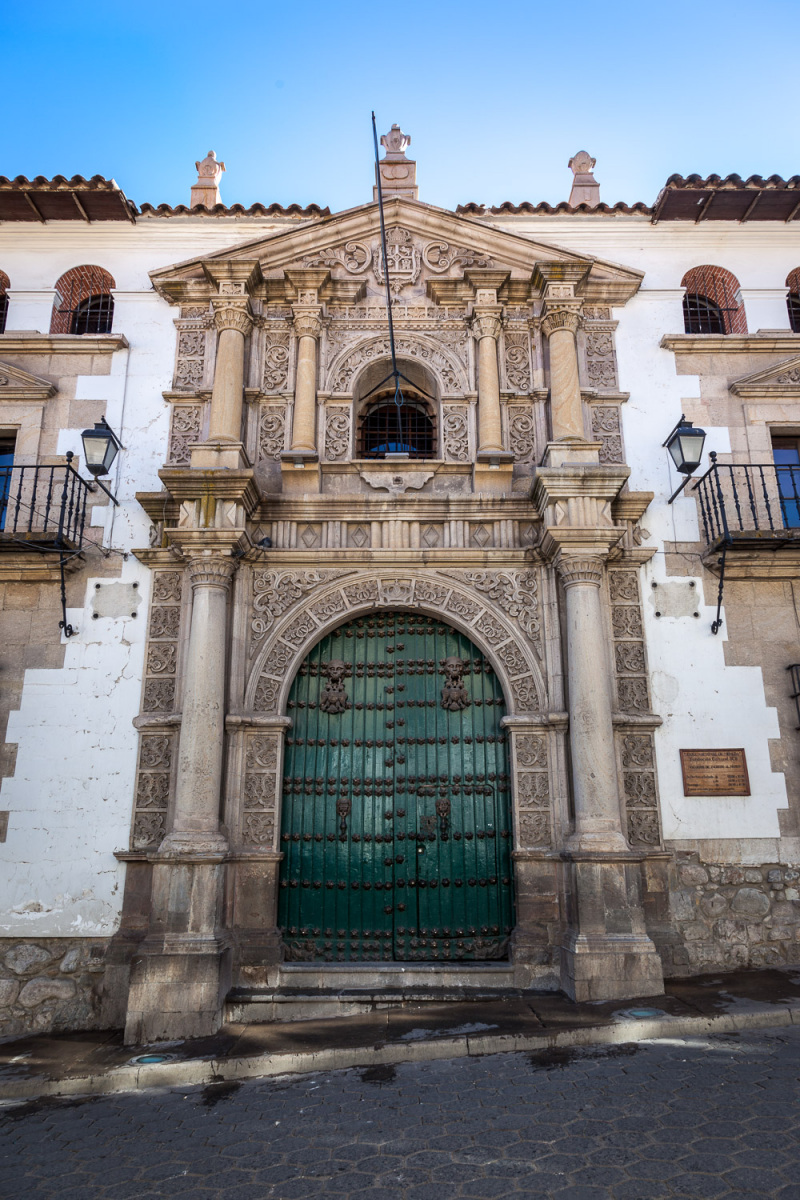
Potosi used to be very important due to its rich silver mines and much of the currency used to be produced in this building.
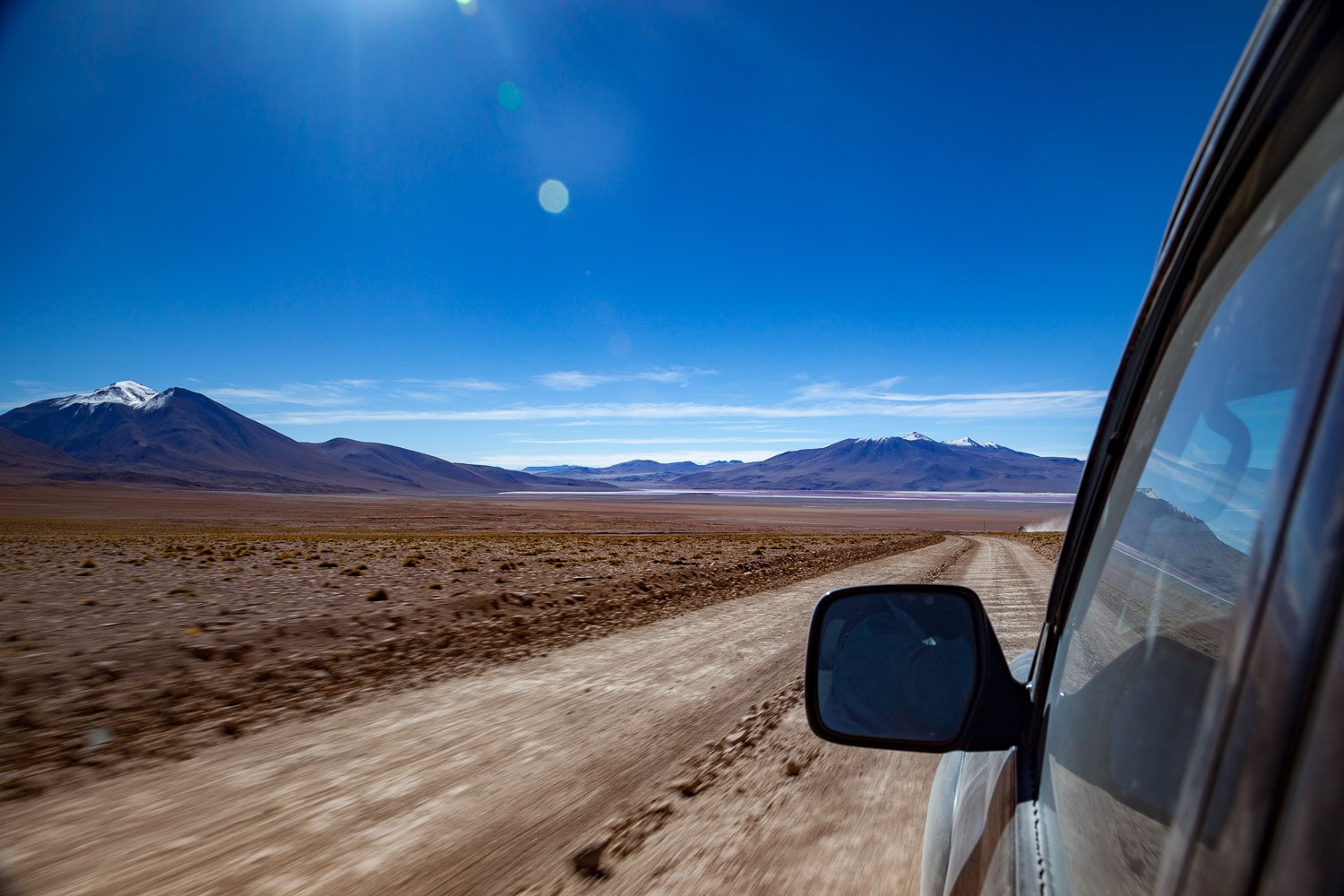
The roads for much of our travels through Bolivia were little more than compacted earth. The Atacama Desert is pretty barren broken only by the stunning mountain ranges and volcanoes.
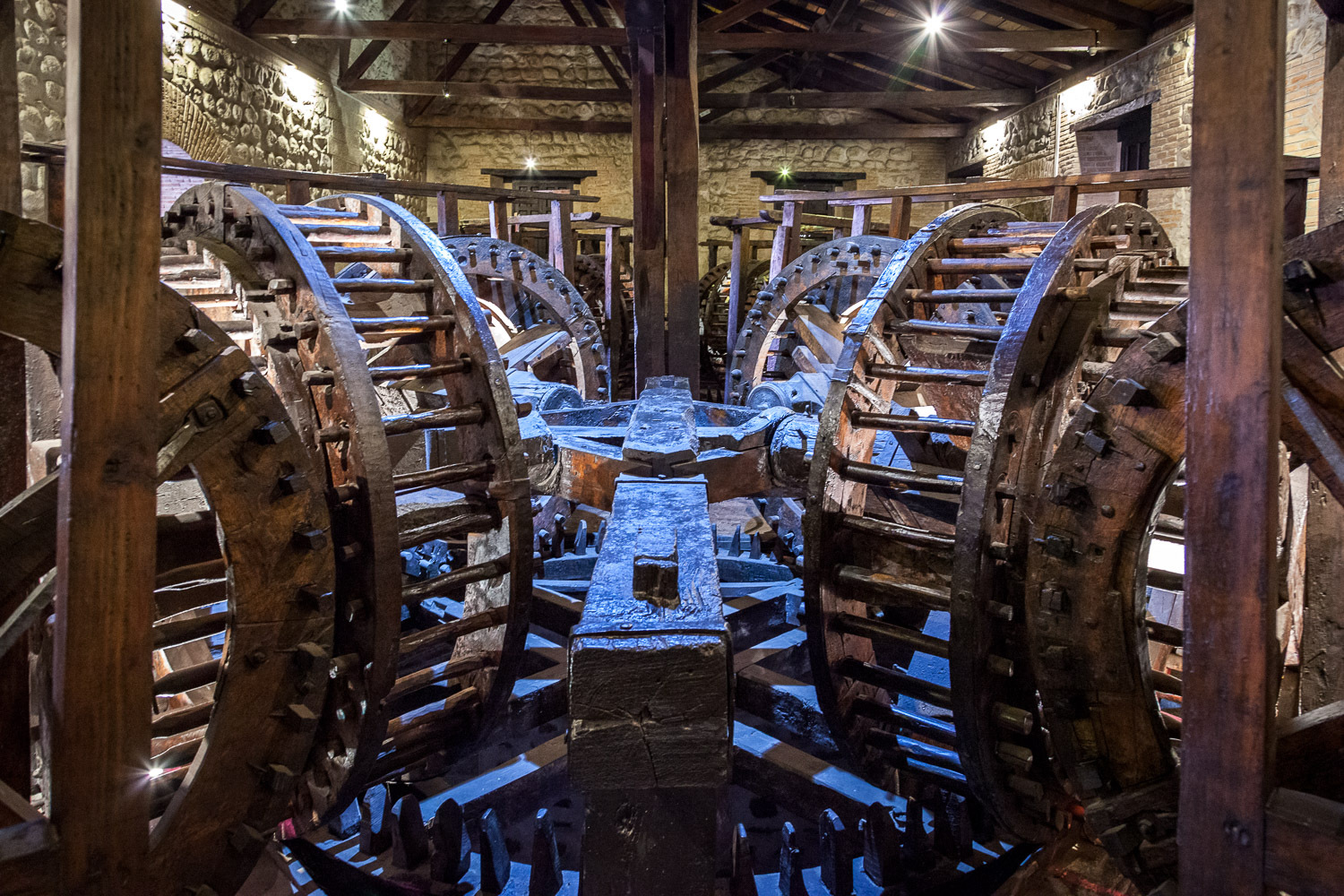
The silver ingots needed to be rolled flat before the coins were stamped out. This machinery, driven by mules tethered on the floor below, drove the heavy rollers to flatten the ingots.
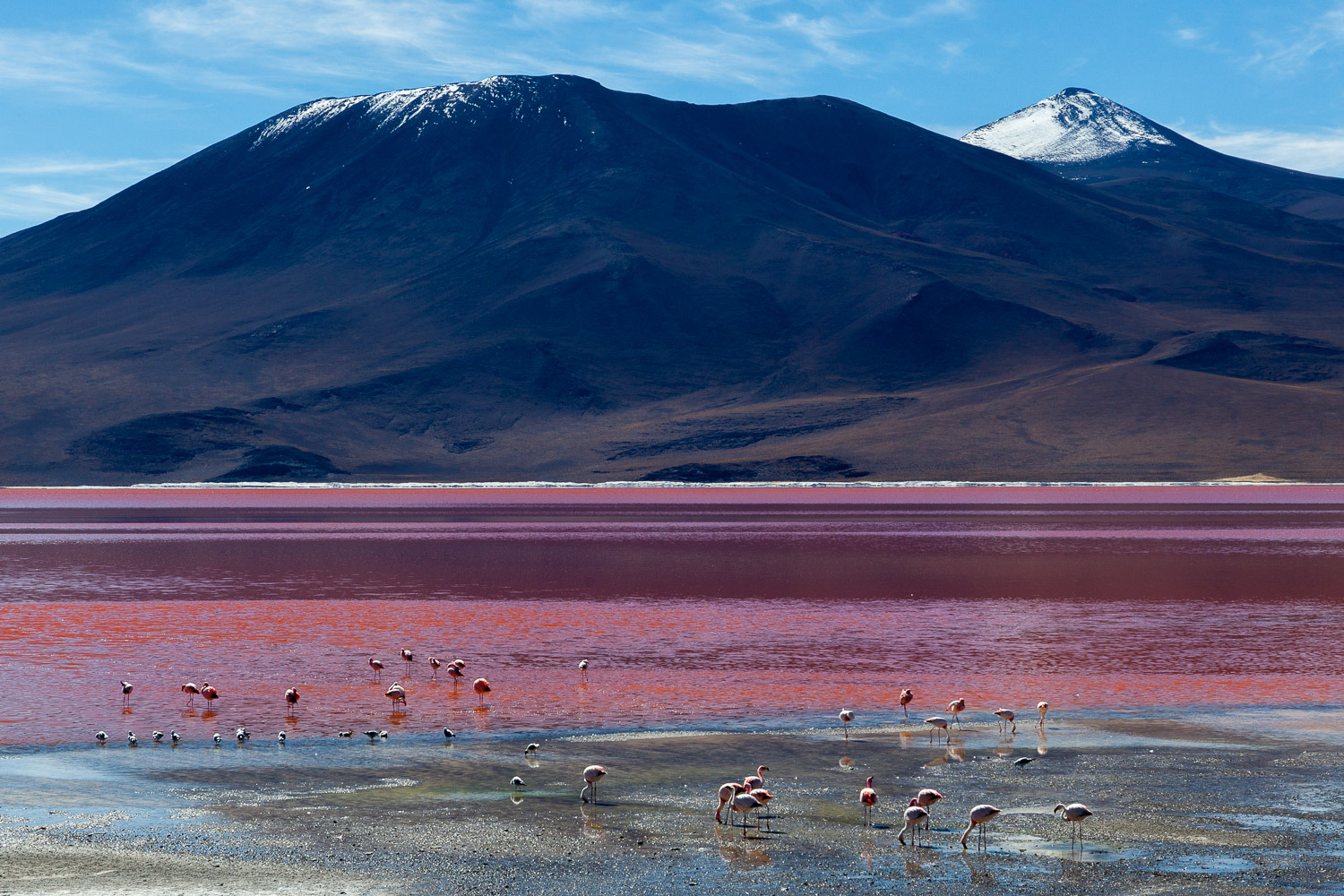
Rare James Flamingos feed on the shores of Laguna Colorada. The lake gets its unusual blood red colour from minerals and algae in the water.
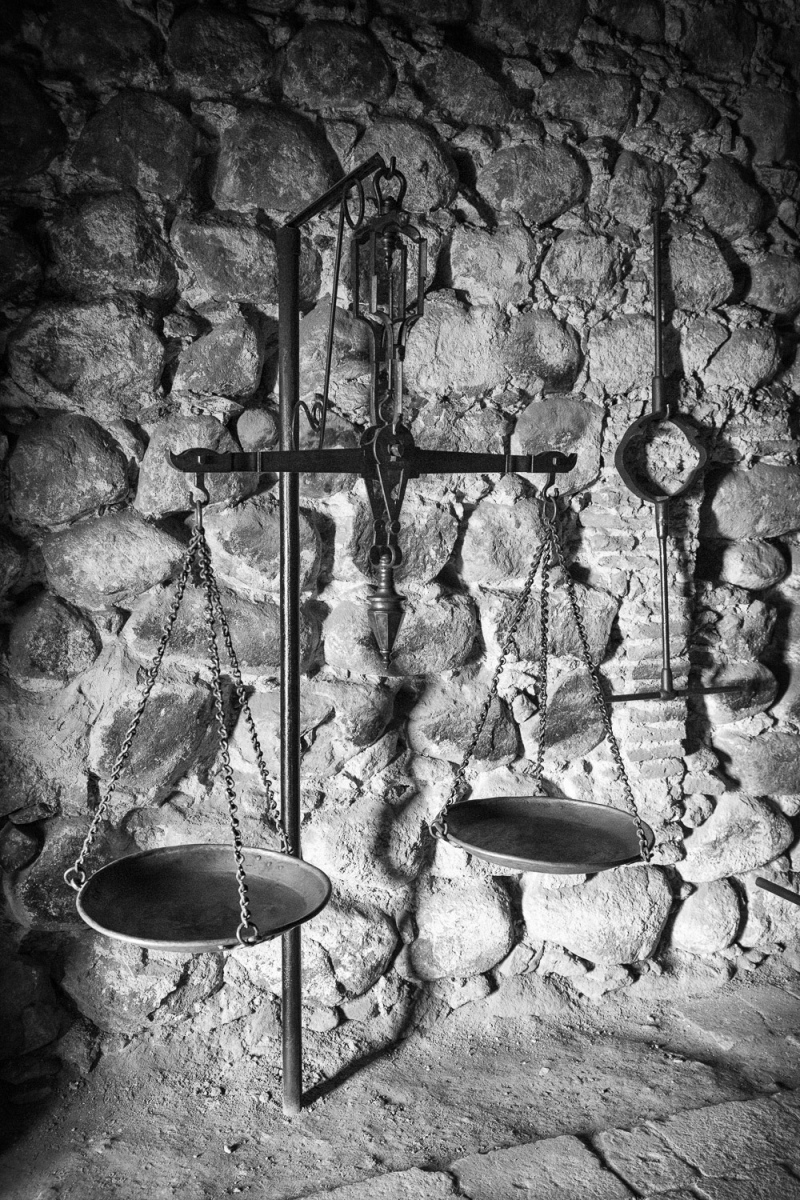
Old scales in the Mint House used to weigh the ore and ingots.
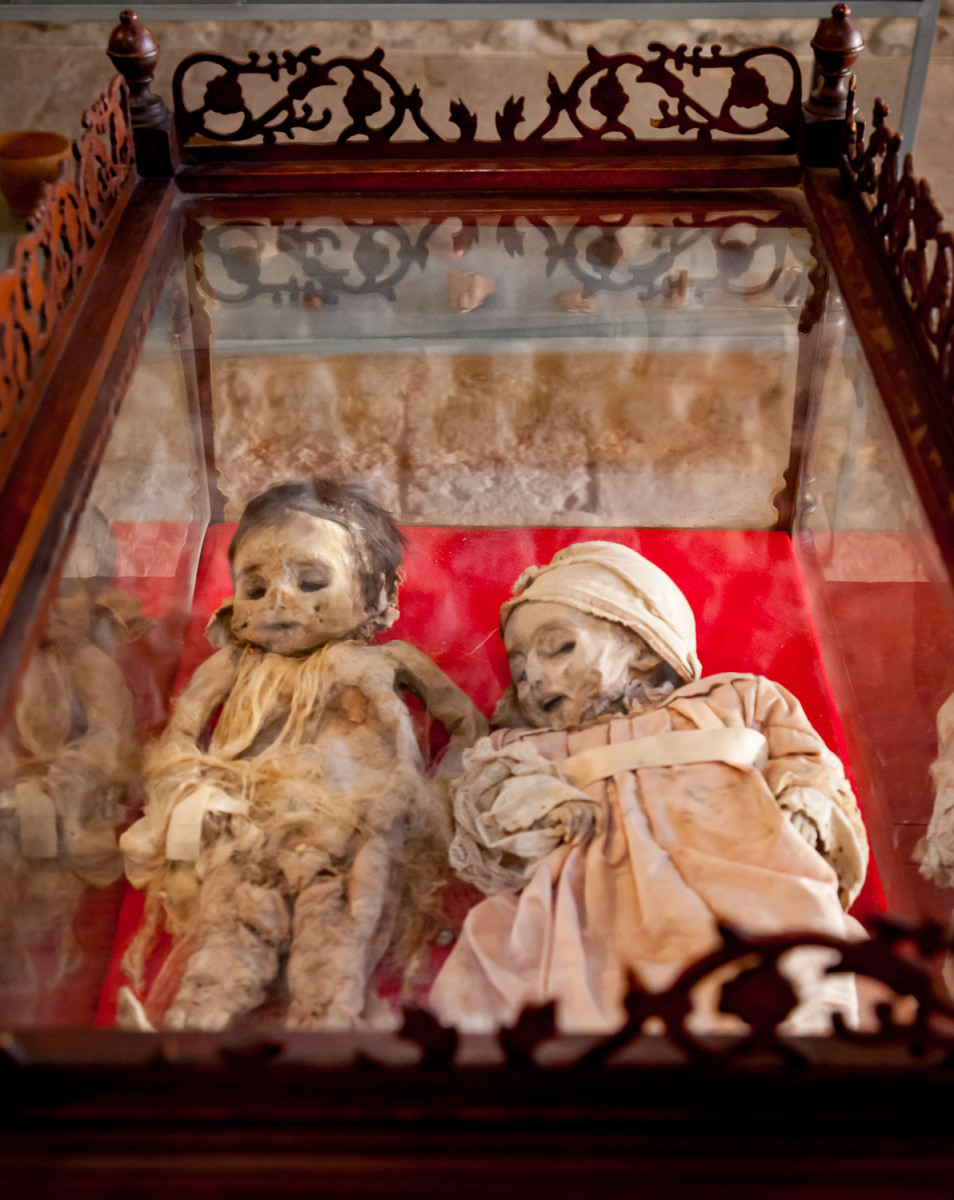
The Mint House today is a museum and as well as showing how currency used to be produced also includes displays on the archaeology of the area. Because of the extremely low humidity natural mummification occured as is the case with these two small children.
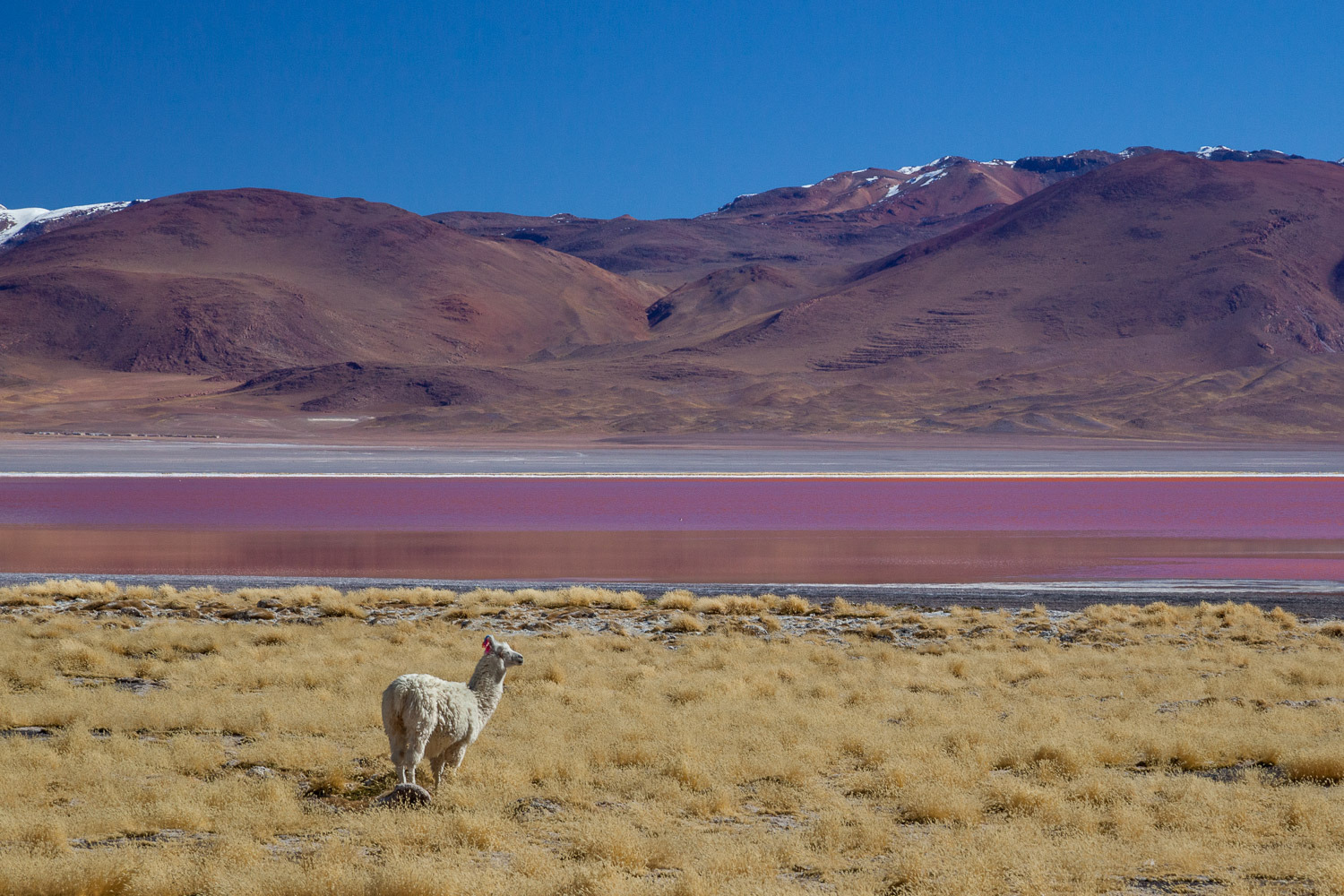
A lone Llama feeds on the shores of Laguna Colorada. The lake gets its unusual blood red colour from minerals and algae in the water.
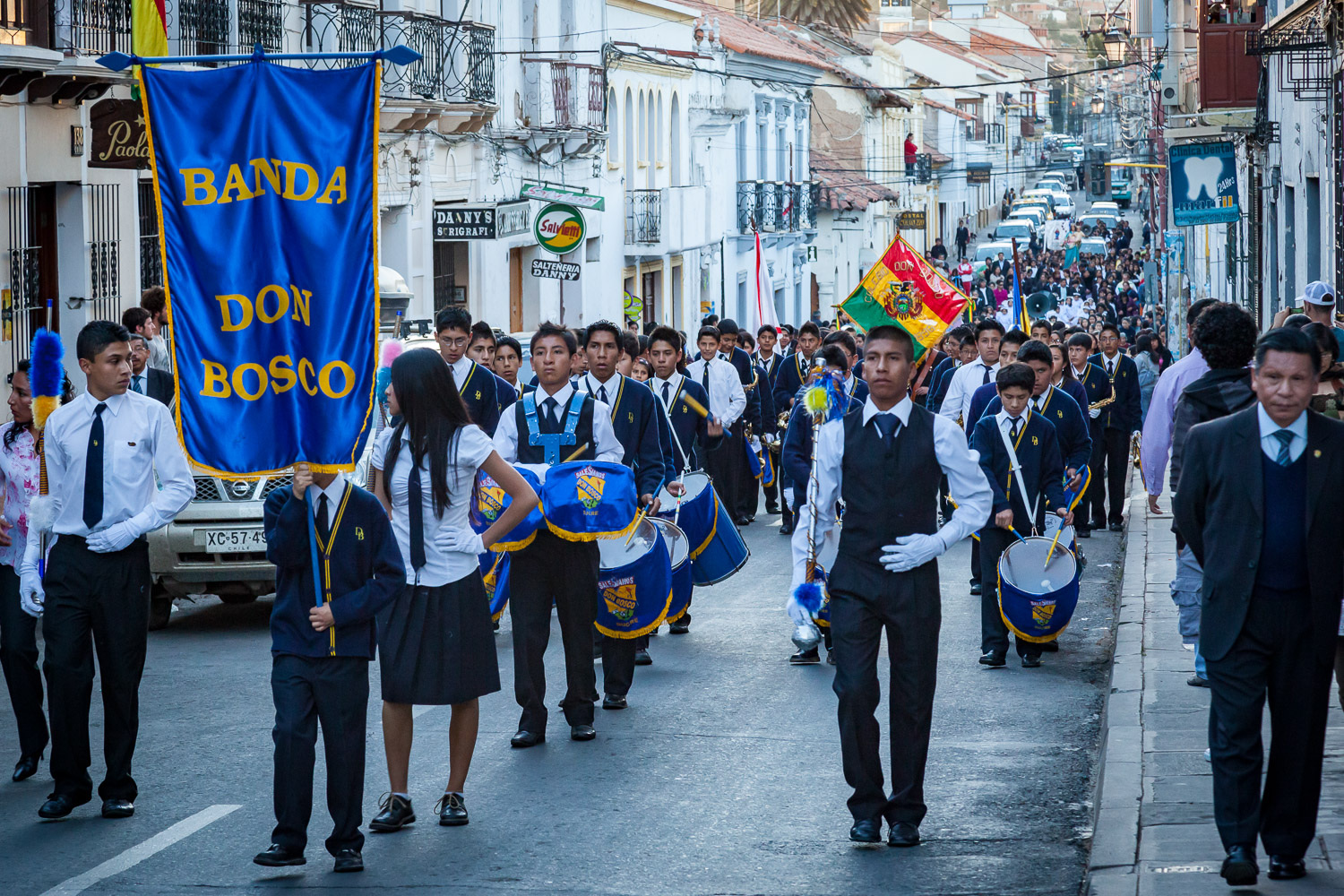
Just outside where I was staying in Sucre there was a small religious parade by one of the local catholic schools.
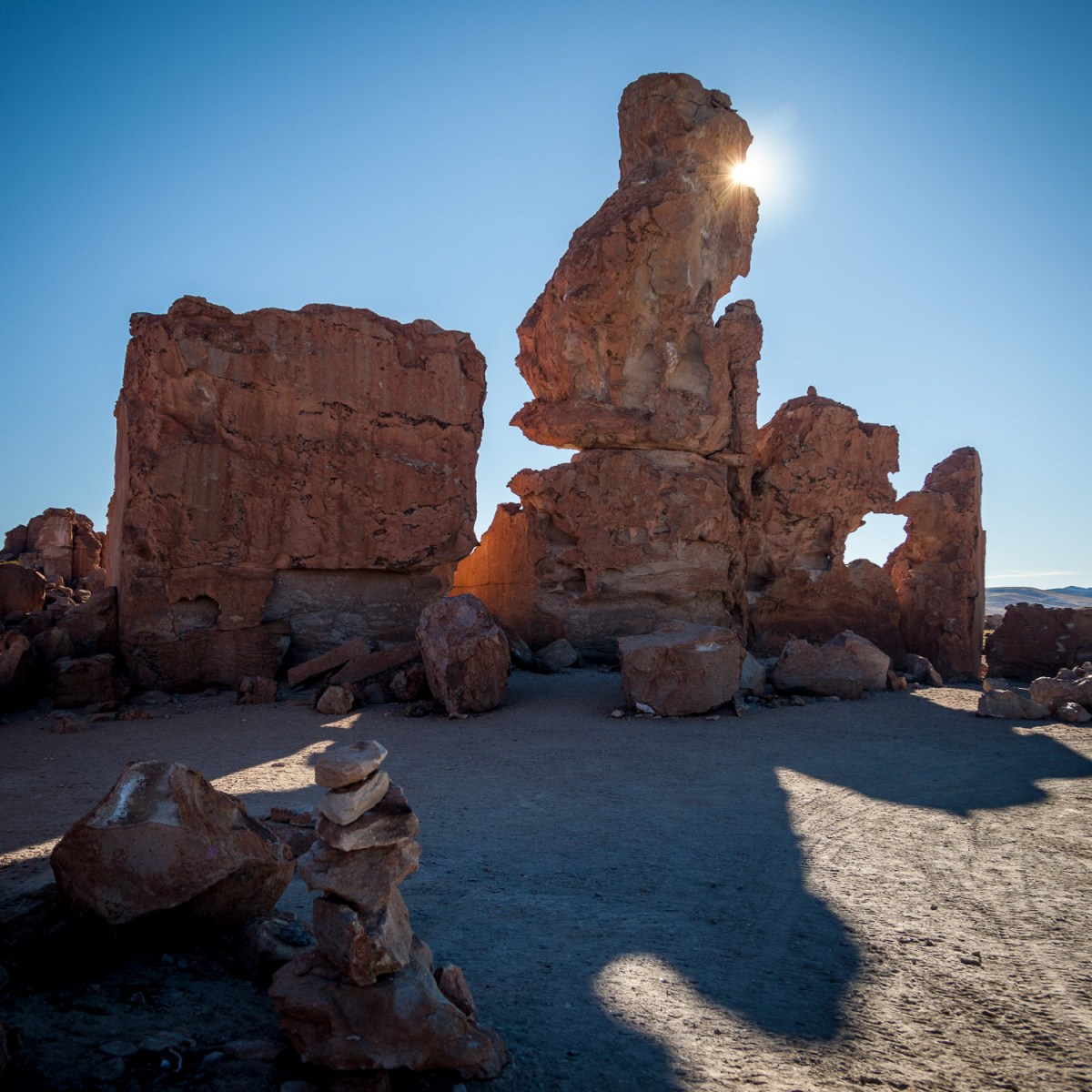
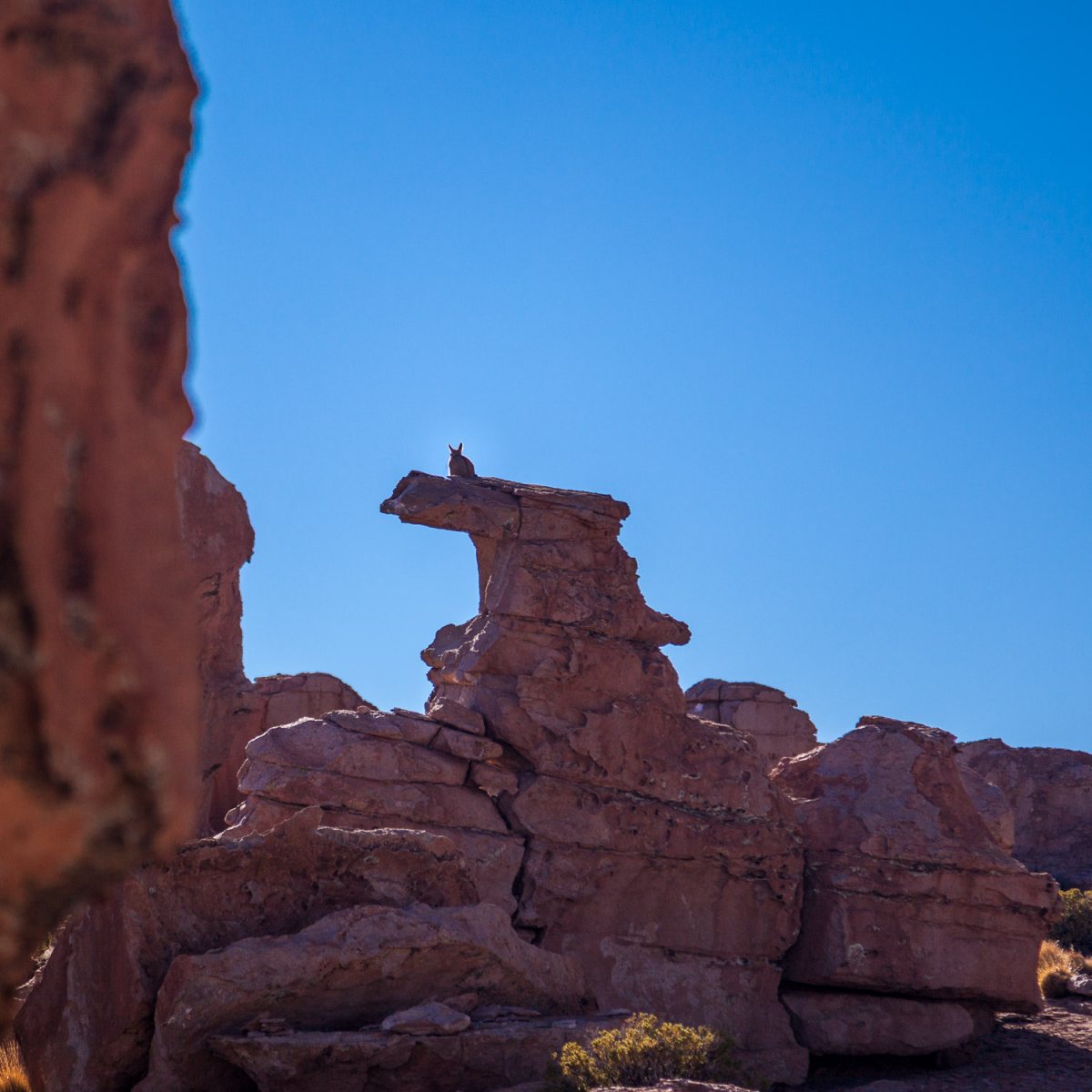
A chinchilla basks in the early morning sun on top of one of the rock formations.
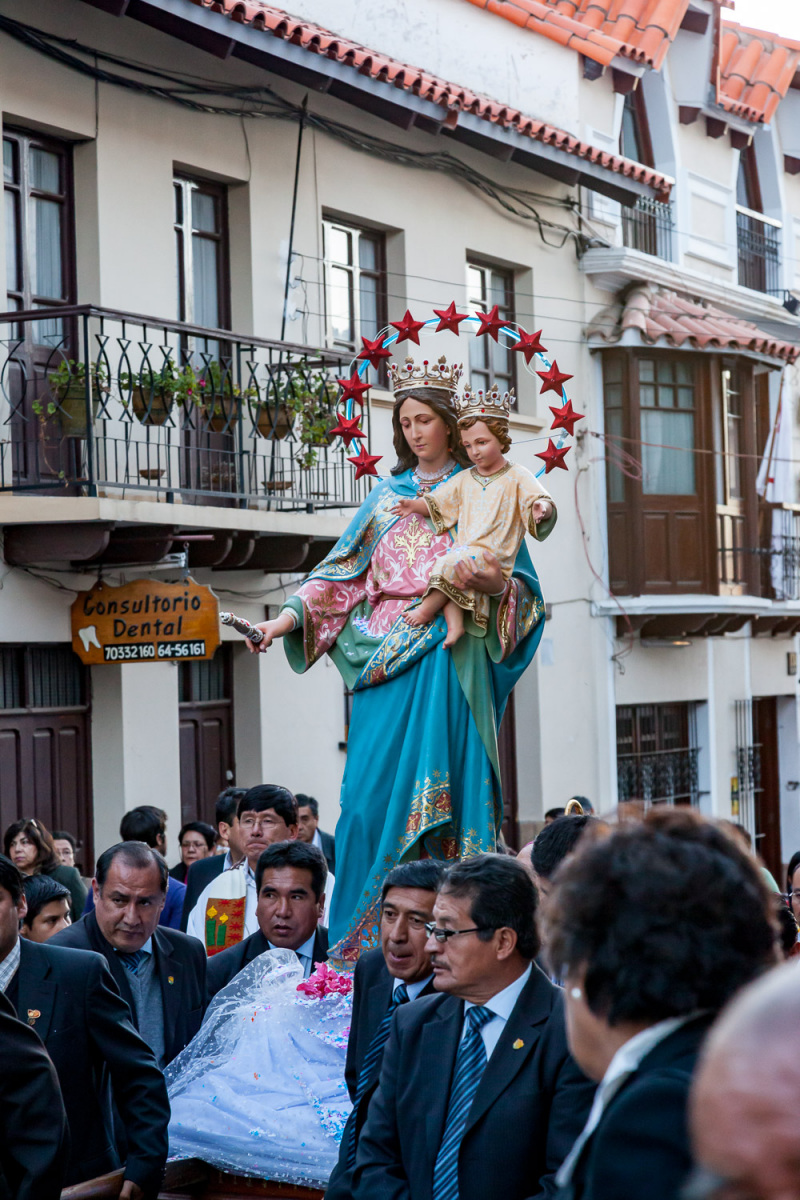
At the back of the Fiesta de Santa Maria parade some men carry an icon of the Madonna.
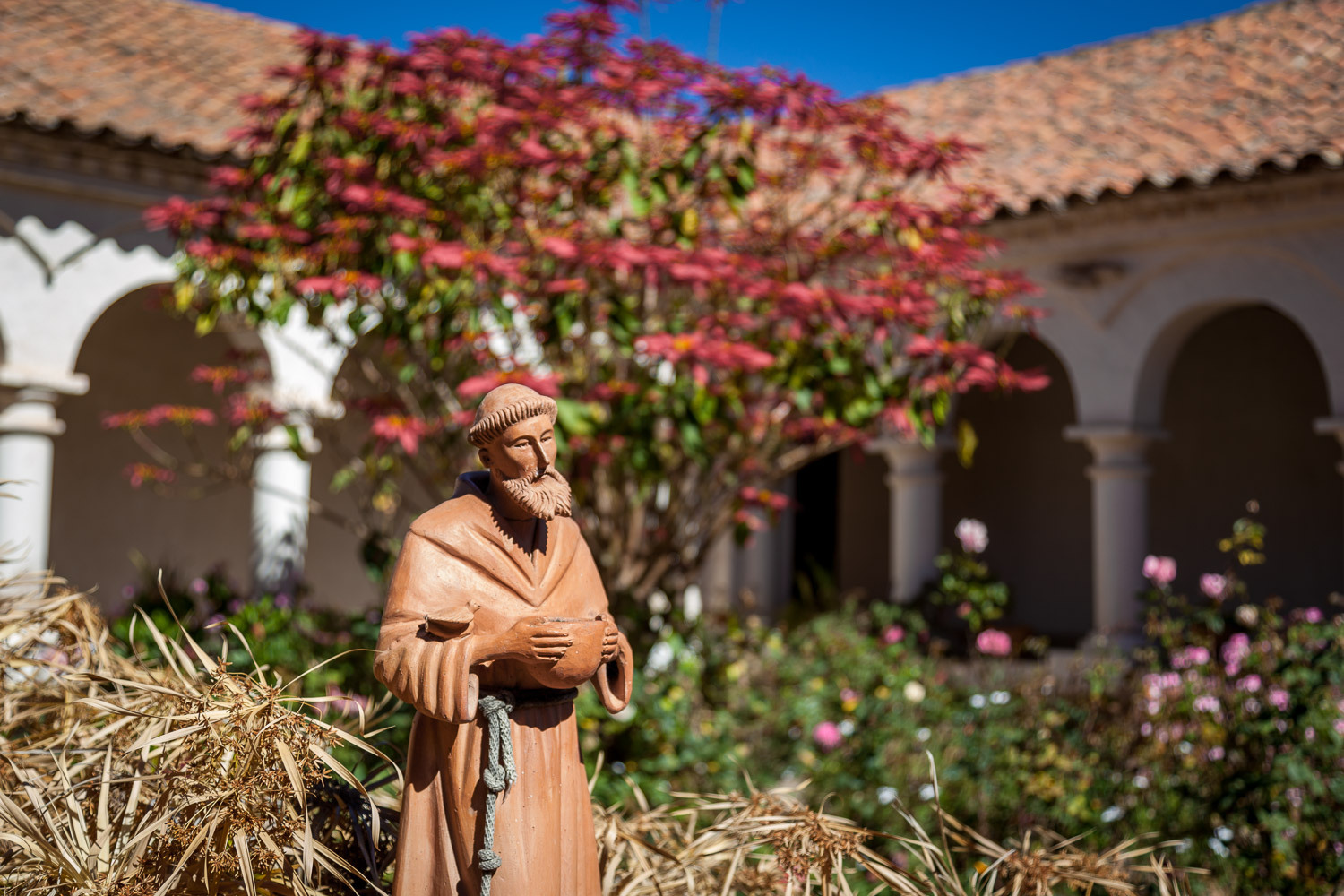
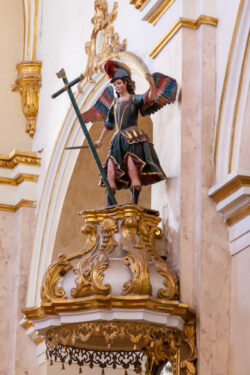
A small statue in the monastery overlooking Sucre.
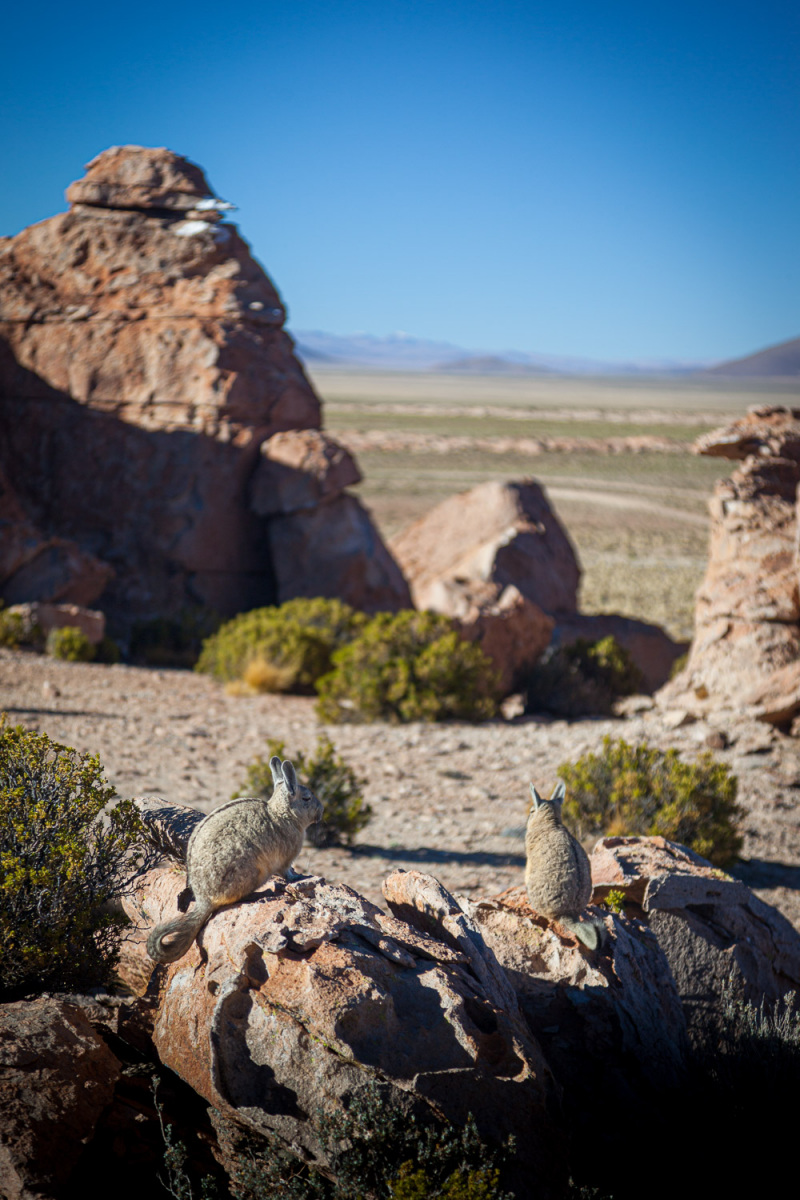
A couple of Chinchillas I caught basking in the early morning sun!
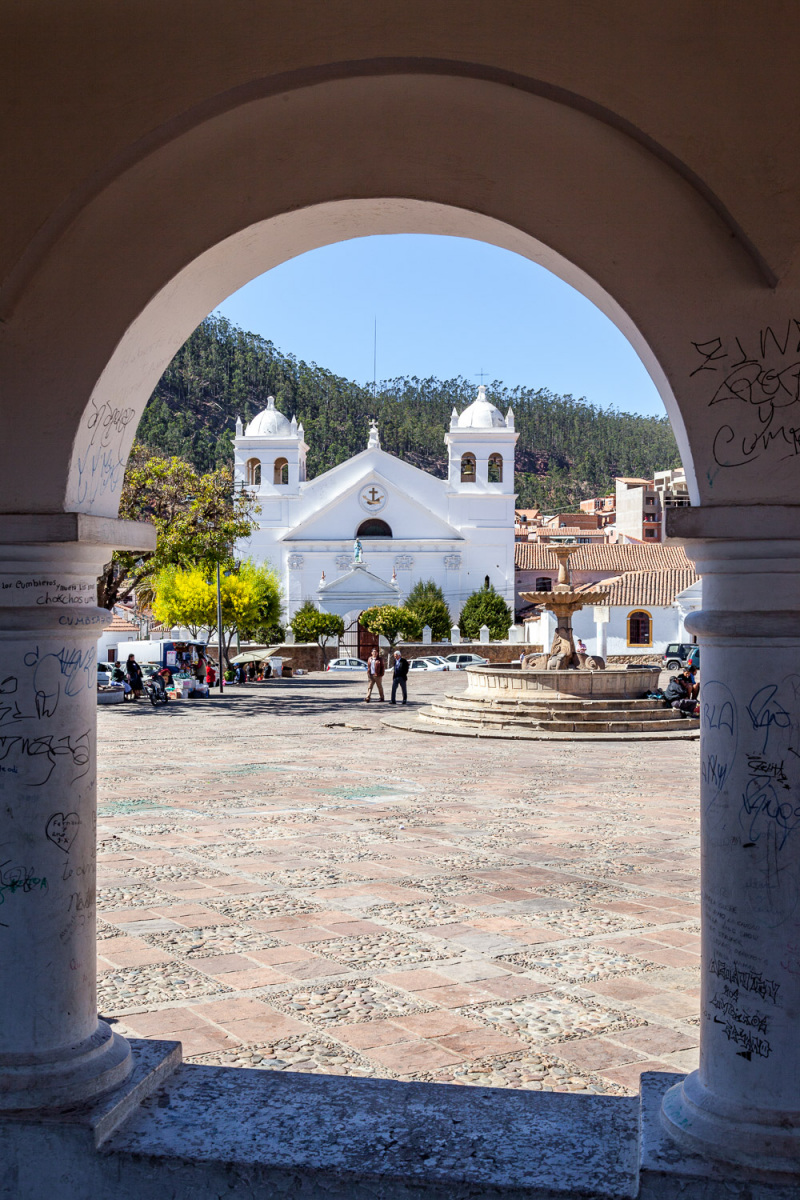
The church and monastery on the hill above Sucre.
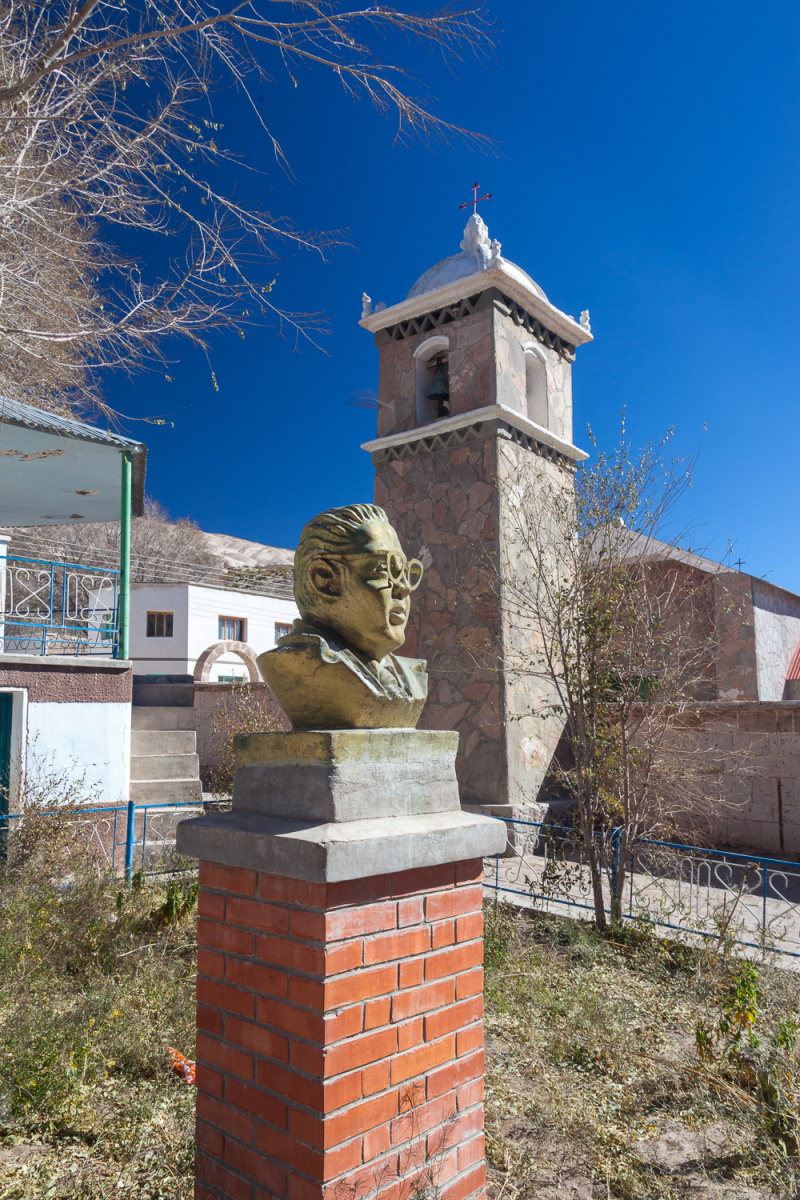
In a tiny village we stopped in briefly to stretch our legs I spotted this statue. You don't often see statues with glasses added and it looked quite funny.
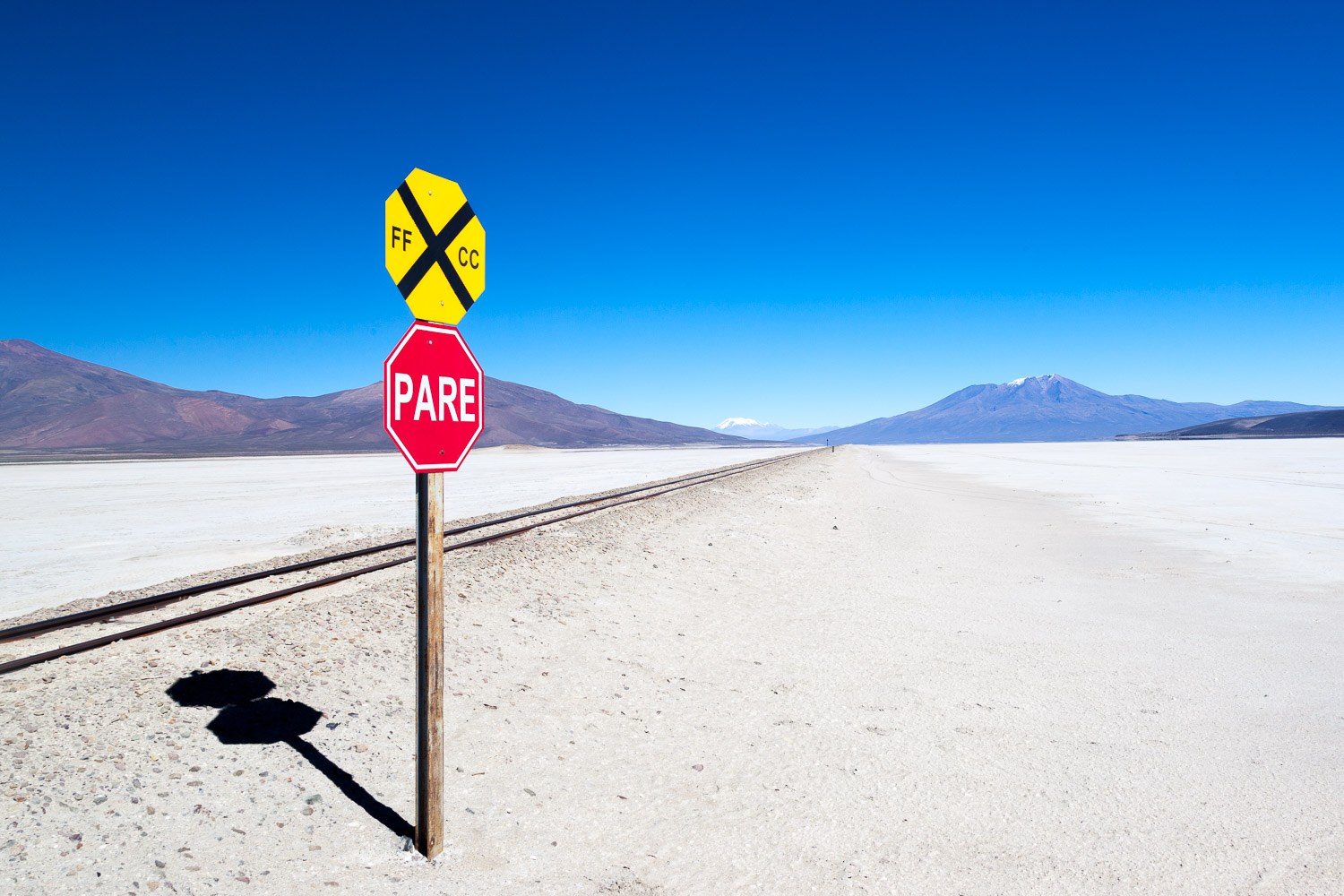
A sign warning people about to cross a lone railway line through part of the salt flats.
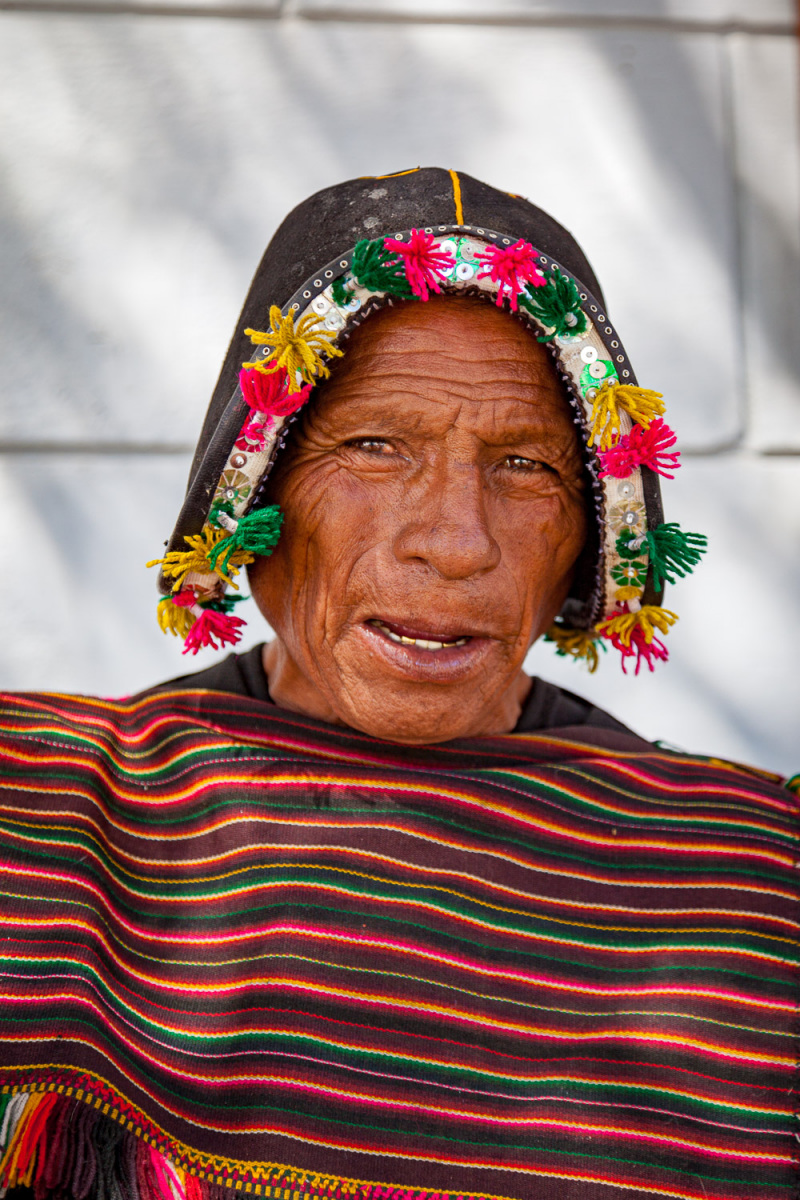
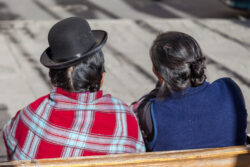
A local man in Sucre wears the traditional dress