
Most visitors to Turkey stay in the West, visiting Istanbul, Ismir, the South-West on the Mediterranean coast around Antalya or sometimes exploring Cappadocia. Very few people explore further East.
But with amazing palaces, bustling bazaars, archaeological sites that have rewritten the book on human settlement and stunning views of Mount Ararat or from the top of Nemrut Dagi there’s lots to see.
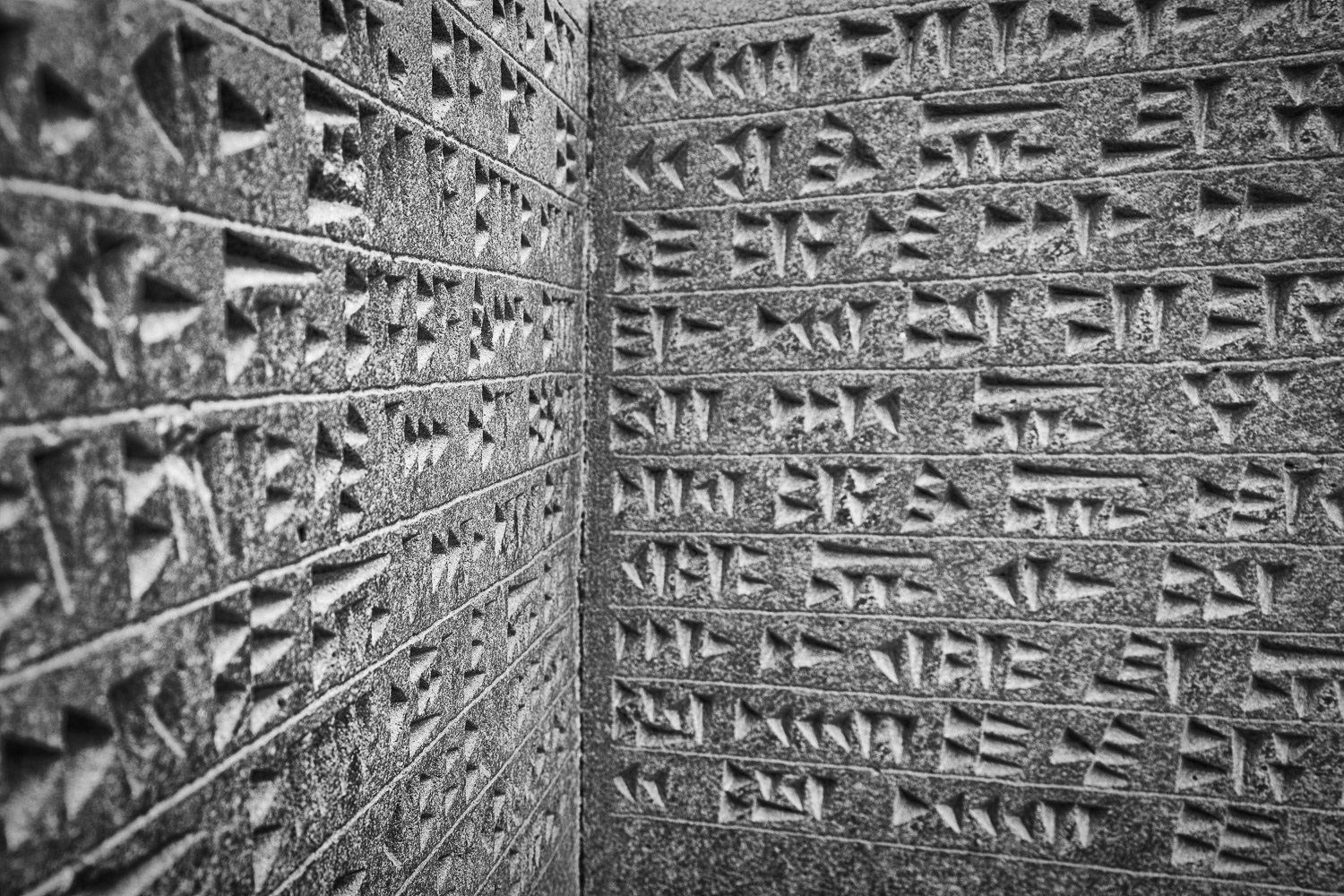
A closer look at the ancient writing.
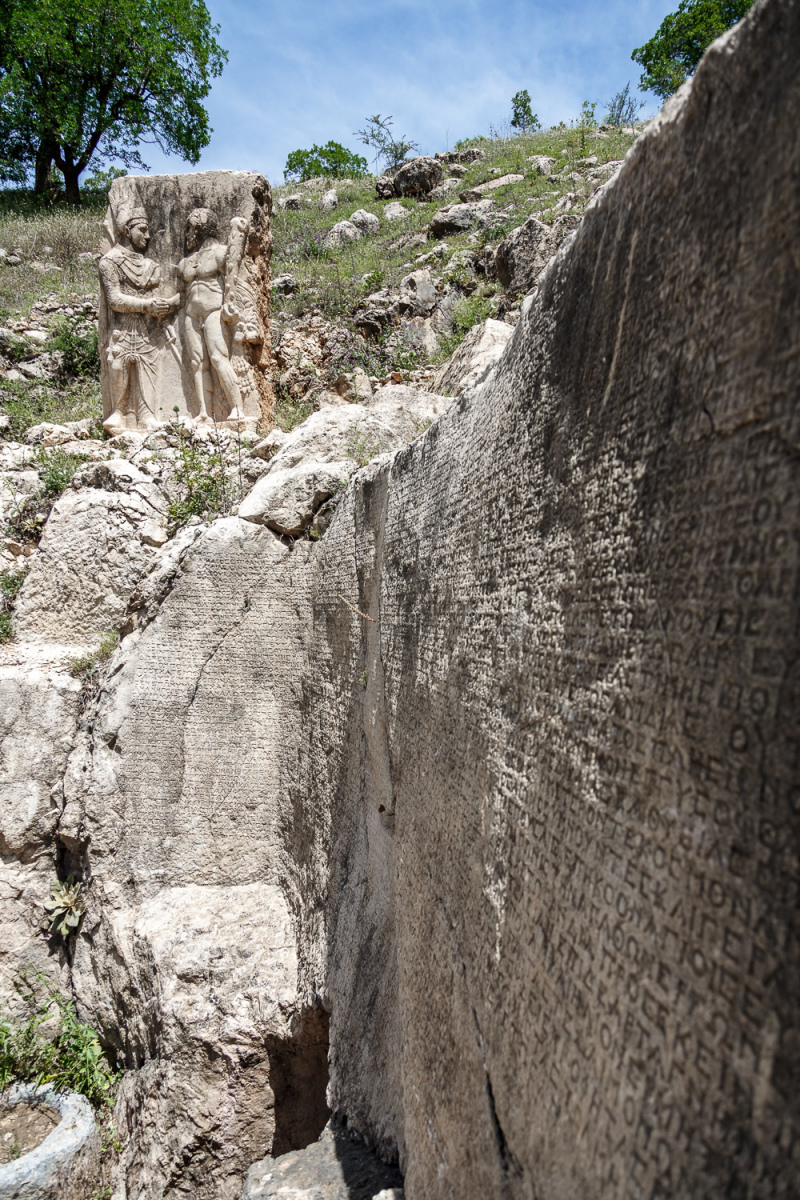
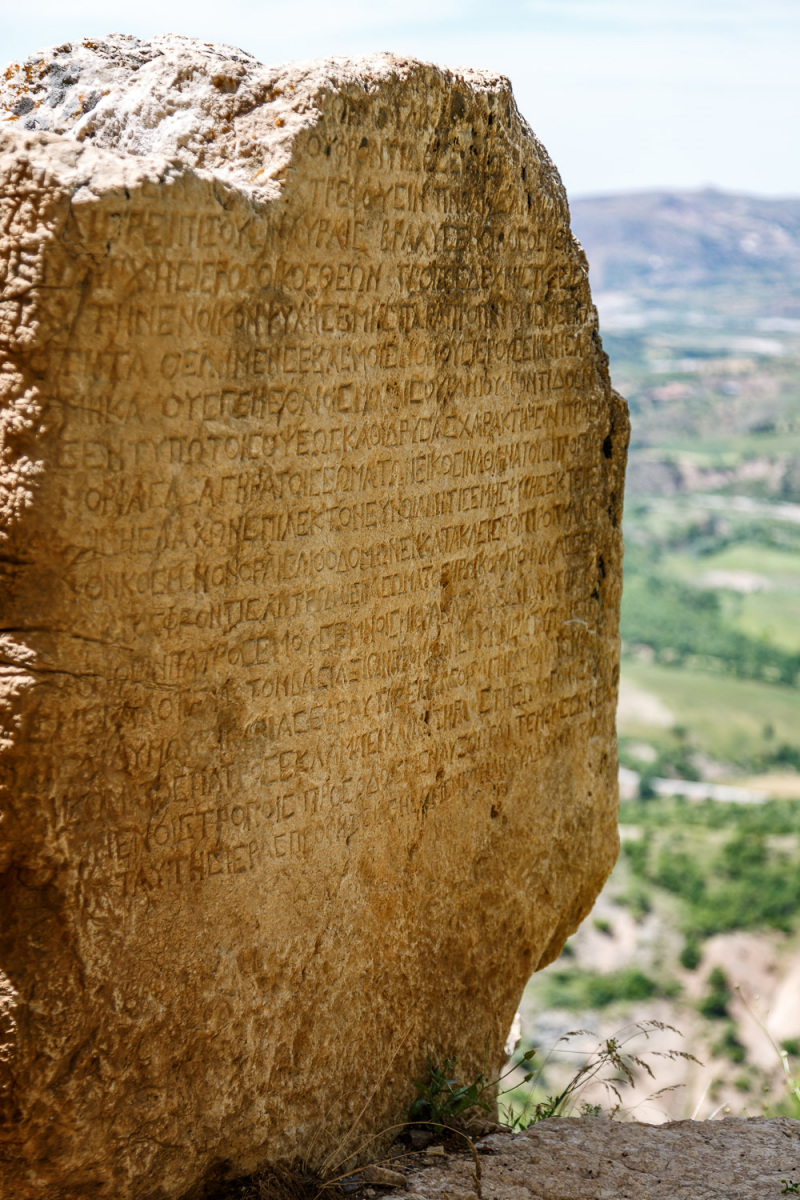
Another relief at Arsameia shows Antiochosshaking hands with a naked Hercules. Below it the well preserved inscriptions tell the story of how the city was founded and the building of the holy burial area as well as detailed instructions about how to carry out the rites that needed to be performed.
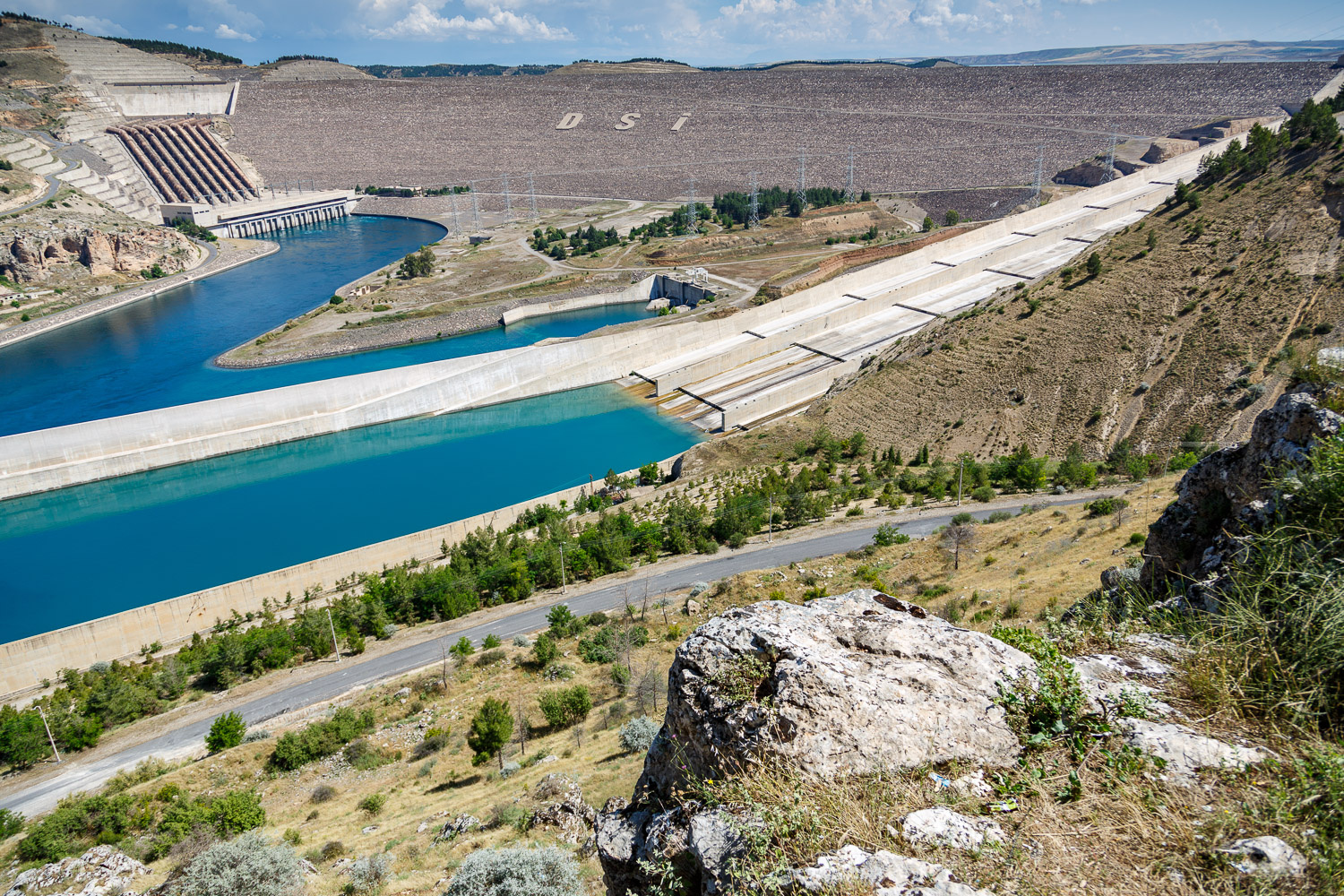
Atatürk Dam, one of the world’s largest dams, is one of five on the Euphrates river. Its associated hydroelectric plant supplies about a third of Turkey’s power.
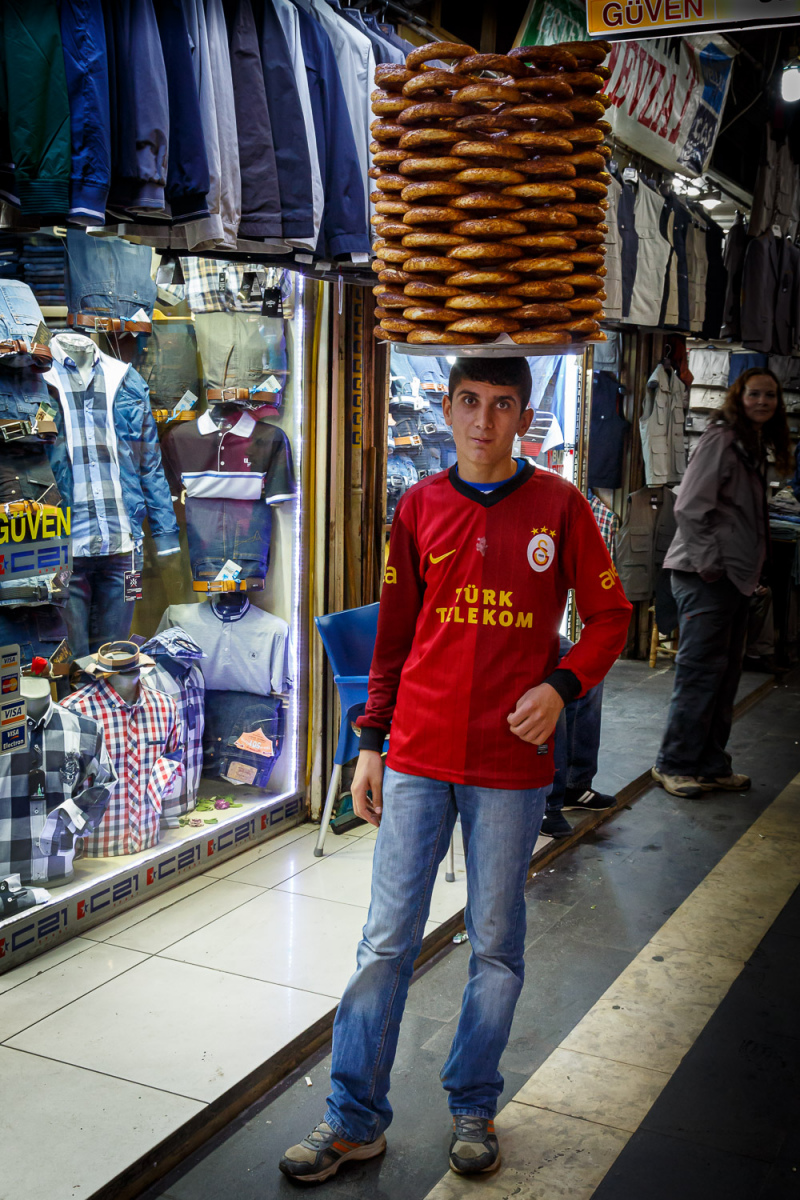
I’d seen these guys delivering the round Turkish bread snack – simit – a few times but missed the opportunity to get a photo. This time, although not ideal conditions, I managed to get him to pose for me.
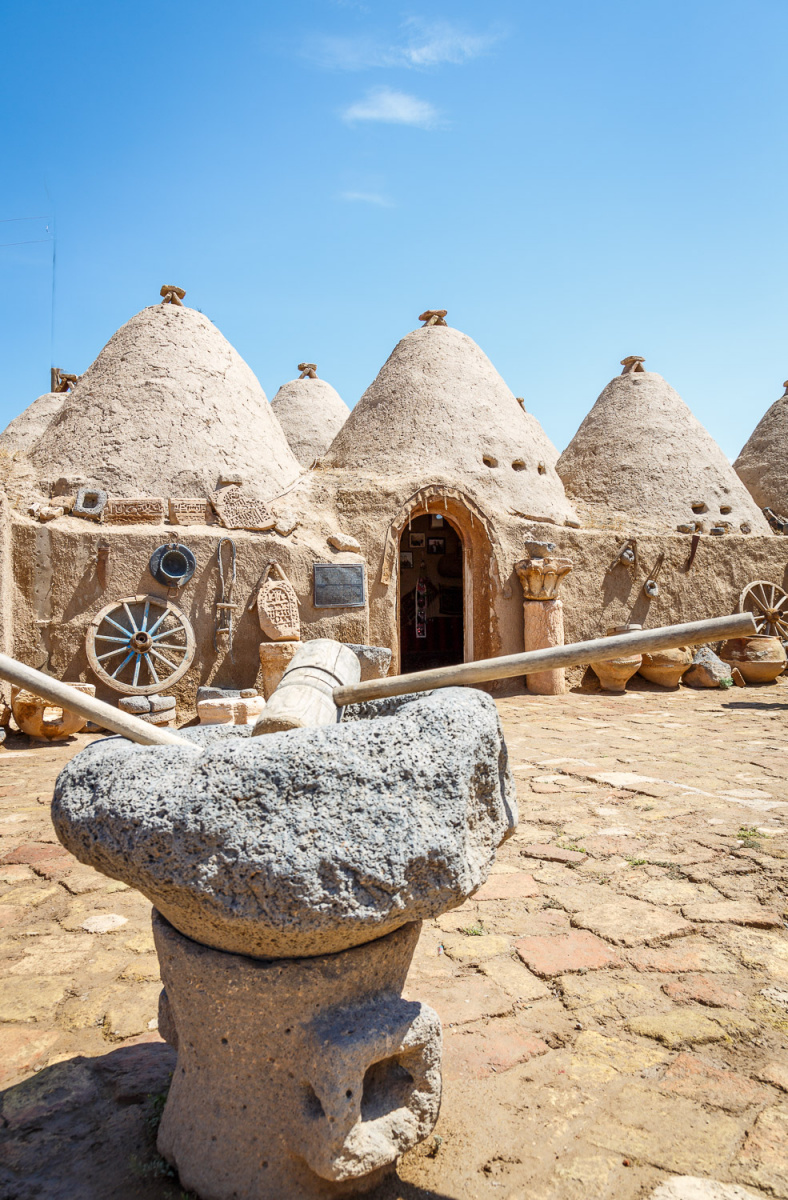
Harran is famous for its traditional ‘beehive’ adobe houses, constructed entirely without wood. The design of these makes them cool inside (essential in this part of the world) and is thought to have been unchanged for at least 3,000 years. Some were still in use as dwellings until the 1980s. However, those remaining today are strictly for tourists.
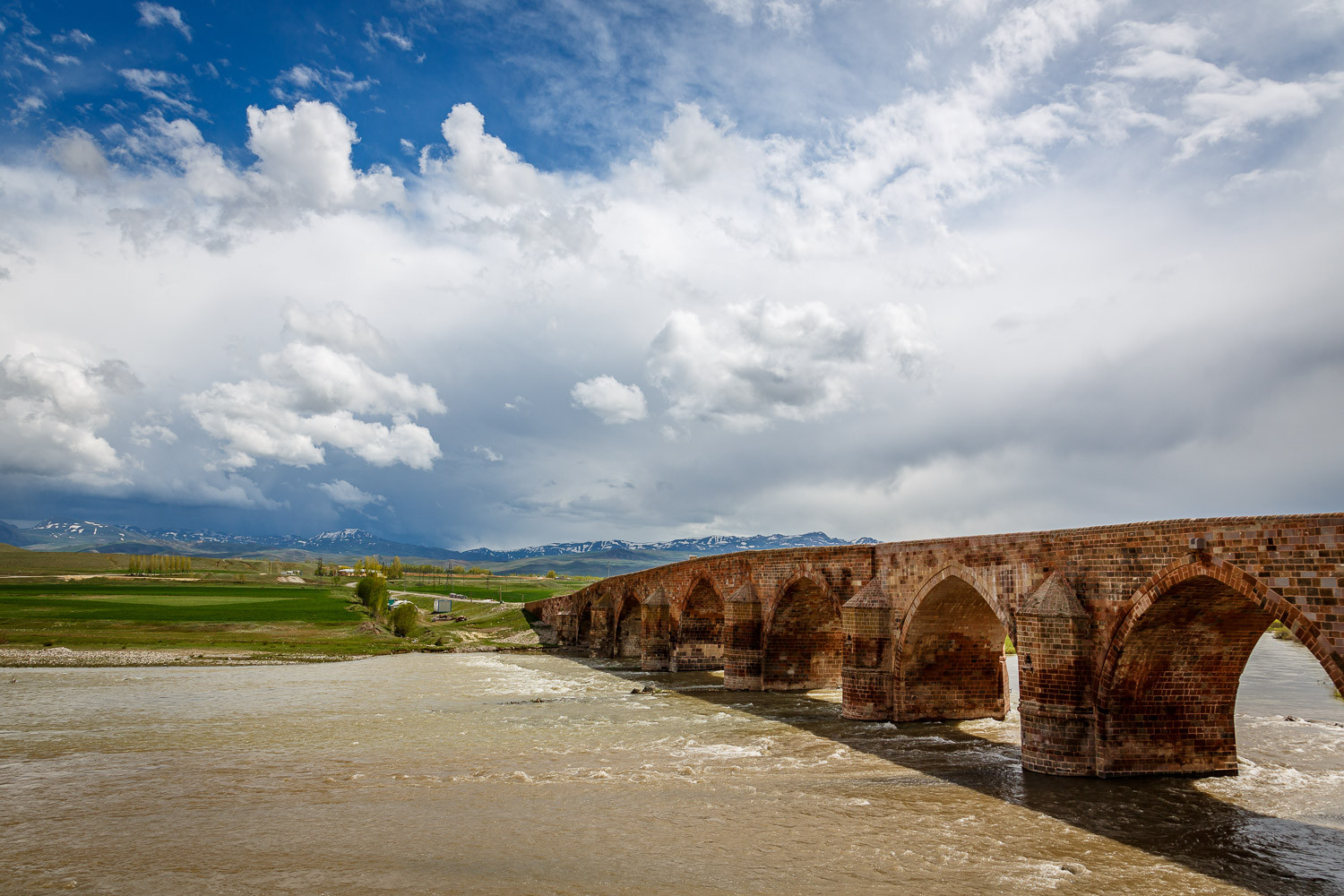
The Cobandede Arc-Bridge was built at the end of the 13th Century. In the distance a storm brews over the Kargapazari mountains.
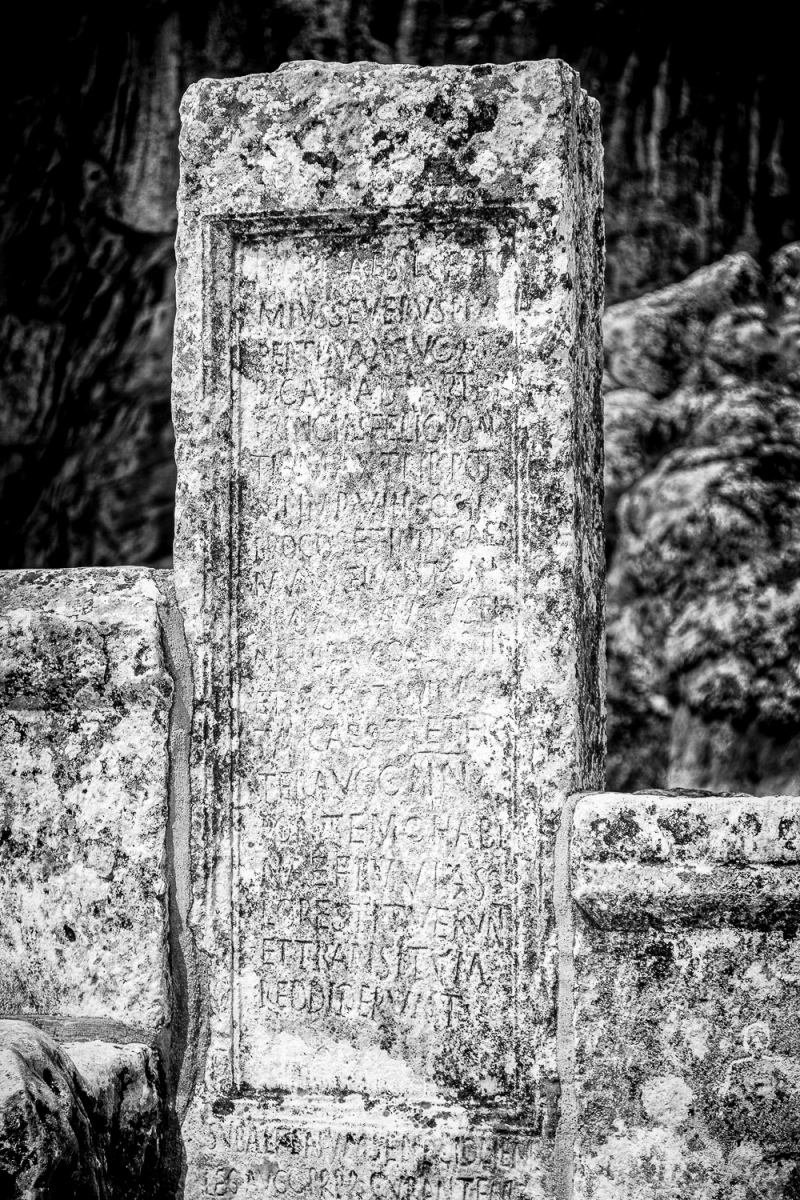
A roman inscription built into the Cendere Bridge
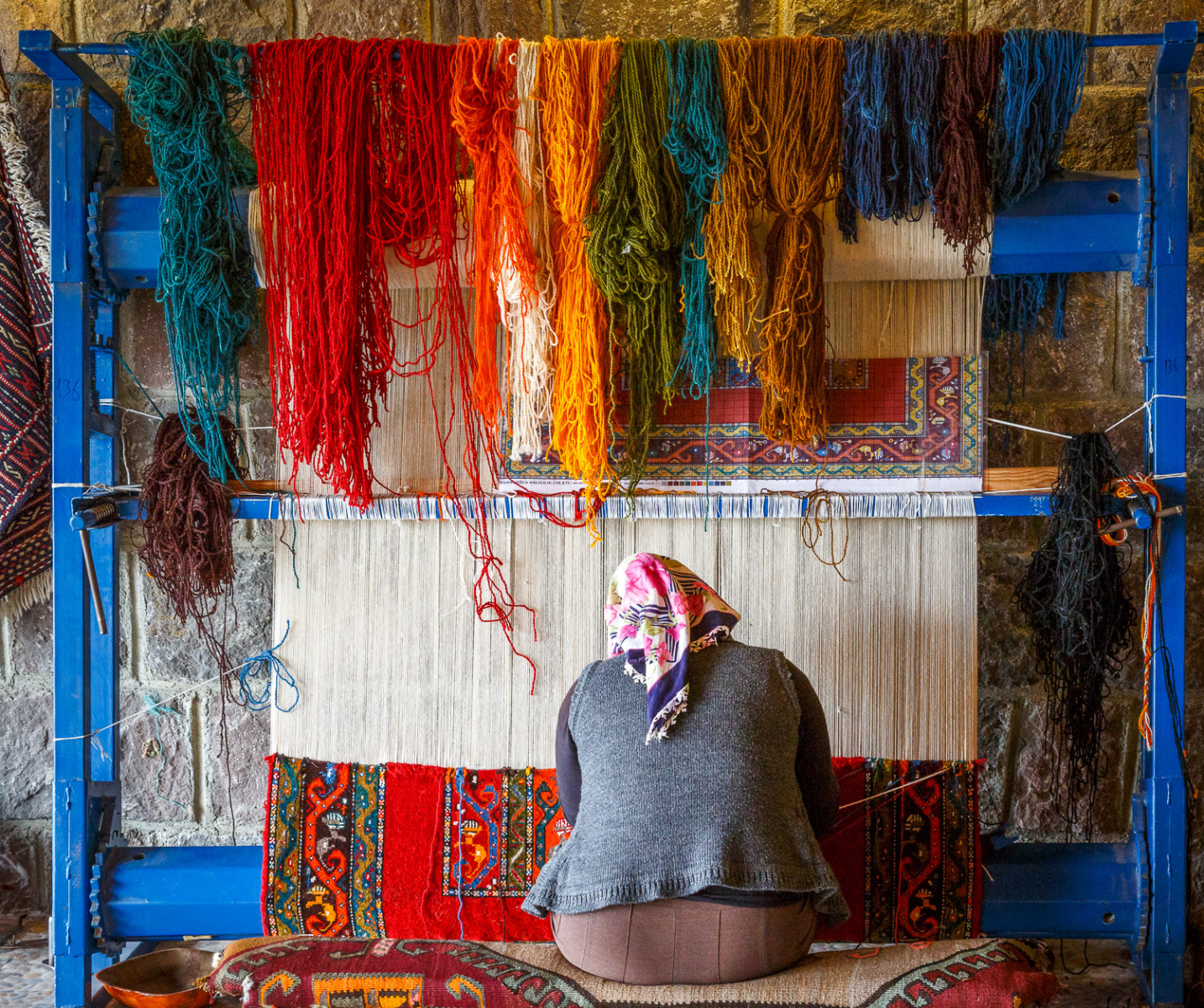
A local woman in Doğubeyazıt works at her loom weaving a carpet. It can take a year or more to produce a single large carpet.
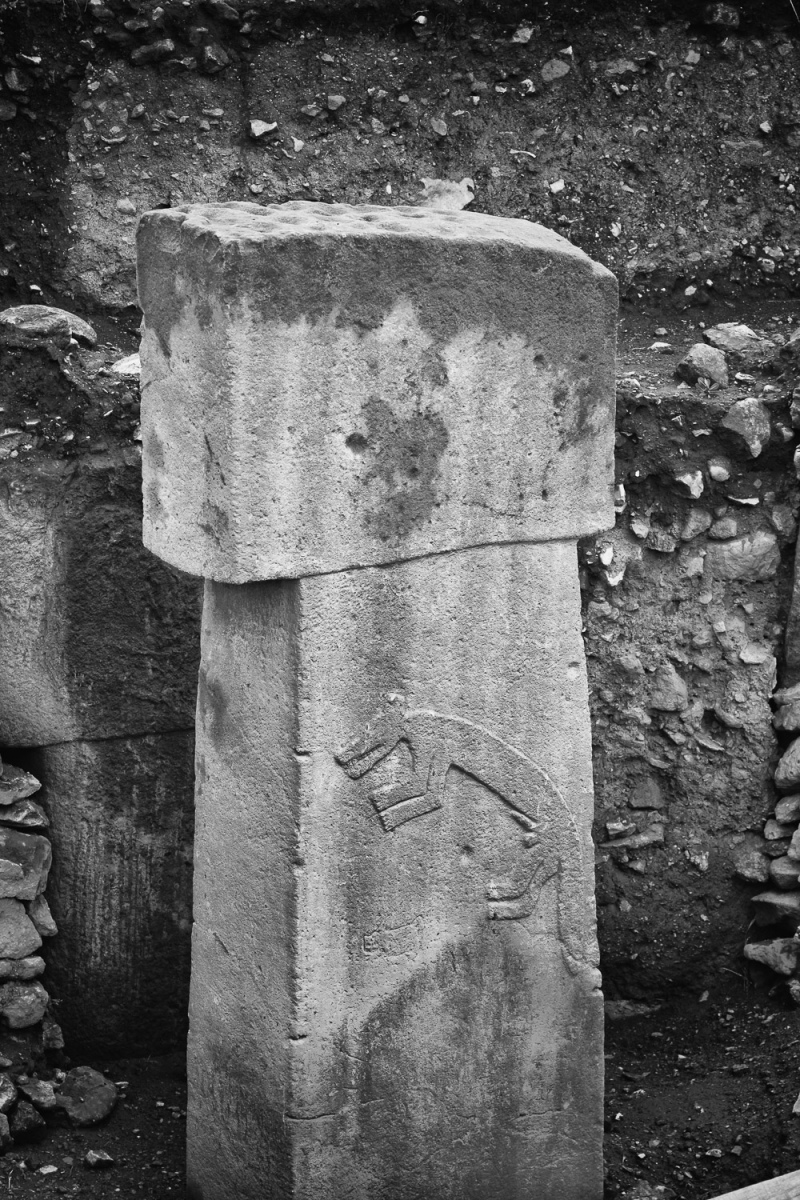
Gobleki Tepe is comprised of several upright stones set in circles and carved with images of animals and other creatures. Because the stones were buried the carving have not deteriorated and look almost new.
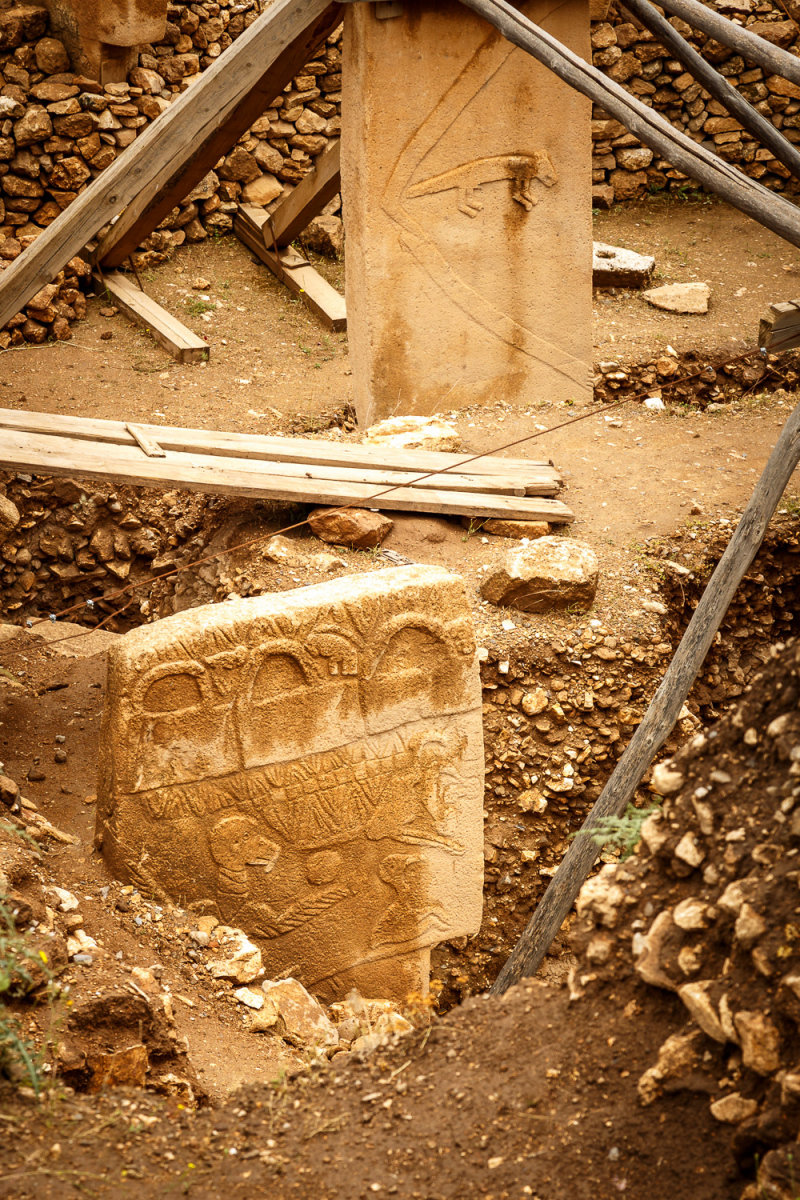
The site is still an on-going dig and the archeologist who discovered it – Klaus Schmidt – was actually on site when we visited.
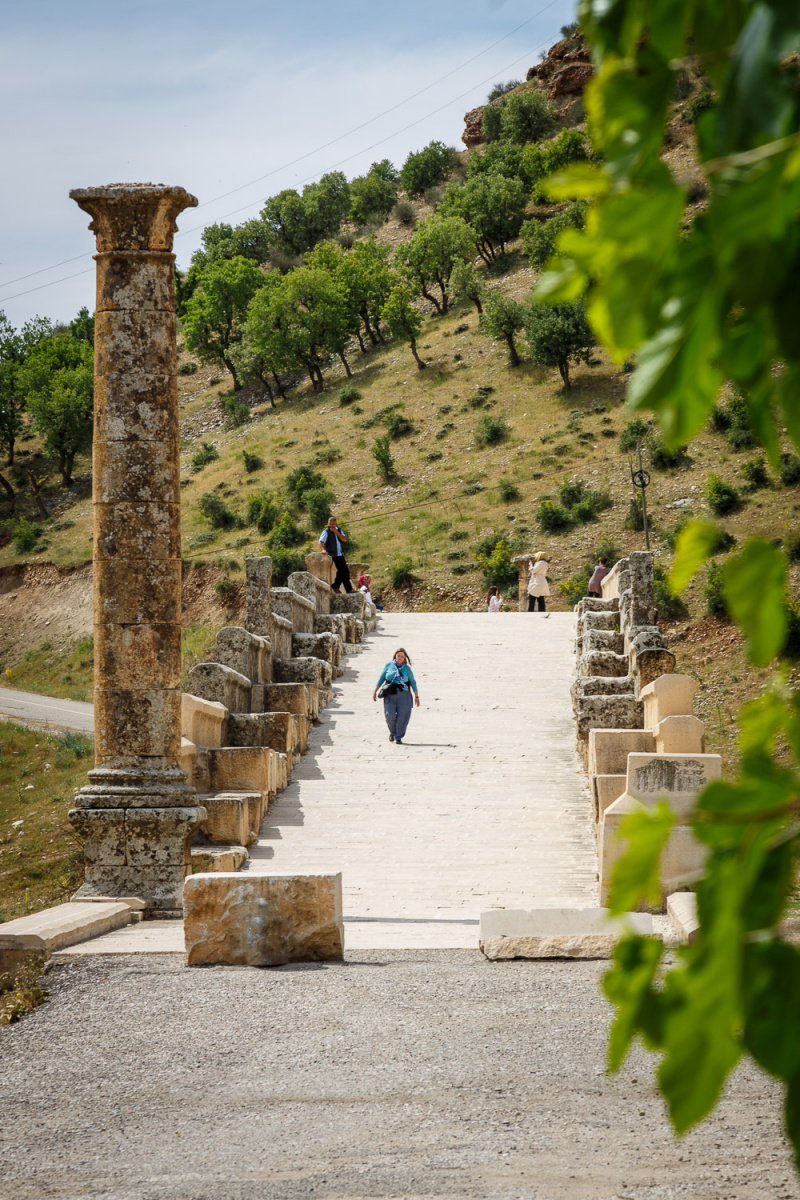
There were originally four Corinthian columns on the bridge, two columns on the Kâhta side dedicated to Septimius Severus and his wife, and two columns on the Sincik side dedicated to Caracalla and Geta. But the column of Geta was removed following his assassination by Caracalla, who damned his memory and ordered his name to be removed from all inscriptions.
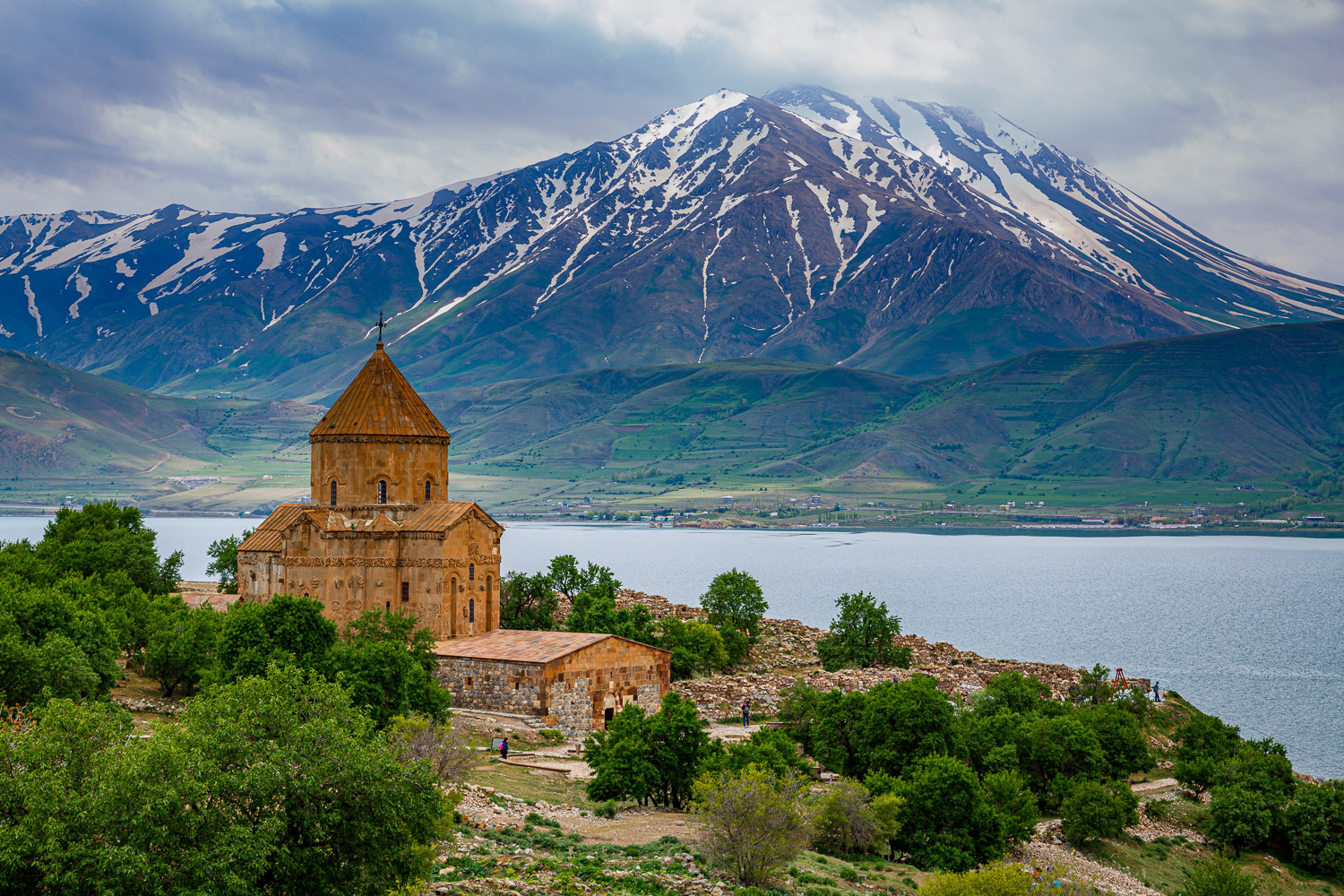
The church sits on Akdamar Island in the middle of Lake Van which in turn is ringed by some impressive mountains.
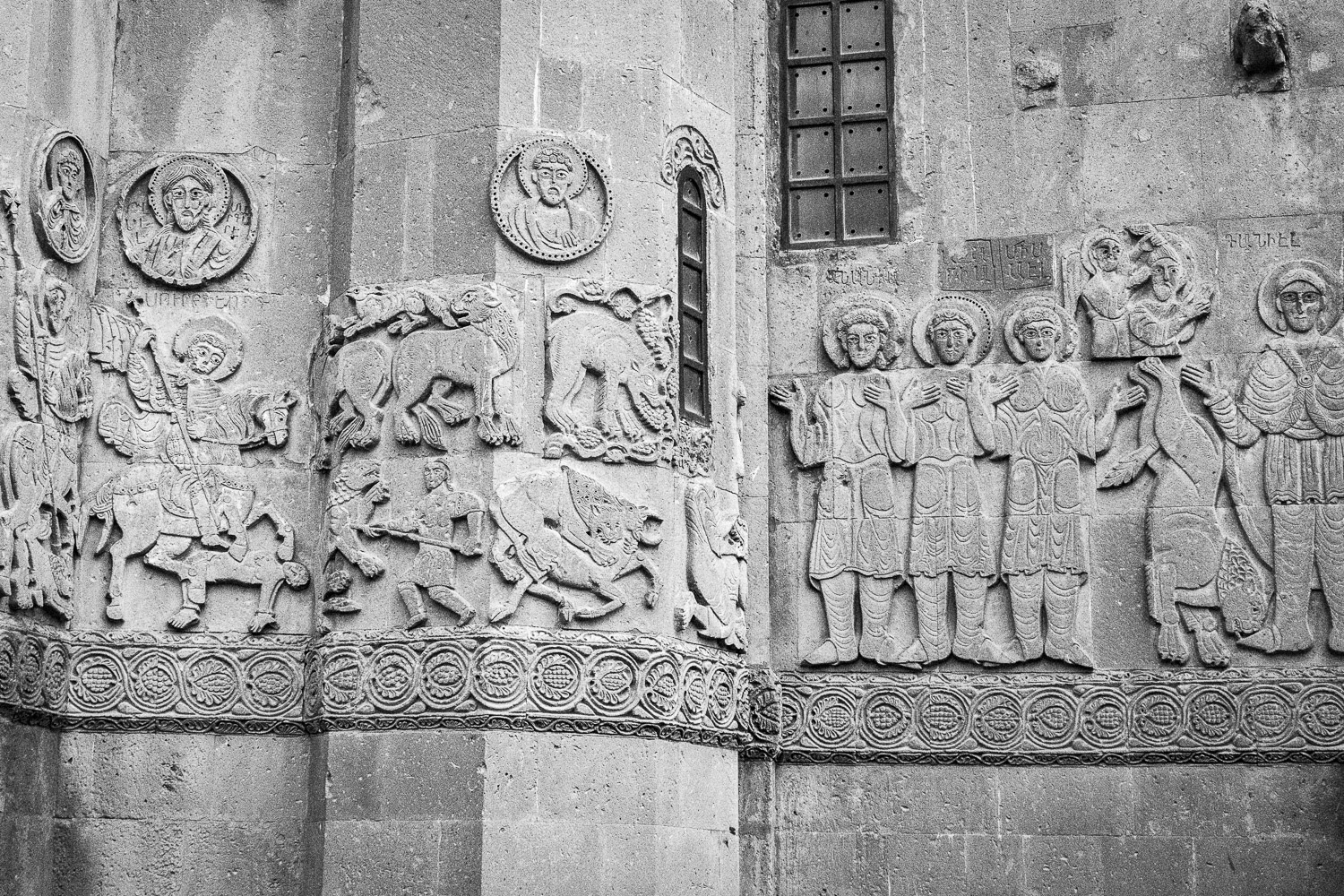
The entire church is ringed by a series of intricate reliefs showing a mixture of scenes from the bible, animals, and other iconography.
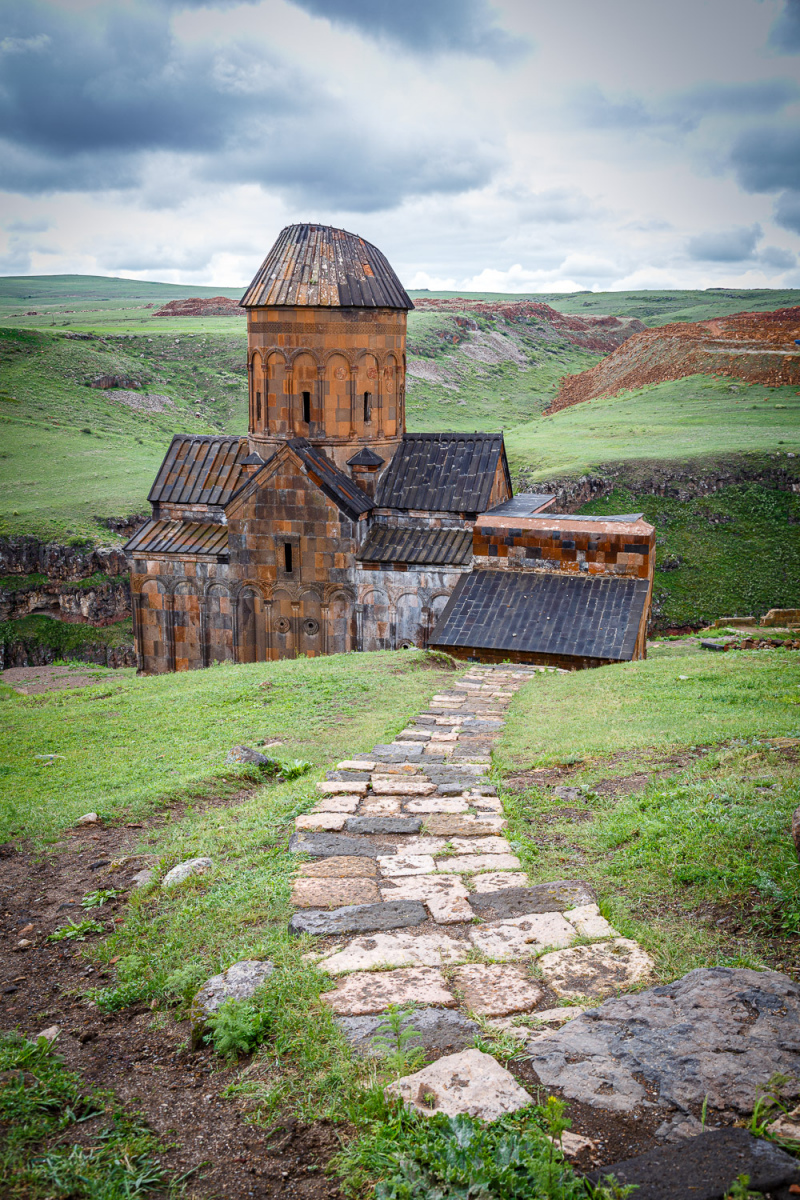
Once the capital of a medi Armenian kingdom that covered much of present day Armenia and eastern Turkey, Ani now lies in ruins. Finished in 1215, the church is one of the best-preserved monument at Ani.
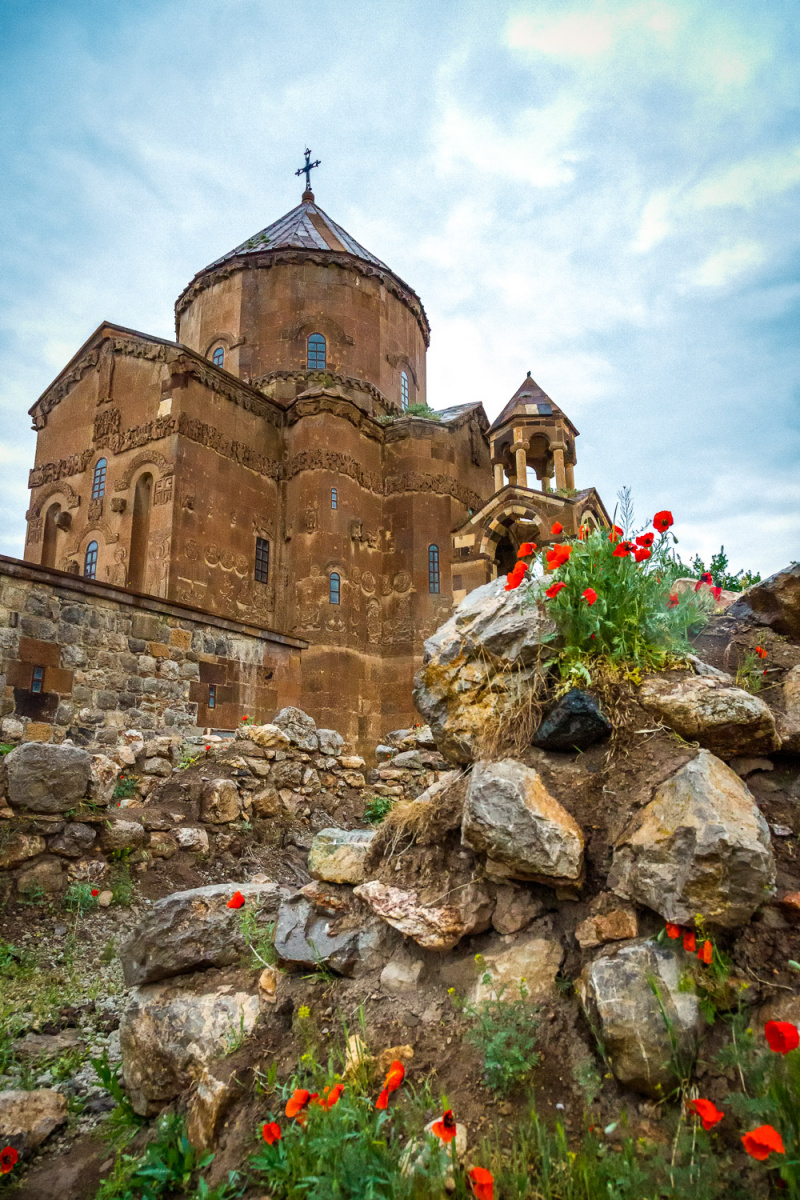
The 10th century Armenian Church of the Cross on Akdamar Island in the middle of Lake Van
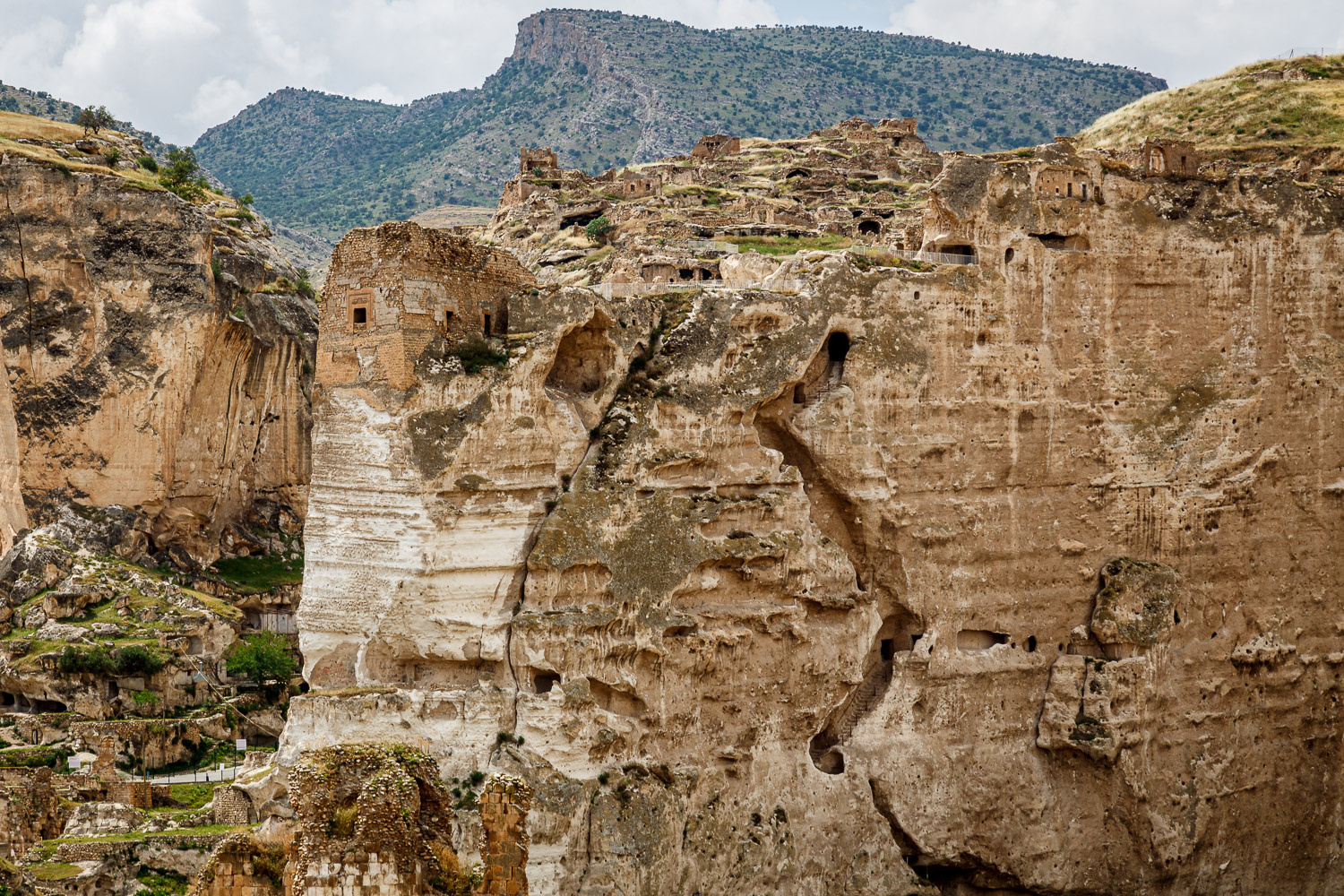
The cave homes and buildings at Hasenkeyf. The zigzag cut in the cliff used to be an escape route for those living at the top to get down to the river.
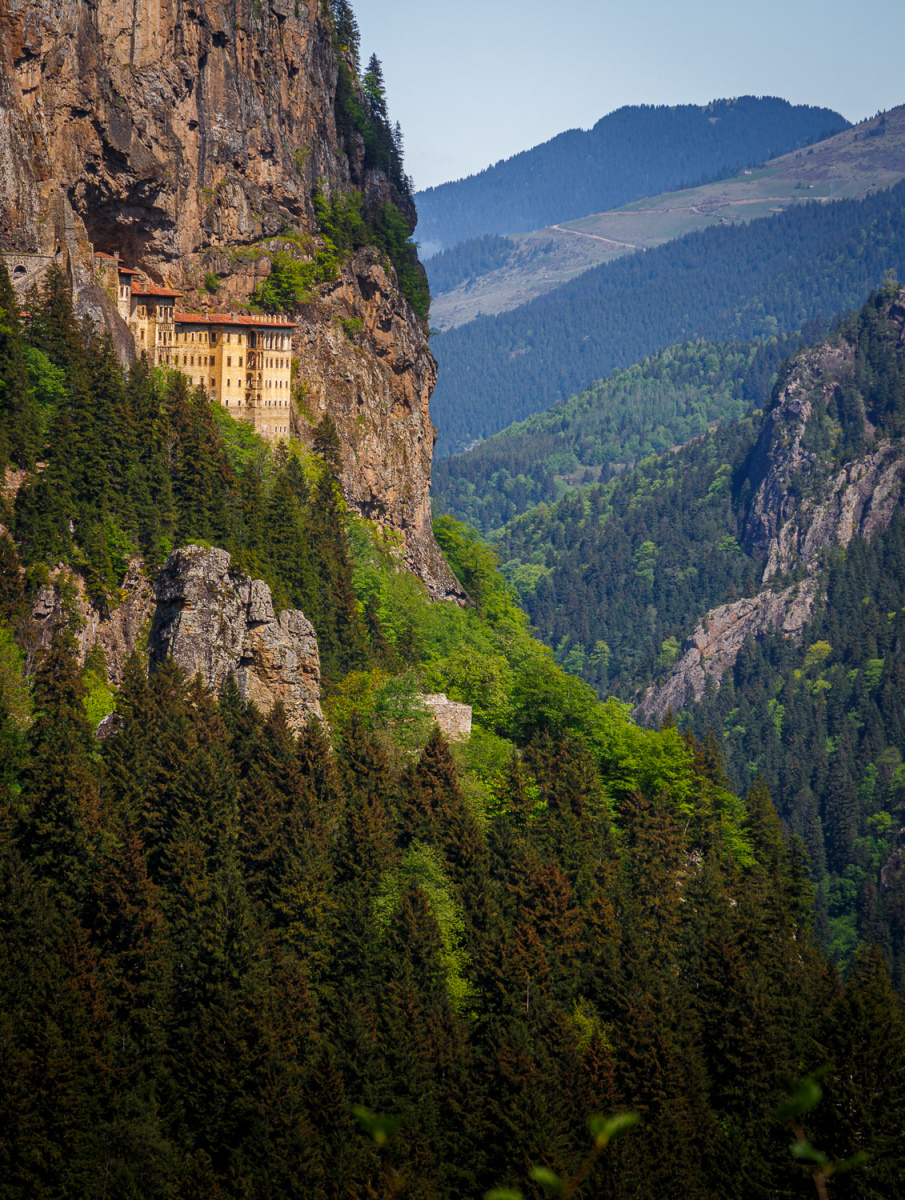
Nestled in a steep cliff at an altitude of about 1,200 metres sits the Greek Orthodox Sumela Monastery. Founded in 386 AD, legend has it that two priests undertook its creation after discovering a miraculous icon of the Virgin Mary in a cave on the mountain.
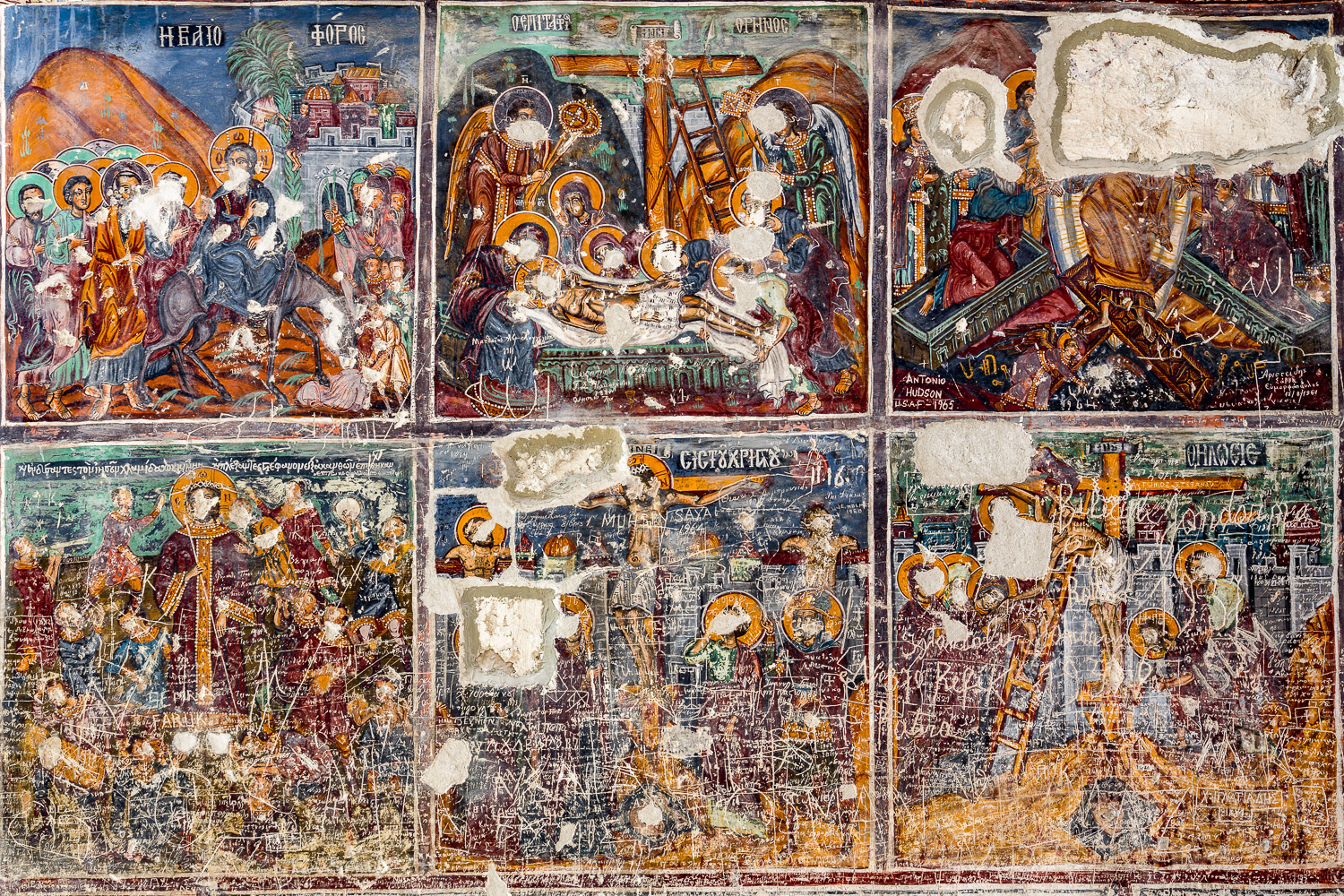
Unbelievably people used to scratch graffiti into these amazing frescoes. Now guards monitor to make sure they are not damaged further.
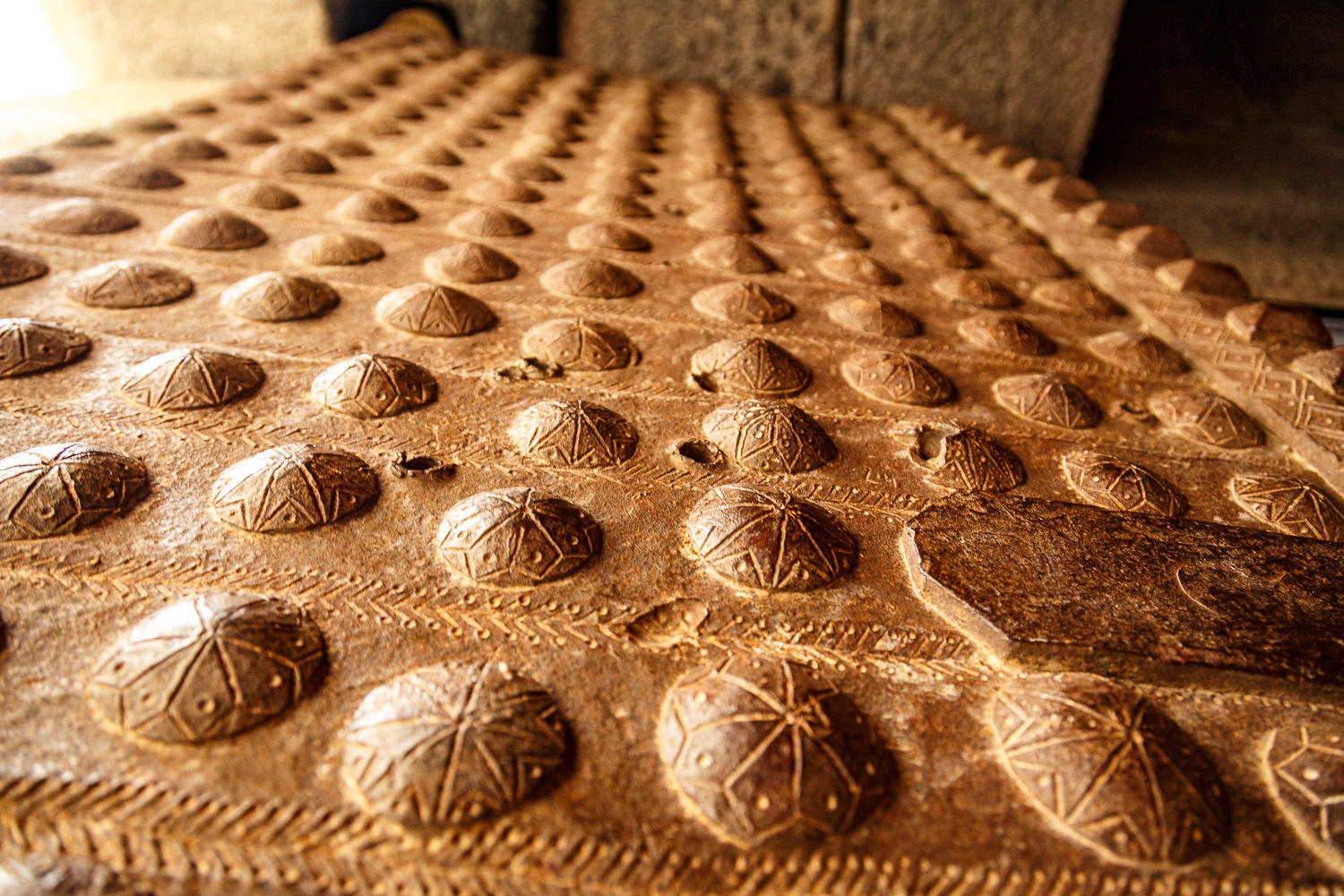
Detail on the huge metal castle door