Most visitors to Turkey stay in the West, visiting Istanbul, Ismir, the South-West on the Mediterranean coast around Antalya or sometimes exploring Cappadocia. Very few people explore further East.
But with amazing palaces, bustling bazaars, archaeological sites that have rewritten the book on human settlement and stunning views of Mount Ararat or from the top of Nemrut Dagi there’s lots to see.
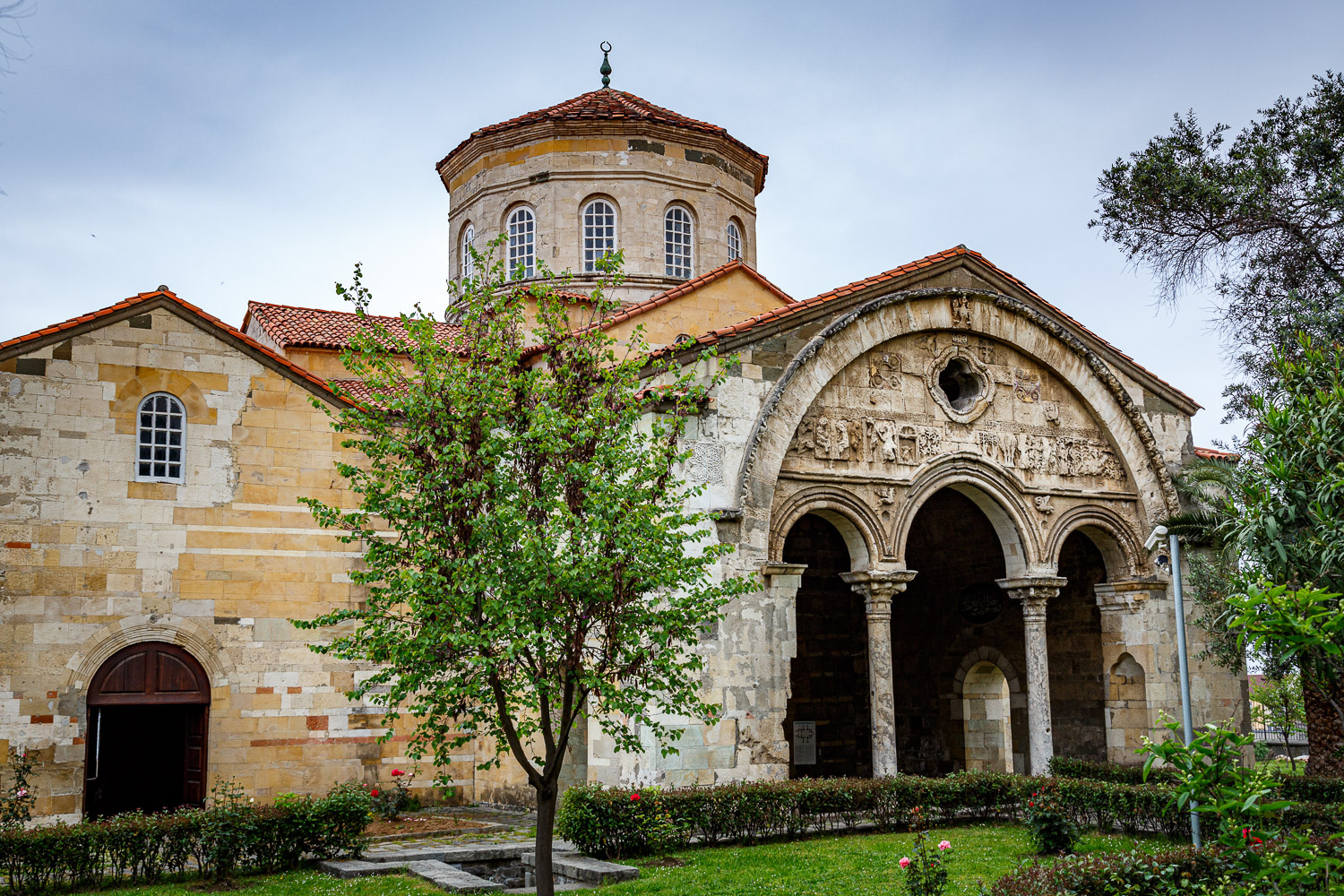
Although now officially a museum, the church was built between 1238 and 1263 and is an important example of late Byzantine architecture.
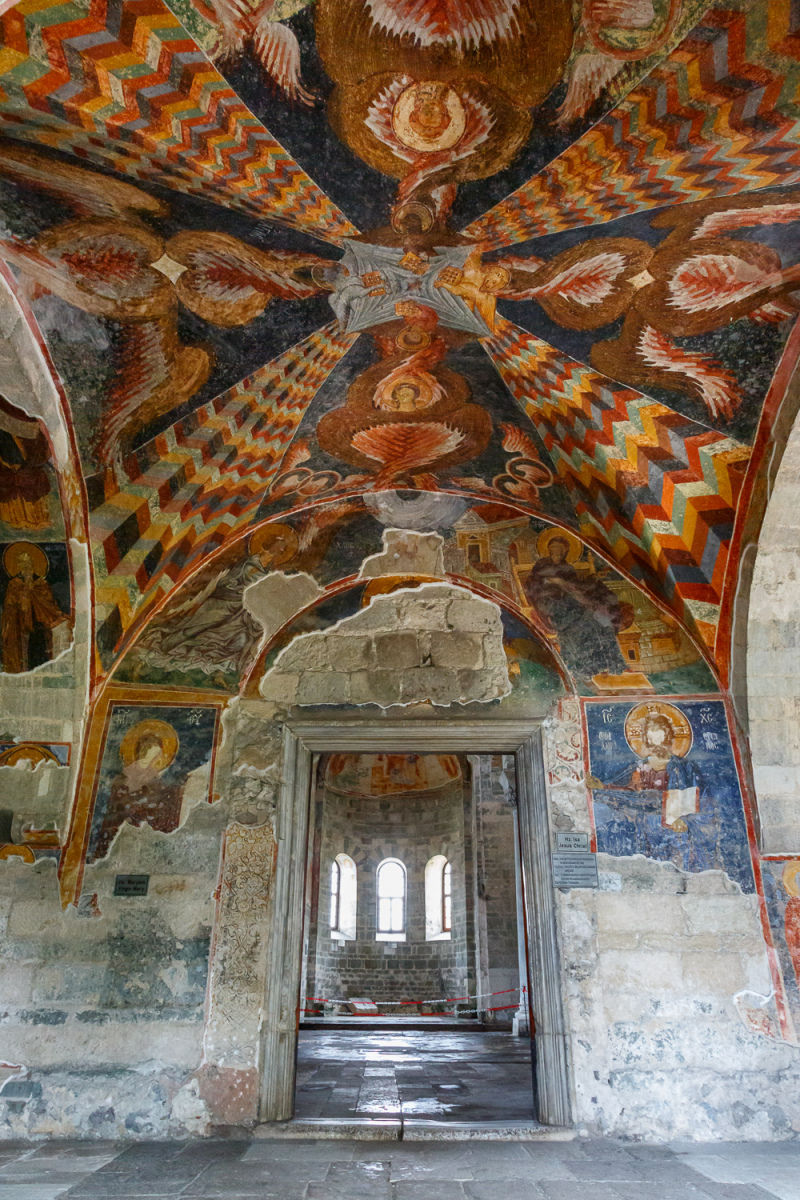
Decoration on the roof of one of the porches on the Church of Saint Sophia in Tabzon
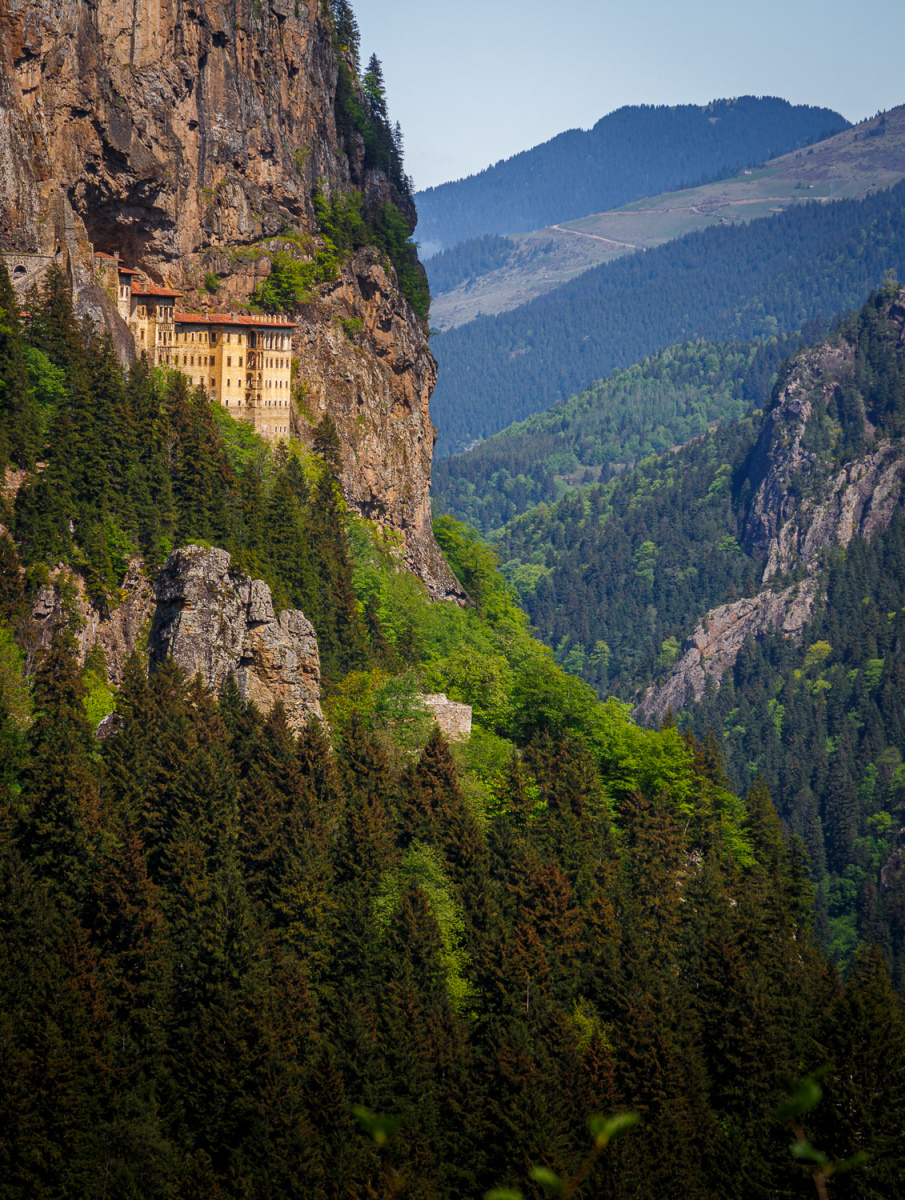
Nestled in a steep cliff at an altitude of about 1,200 metres sits the Greek Orthodox Sumela Monastery. Founded in 386 AD, legend has it that two priests undertook its creation after discovering a miraculous icon of the Virgin Mary in a cave on the mountain.
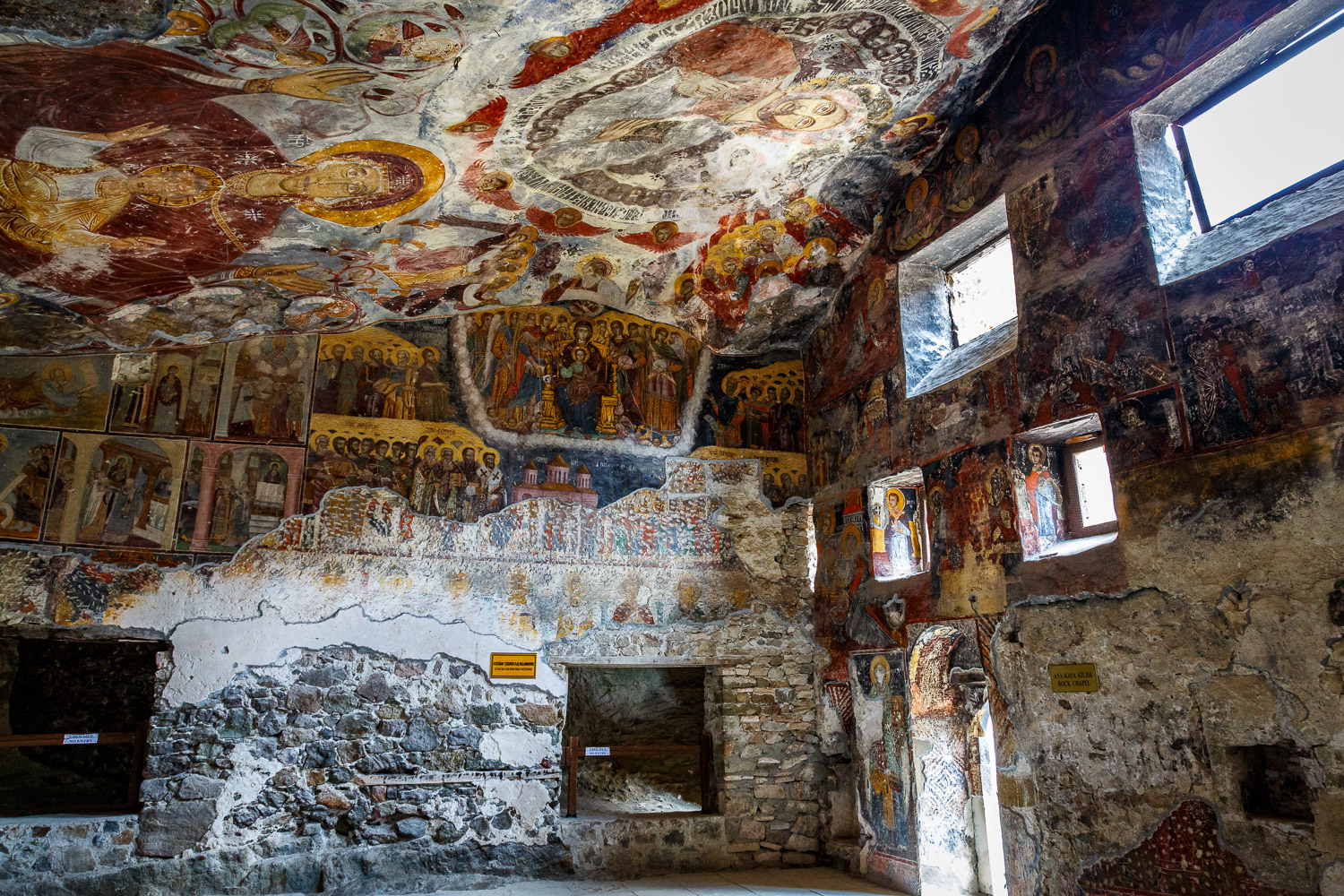
Inside the Rock Church at Sumela Monastery. There are several layers of decoration that have taken place over the years which can be seen on the far wall.
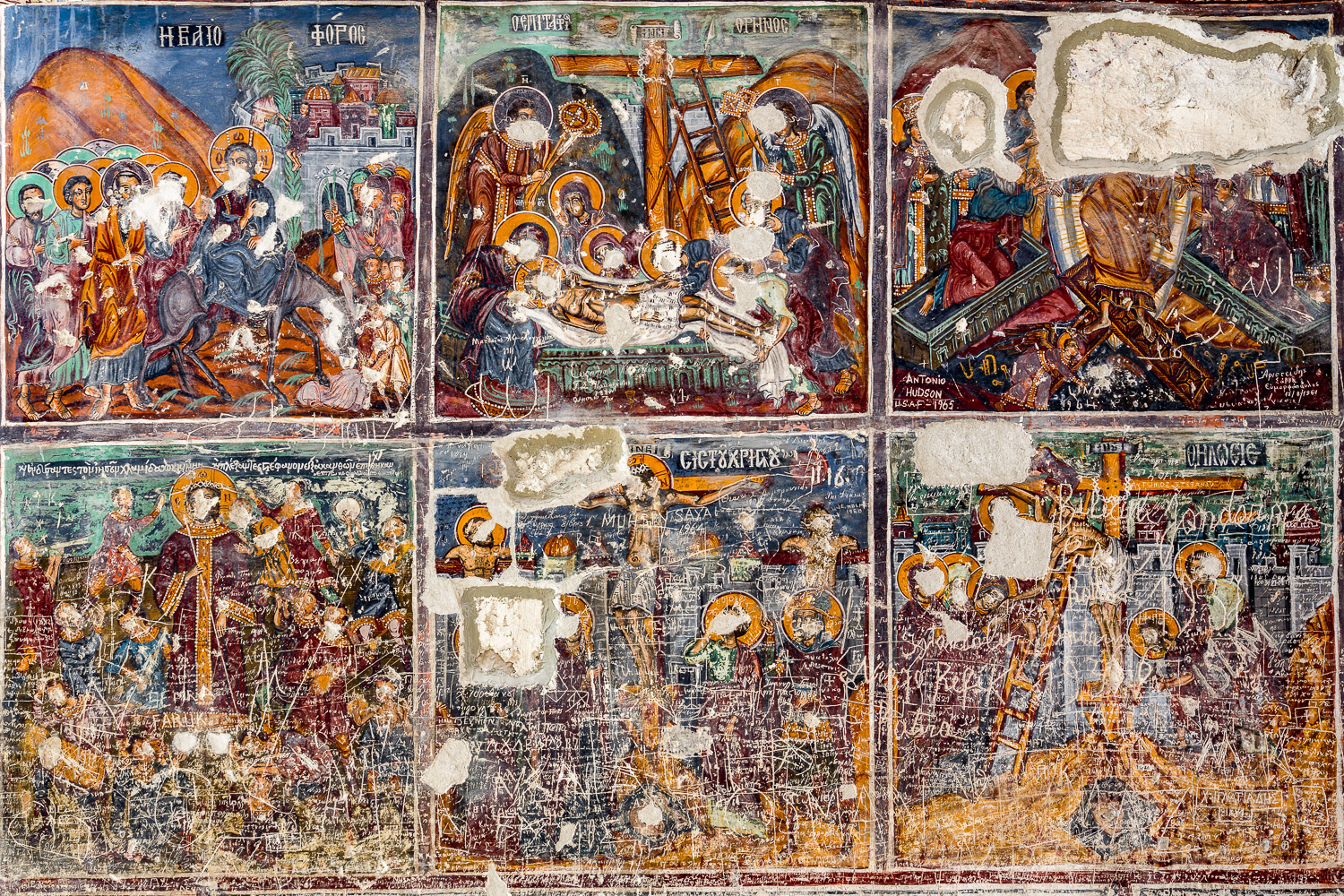
Unbelievably people used to scratch graffiti into these amazing frescoes. Now guards monitor to make sure they are not damaged further.
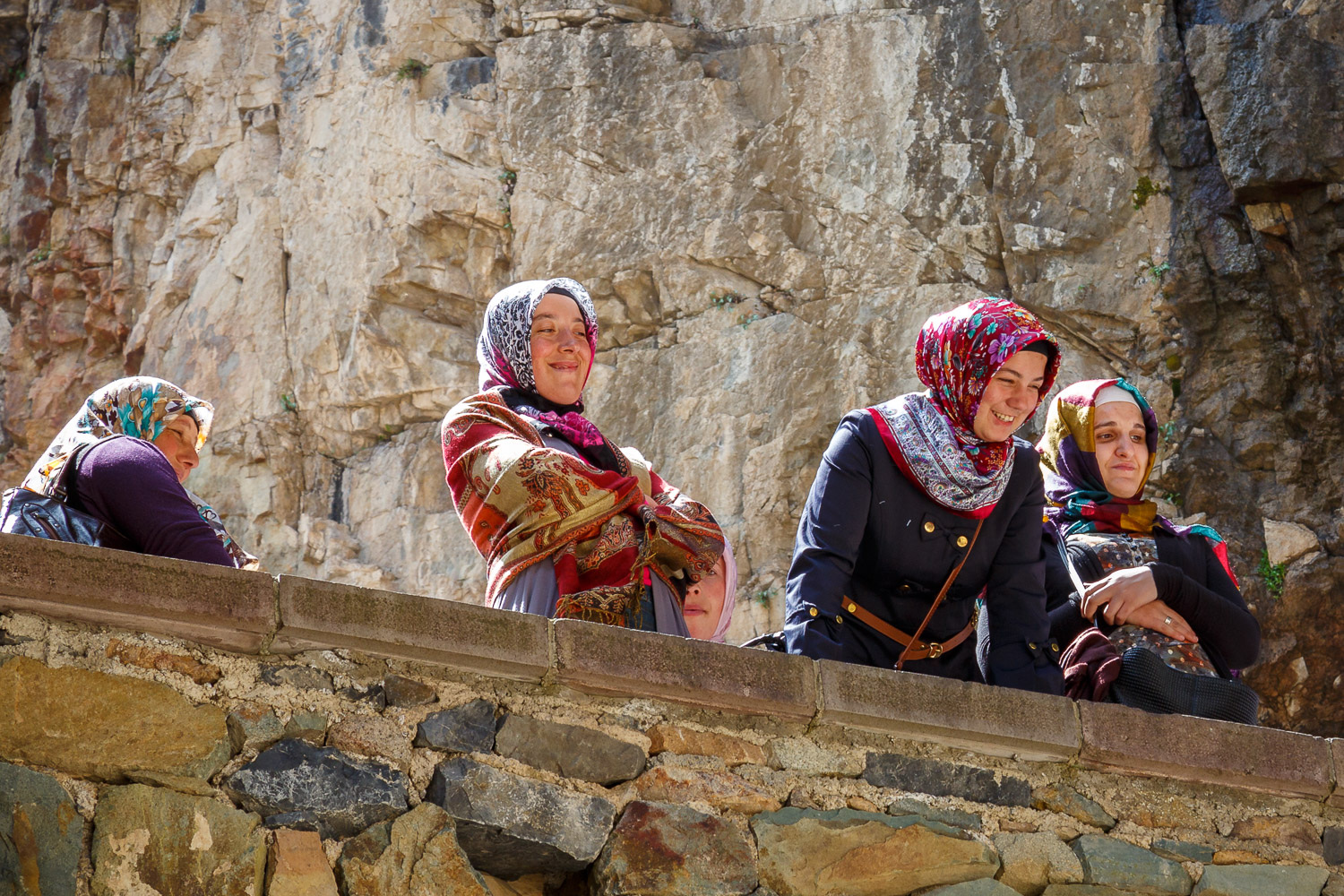
A group of locally dressed women watch their friends down in the main counrtyard of the monastery.
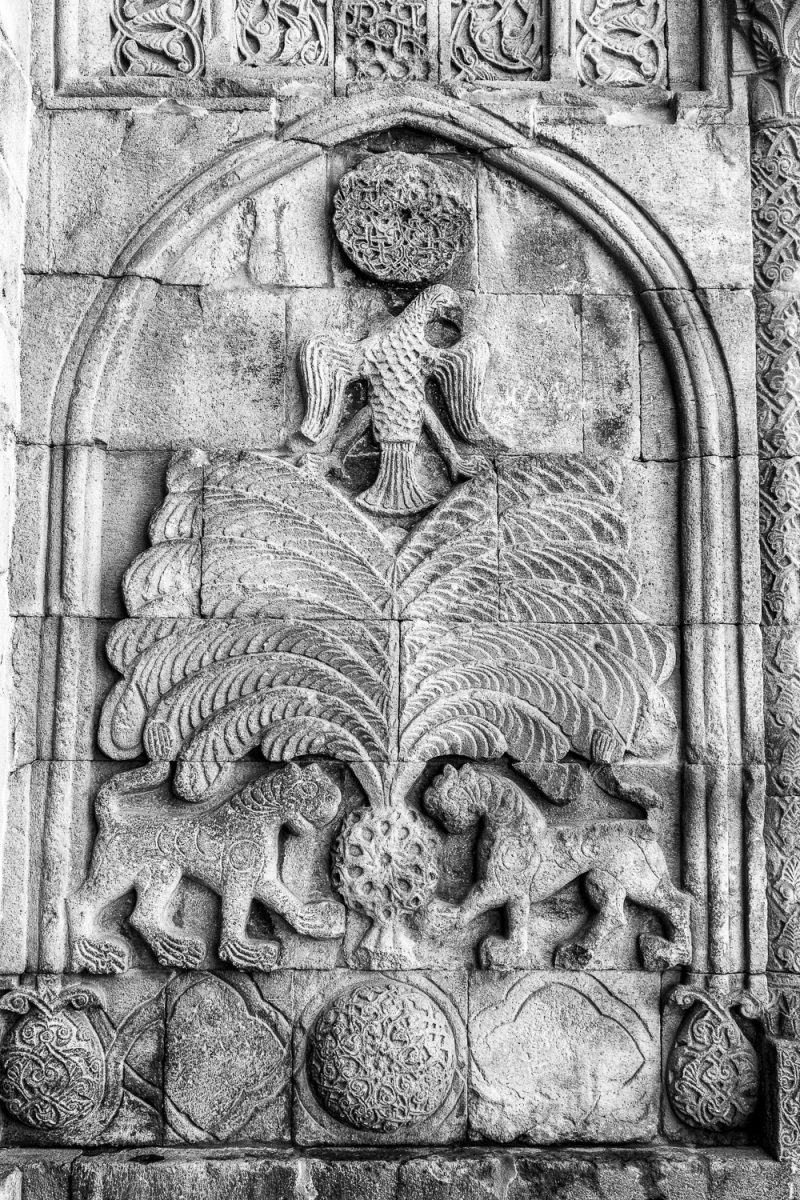
A representation of the tree of life carved next to the entrance to the Yakutiye Medresesi in Erzurum.
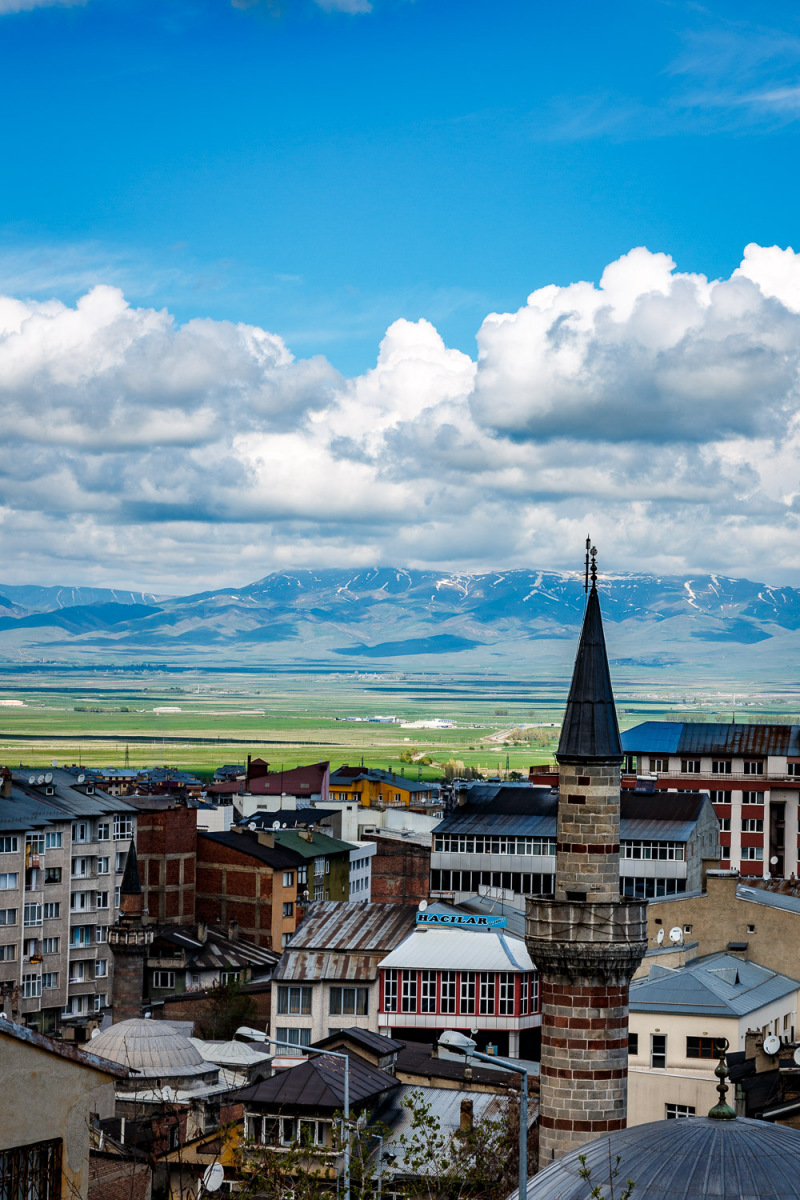
A view over part of Erzurum from the citadel out towards the mountains beyond.
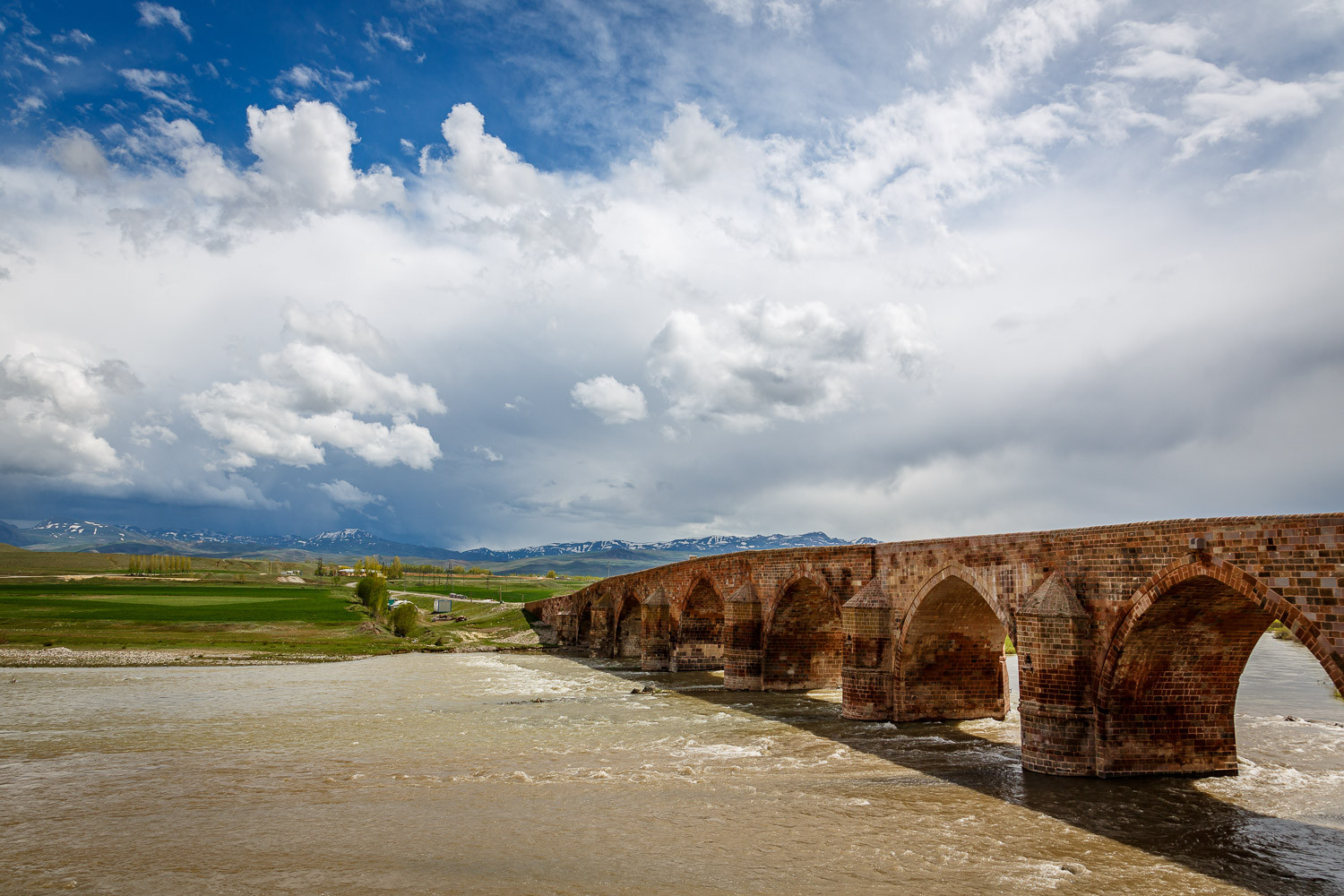
The Cobandede Arc-Bridge was built at the end of the 13th Century. In the distance a storm brews over the Kargapazari mountains.
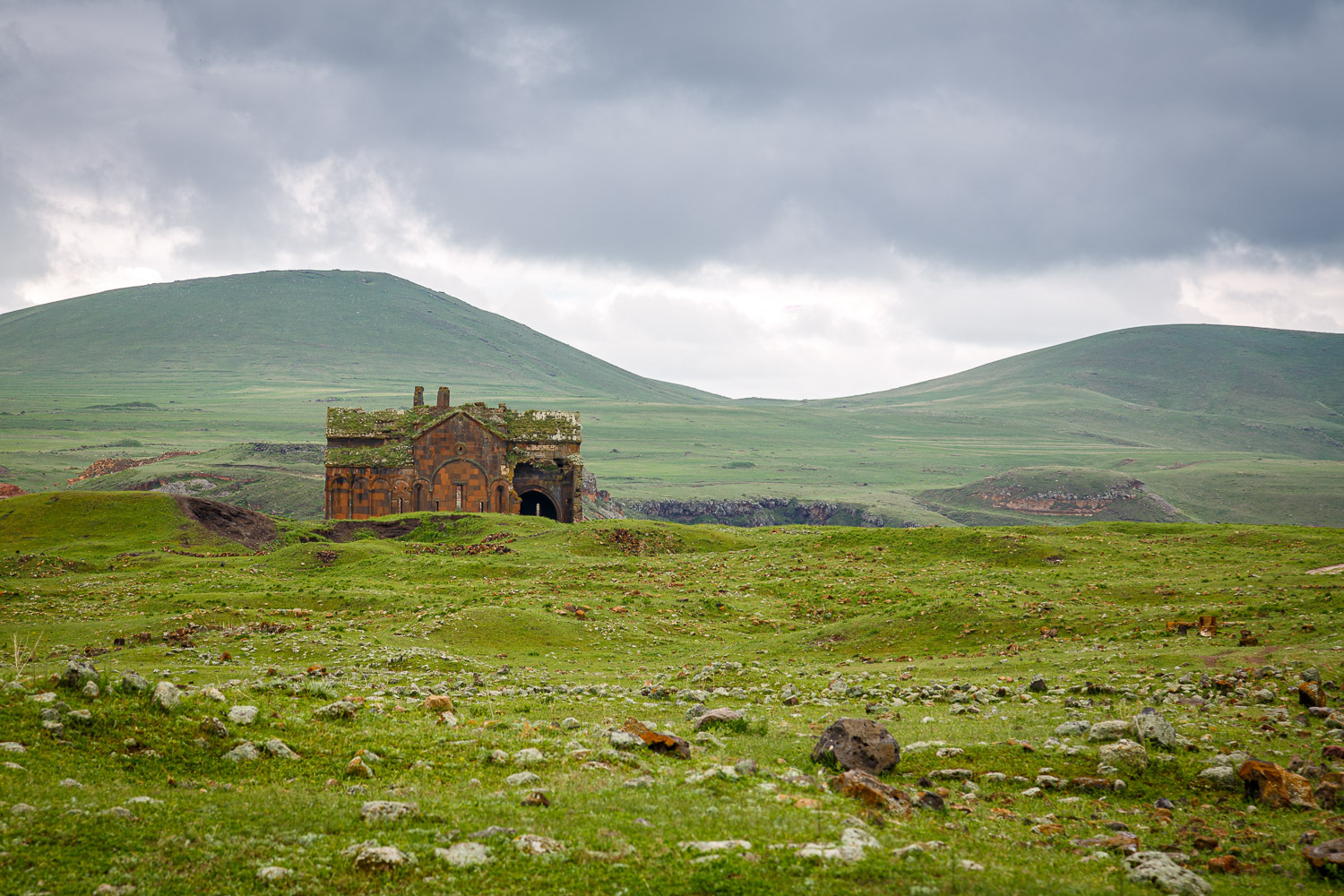
Once the capital of a medieval Armenian kingdom that covered much of present day Armenia and eastern Turkey, Ani now lies in ruins. Started in the year 989, work on the cathedral was halted after King Smbat II died. It was only finished in 1001AD.
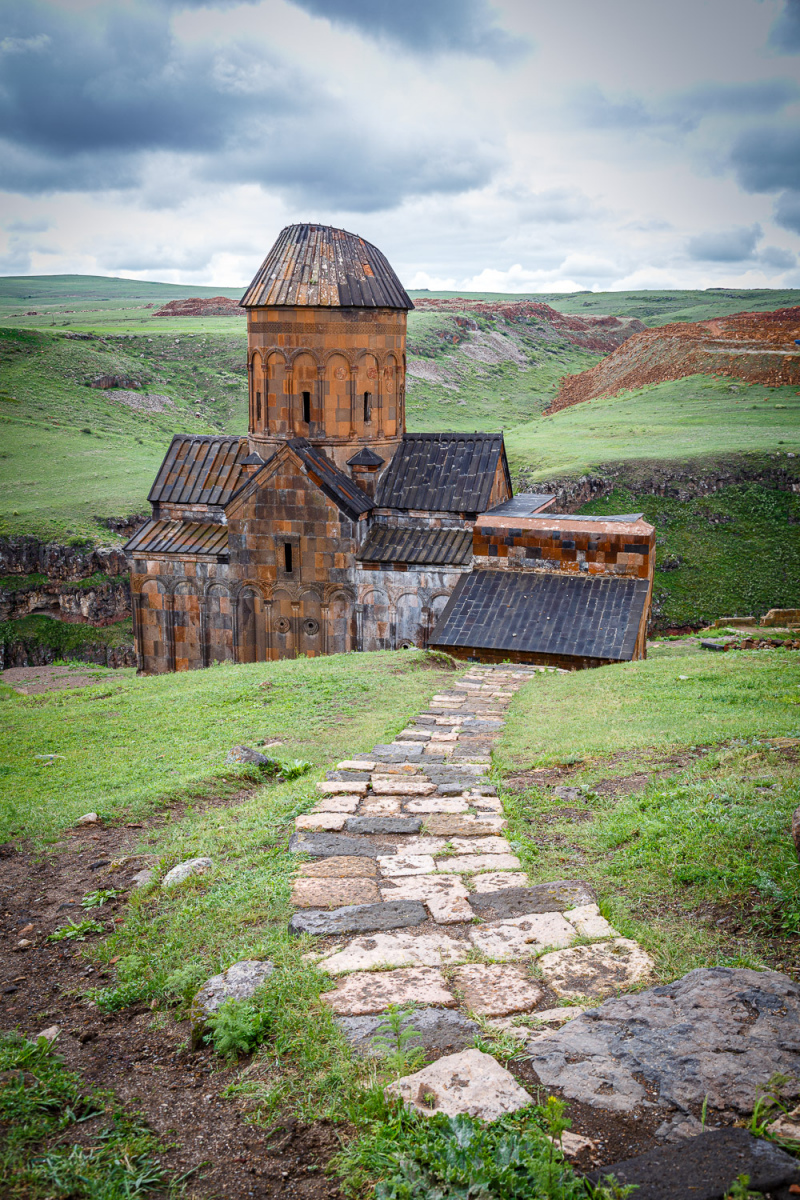
Once the capital of a medieval Armenian kingdom that covered much of present day Armenia and eastern Turkey, Ani now lies in ruins. Finished in 1215, the church is one of the best-preserved monument at Ani.
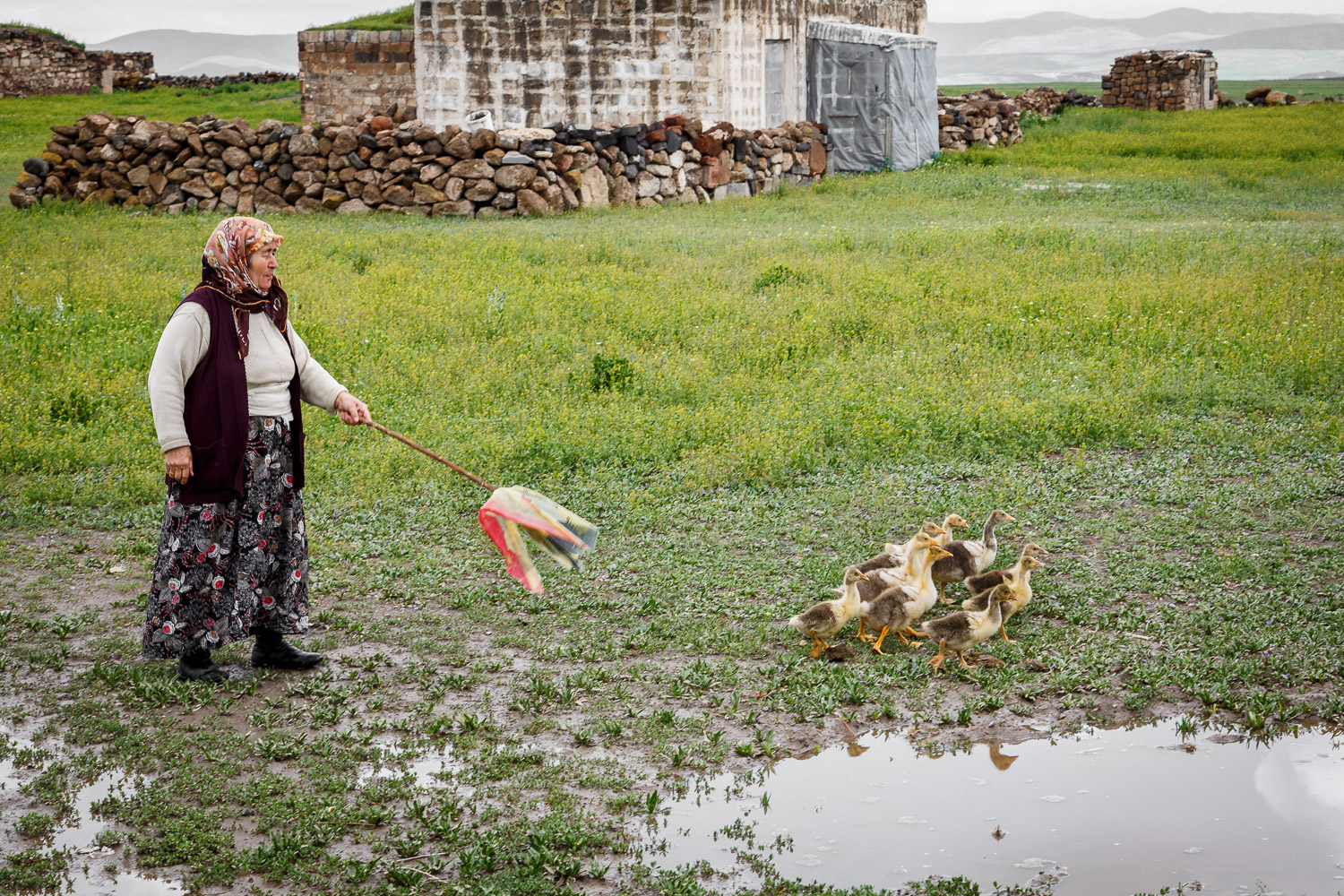
A local farm-women chases her ducks just next to the ruins of Ani.
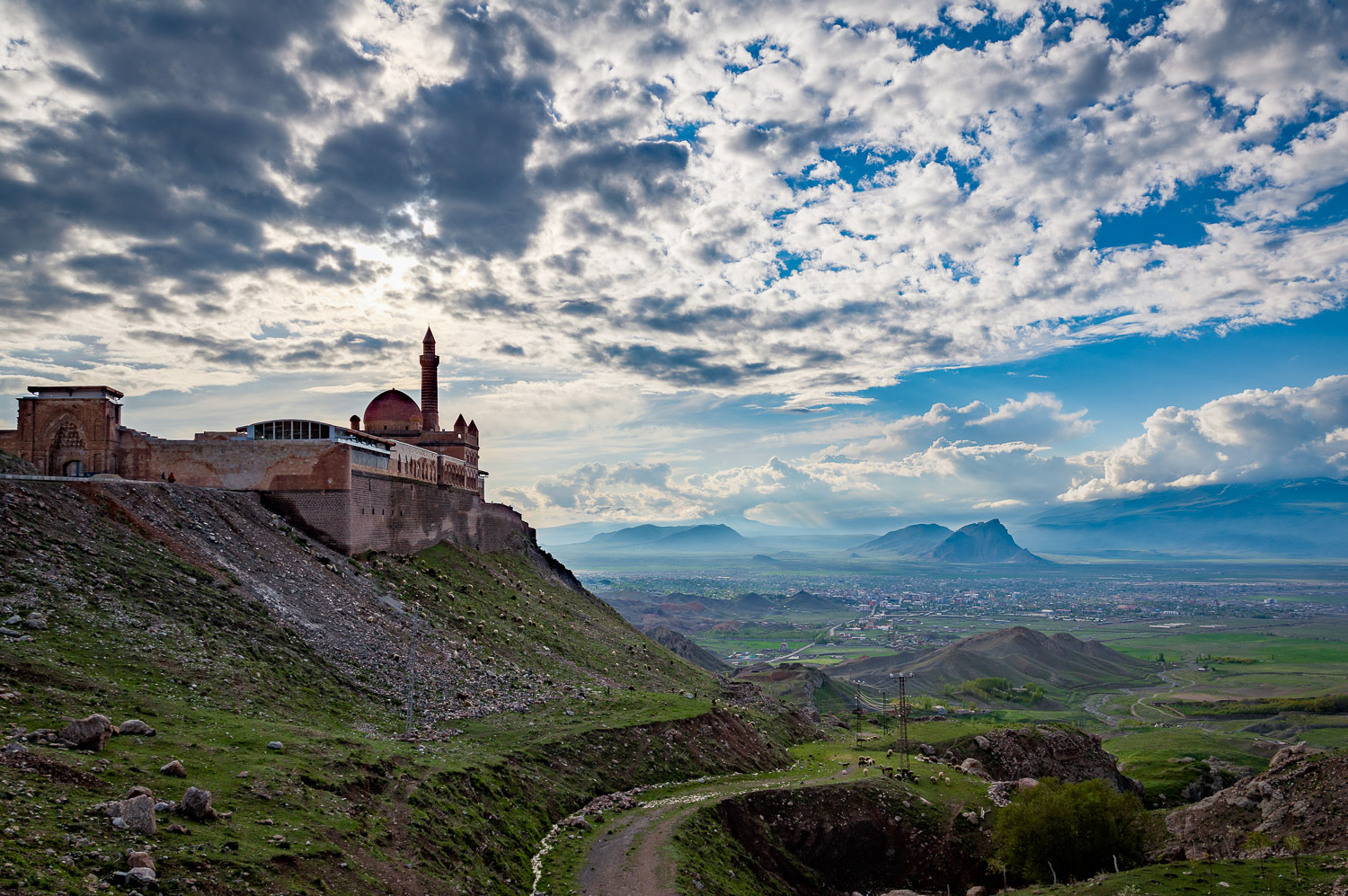
Started in 1685 it took 3 generations - father, son, grandson - to complete with construction finishing in 1784. Sitting on a hill above Doğubeyazıt, it is a magnificent example of the 18th century Ottoman architecture.
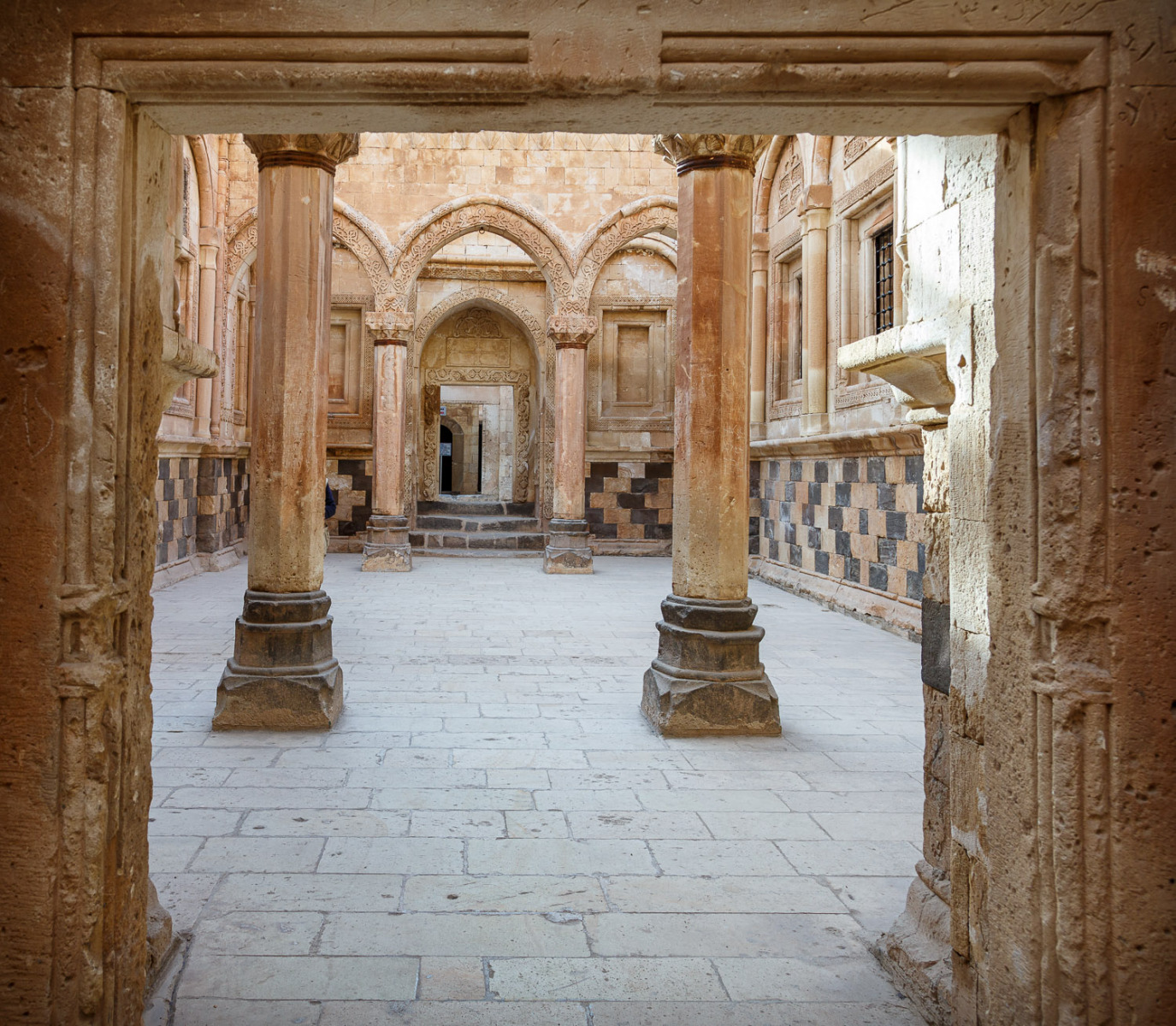
One of the many rooms, this one a dining room, inside the Ishak Pasha palace.
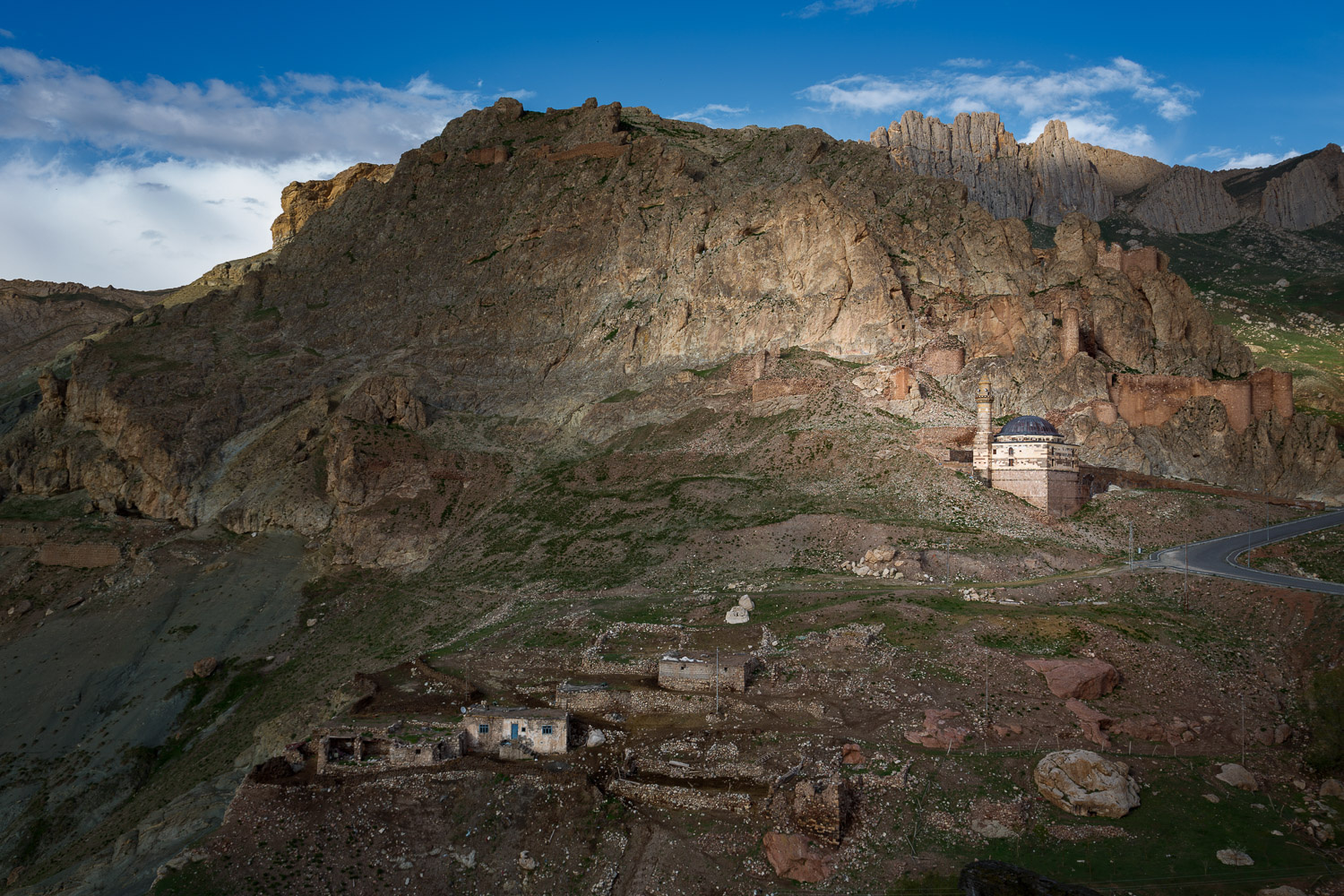
View from the Ishak Pasha palace
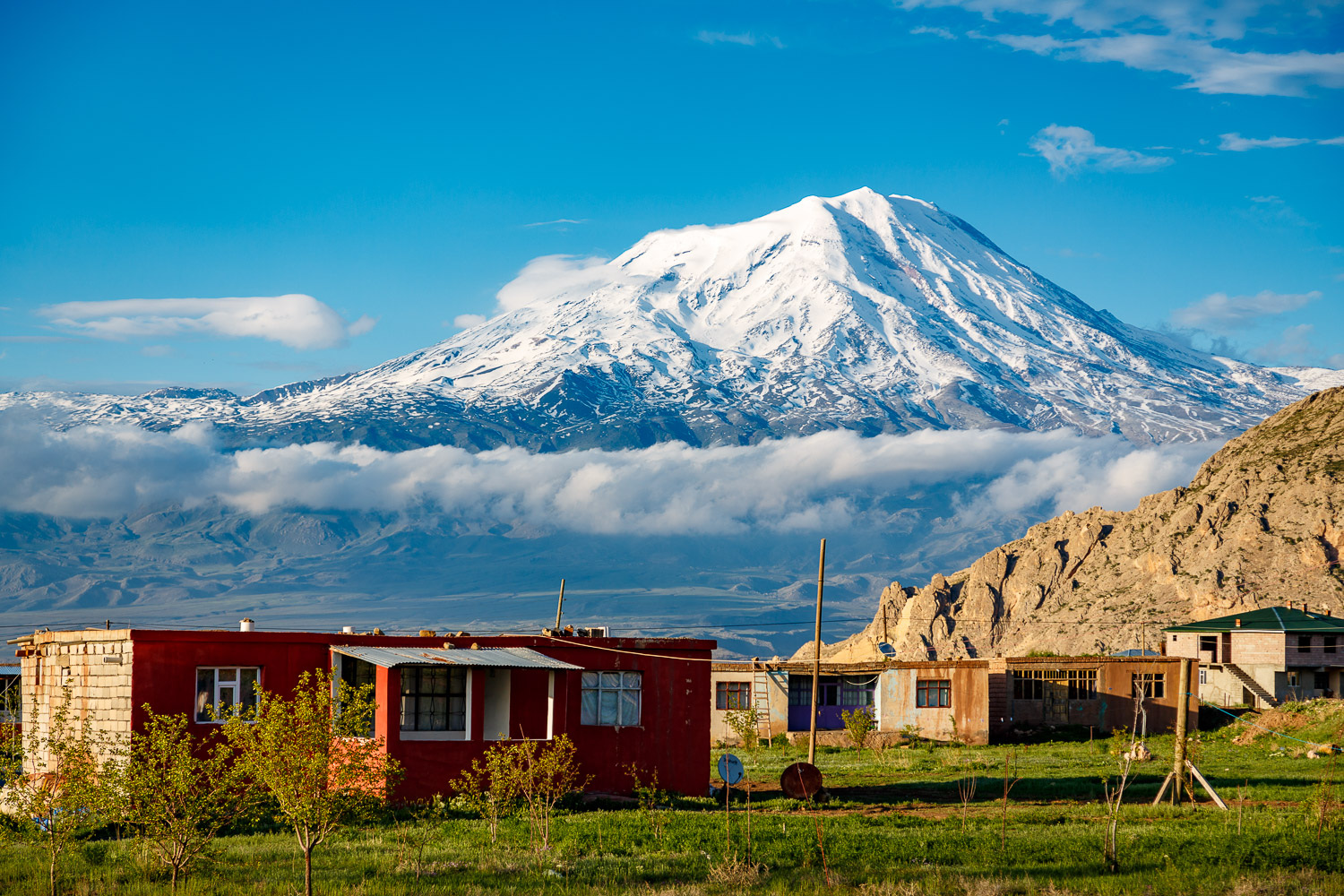
The famous mountain from the book of Genesis where Noah's ark supposedly came to rest, towers over the houses on the outskirts of Doğubeyazıt
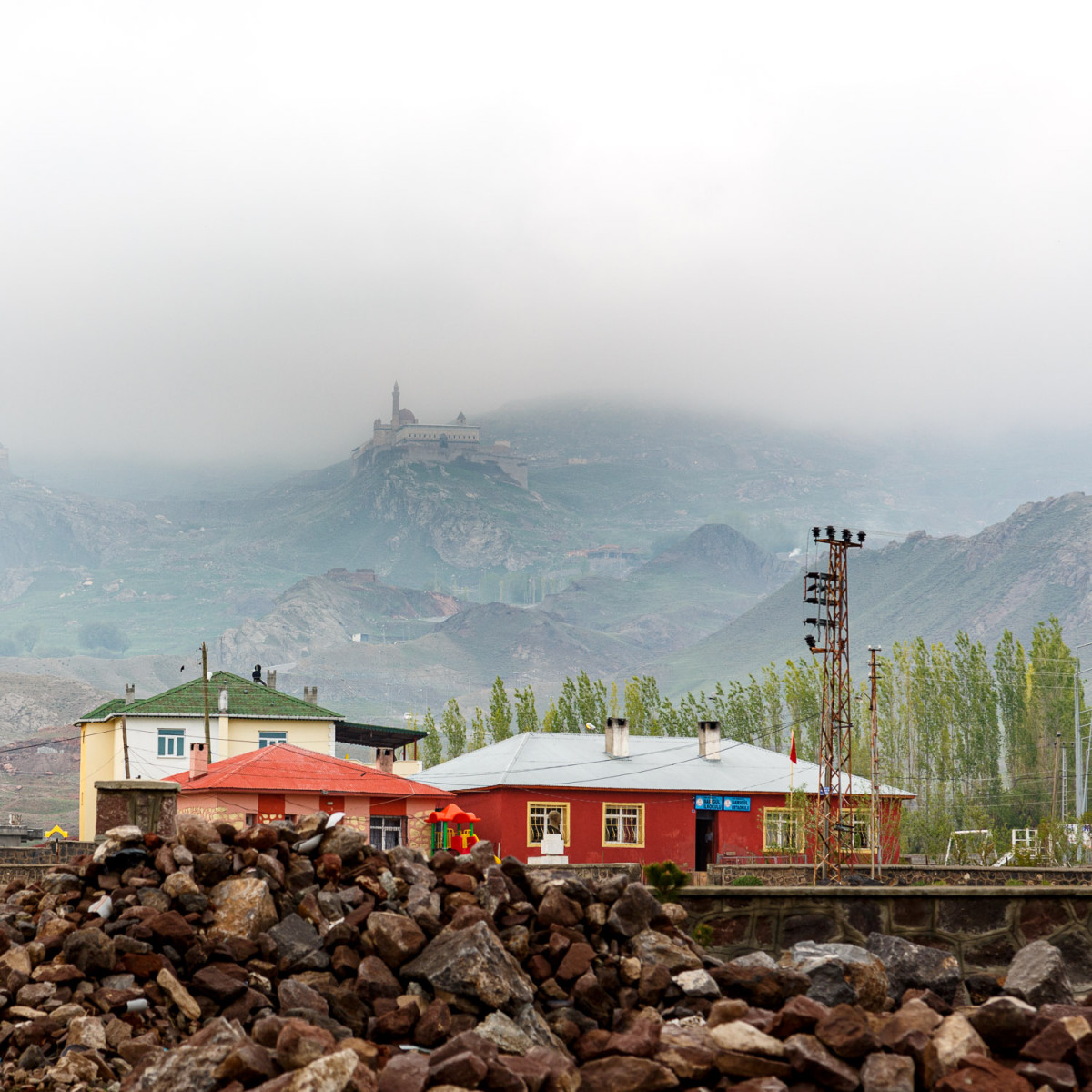
The Ishak Pasha palace emerges from the early morning mists.
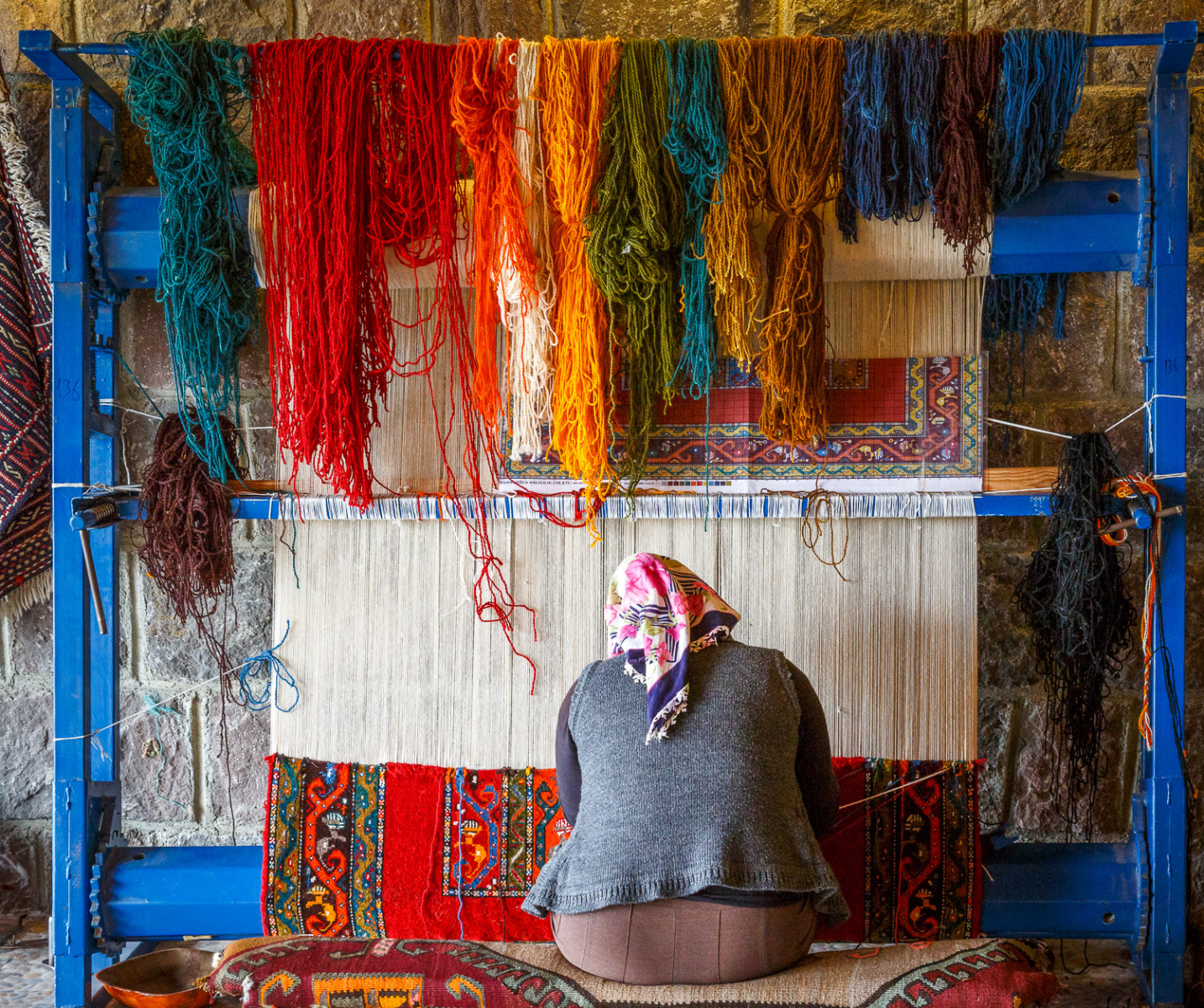
A local woman in Doğubeyazıt works at her loom weaving a carpet. It can take a year or more to produce a single large carpet.
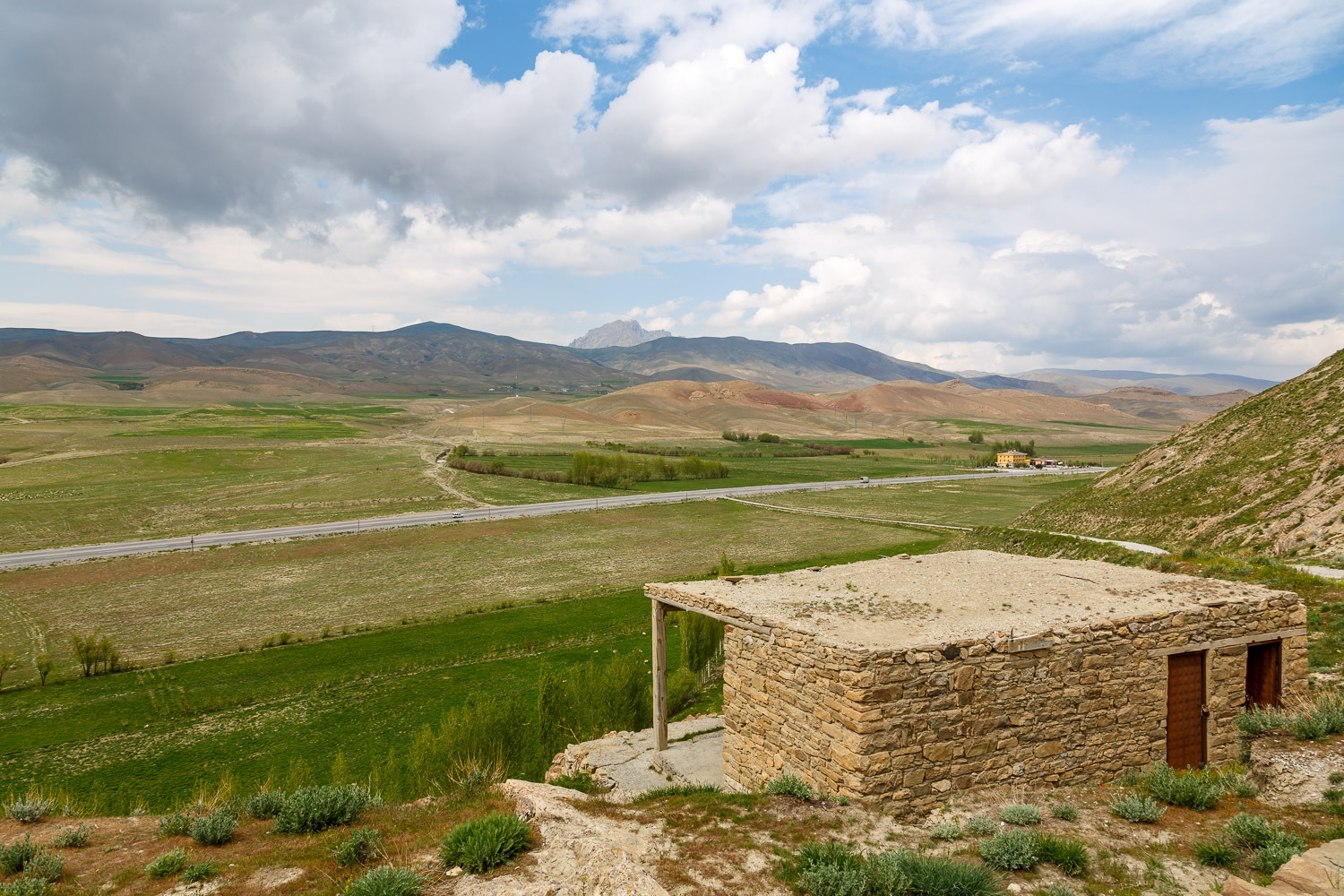
A view from the ruins of the Çavuştepe castle near Van. The building the foreground is a hut used by the old guide.
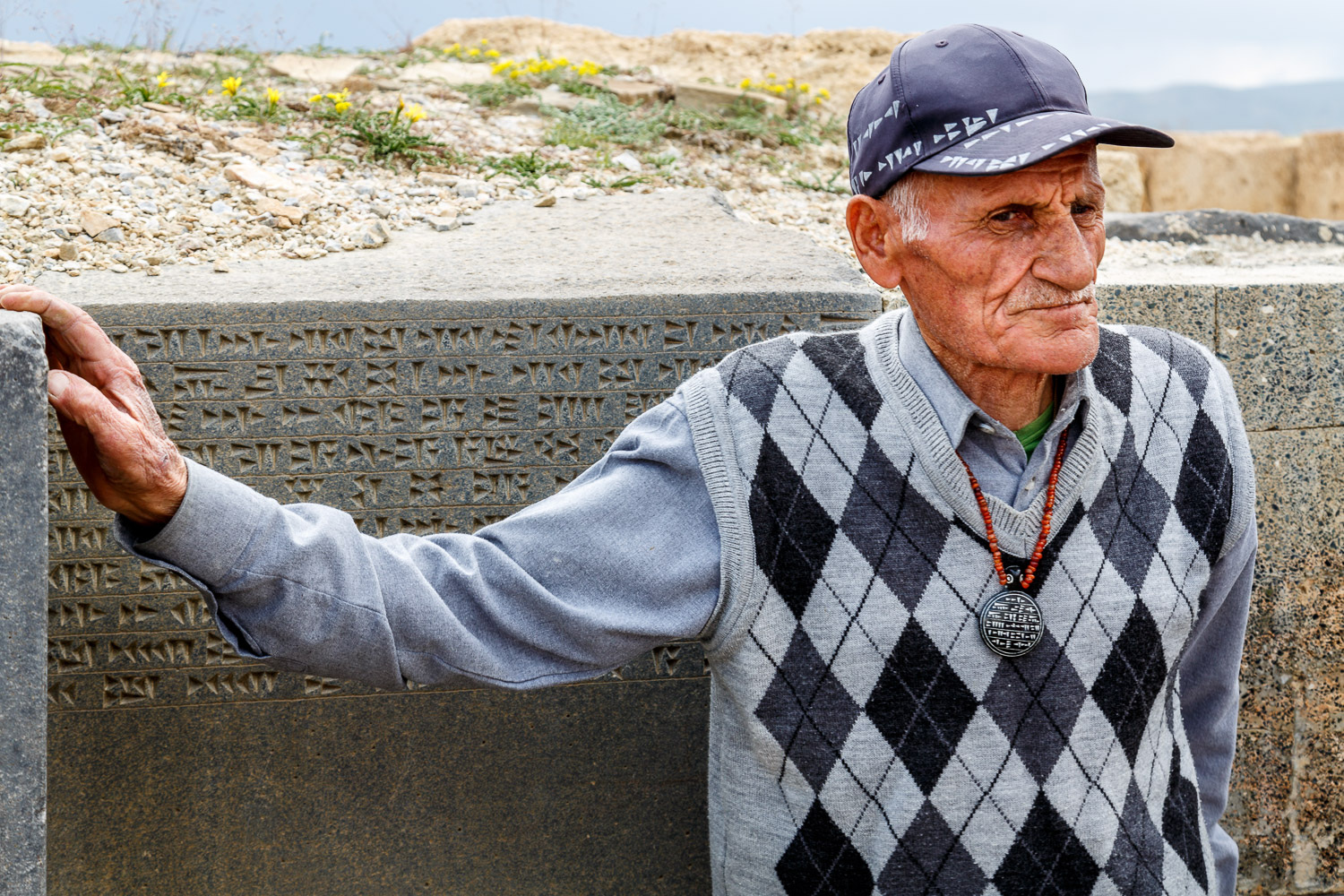
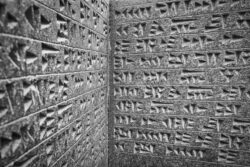
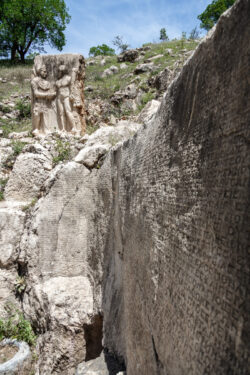
The writing on the wall in the background can only be read by a small handful of people. He set himself the task of learning it and is now one of the youngest left that can still read it. He gets invited all over the world to discuss the script.