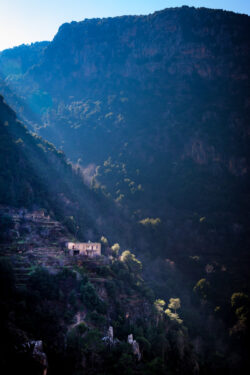
The earliest evidence of civilization in Lebanon dates back more than 7,000 years – predating recorded history. Lebanon was the home of the Phoenicians, a maritime culture that flourished for nearly 2,500 years (3000 – 539 BC). Its location at the crossroads of the Mediterranean Basin and the Arabian hinterland has also dictated its rich history, and shaped a cultural identity of religious and ethnic diversity.
More recently its known for its civil war and conflicts with neighbouring Israel. Although there has been been a relative calm since 2006 and the country is slowly rebuilding.
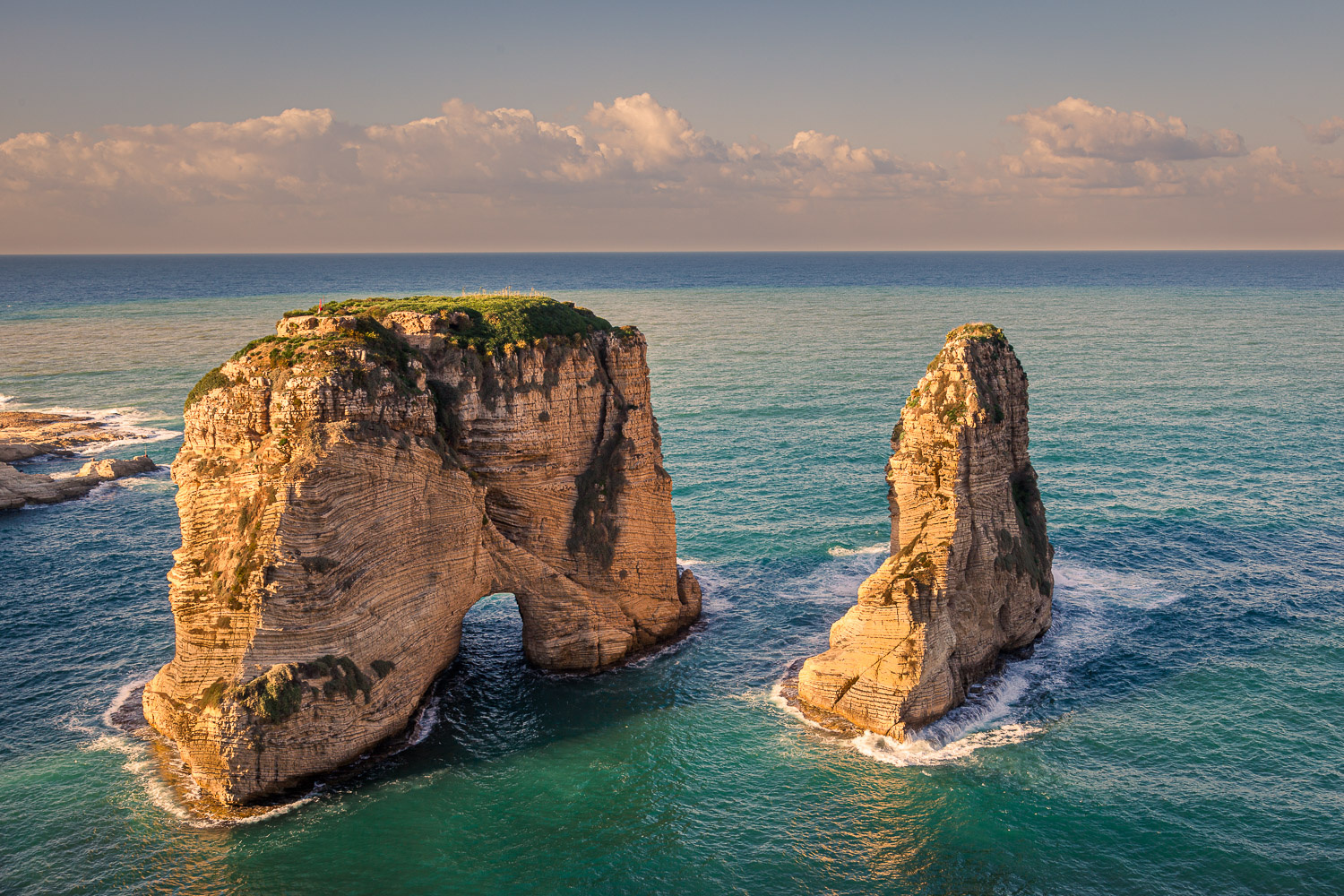
A natural rock formation just of the coast of the Raouché district in Beirut. Quite a popular destination for locals and tourists to take photos.
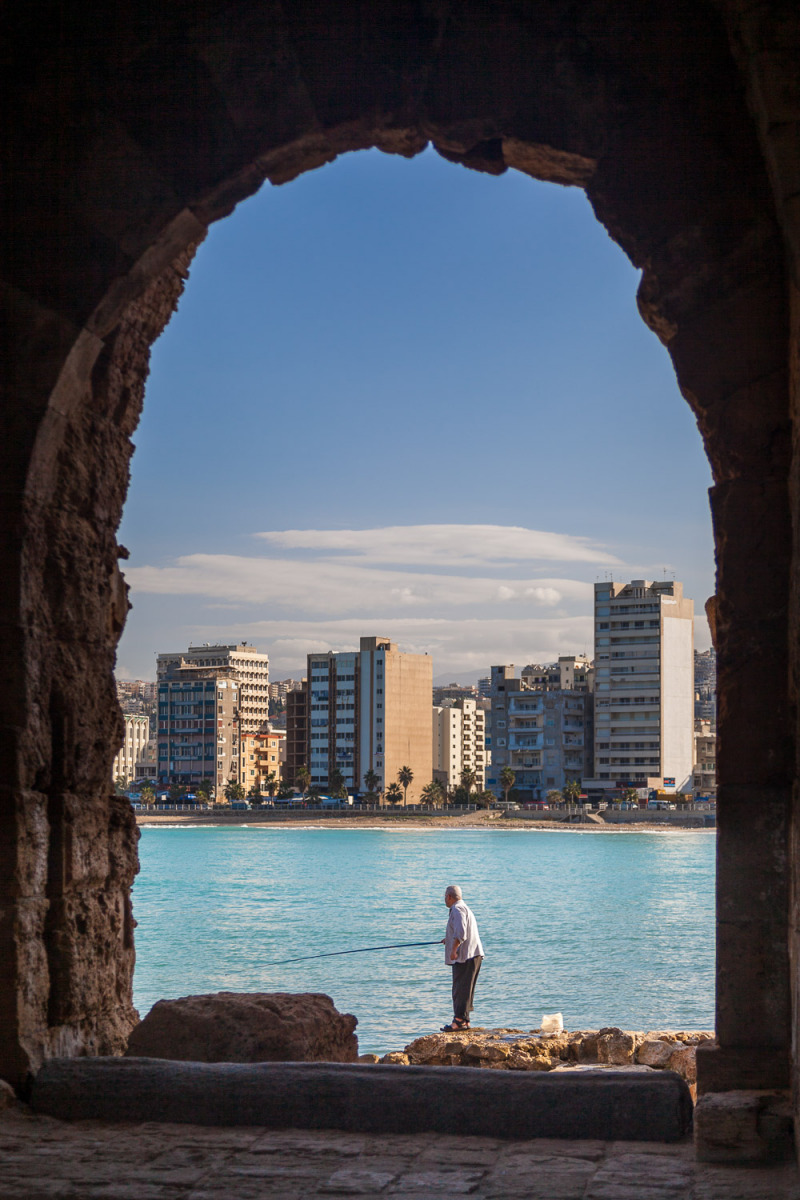
A view through part of the Crusader sea castle ruins as a fisherman tries his luck. In the distance is Sidon.
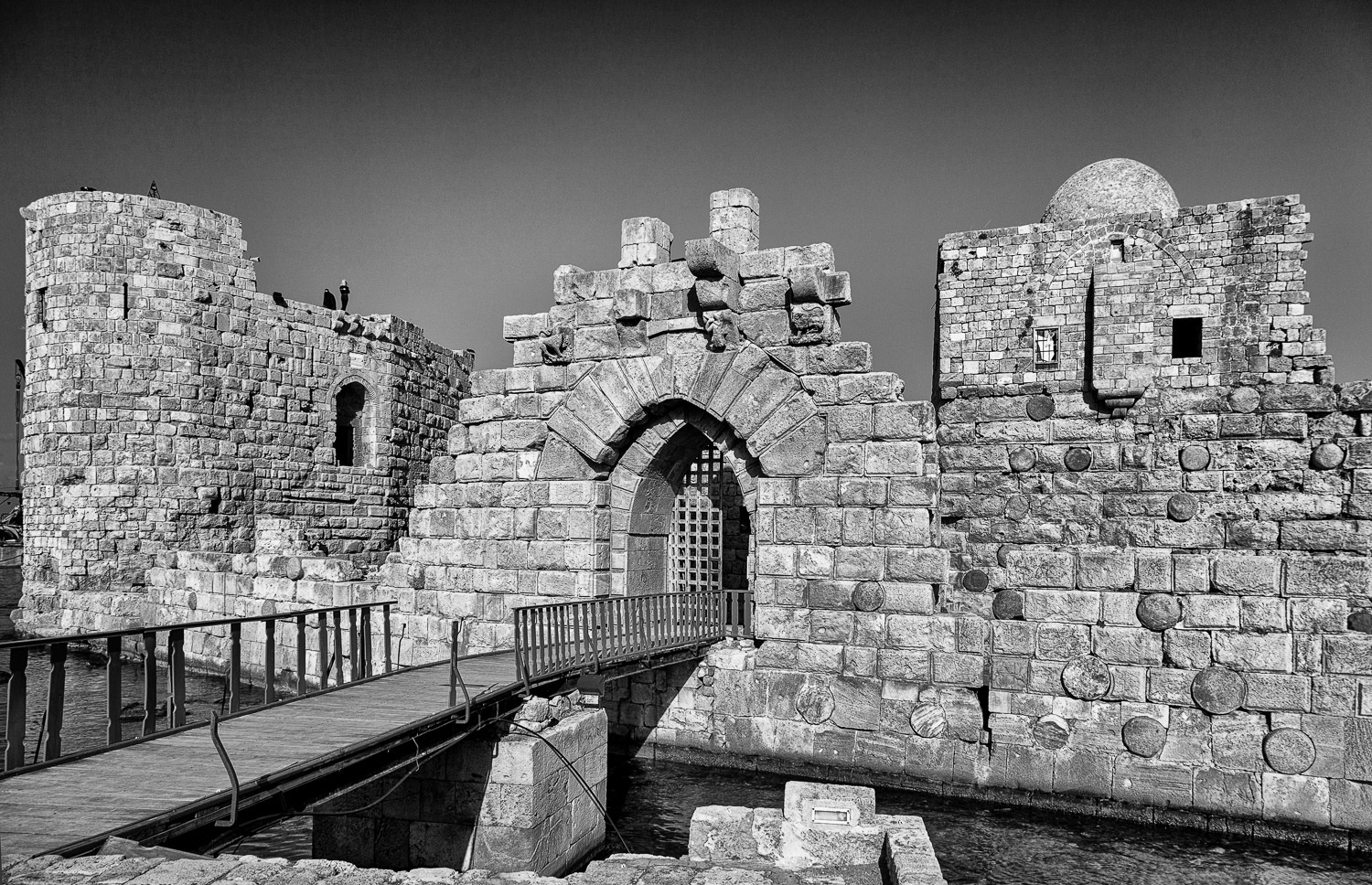
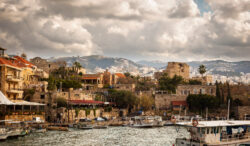
The ruins of this 13th century Crusader castle jut out into the sea at Sidon
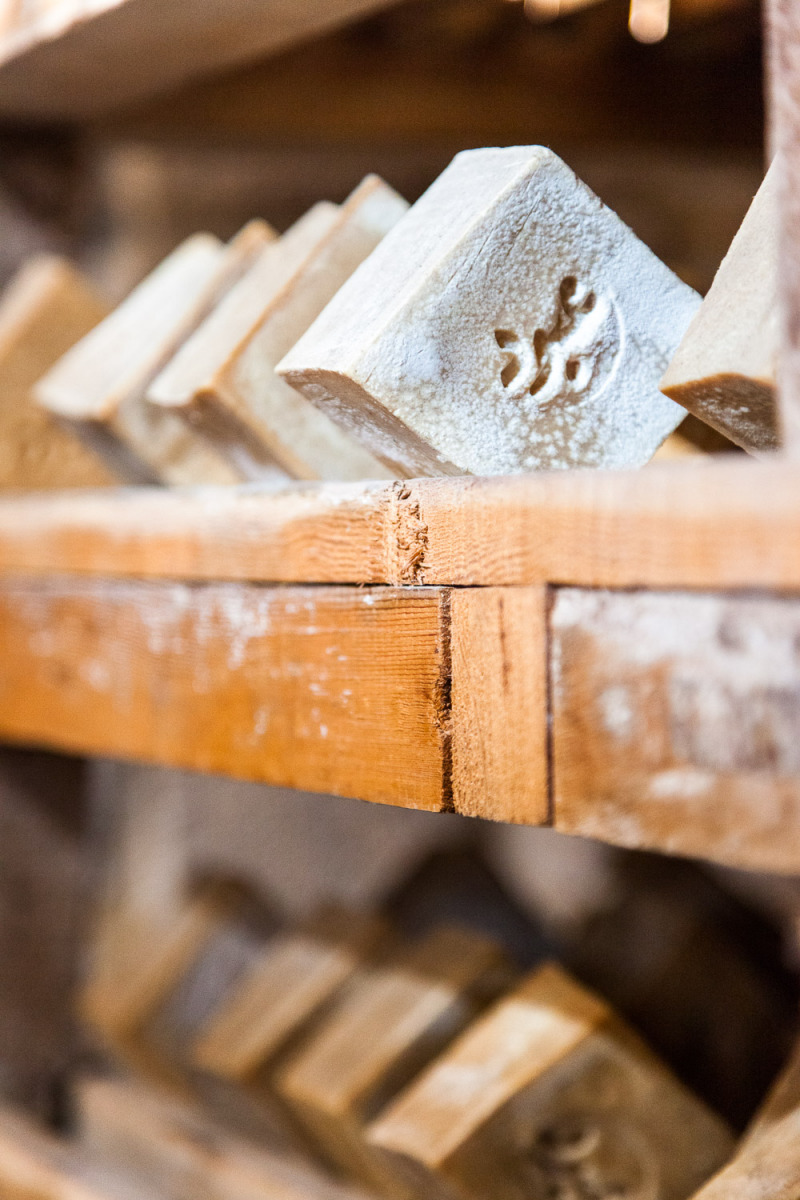
Soap drying on a rack at the Audi Foundation Soap Museum
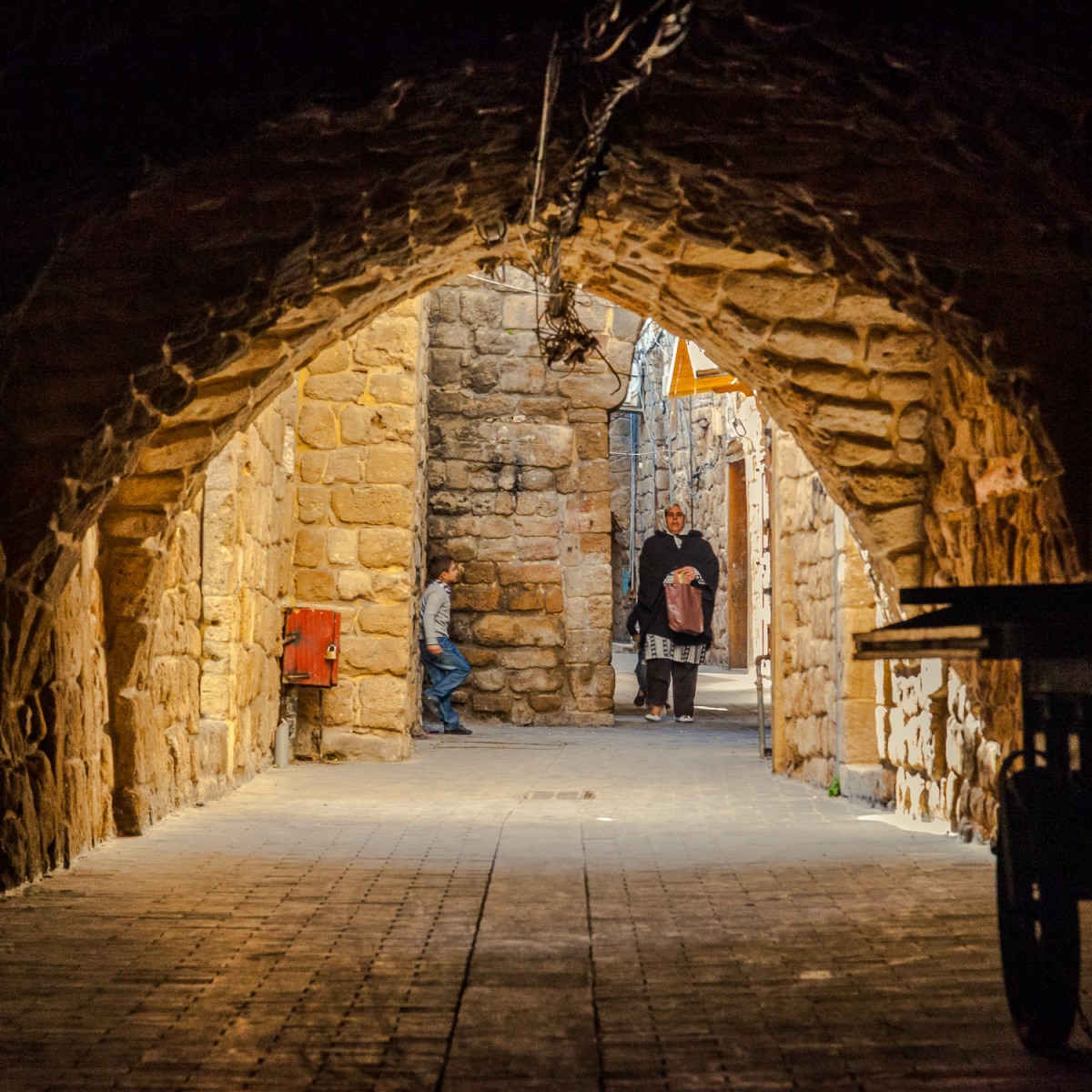
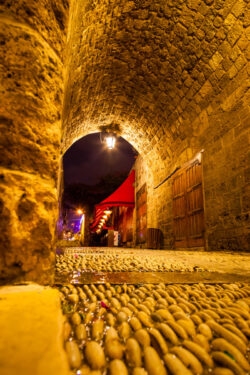
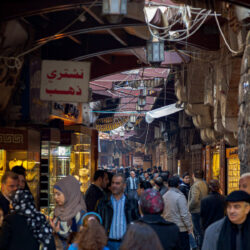
Underneath and at the back of some of the buildings in SIdon run narrow alleys and a small souk.
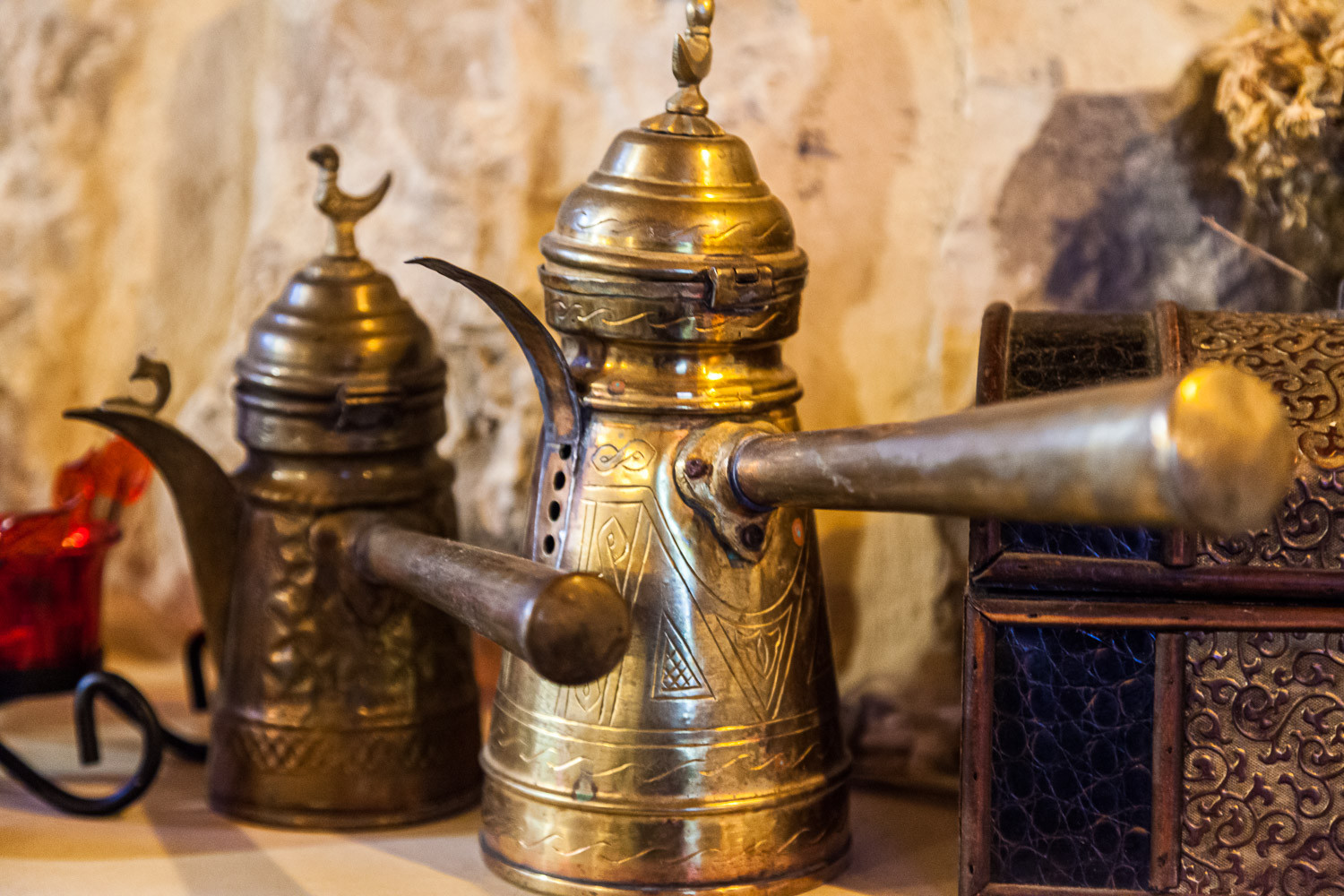
A couple of coffee pots sit on the mantlepiece above the fire in a family home
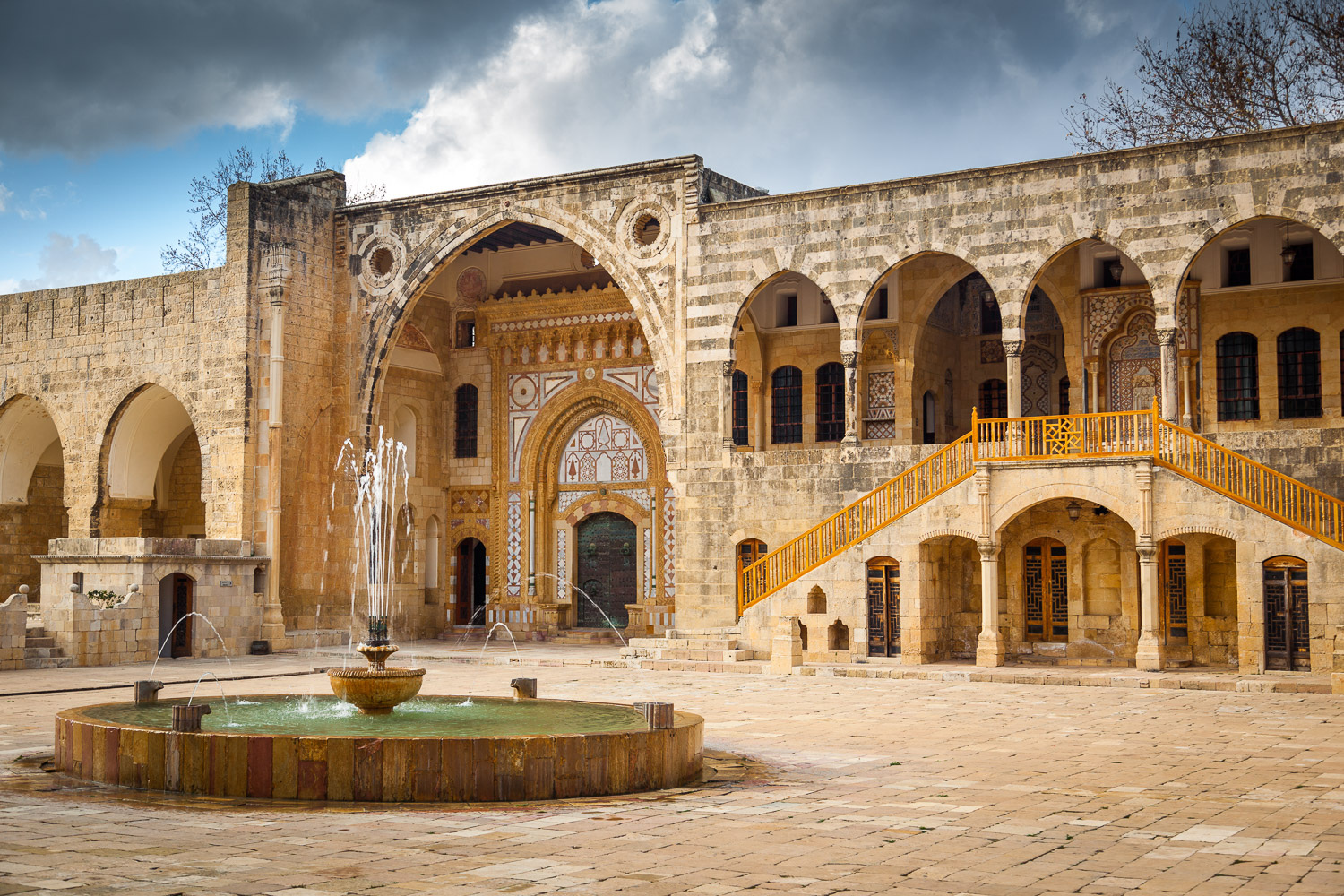
A view from the courtyard of the palace
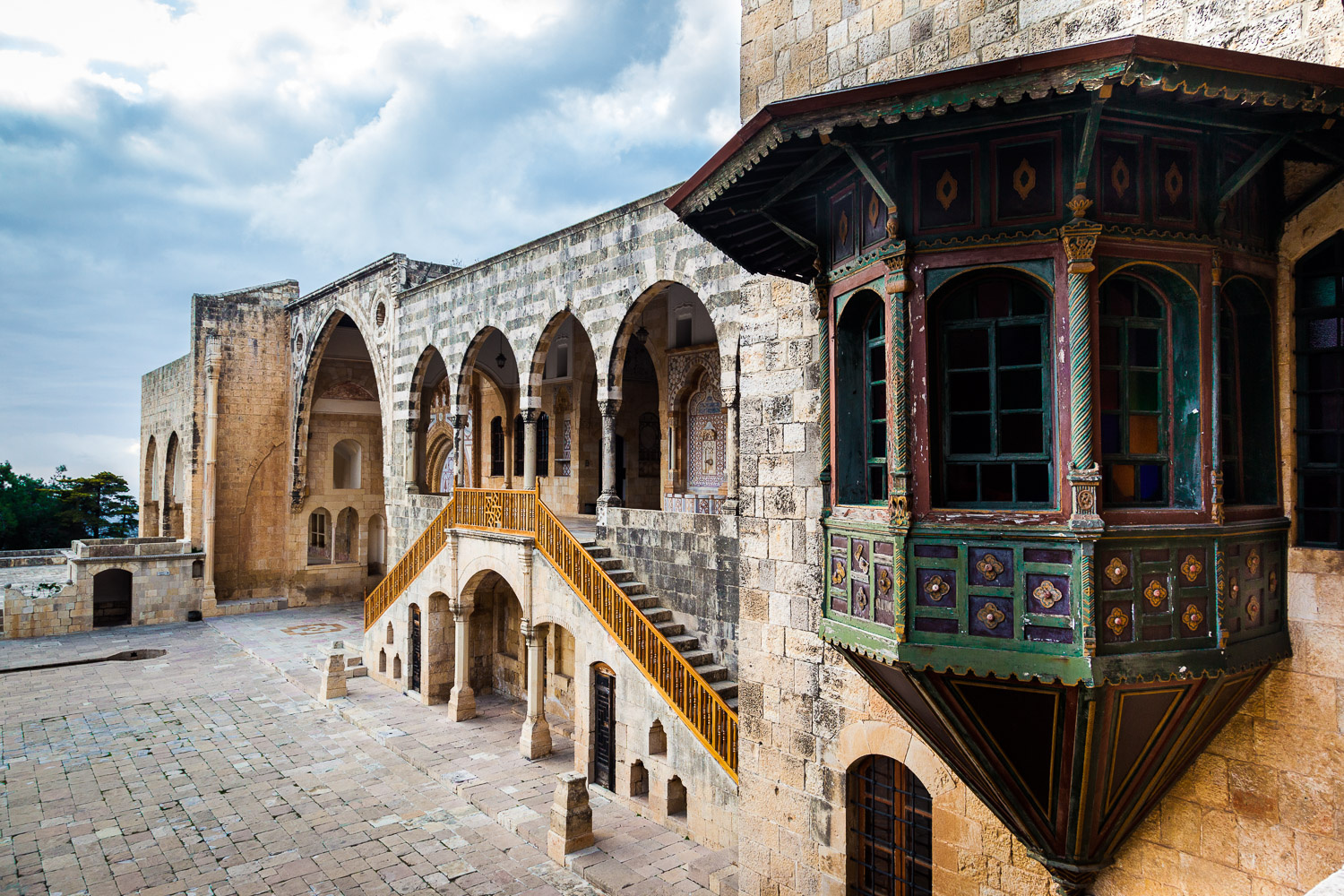
A carved wooden bay window stands out from the walls of the Beittendine Palace
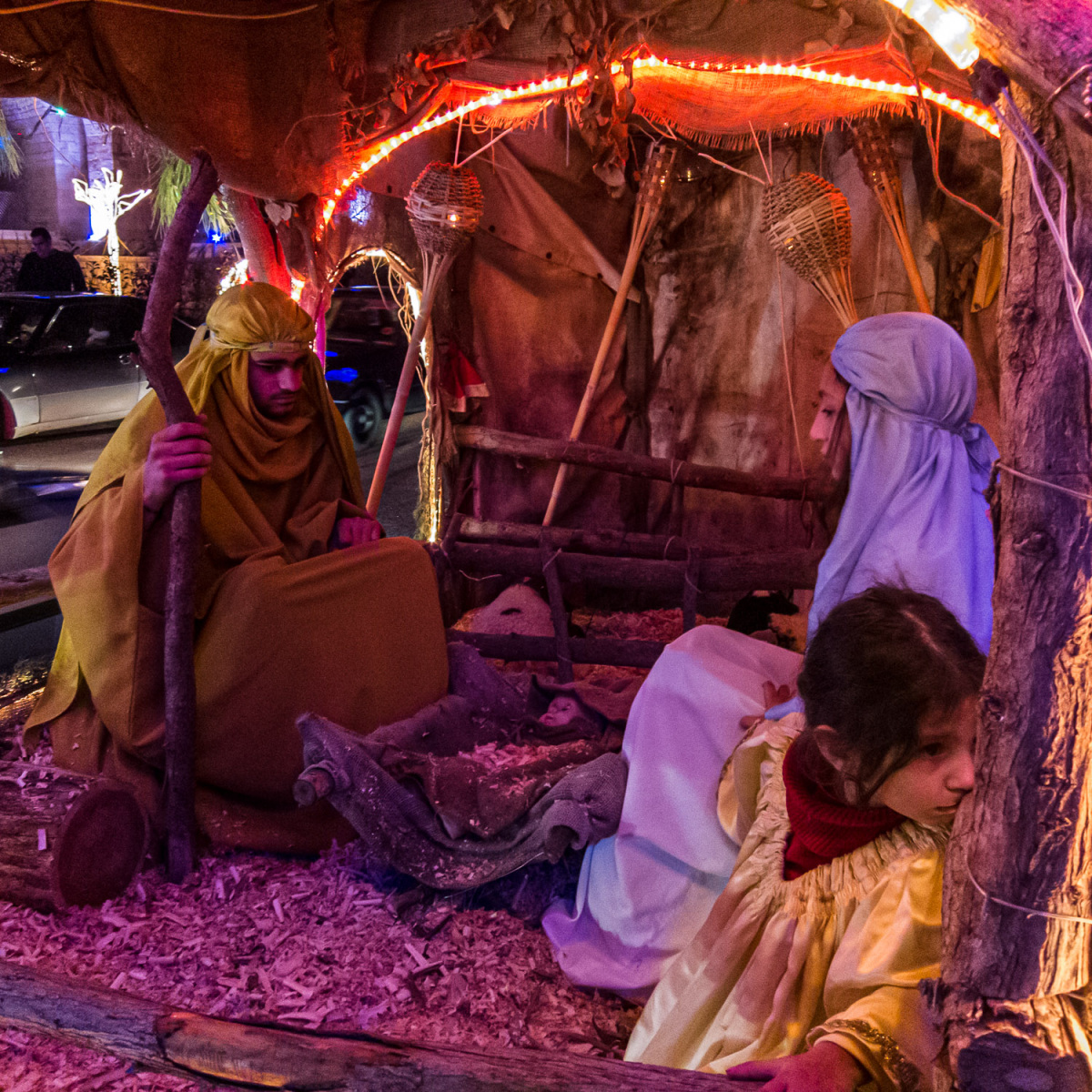
The hearland of Lebanon is quite Christian and we ran across this float containing Joseph, Mary and Jesus complete with Shepard and sheep on the way to dinner one evening
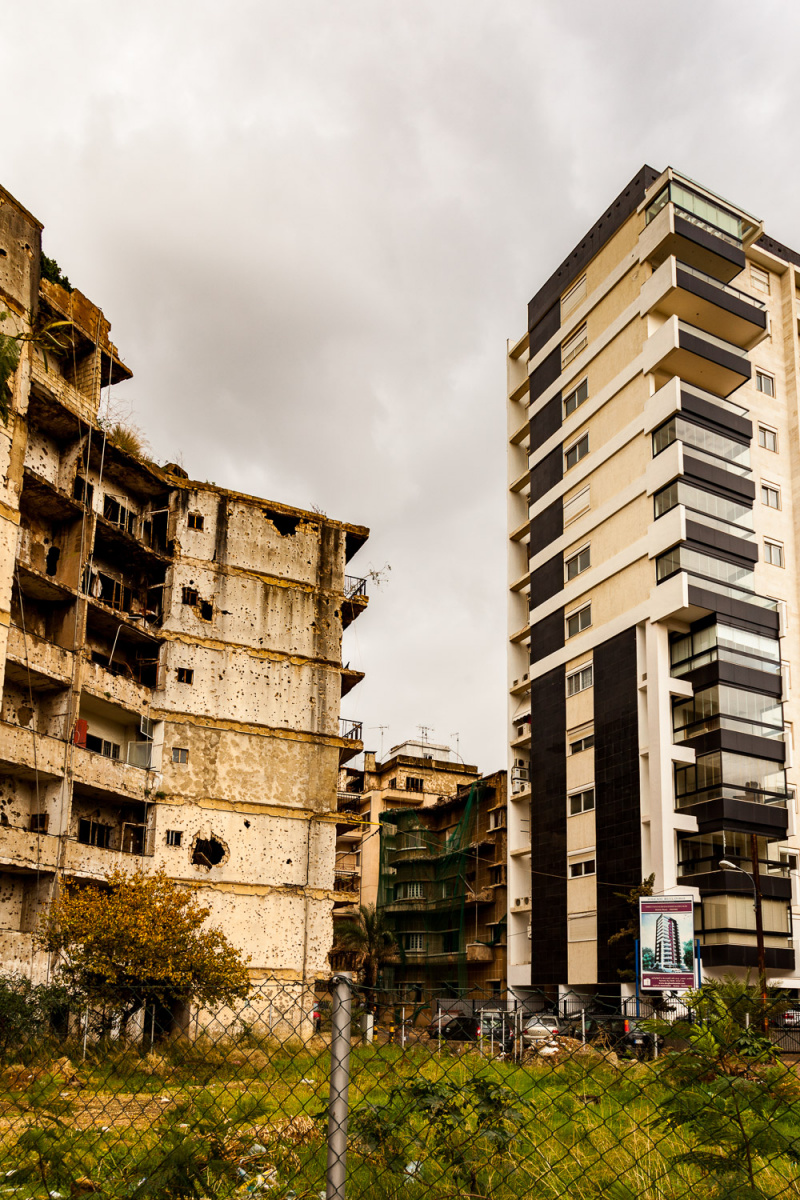
Beirut is slowly rebuilding. Here a bombed and bullet-marked building stands next to a new development
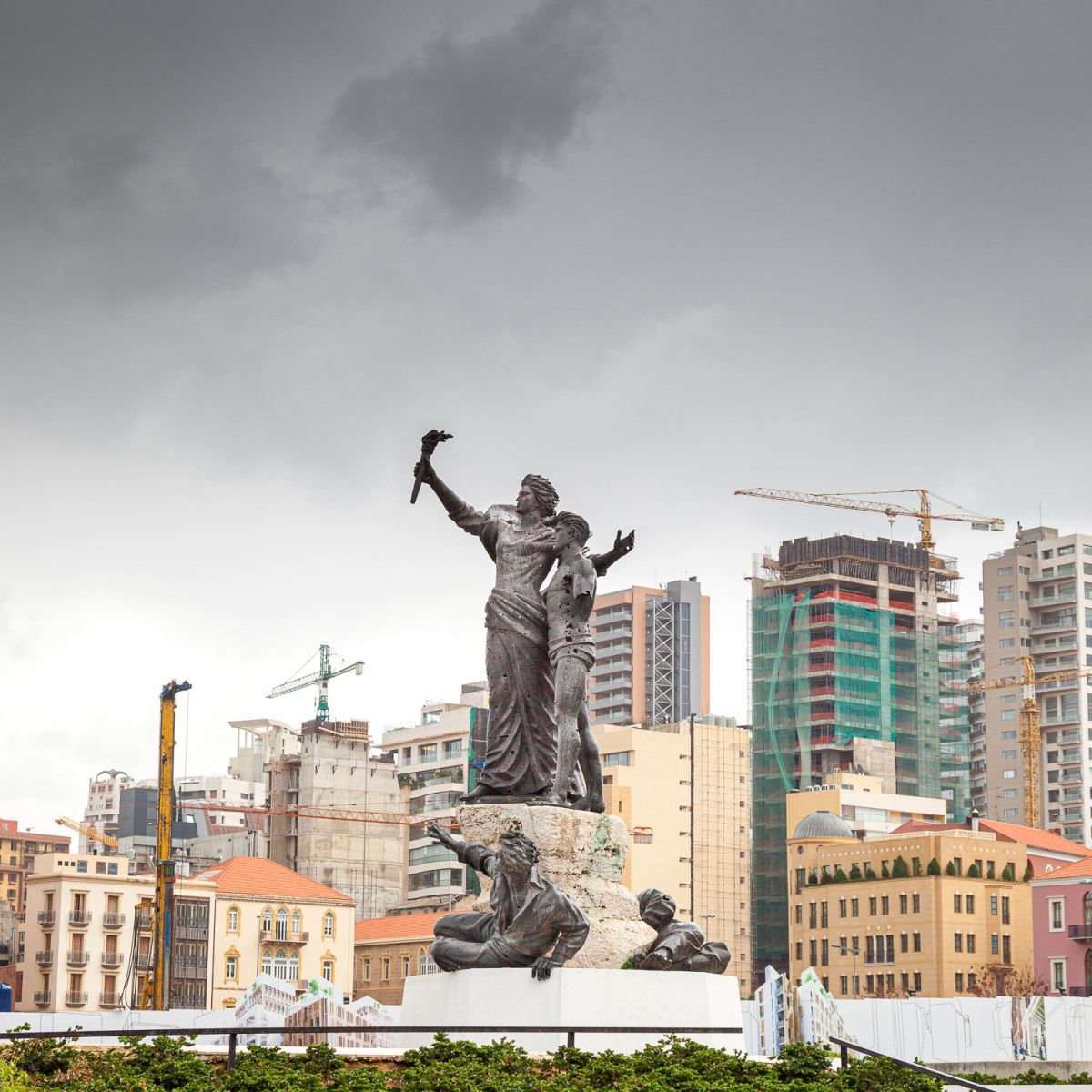
In the foreground, the statue in Martyr's Square. In the background redevelopment pushes ahead
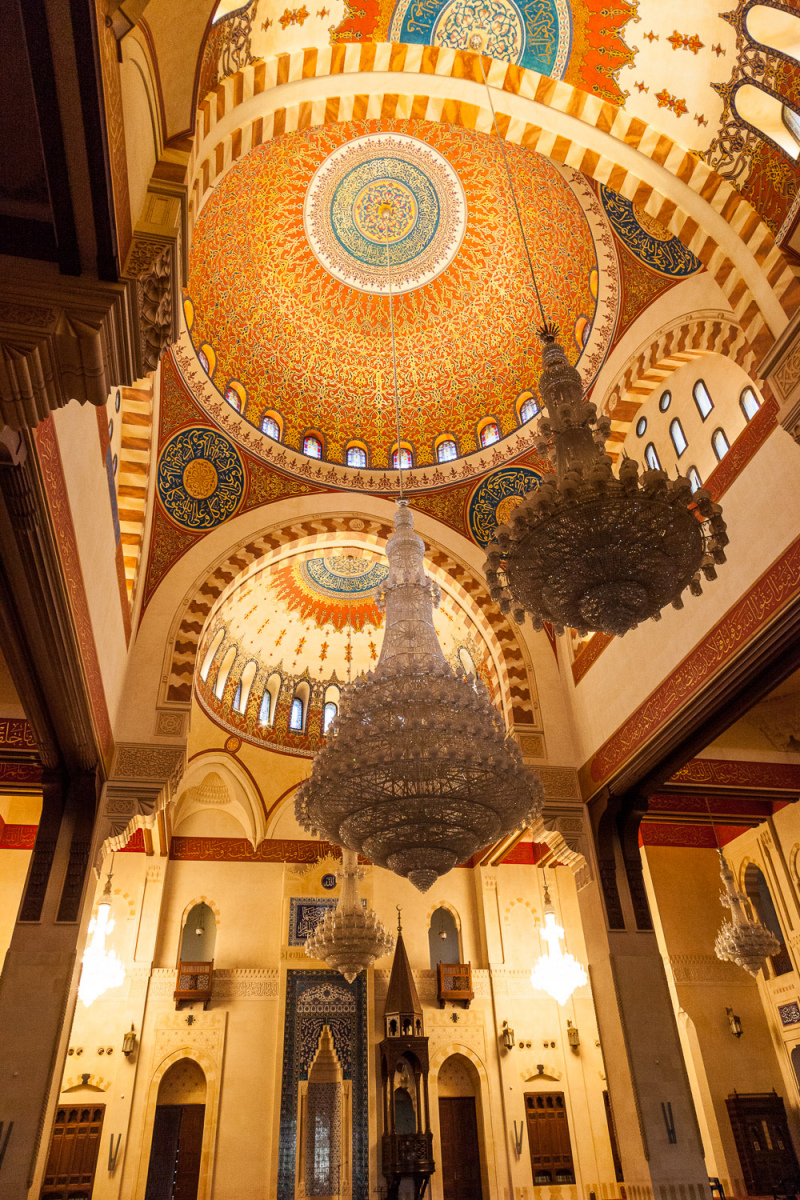
Interior of the mosque
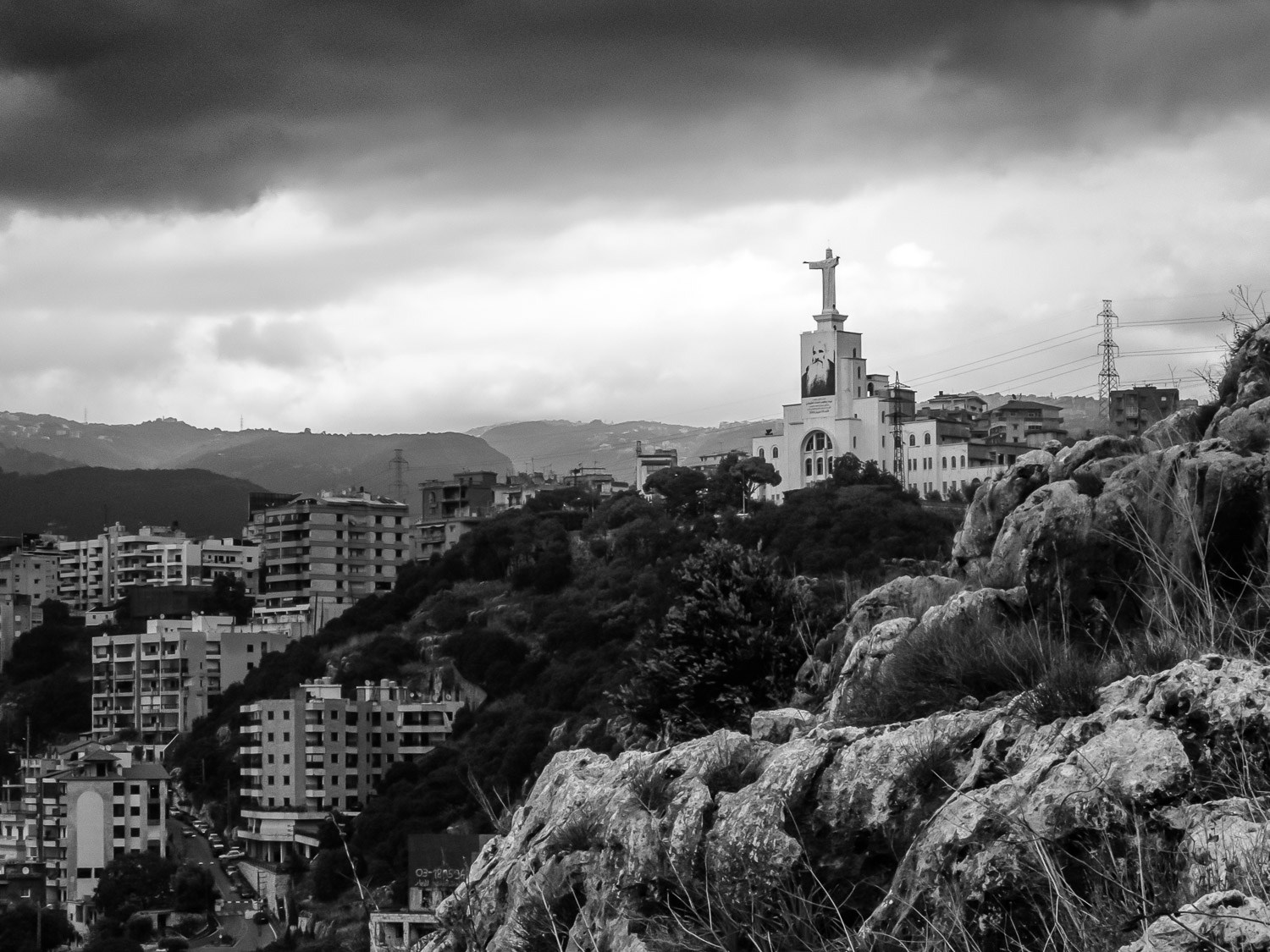
A figure of Christ with outstretched arms sits atop a monastery next to the dog river.
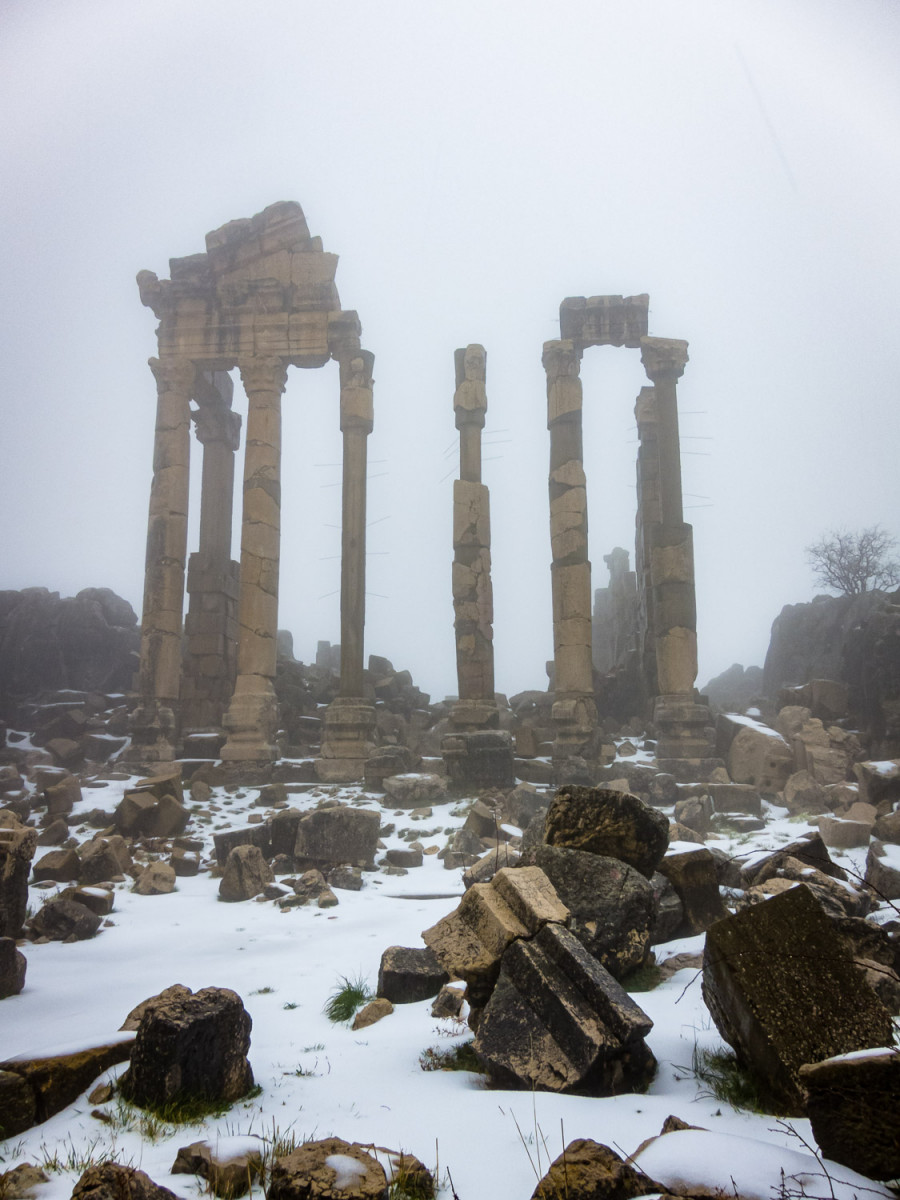
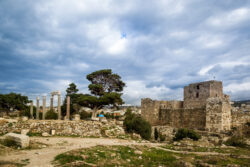
The ruins of a Roman Temple looms out of the mist and snow.
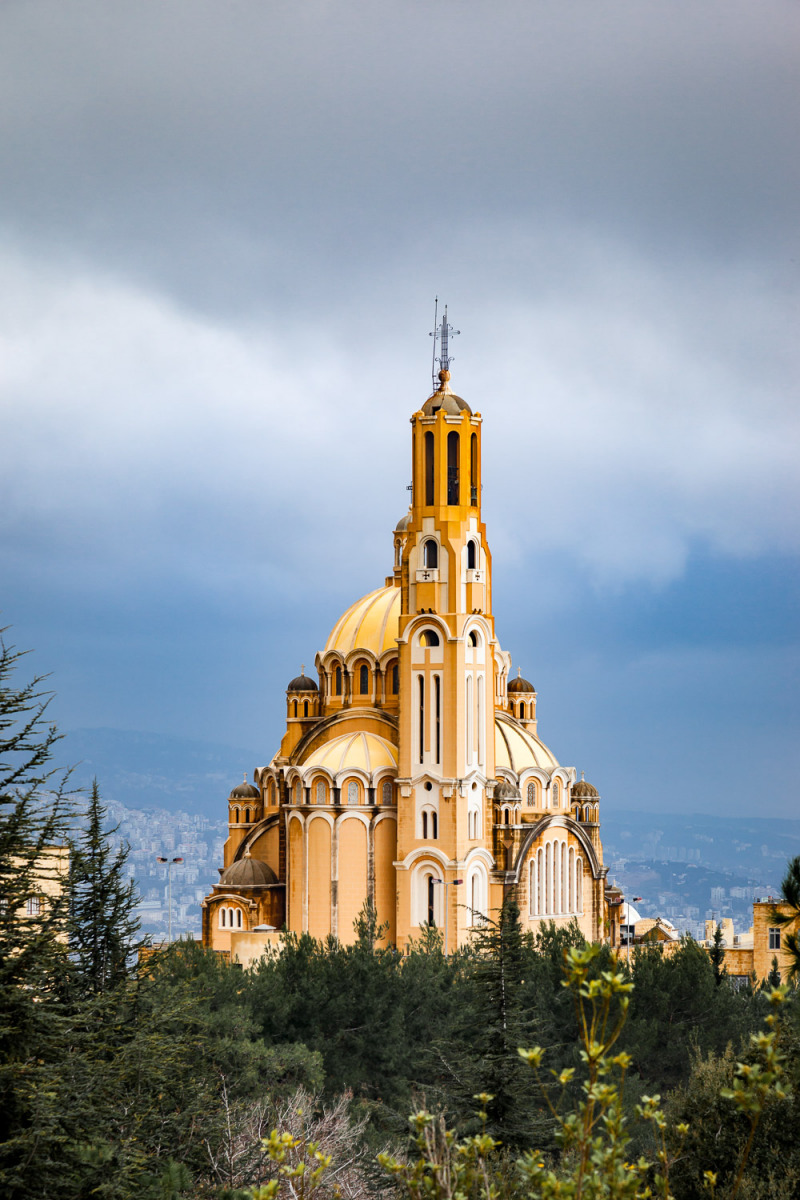
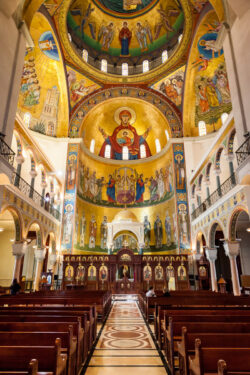
The view of St Pauls Cathederal from Our Lady of Lebanon
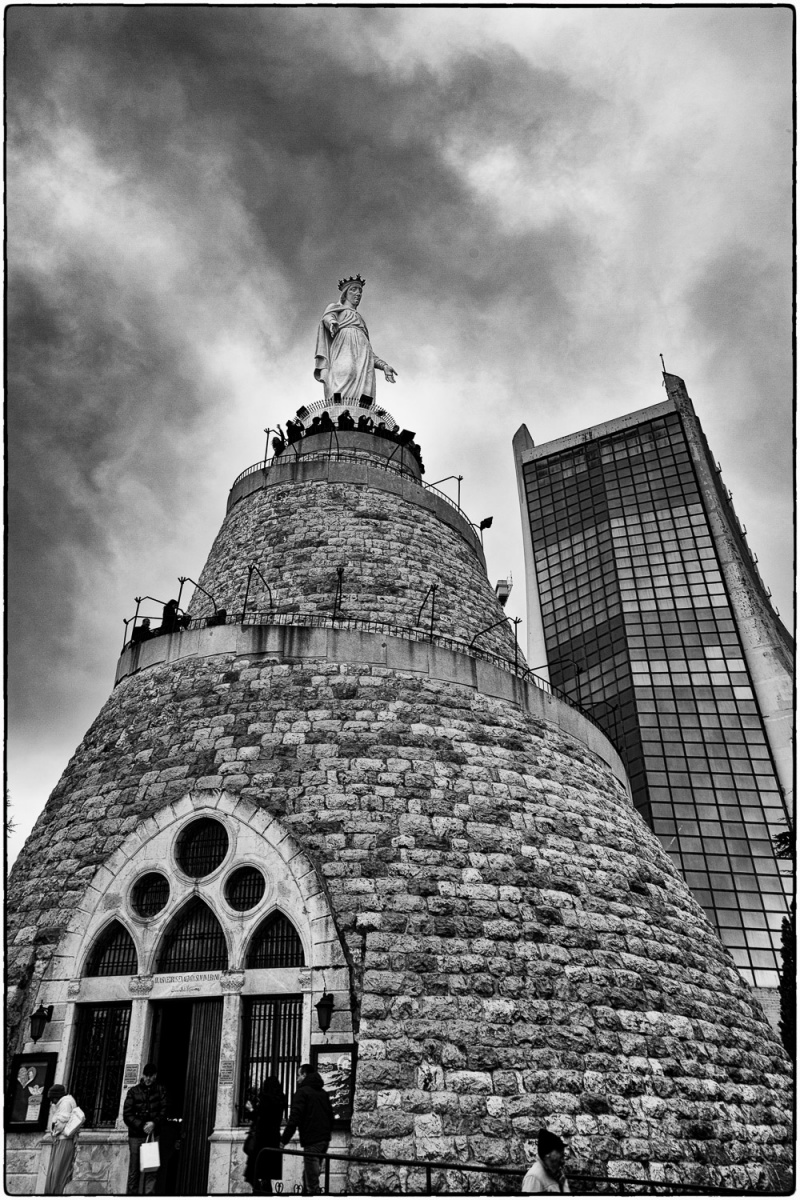
Famous staue of the virgin Mary near Harissa