
Namibia is one of few countries in the world to specifically address conservation and protection of natural resources in its constitution and it shows.
The lodges are superb and the fact we were able to see so many animals (as you’ll see in the album) is testament to the good management of the various national parks.
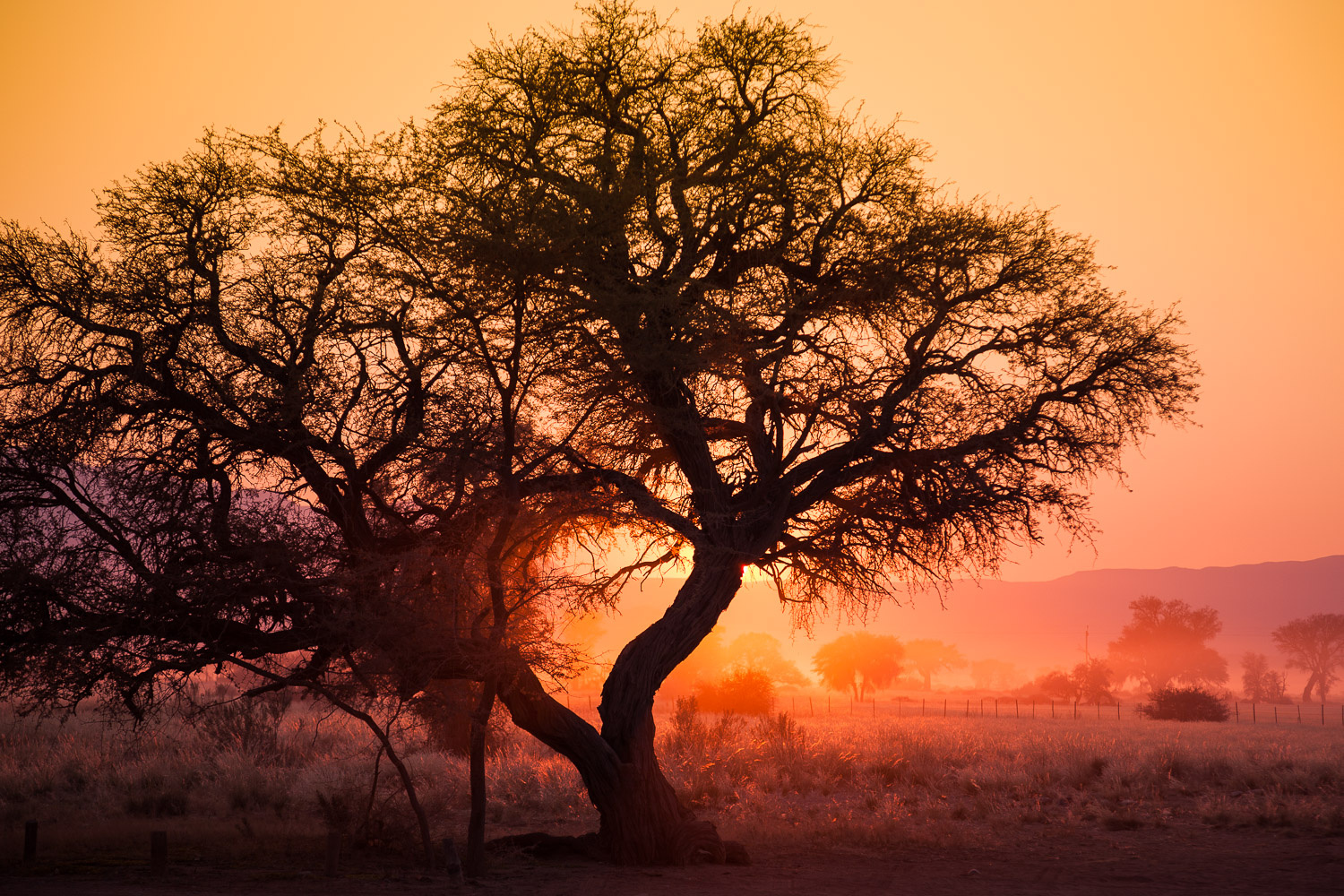
The sun rises over the hills int he distance as we arrived at Sossusvlei.
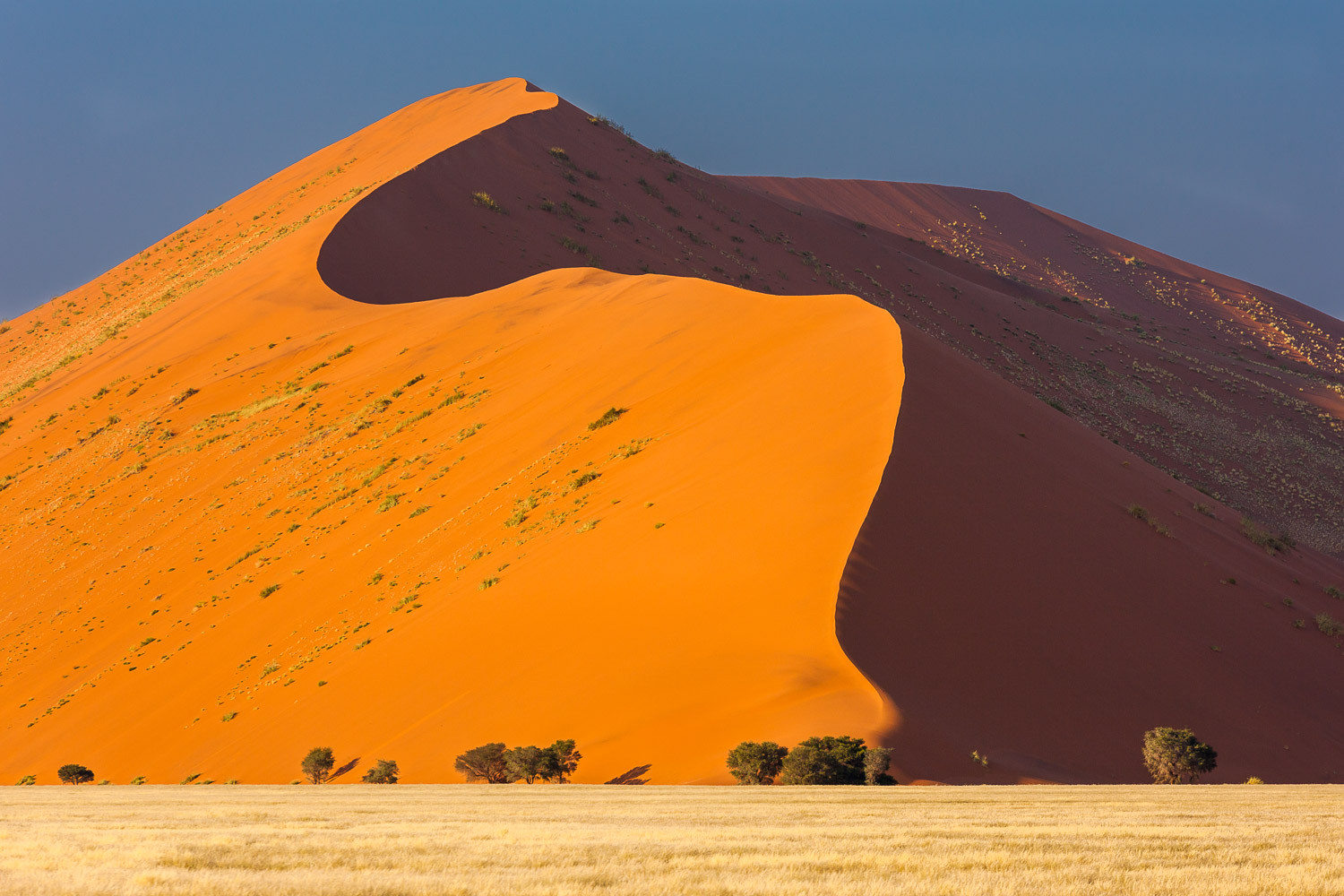
One of the towering dunes at Sossusvlei in Namibia
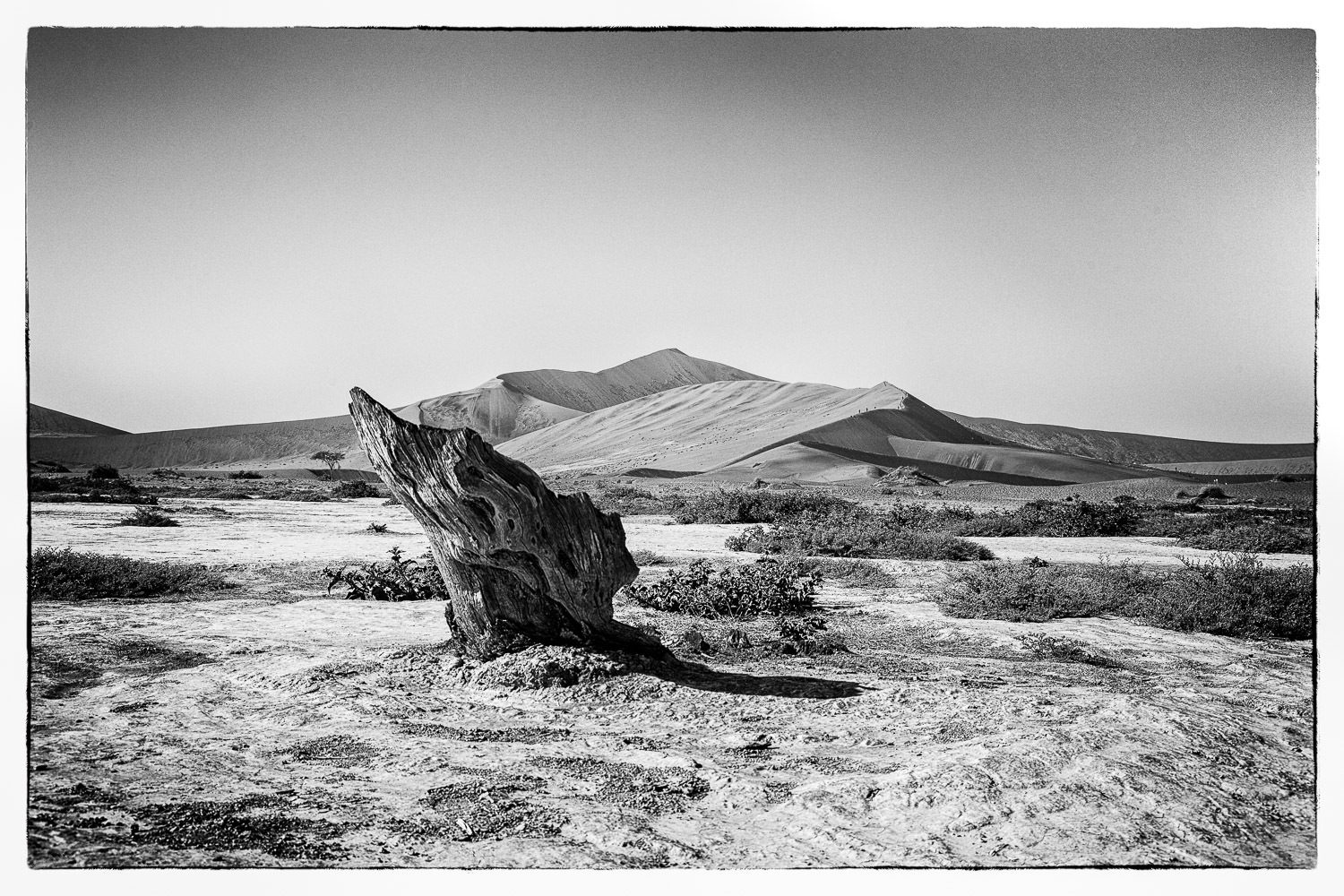
The remains of a dead tree at Sossusvlei, Namibia
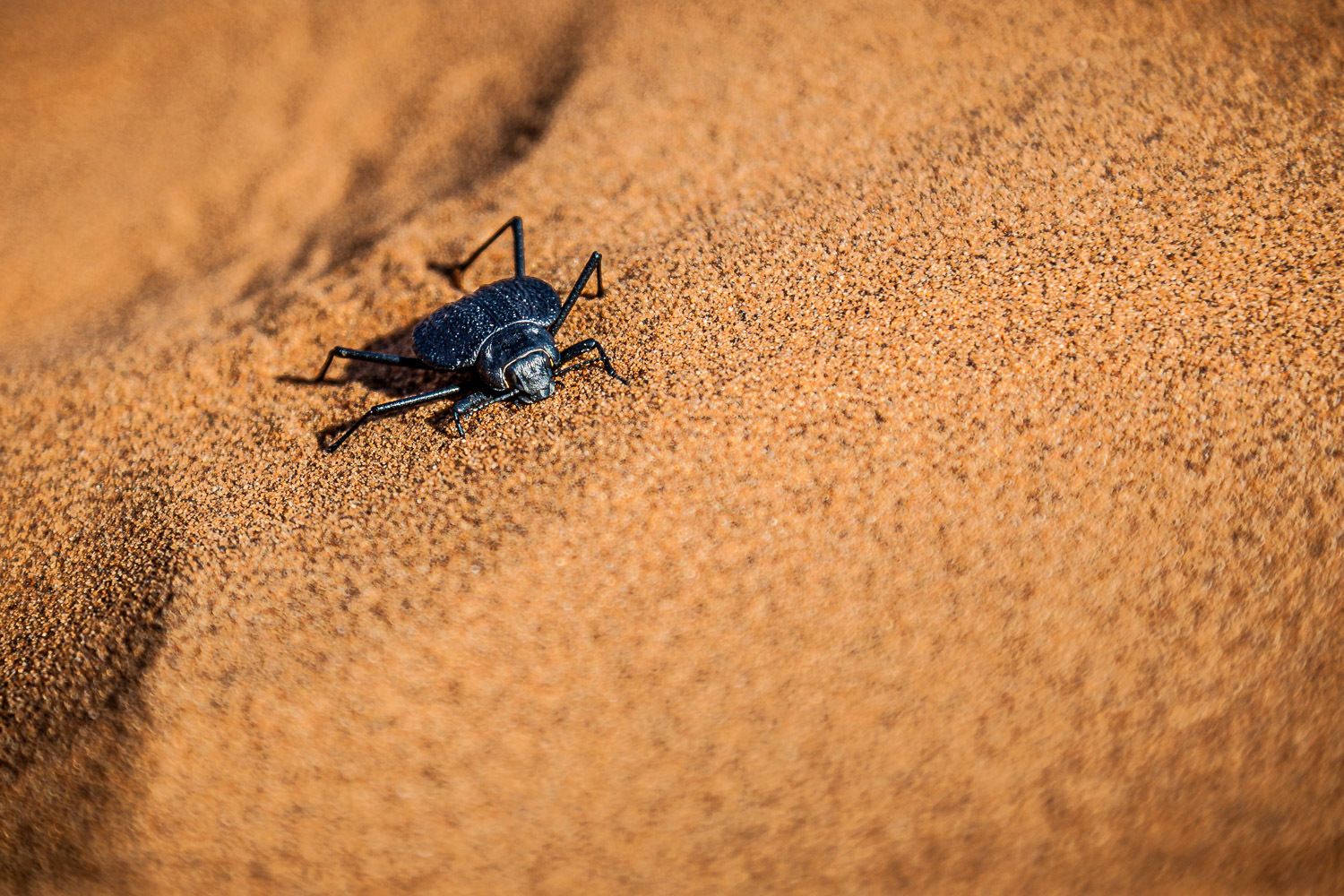
We came across quite a few of these beetles in the Namib-Naukluft park at Sossusvlei.
Becuase it lives in a desert, it drinks by using its own bumpy back surface, which causes accumulation of water droplets. To drink it stands on a small ridge of sand. Facing into the breeze, with its body angled at forty-five degrees, the beetle catches fog droplets on its hardened wings and back. The droplets accumulate and coalesce until their combined weight casues them to roll down the beetle's back to its mouth.
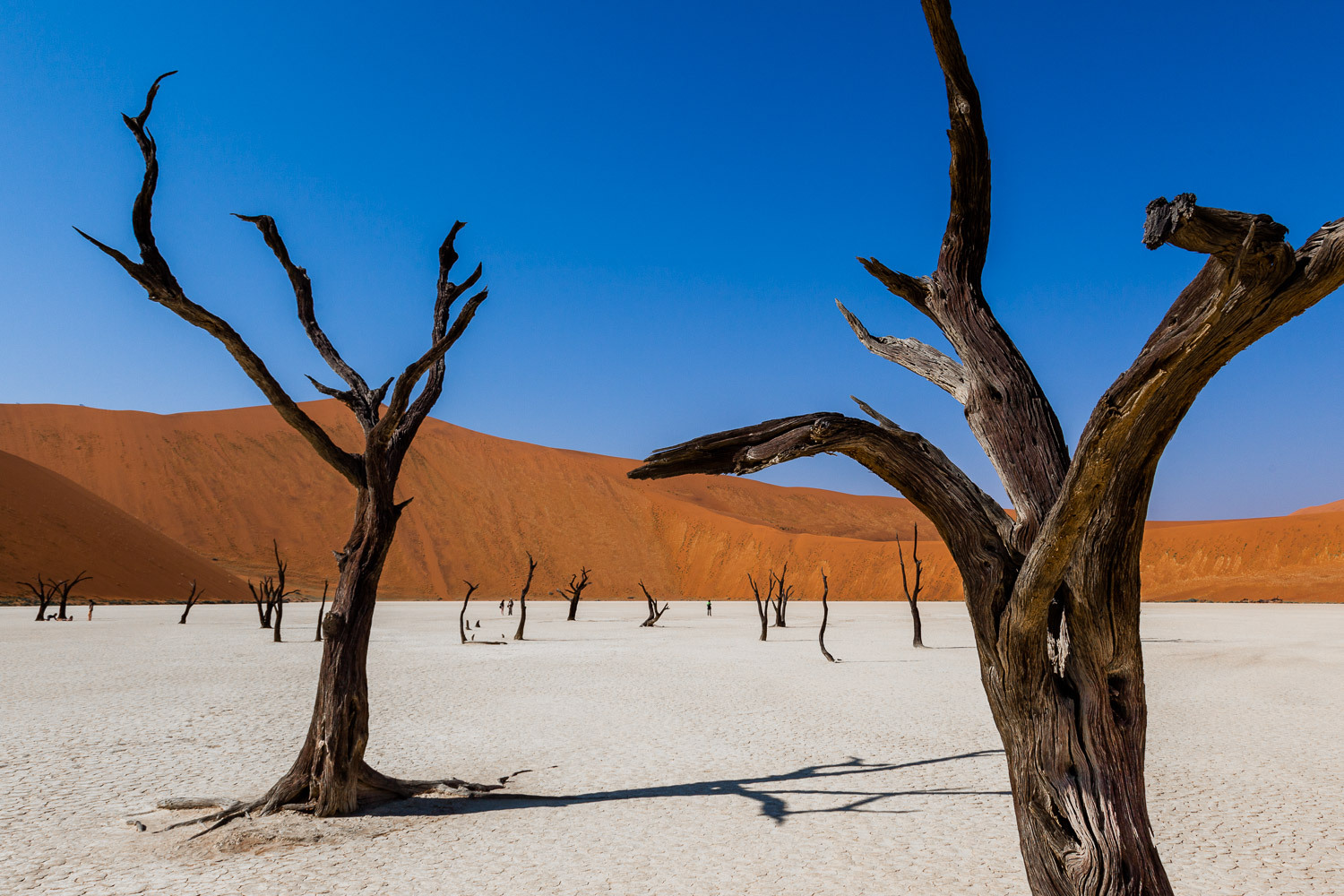
A common shot in many of the guides! The dead trees in a dried out lake bed hidden amongst the dunes at Sossusvlei
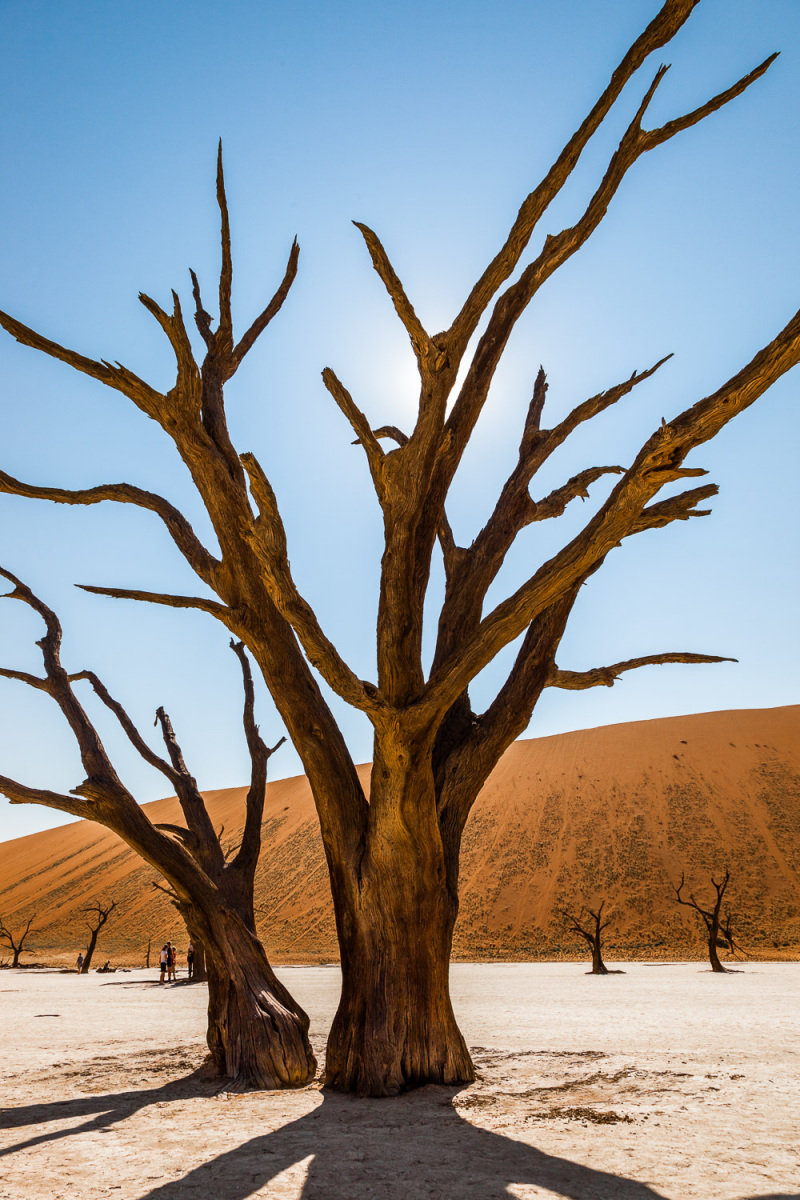
More of the barren dead trees in the dunes at Sossusvlei.
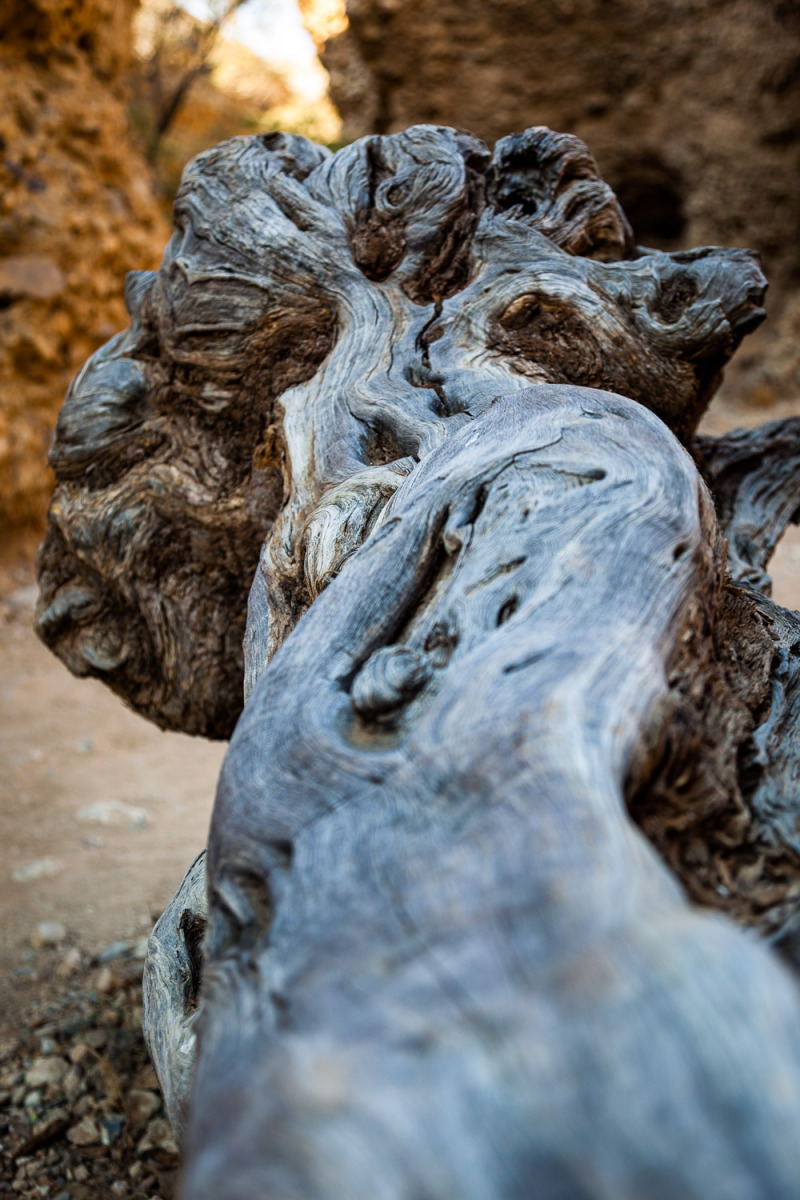
An old garnled tree trunk worn smooth by the seasonal water flow in the Sesriem Canyon
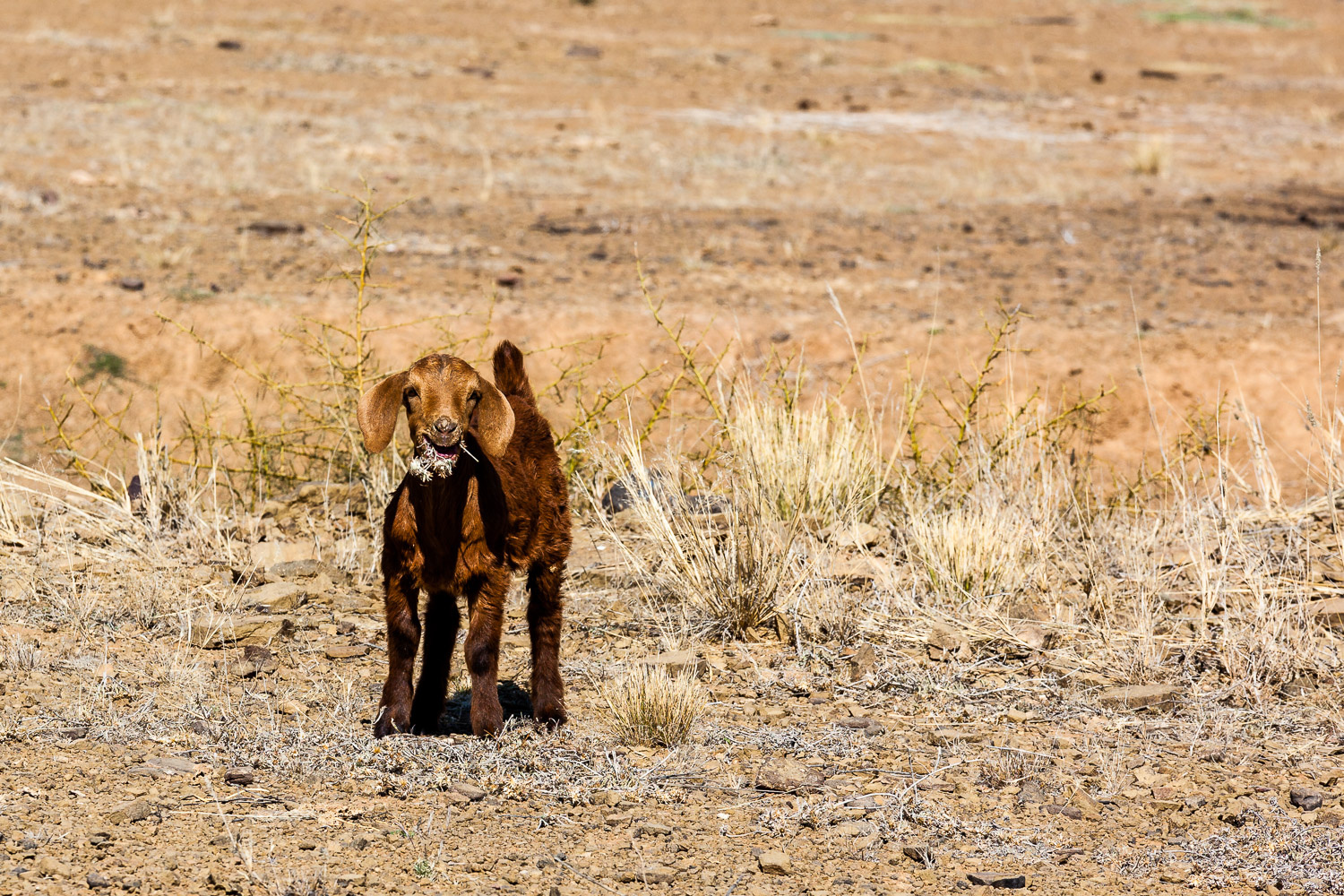
Bad joke I know!
One of the lodges we were staying at bred goats. Wandering around one morning I came across them grazing and this young one was impossibly cute with the dried flower head stuck in its mouth!
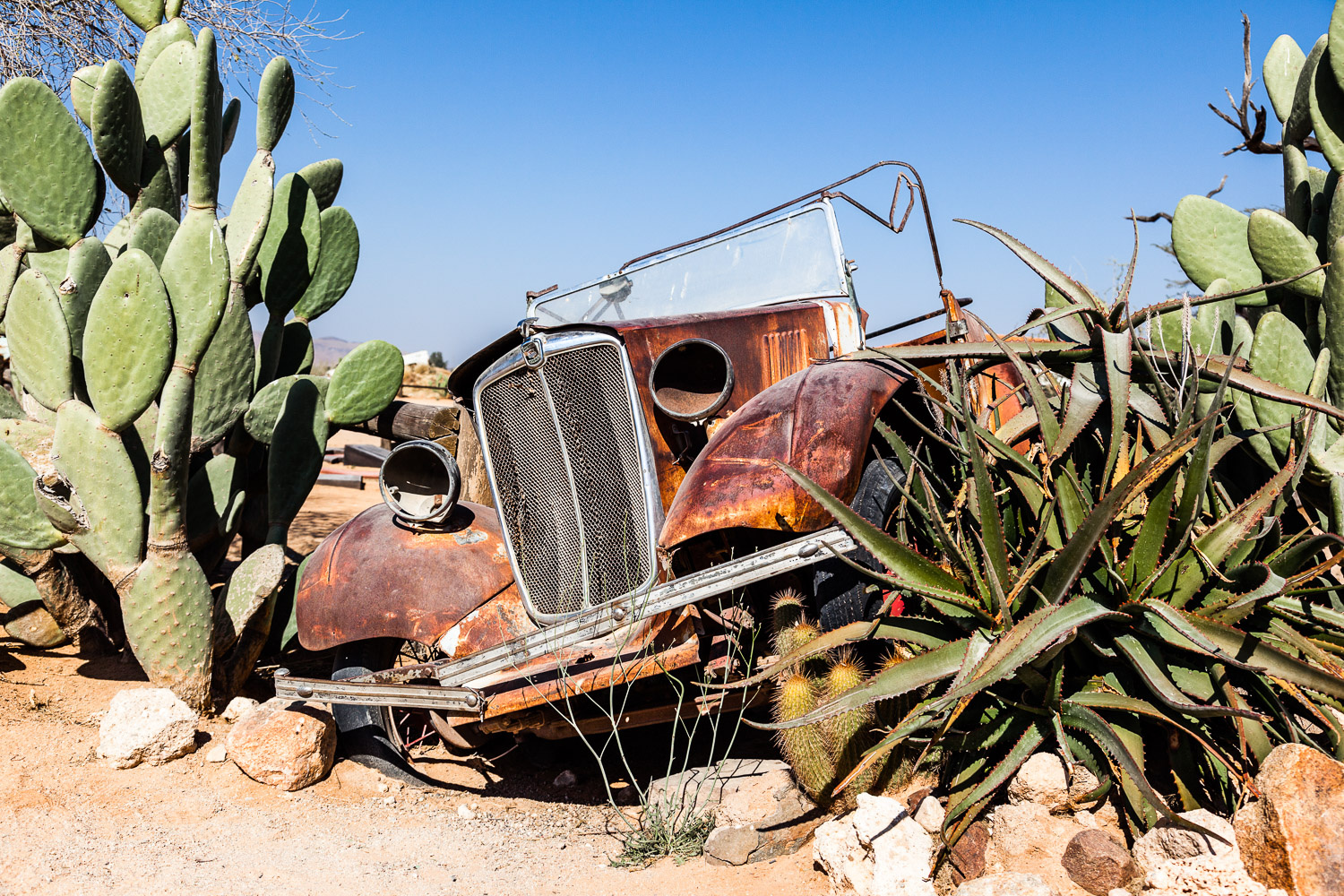
The remains of an old car left to rust in the desert at Solitaire
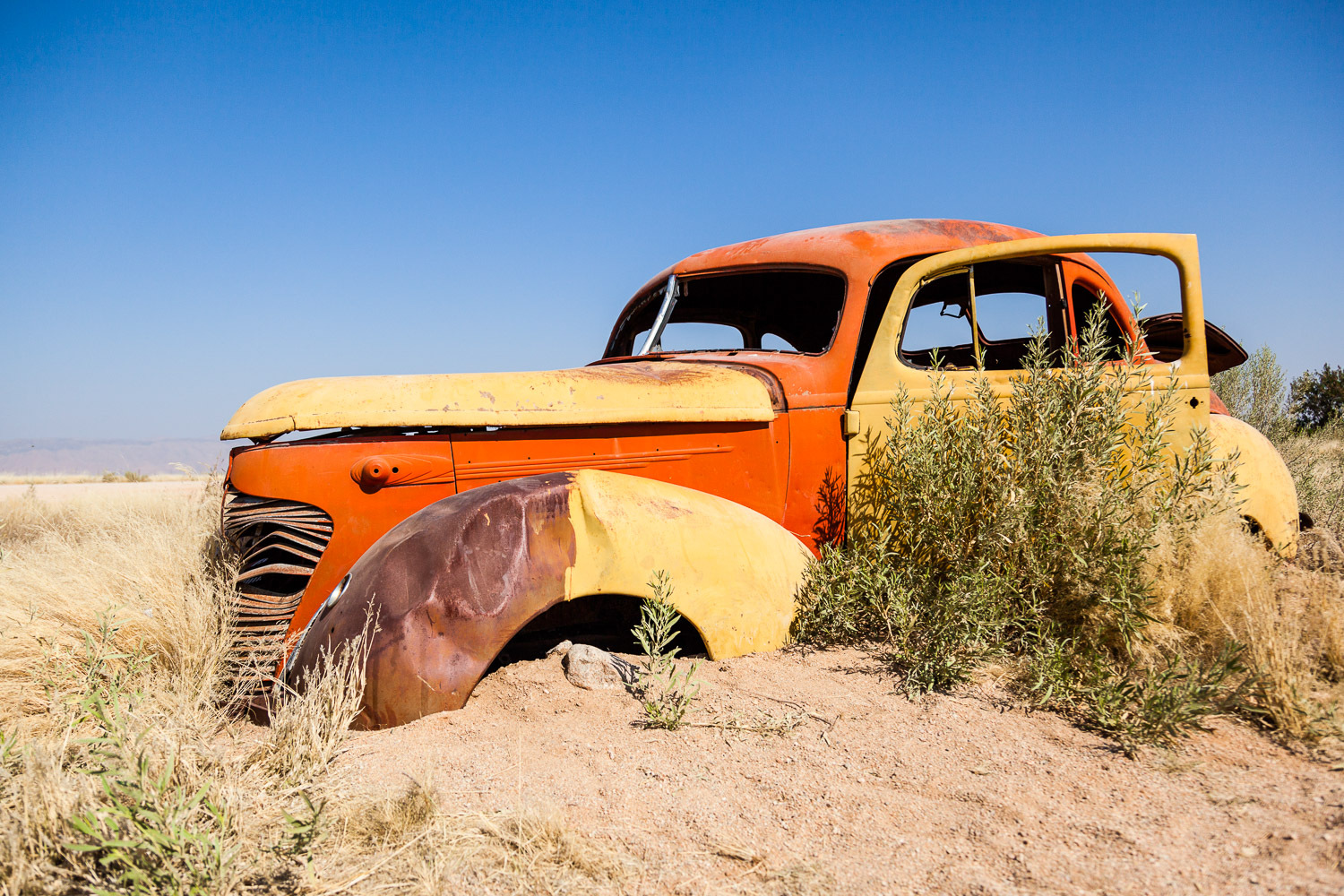
The remains of an old car left to rust in the desert at Solitaire
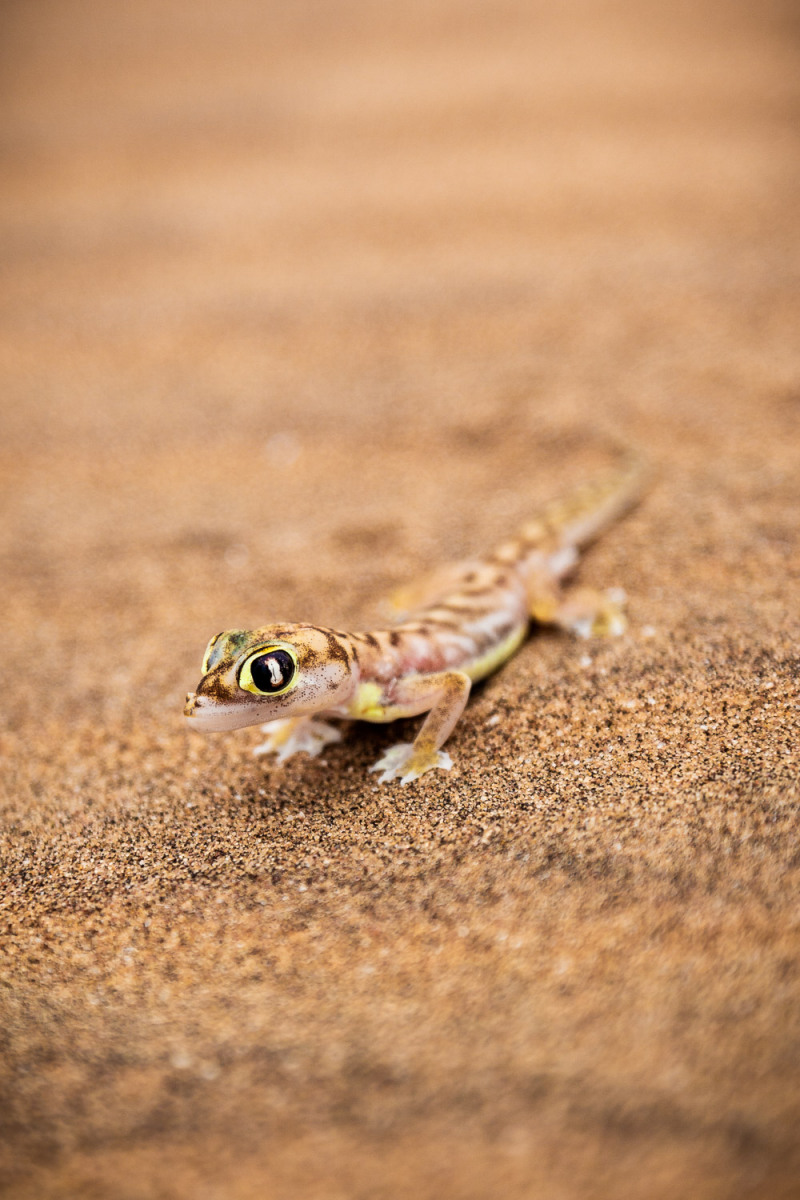
Whilst in Swakopmund in Namibia I went with a few others on a "Living Desert" tour. They drive you out into the middle of the desert where you think nothing lives and start digging in the sand to produce all sorts of different creatures (I'll certainly never look at a desert the same again!)
After a few false starts the guide pulled this little gecko out from under the sand. He didn't seem too afraid of us and after a posing for some photos we put him back and watched him burrow back under the sand.
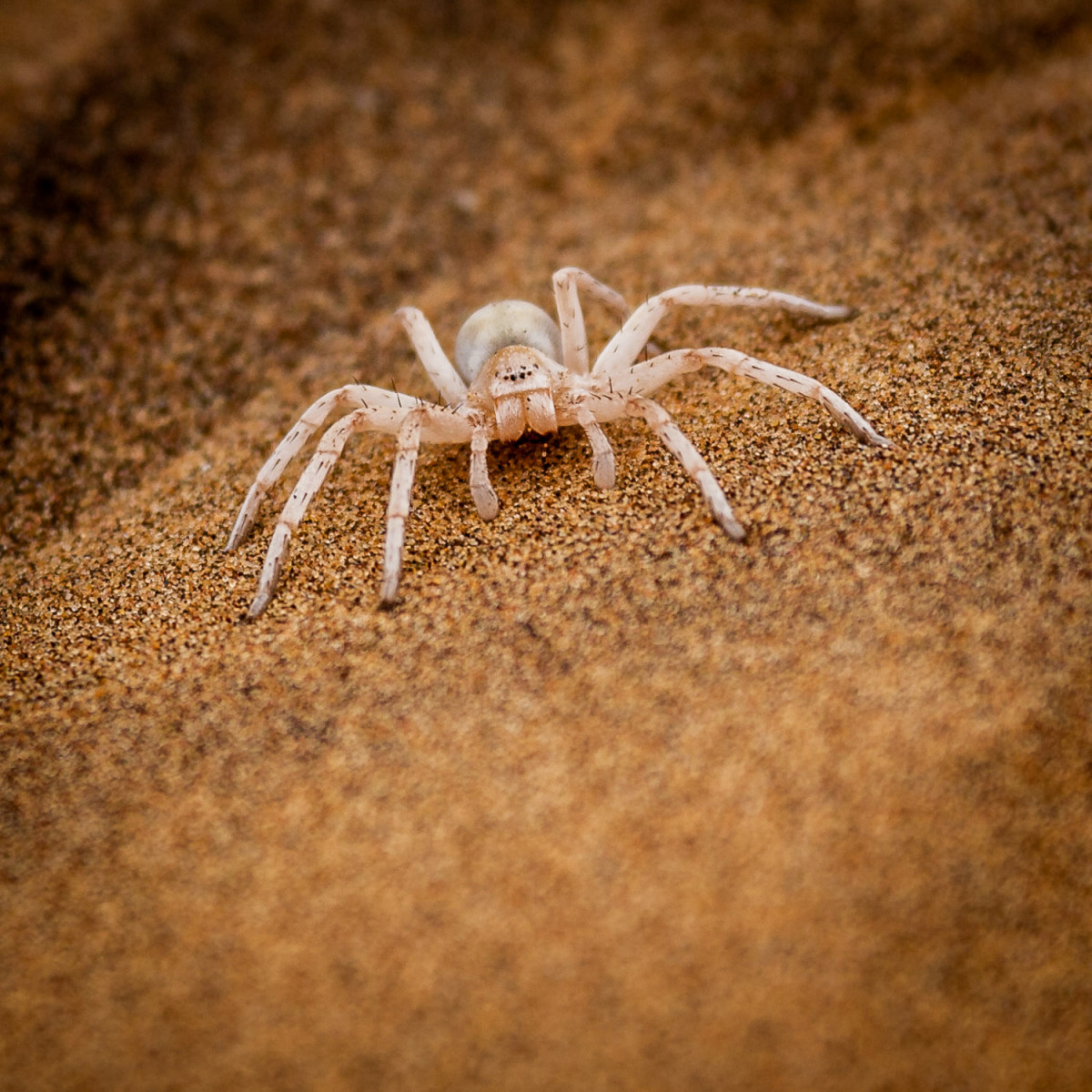
This spider lives under the sand in a web "nest" it creates.
At night it comes out to hunt and if threatened can roll itself into a ball and cartwheel down the side of a dune.
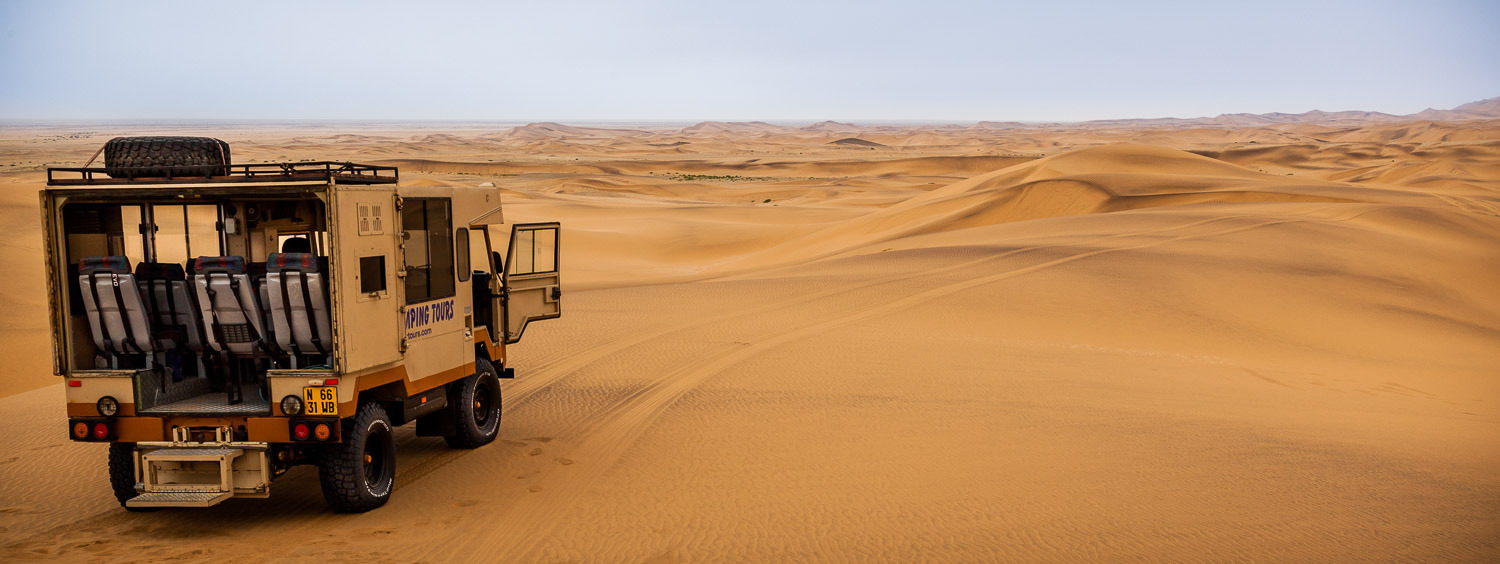
A view out over the desert near Sandwich Bay, Swakopmund.
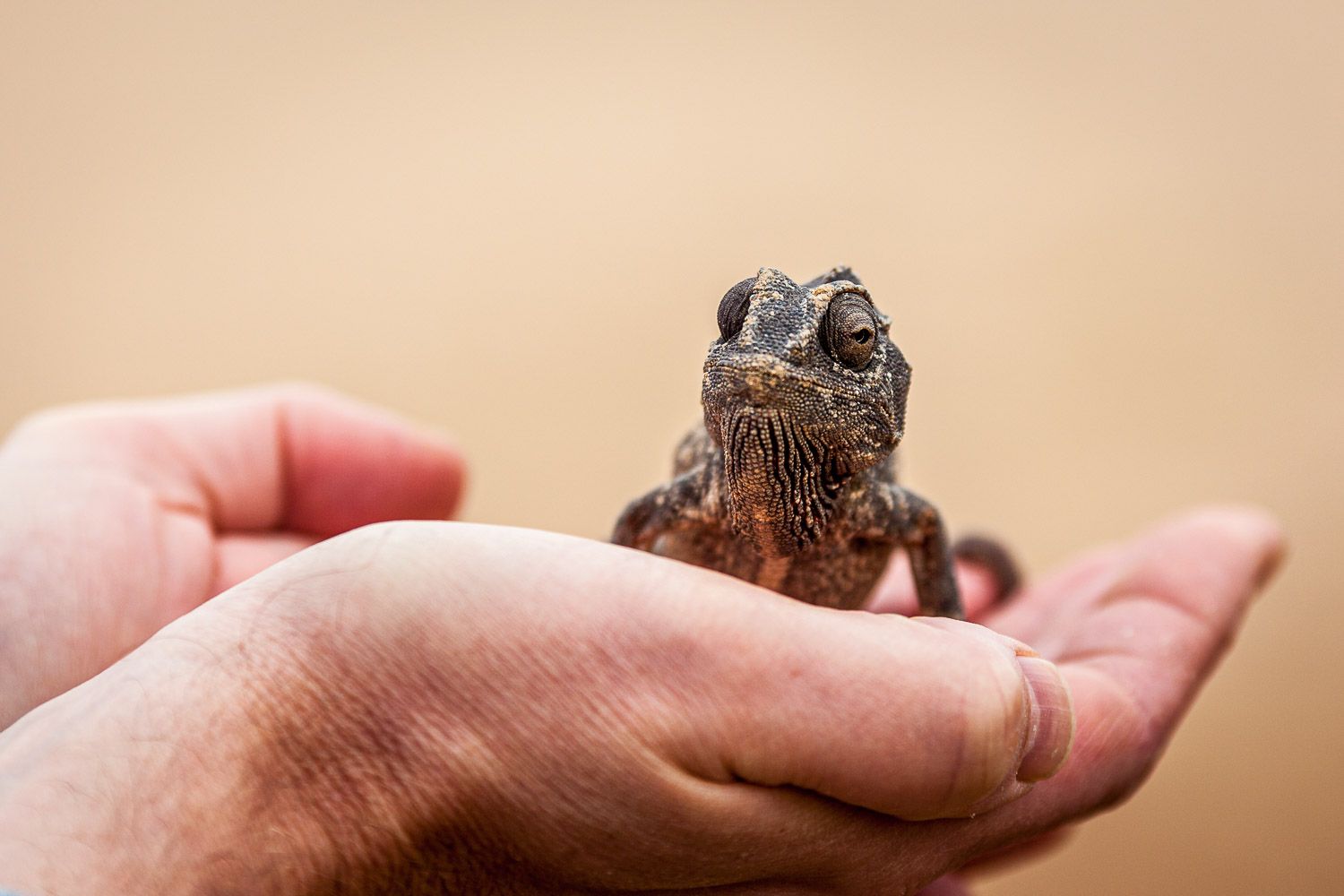
Whilst in Swakopmund in Namibia I went with a few others on a "Living Desert" tour. They drive you out into the middle of the desert where you think nothing lives and start digging in the sand to produce all sorts of different creatures (I'll certainly never look at a desert the same again!)
This chameleon was found watching us from next to a scrub bush. Don't worry we put him back exactly where we found him!
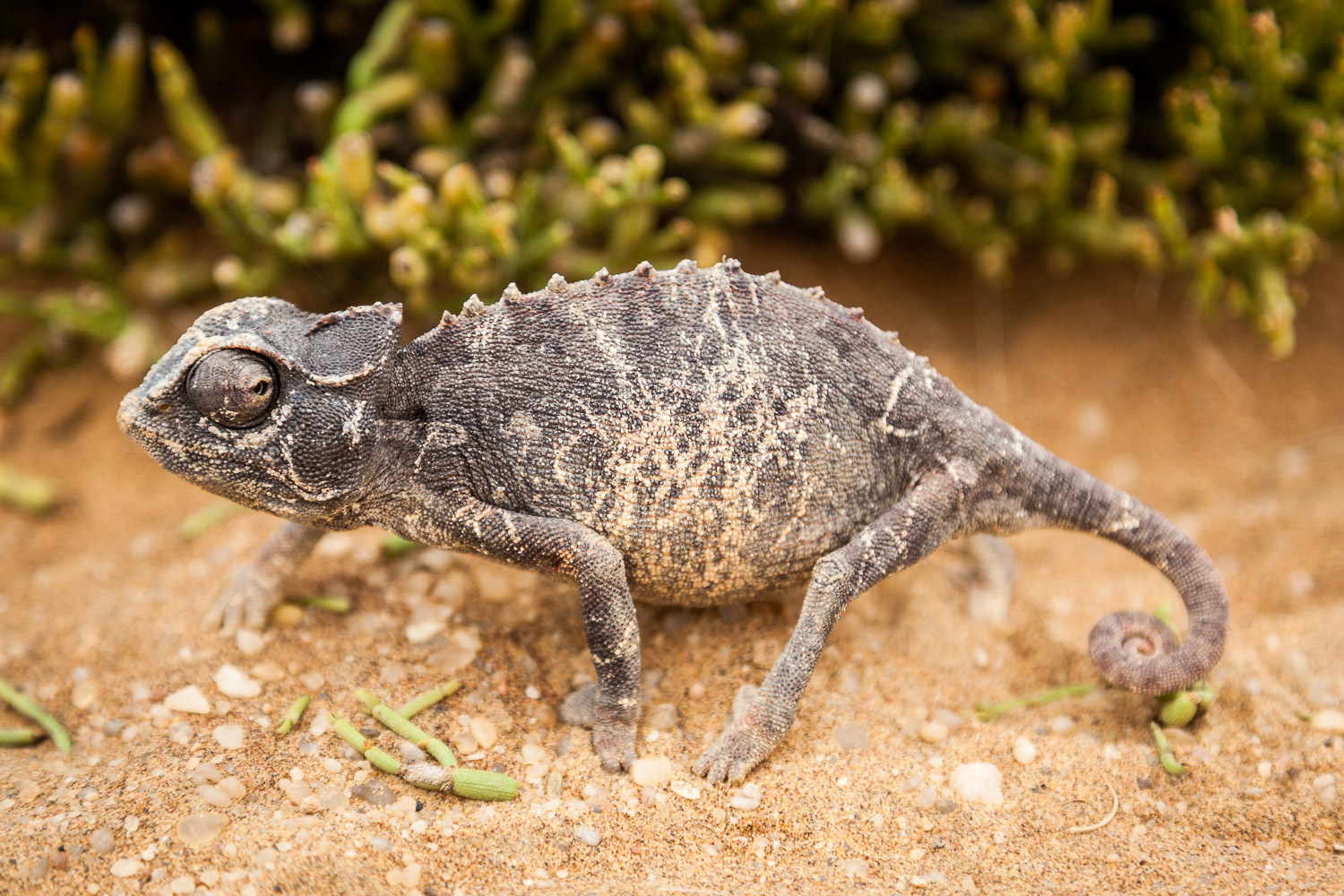
Whilst in Swakopmund in Namibia I went with a few others on a "Living Desert" tour. They drive you out into the middle of the desert where you think nothing lives and start digging in the sand to produce all sorts of different creatures (I'll certainly never look at a desert the same again!)
This chameleon was found watching us from next to a scrub bush. Don't worry we put him back exactly where we found him!
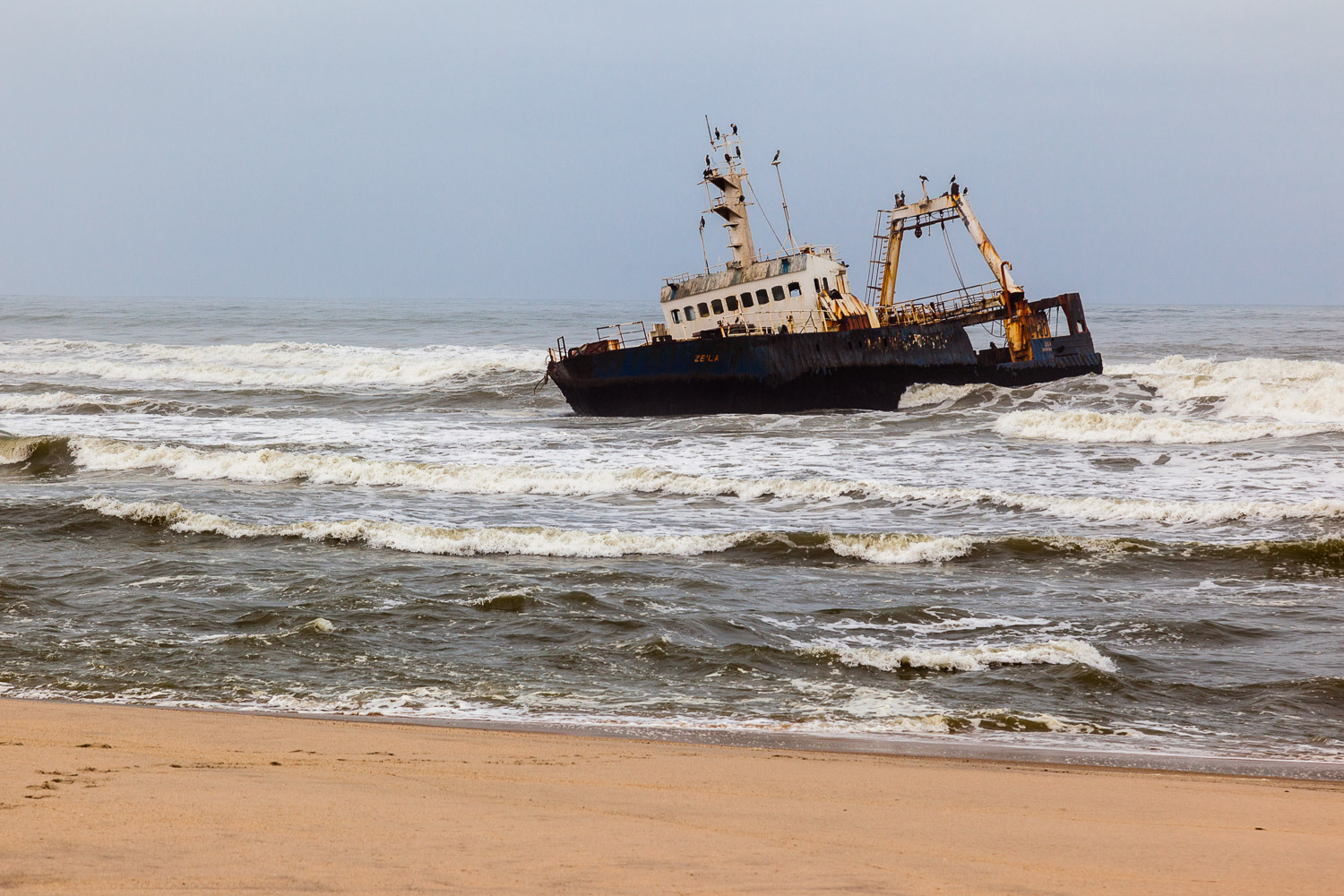
One of the many shipwrecks that litter the Skelton Coast (this being quite a recent one)
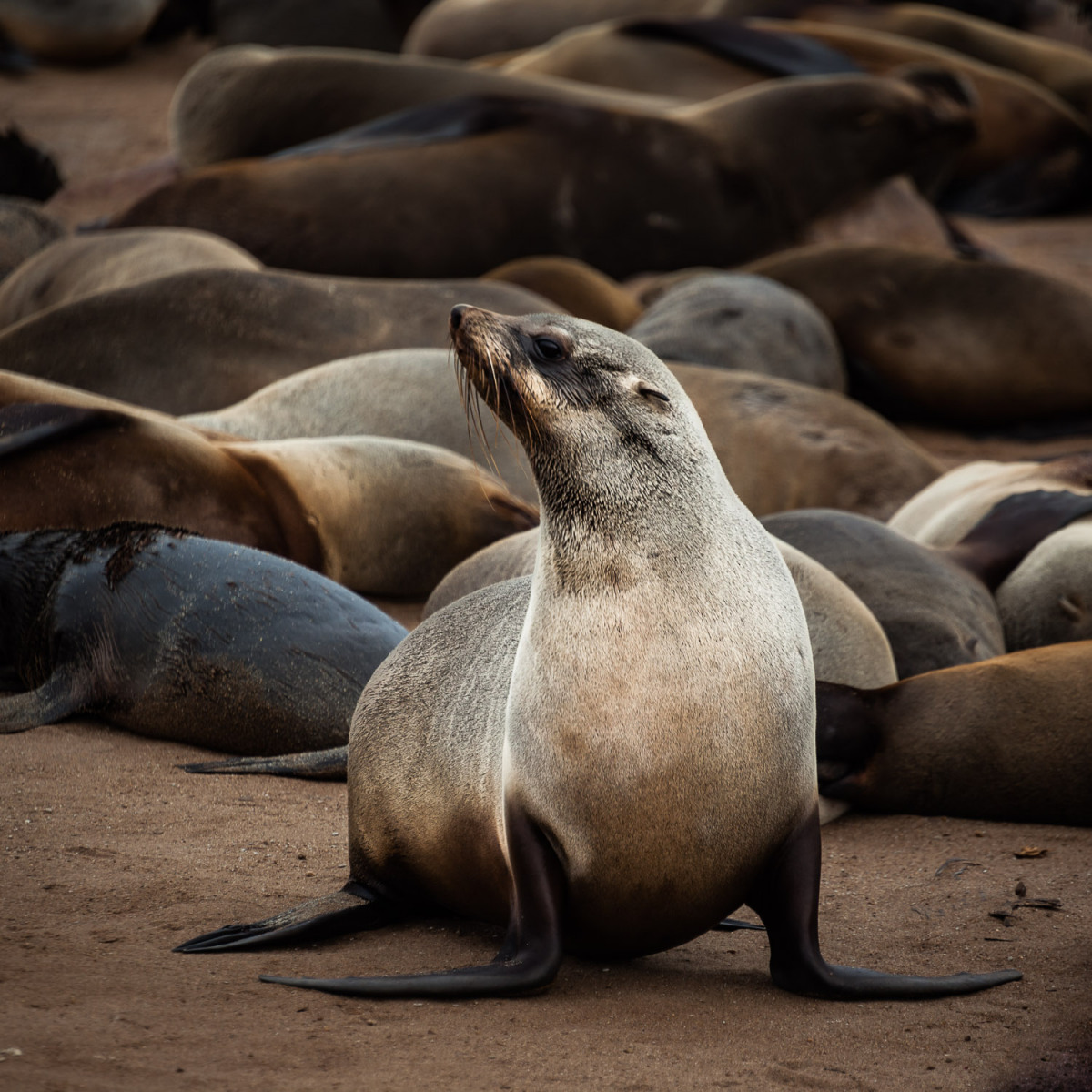
The Cape Cross Seal Reserve is the home of one of the largest colonies of Cape Fur Seals in the world. The name of the area refers to the large stone cross erected in the area by Portuguese explorers in the 15th century.
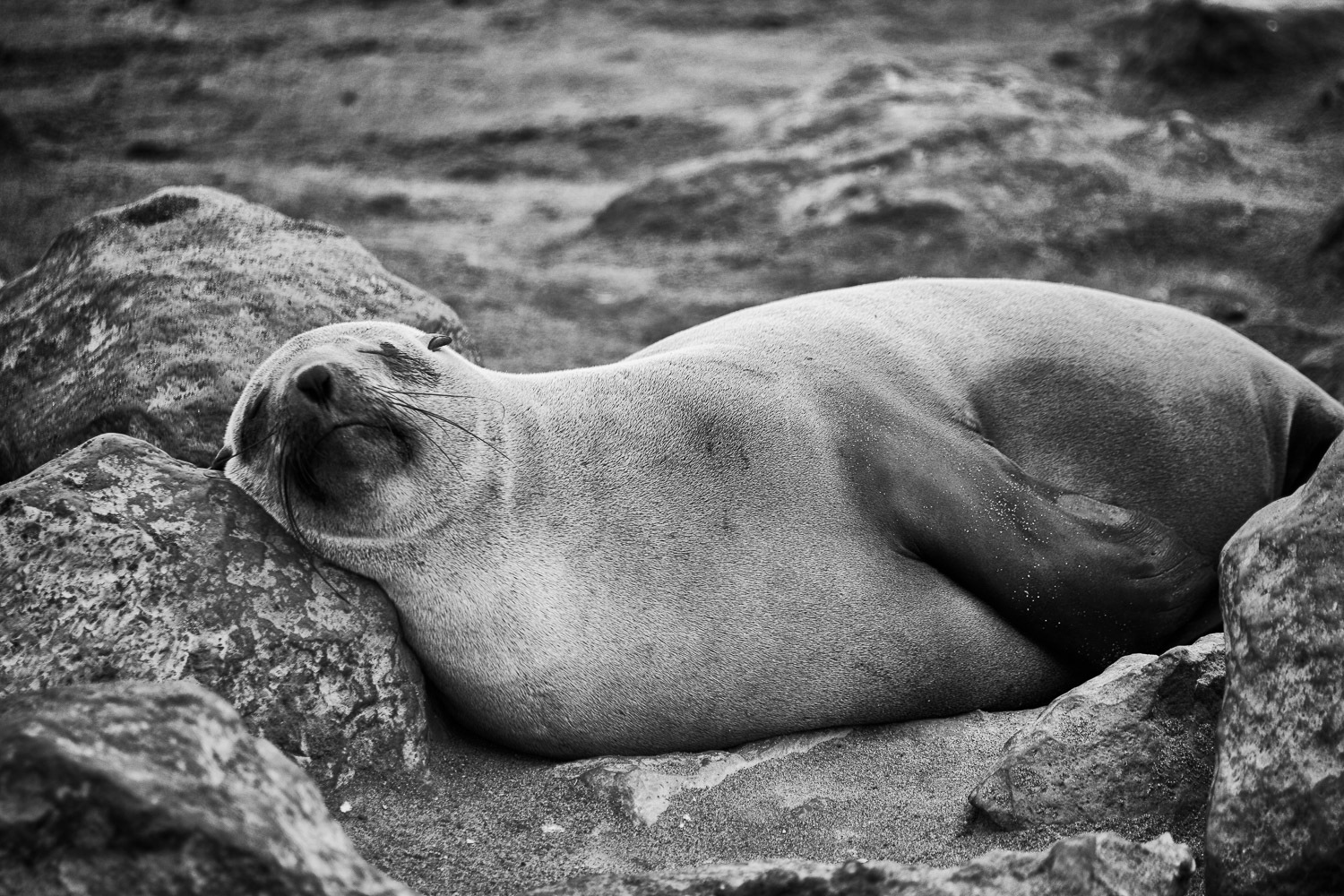
The Cape Cross Seal Reserve is the home of one of the largest colonies of Cape Fur Seals in the world. The name of the area refers to the large stone cross erected in the area by Portuguese explorers in the 15th century.
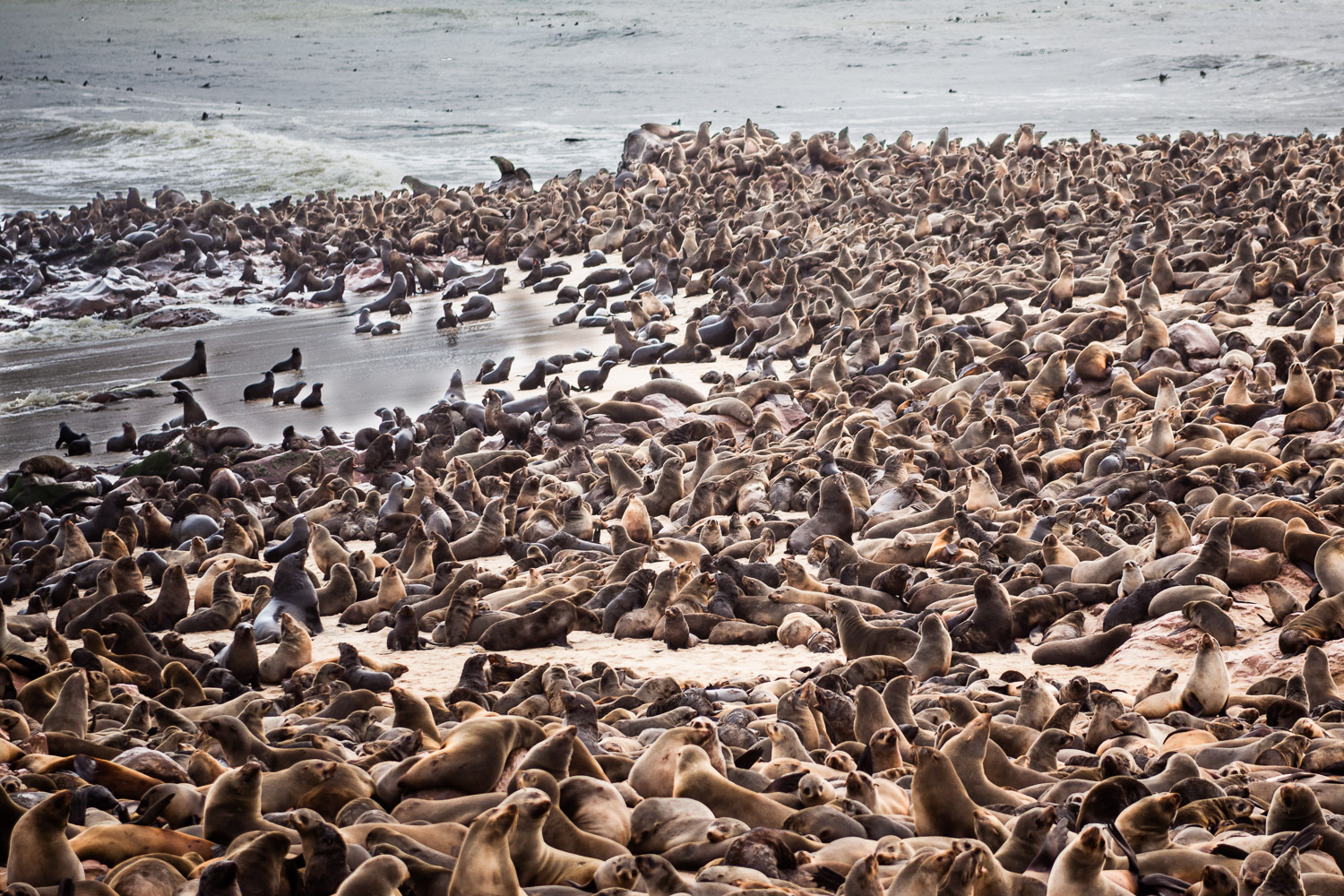
The Cape Cross Seal Reserve is the home of one of the largest colonies of Cape Fur Seals in the world. The name of the area refers to the large stone cross erected in the area by Portuguese explorers in the 15th century.
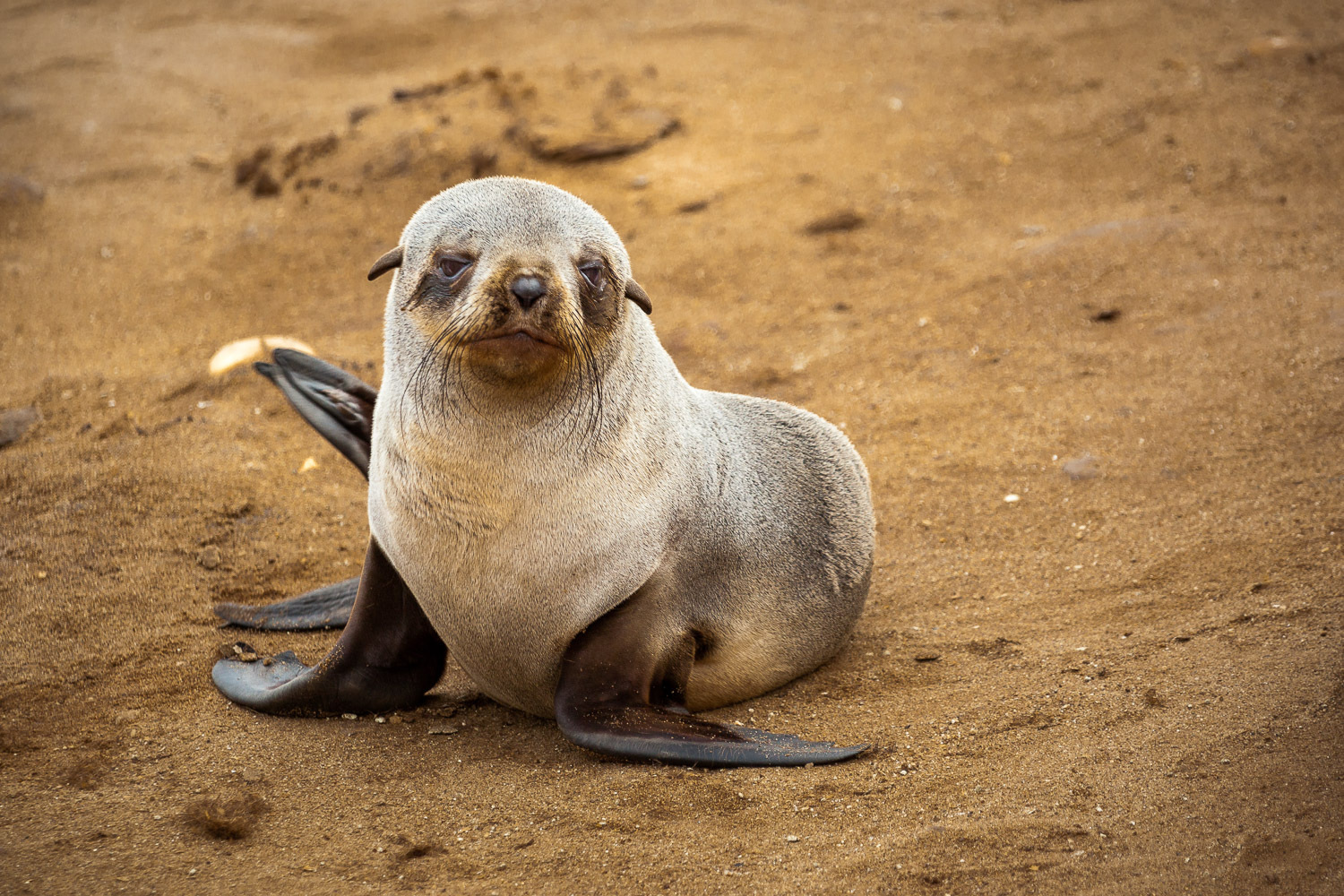
The Cape Cross Seal Reserve is the home of one of the largest colonies of Cape Fur Seals in the world. The name of the area refers to the large stone cross erected in the area by Portuguese explorers in the 15th century.


