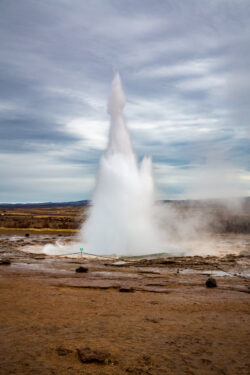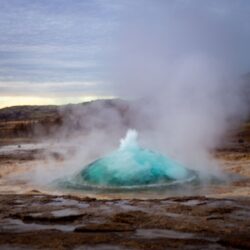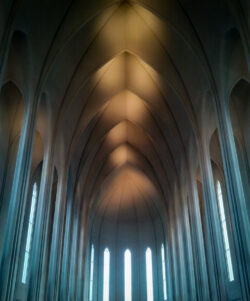
Iceland – the land of fire and ice. Situated on the boundary between the Eurasian and North American Plates, it’s defined by its dramatic landscape with volcanoes, geysers, hot springs and lava fields.
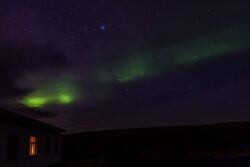
On this short trip I only managed to see the South-Western corner and definitely want to explore more. However I did see the Northern lights!
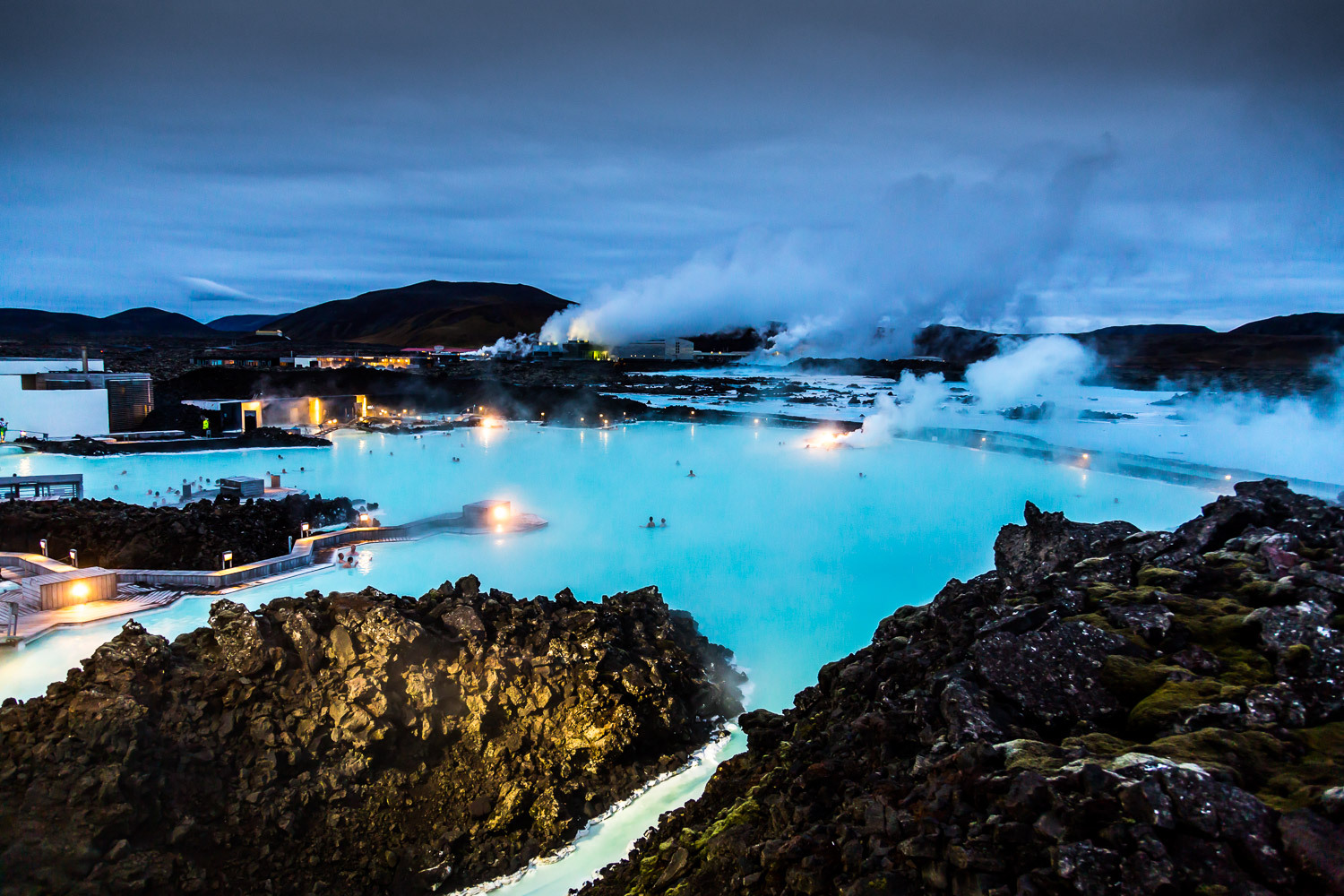
The lagoon is fed by the water output of the nearby geothermal power plant Svartsengi and is renewed every 2 days. Superheated water is vented from the ground near a lava flow and used to run turbines that generate electricity. After going through the turbines, the steam and hot water passes through a heat exchanger to provide heat for a municipal water heating system. Then the water is fed into the lagoon for recreational and medicinal users to bathe in.
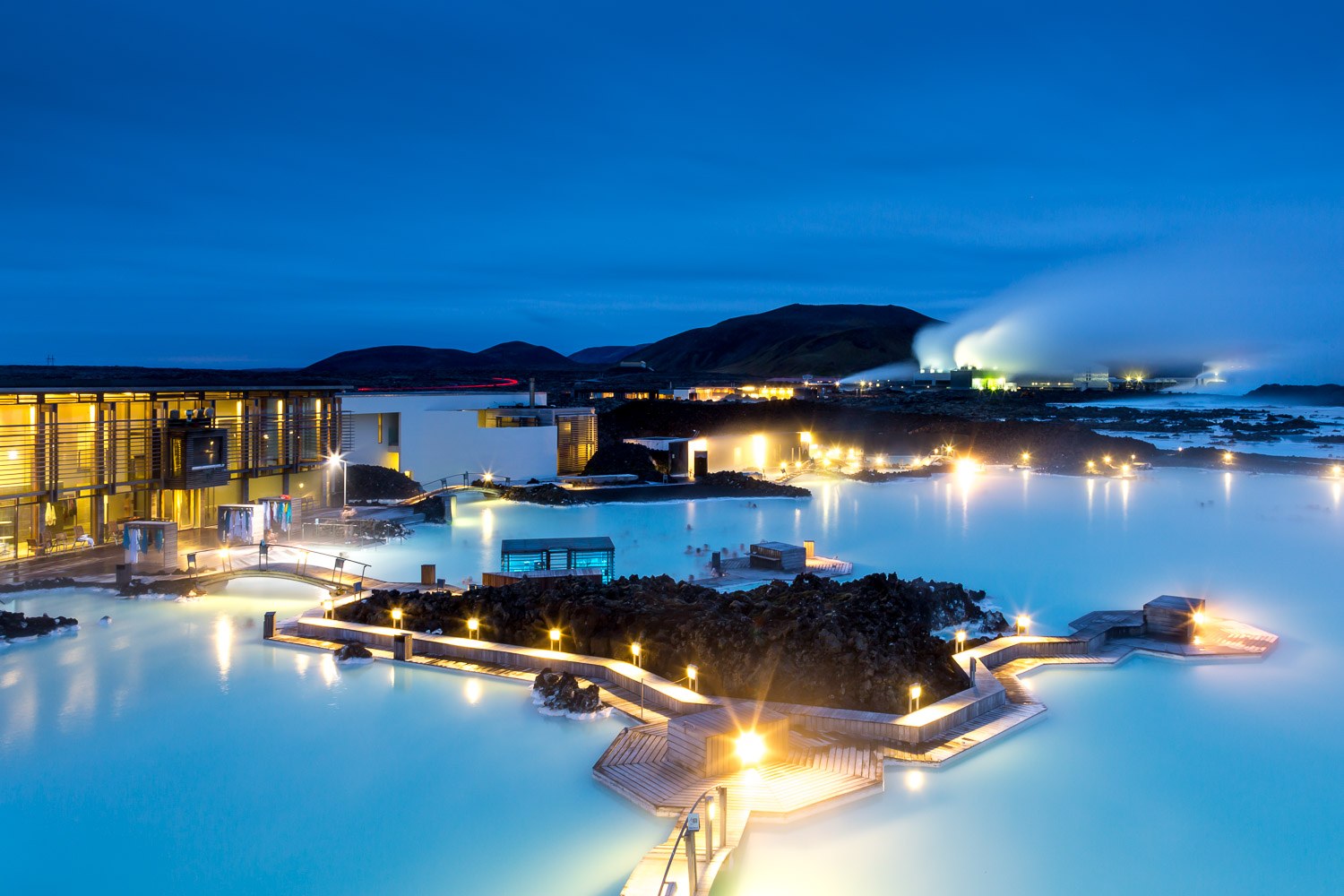
The lagoon is fed by the water output of the nearby geothermal power plant Svartsengi and is renewed every 2 days. Superheated water is vented from the ground near a lava flow and used to run turbines that generate electricity. After going through the turbines, the steam and hot water passes through a heat exchanger to provide heat for a municipal water heating system. Then the water is fed into the lagoon for recreational and medicinal users to bathe in.
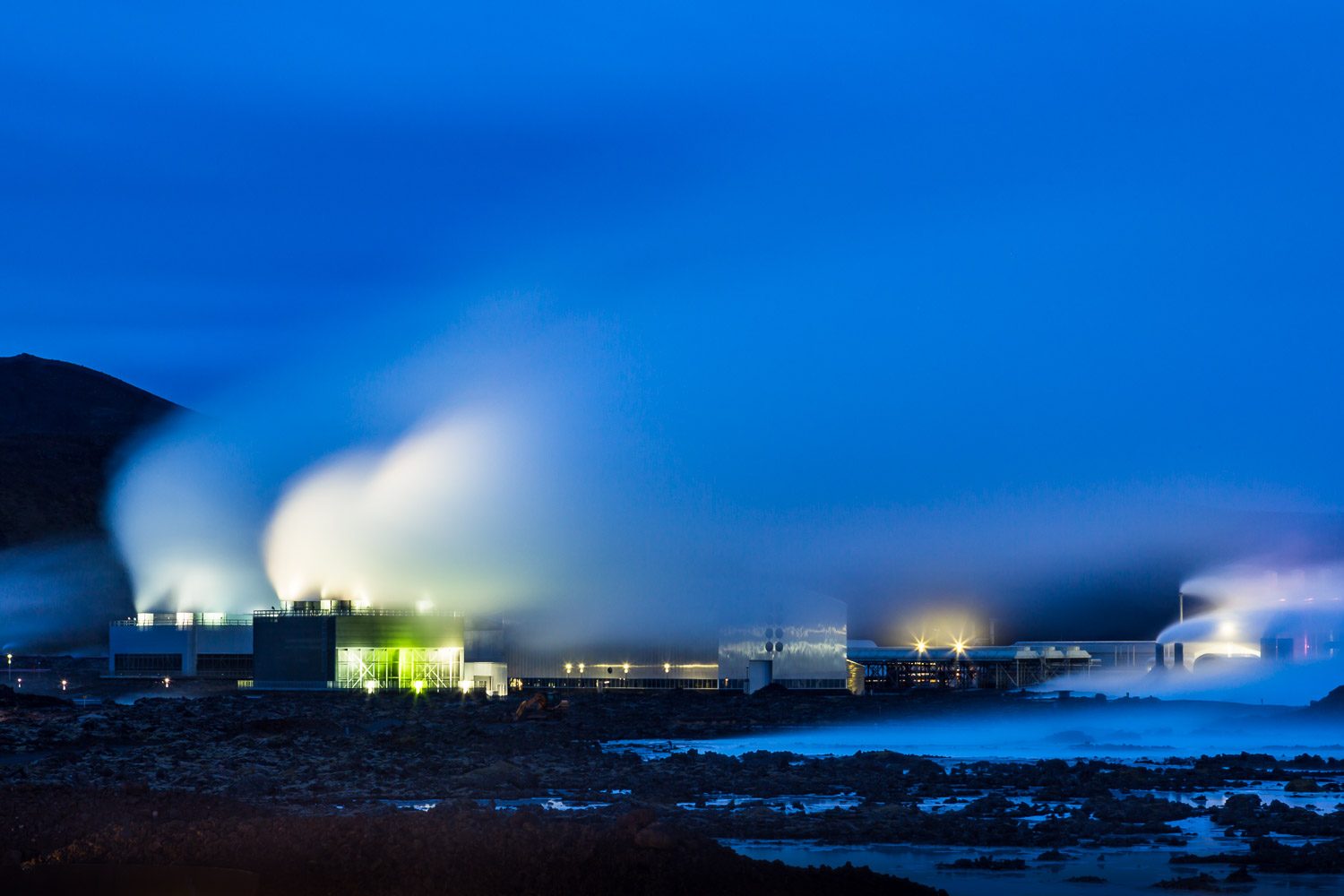
A close up of the geothermal plant next to the blue lagoon
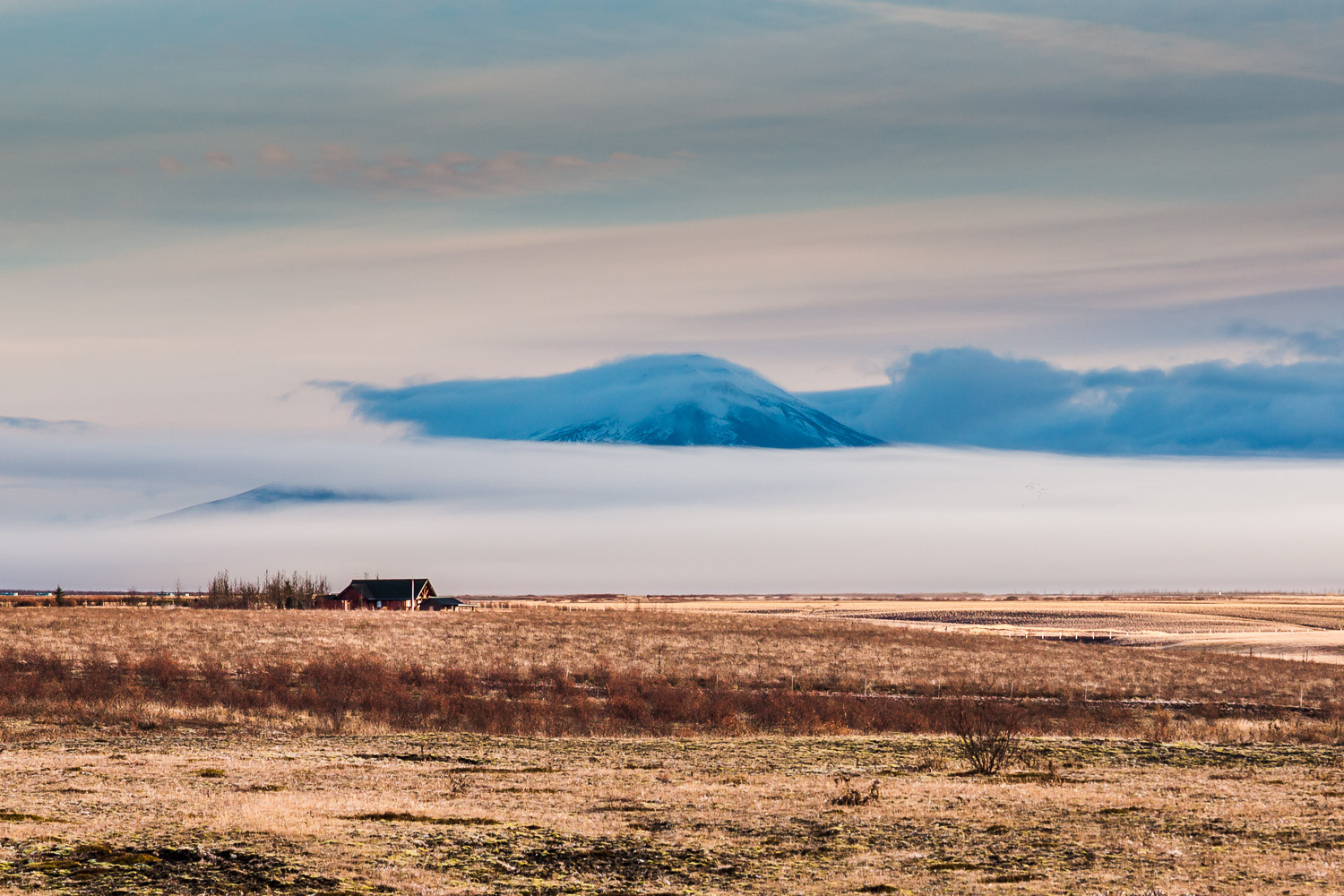
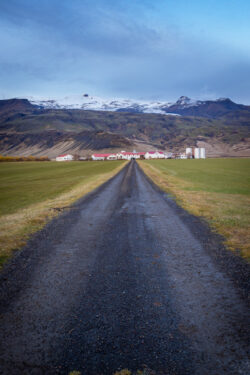
An isolated house sits below a snow capped volcano which peeks out above the ground mists
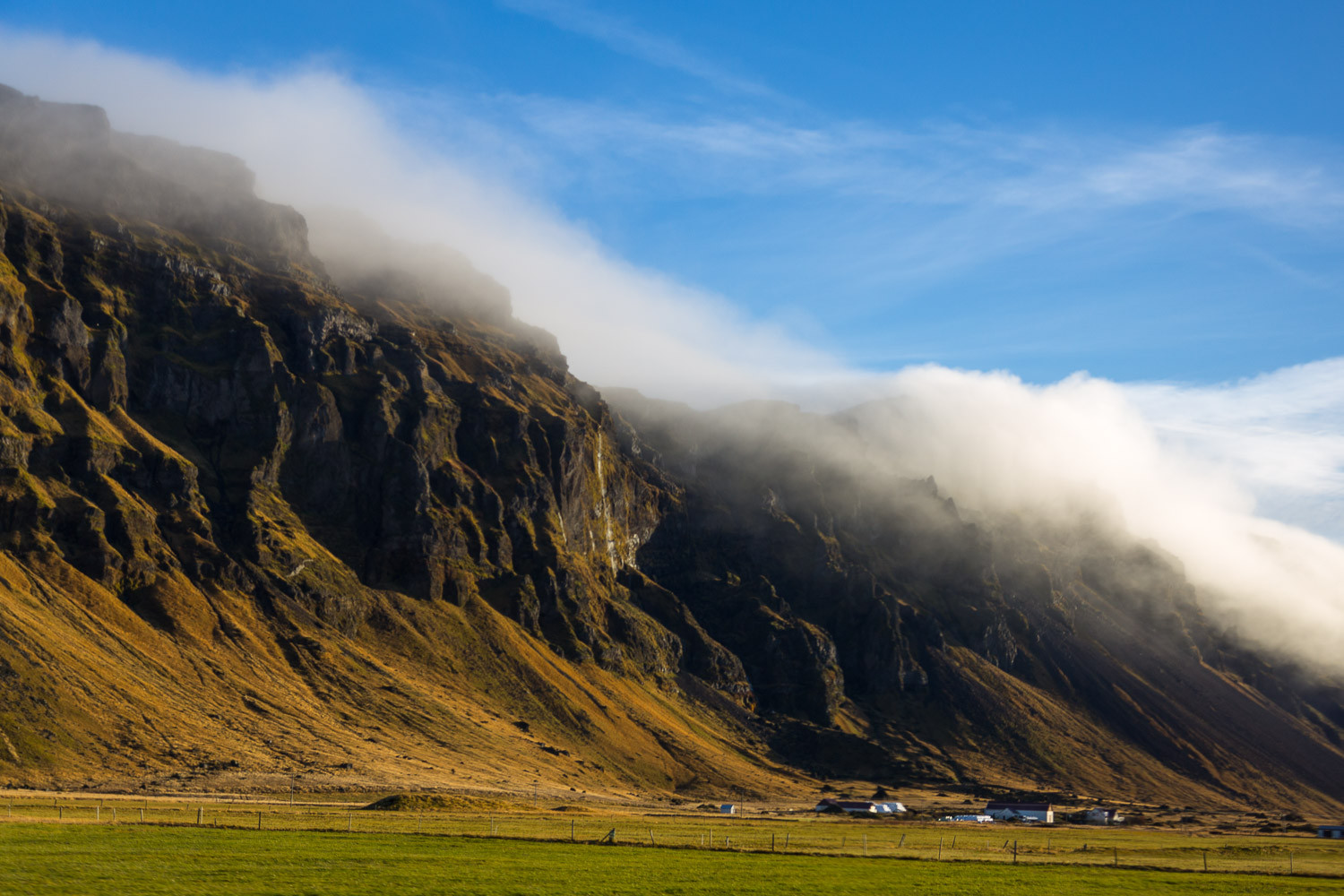
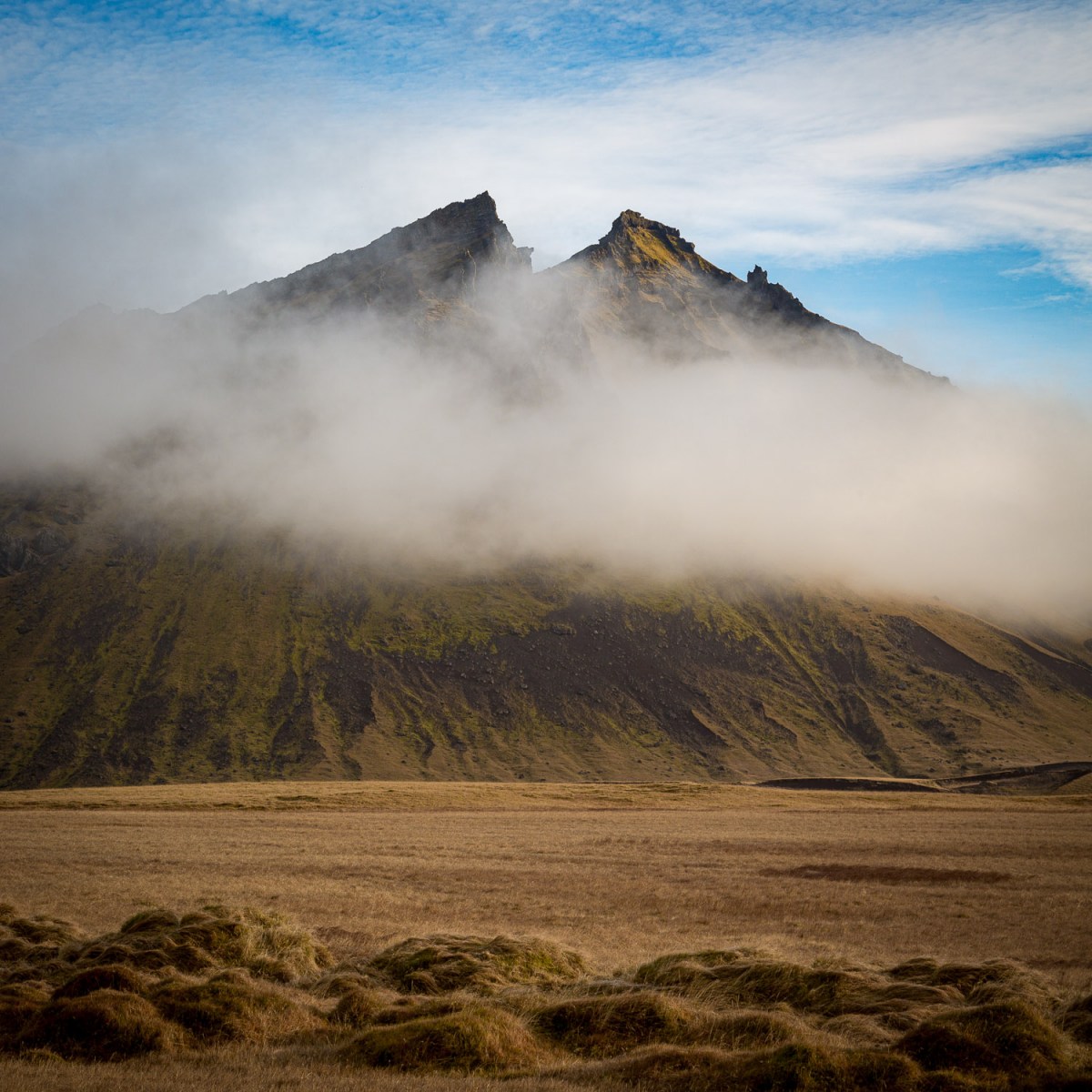
Clouds and mist roll off a huge cliff that towers above the road and a collection of farm buildings.
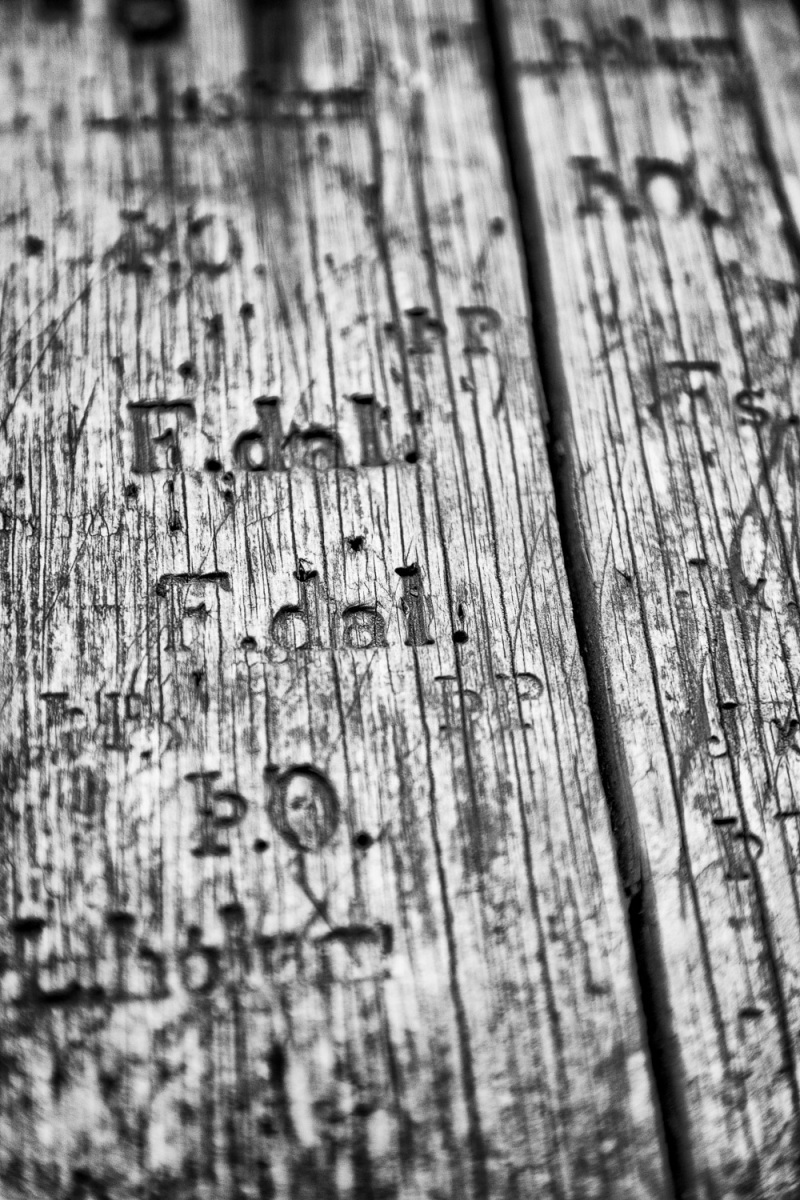
Part of a door in alocal museum this piece of wood is carved with various symbols and letters.
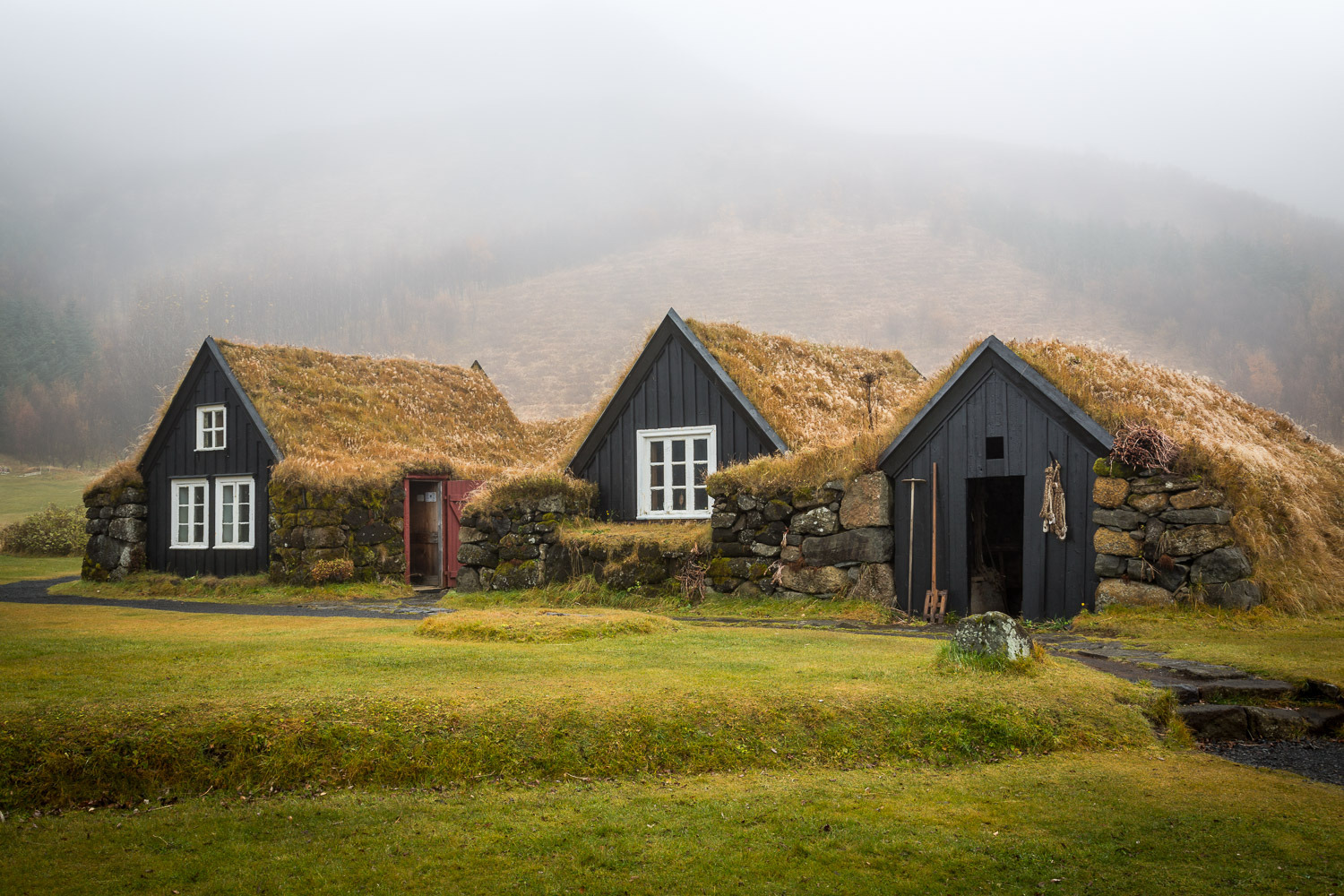
Traditional turf roofed houses with thick walls to help combat the cold during the winter
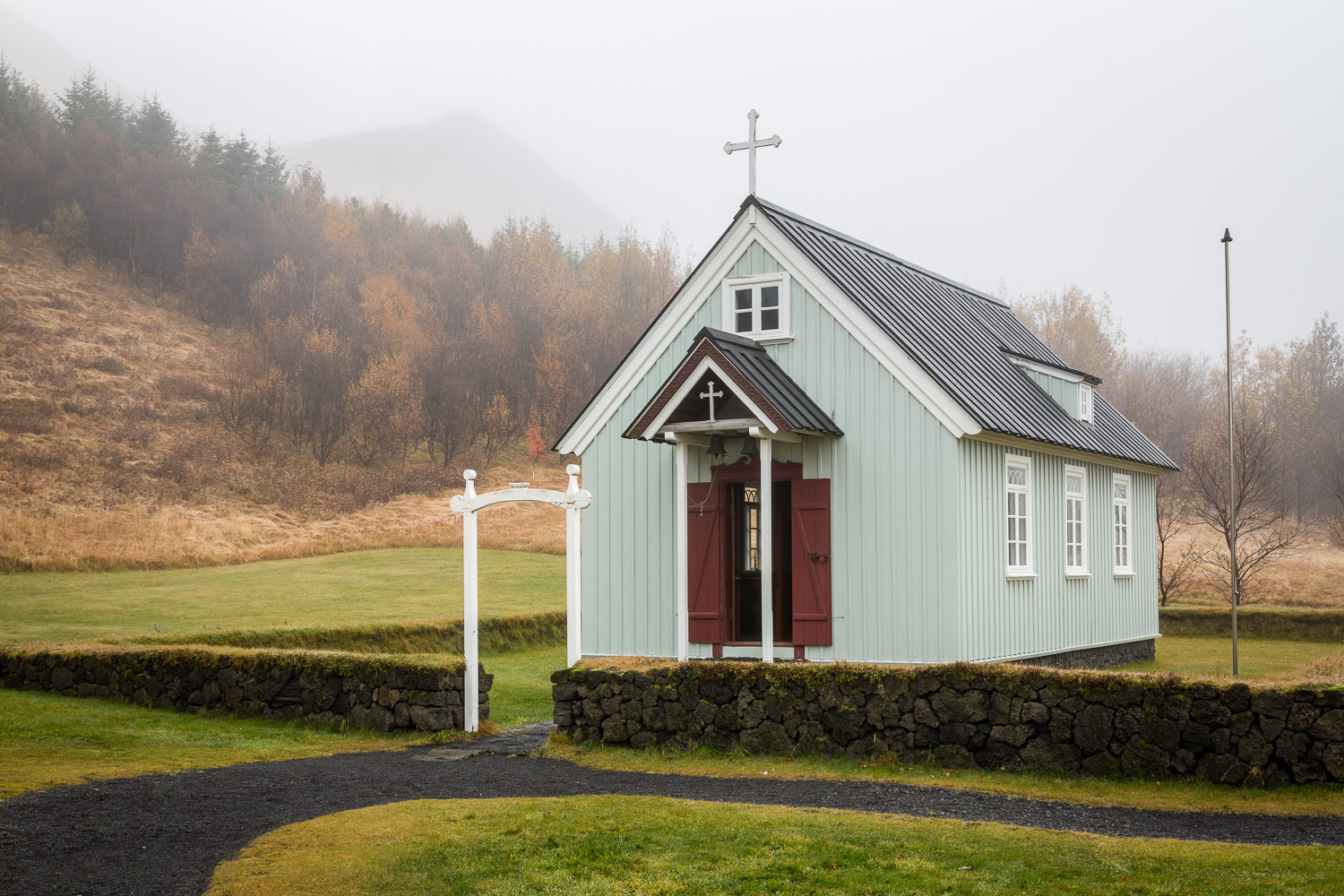
A small local church
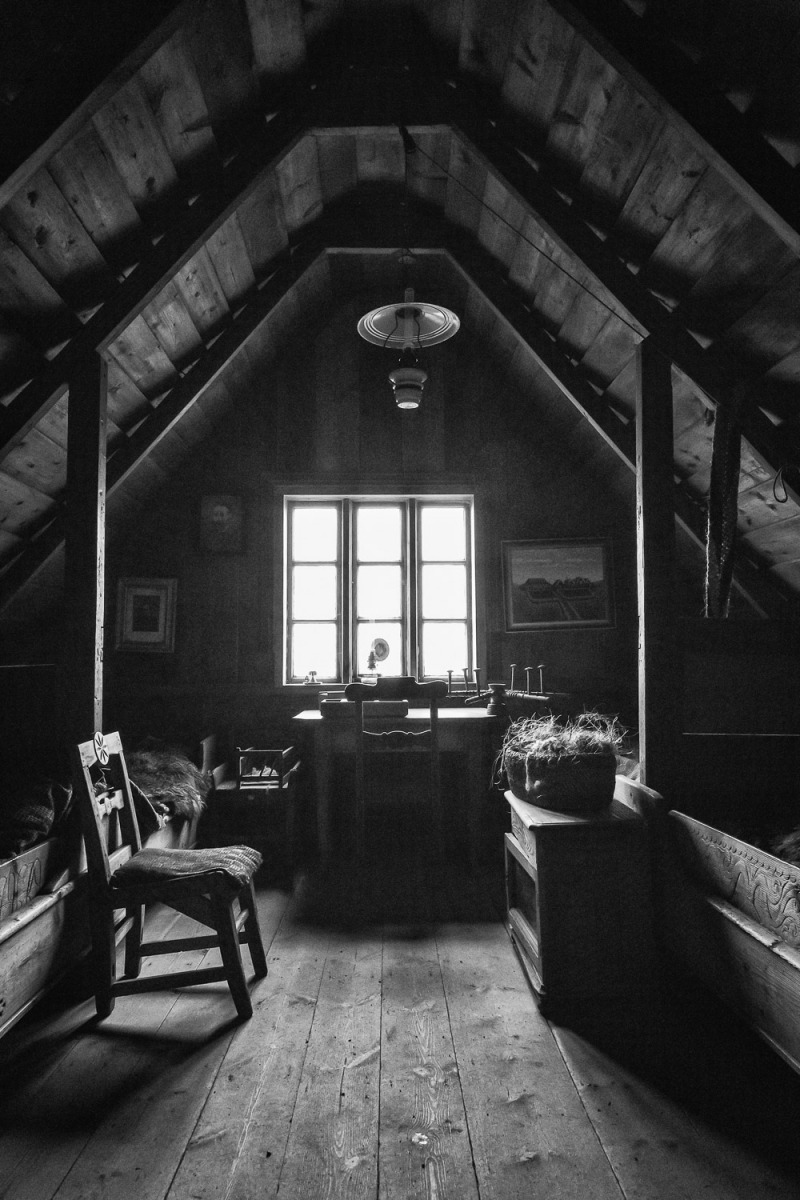
A view inside one of the traditional houses
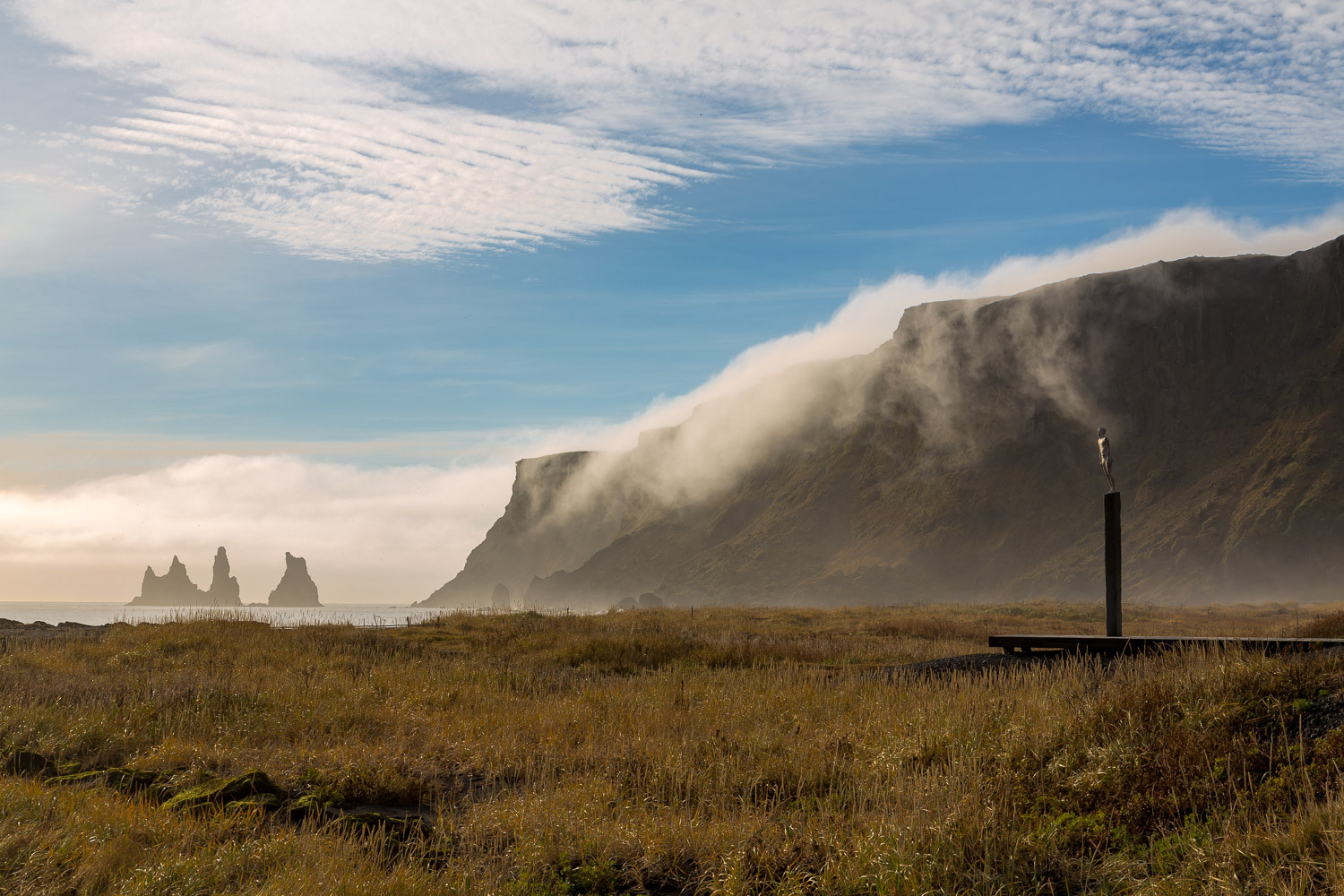
A statue (reminiscent of Antony Gormley) stands on Vik beach looking out to sea
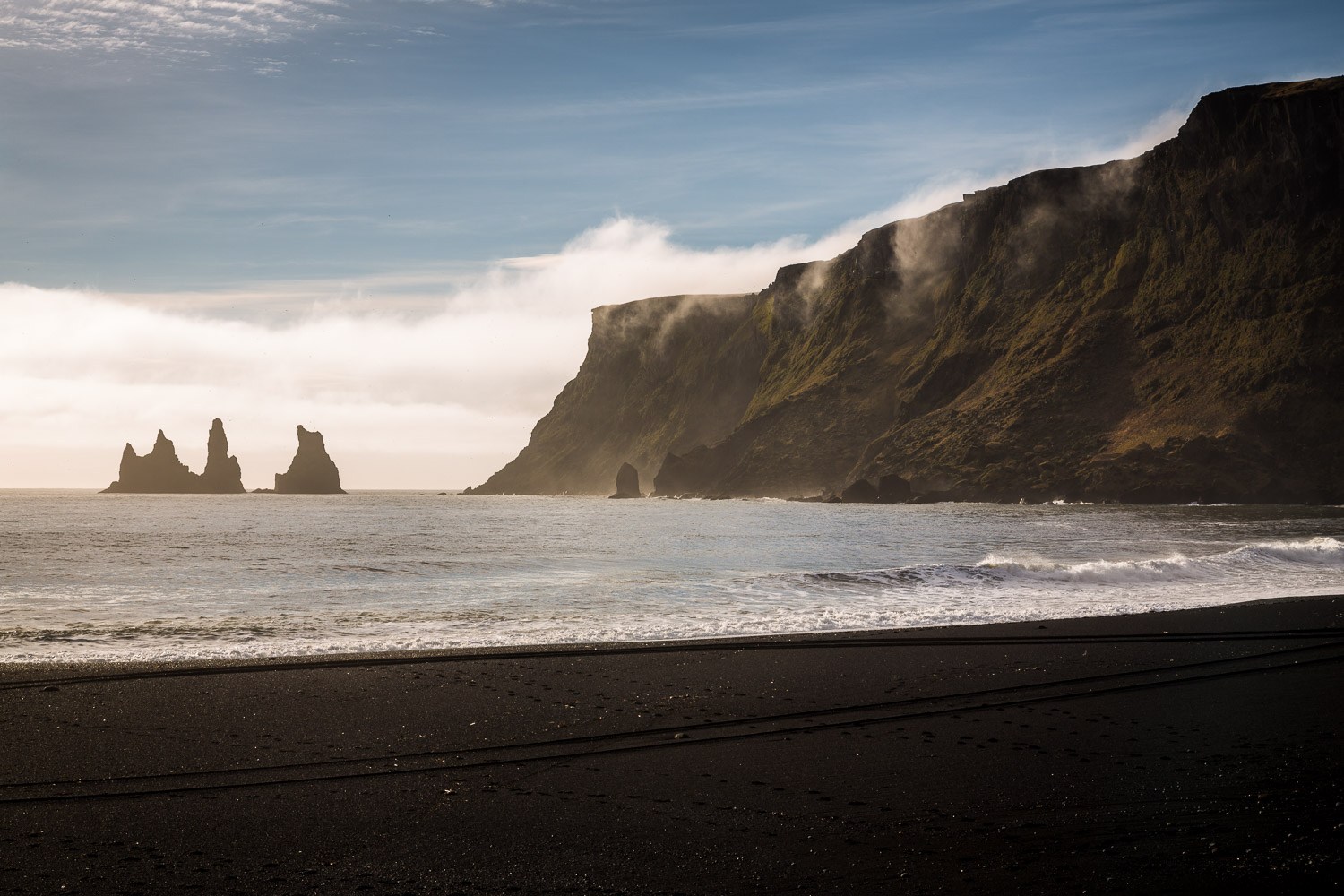
The black sand beach at Vik
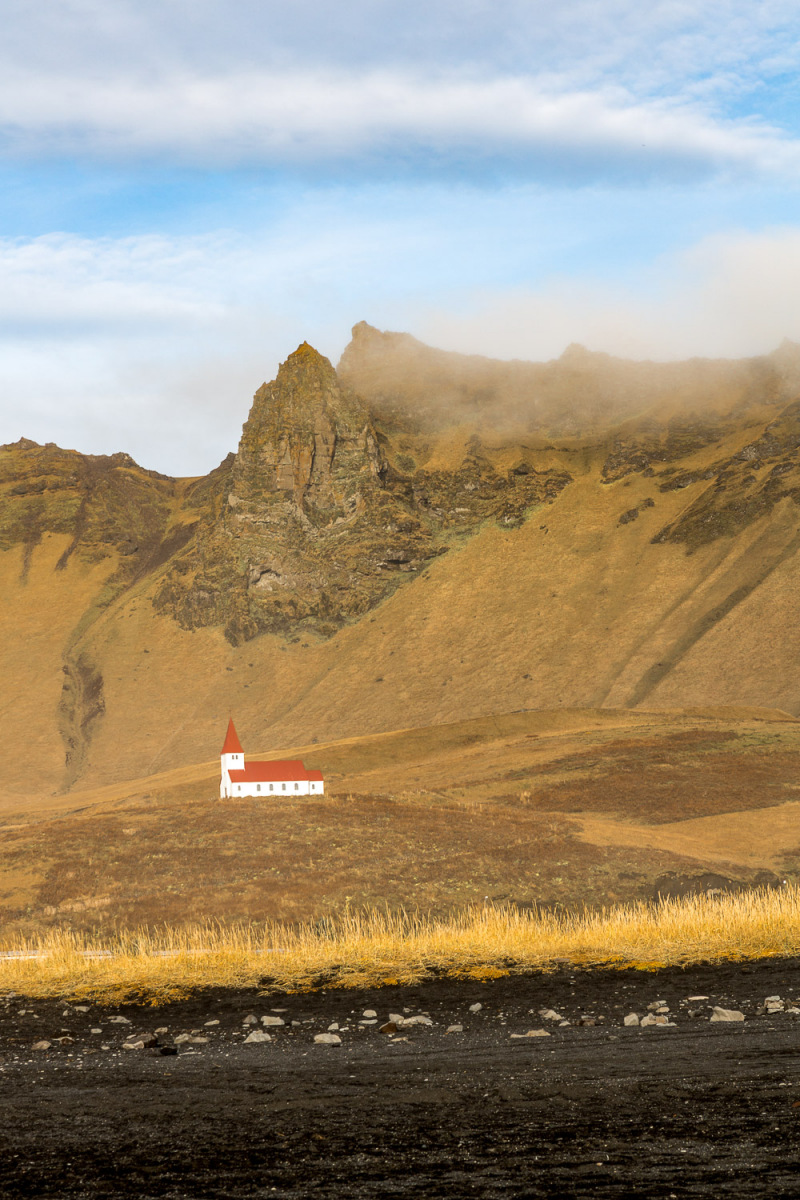
Another small church sits on the hillside
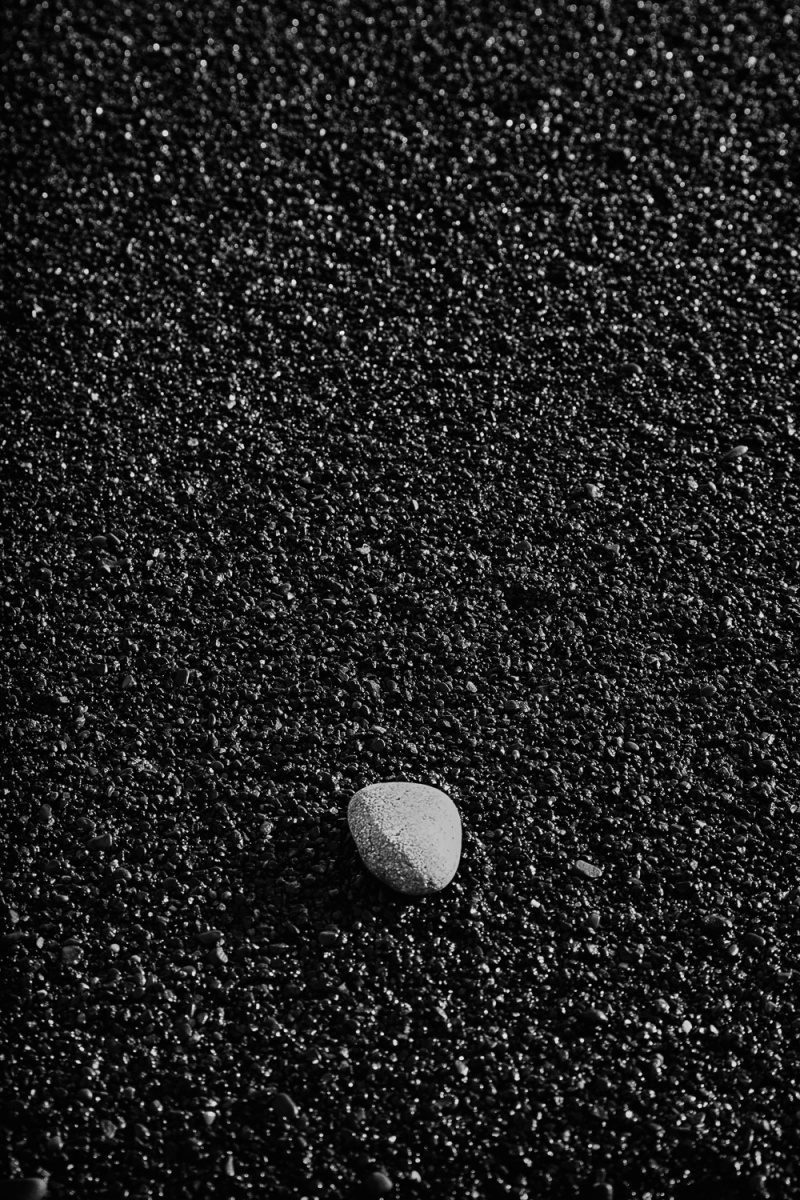
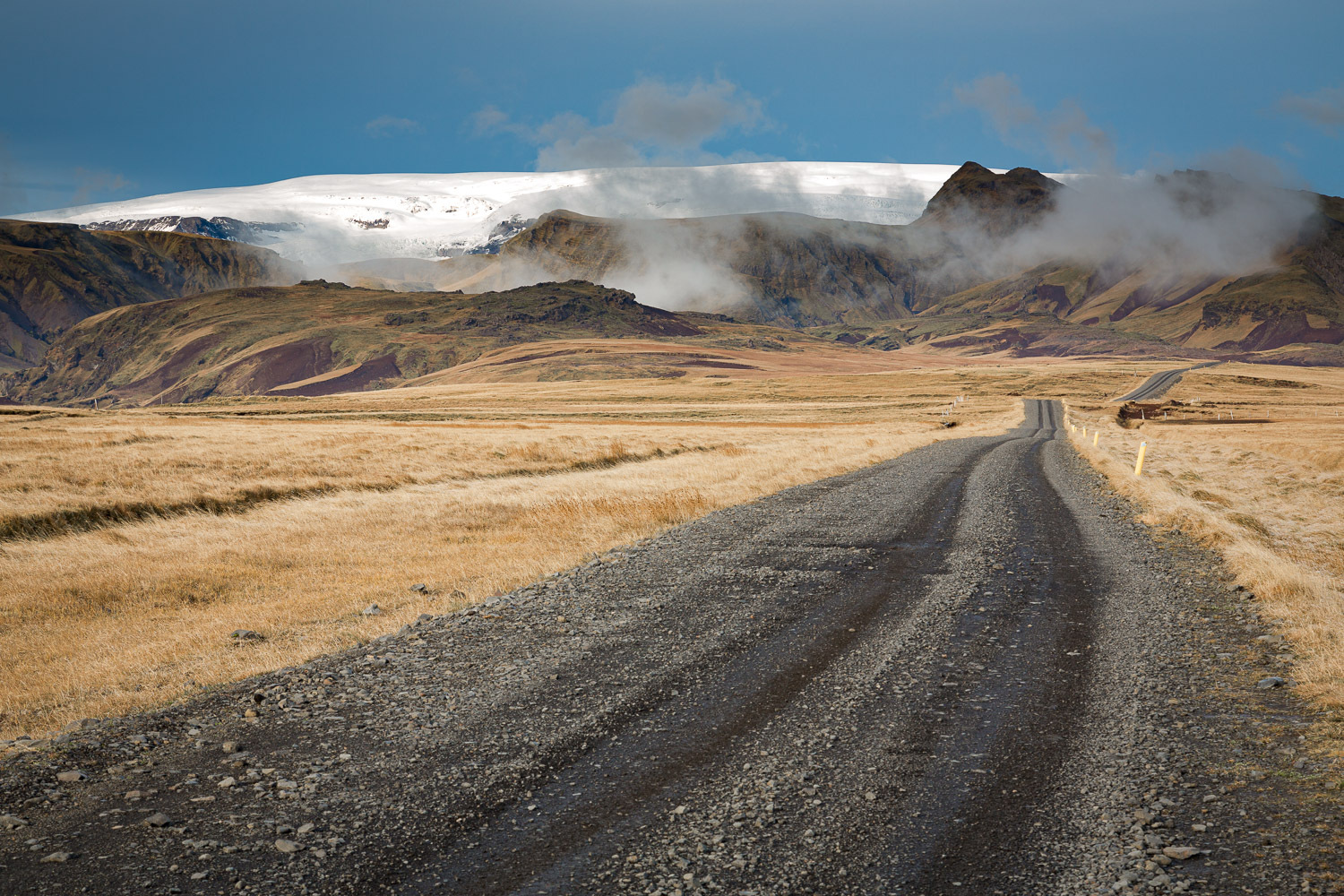
The much larger sister volcano to Eyjafjallajokull (which shut down the airports across Europe) sits below 600ft of ice biding its time!
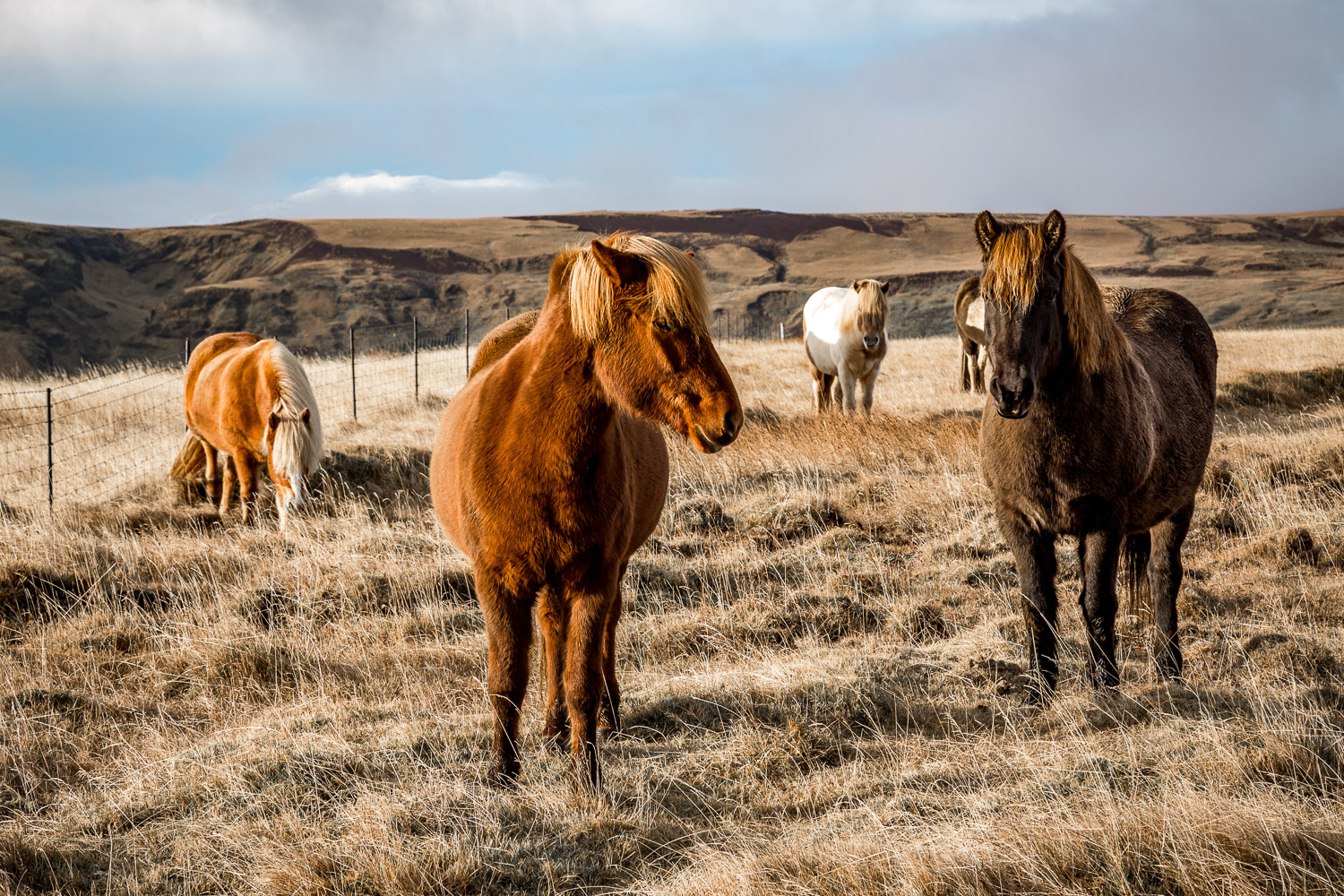
The native Icelandic horses are more stocky and have thicker hair in orer to cope with the barren and cold terrain
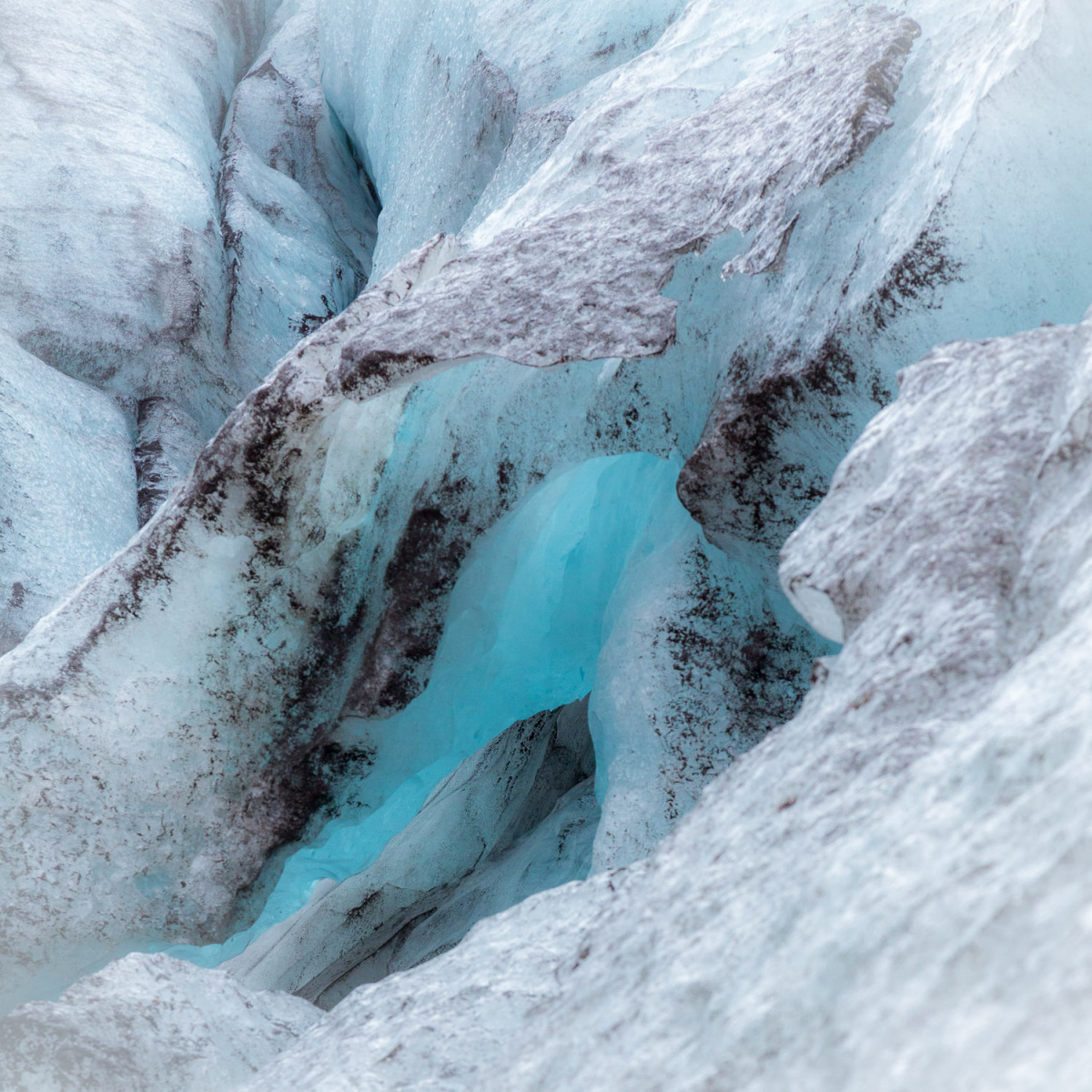
A tunnel of blue under the glacier that runs down from the volcano Katla
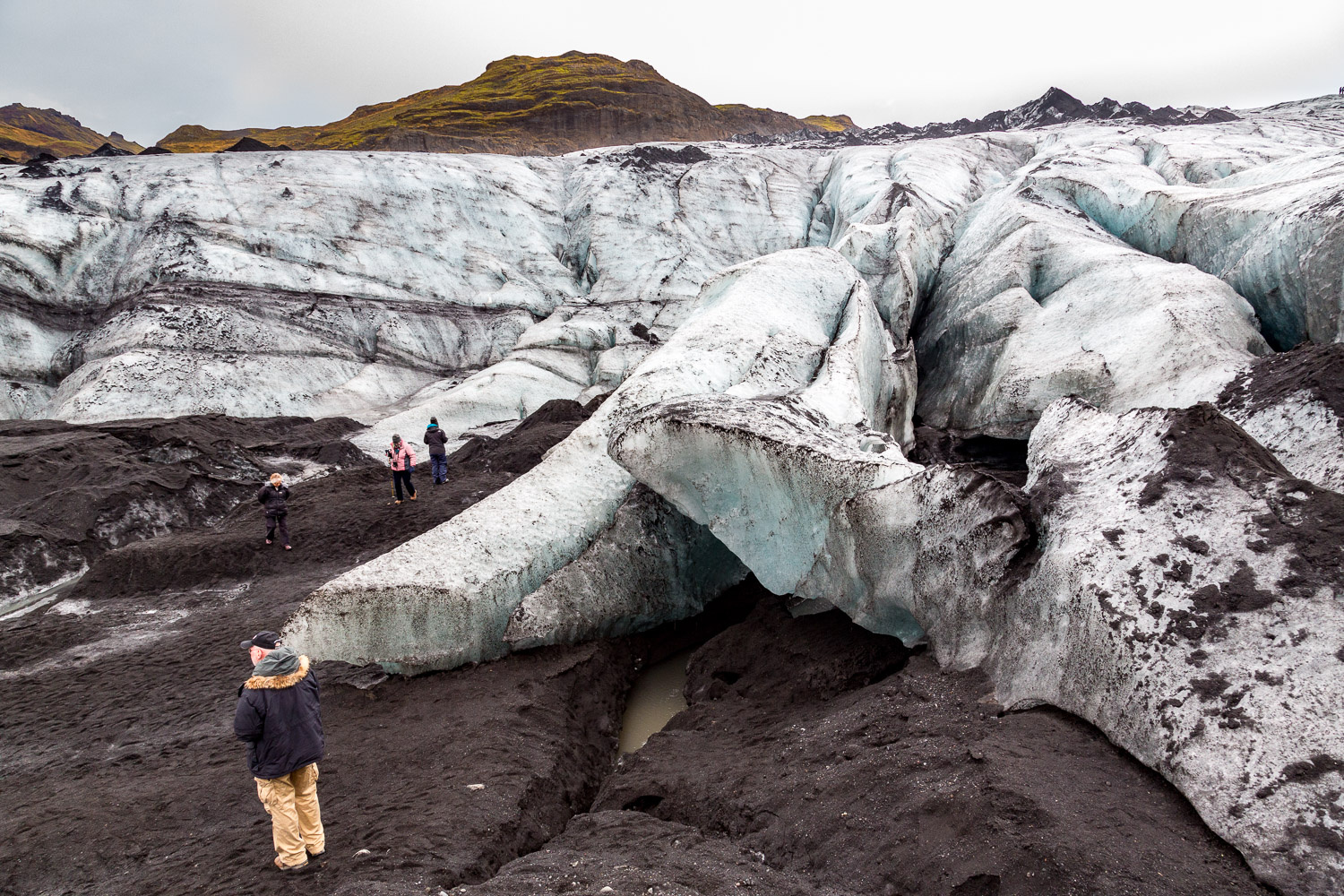
The front edge of the huge glacier that runs down from Katla volcano
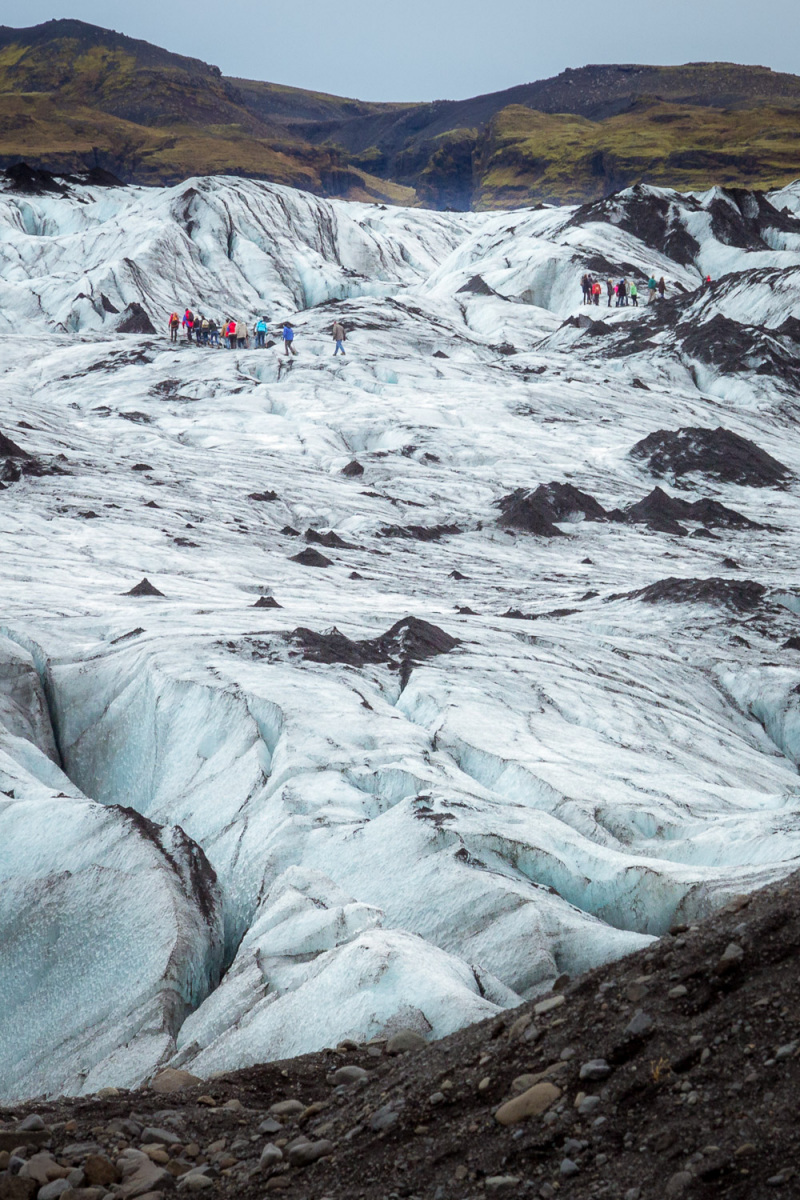
A couple of groups take a guided walk on the glacier (with crampons)
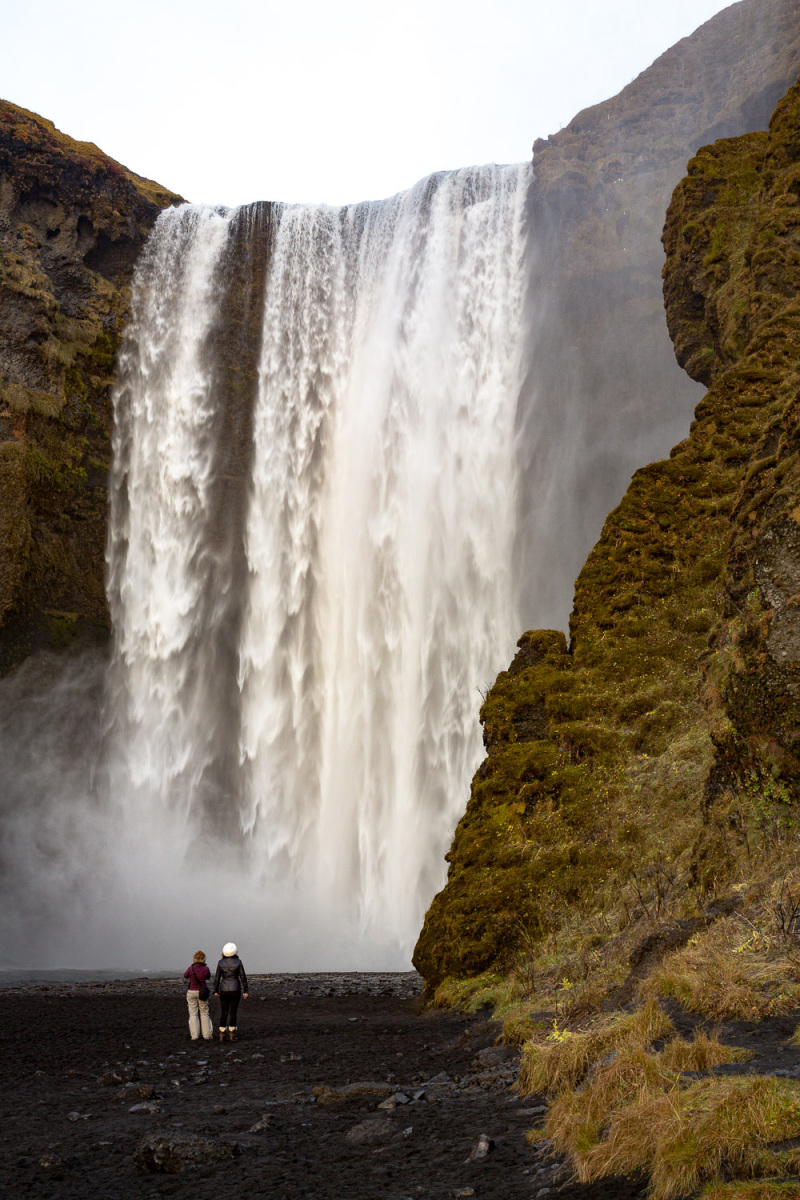
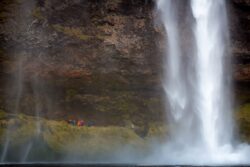
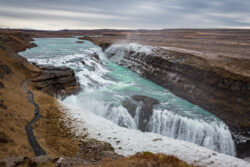
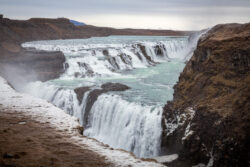
Foss in Icelandic means waterfall. Due to huge upheavals in the land there are many huge waterfalls here.