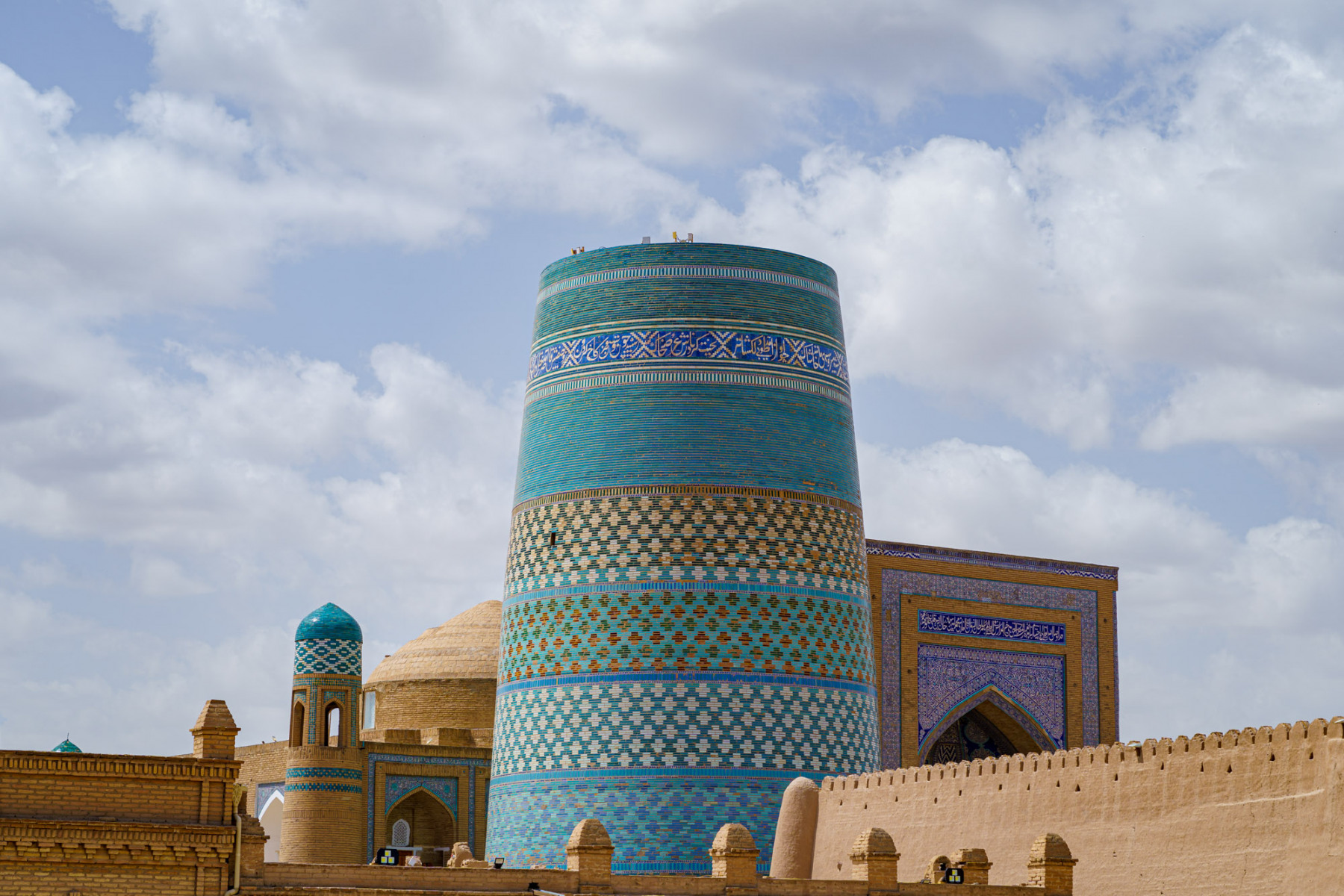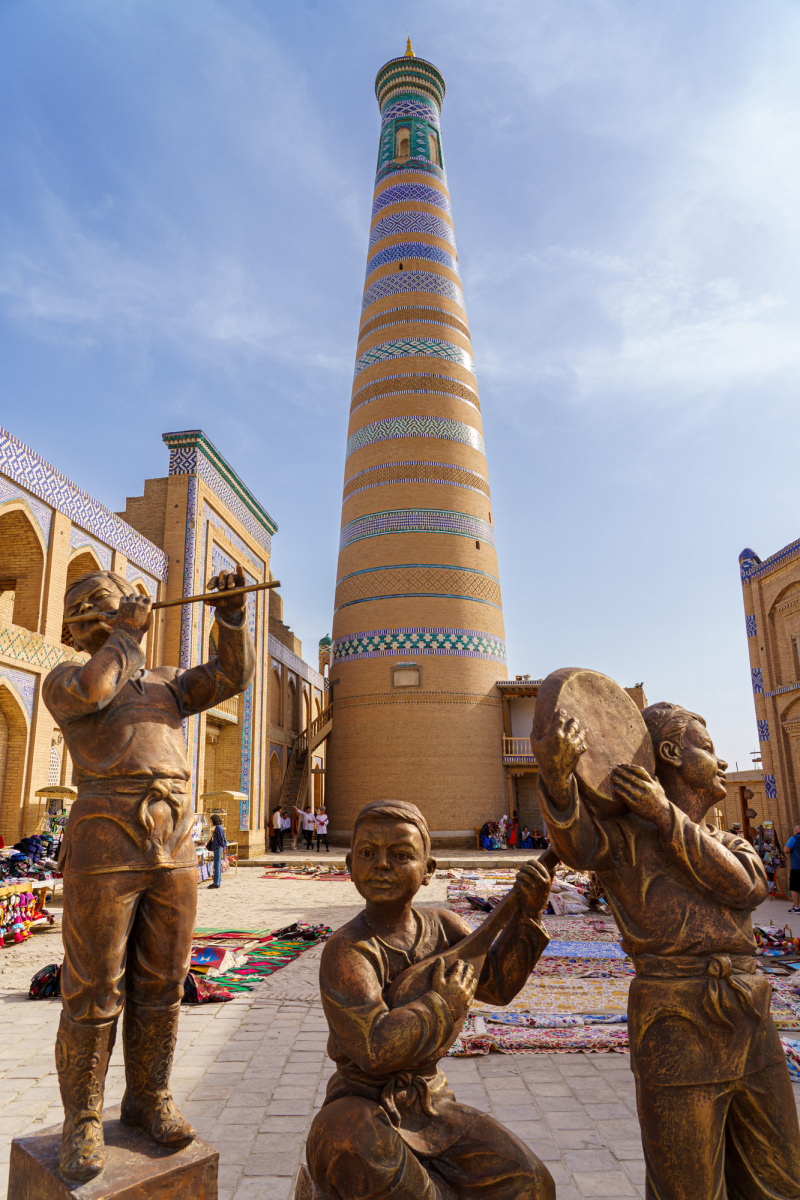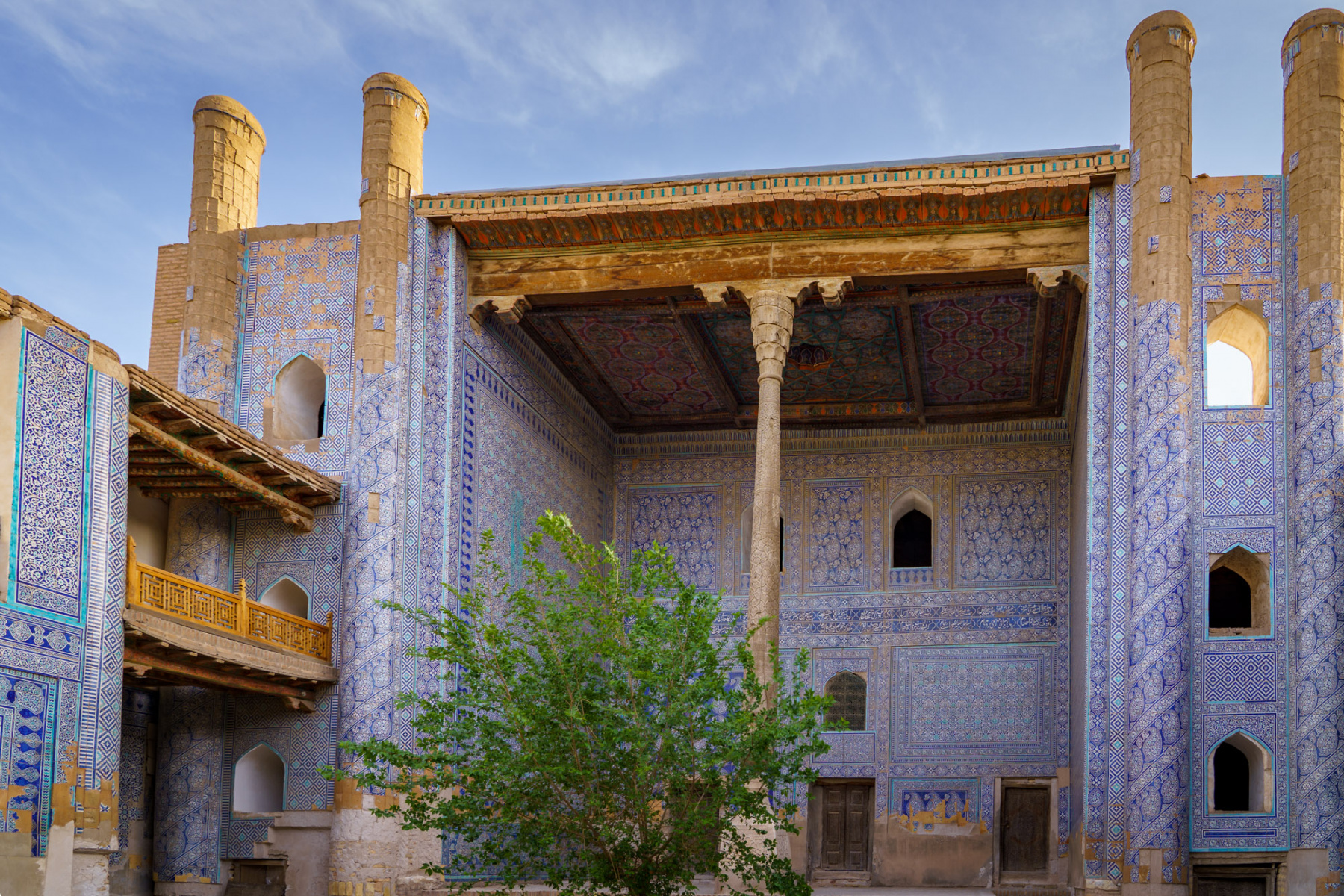
The view over the old part of Khiva from the watch tower on the city walls.
Part of the ancient silk road between China and Europe. The ‘stans are somewhere I’ve wanted to visit for a while and there’s still a few others to explore.
Many Persian cities took advantage of the commerce between East and West as the Silk Road developed and in Uzbekistan Bukhara and Samarkand eventually became extremely wealthy cities. In 327 BC Macedonian ruler Alexander the Great conquered the region, followed by 7th century conquests by the Araba who brought Islam to Uzbekistan.
In the 13th century Genghis Kahn invaded and the region changed with culture and heritage becoming more Mongolian-Turkic. In the 19th century the Russian Tsar Empire expanded into the region, before finally, on 31 August 1991, Uzbekistan declared its independence.
The culture and architecture left behind by all these conquests is in some cases stunning and its somewhere I’d highly recommend visiting if you like your Islamic art on a massive scale.
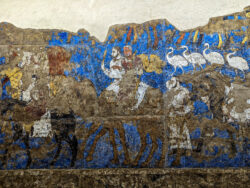
The Afrasiab murals, also called the Paintings of the Ambassadors, is a rare example of Sogdian art. It was discovered in 1965 when the local authorities decided to construct a road across the old hill, the old site of pre-Mongol Samarkand. It is now preserved in a special museum. This shows the Funeral procession led by King Varkhuman, in honour of his predecessor Shishpir.
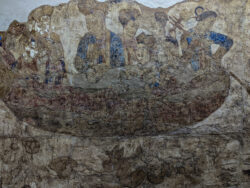
The Afrasiab murals, also called the Paintings of the Ambassadors, is a rare example of Sogdian art. It was discovered in 1965 when the local authorities decided to construct a road across the old hill, the old site of pre-Mongol Samarkand. It is now preserved in a special museum. This shows a depiction of a chinese boat.
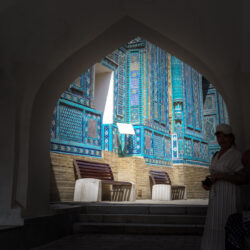
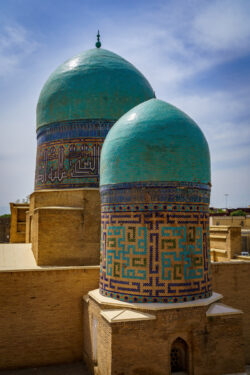
The Shah-i-Zinda Ensemble includes mausoleums and other ritual buildings of 11-15th and 19th centuries. The name Shah-i-Zinda (meaning “The living king”) is connected with the legend that Qutham ibn Abbas, a cousin of the Prophet Muhammad, is buried here.
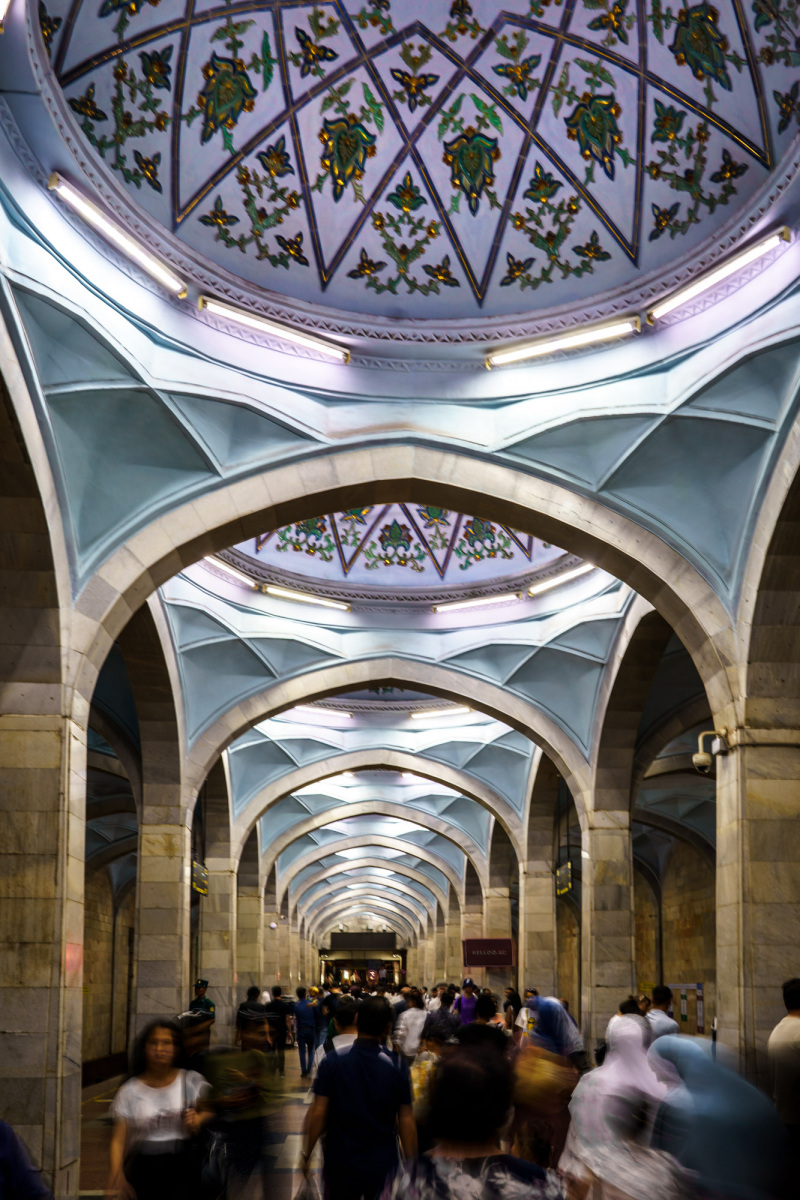
The painted domes of Alisher Navoiy metro station
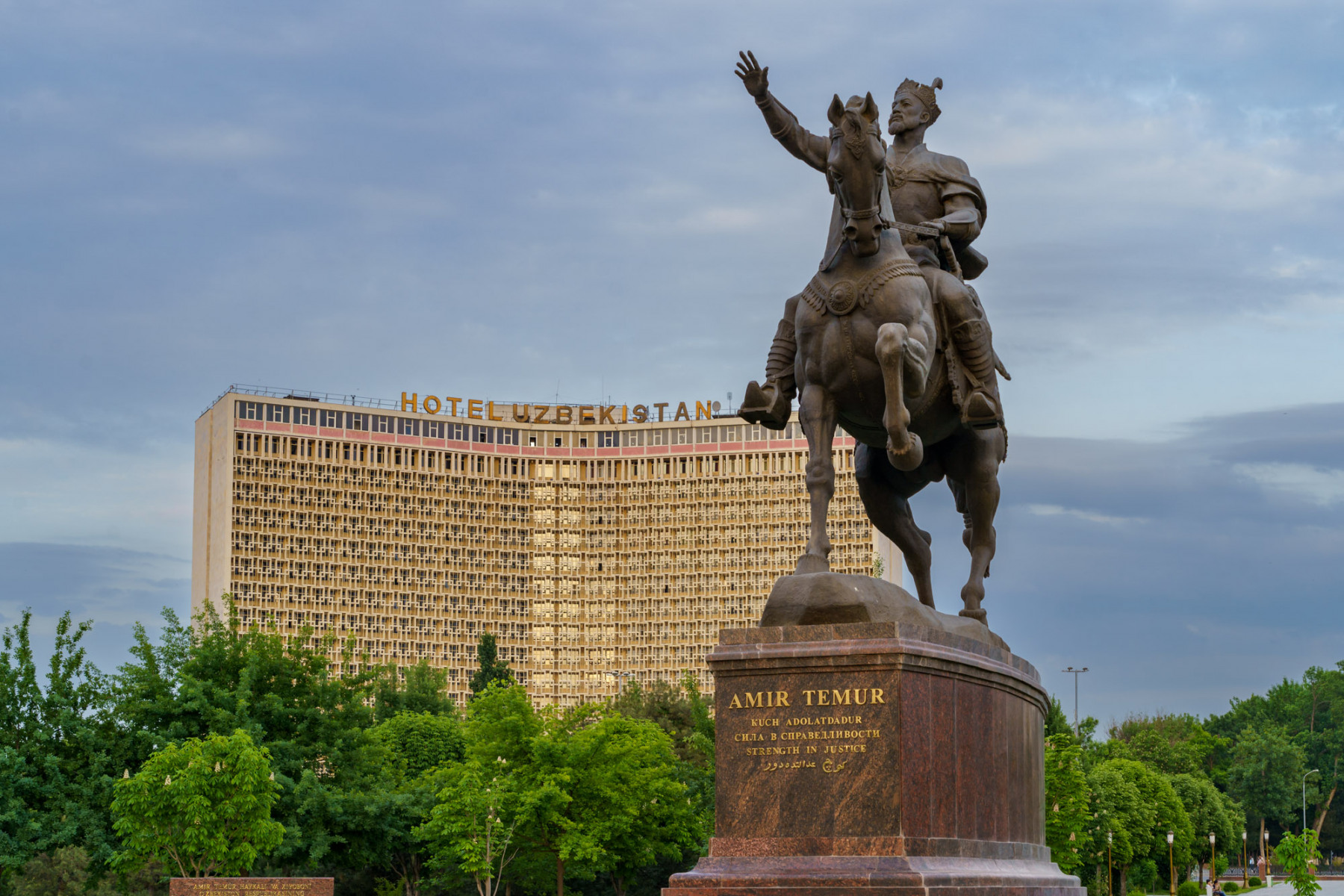
A statue honouring the 14th century ruler also known as Tamerlane
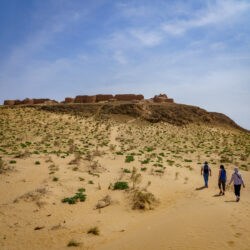
Another desert fortress in the Khorezm desert built slightly later, between 4th adn 7th century
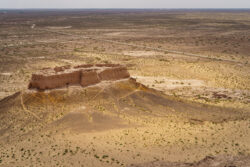
The main fortress on top of the hill overlooks a second on a lower hill which in turn overlooks a fortified garrision
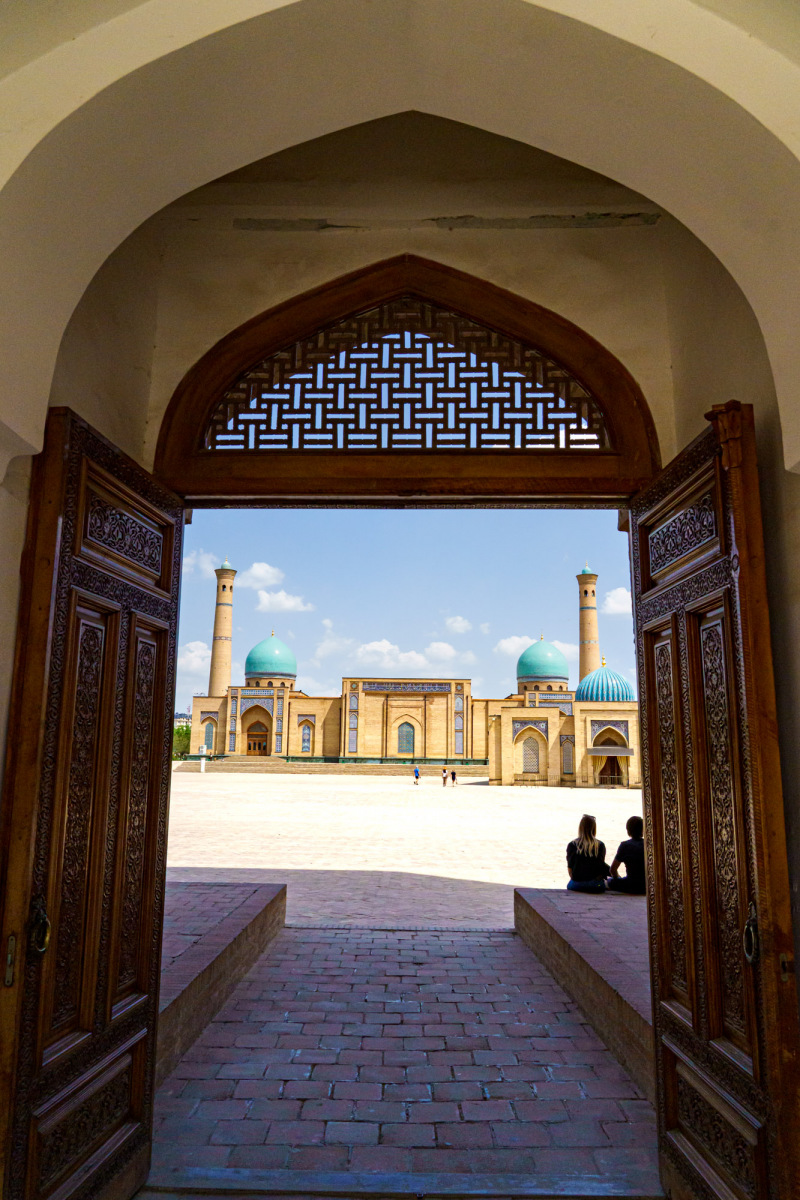
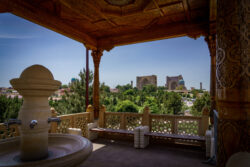
From the Hazrat Khizr mosque you can look across to the absolutely huge, but now unused, Bibi-Khanym Mosque. Built in the 15th century Bibi-Khanym was one of the largest and most magnificent mosques in the Islamic world, but by the mid-20th century only a ruin survived.
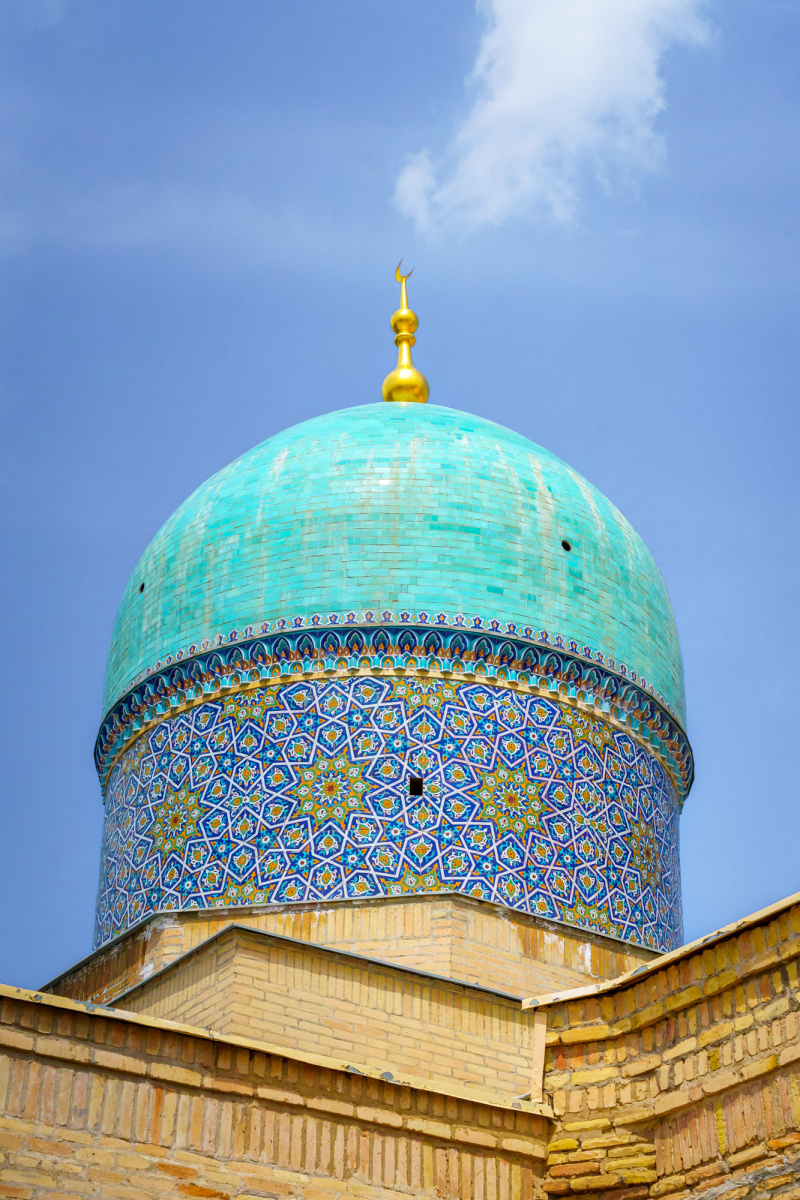
Intricately decorated domes on top of one of the shrines
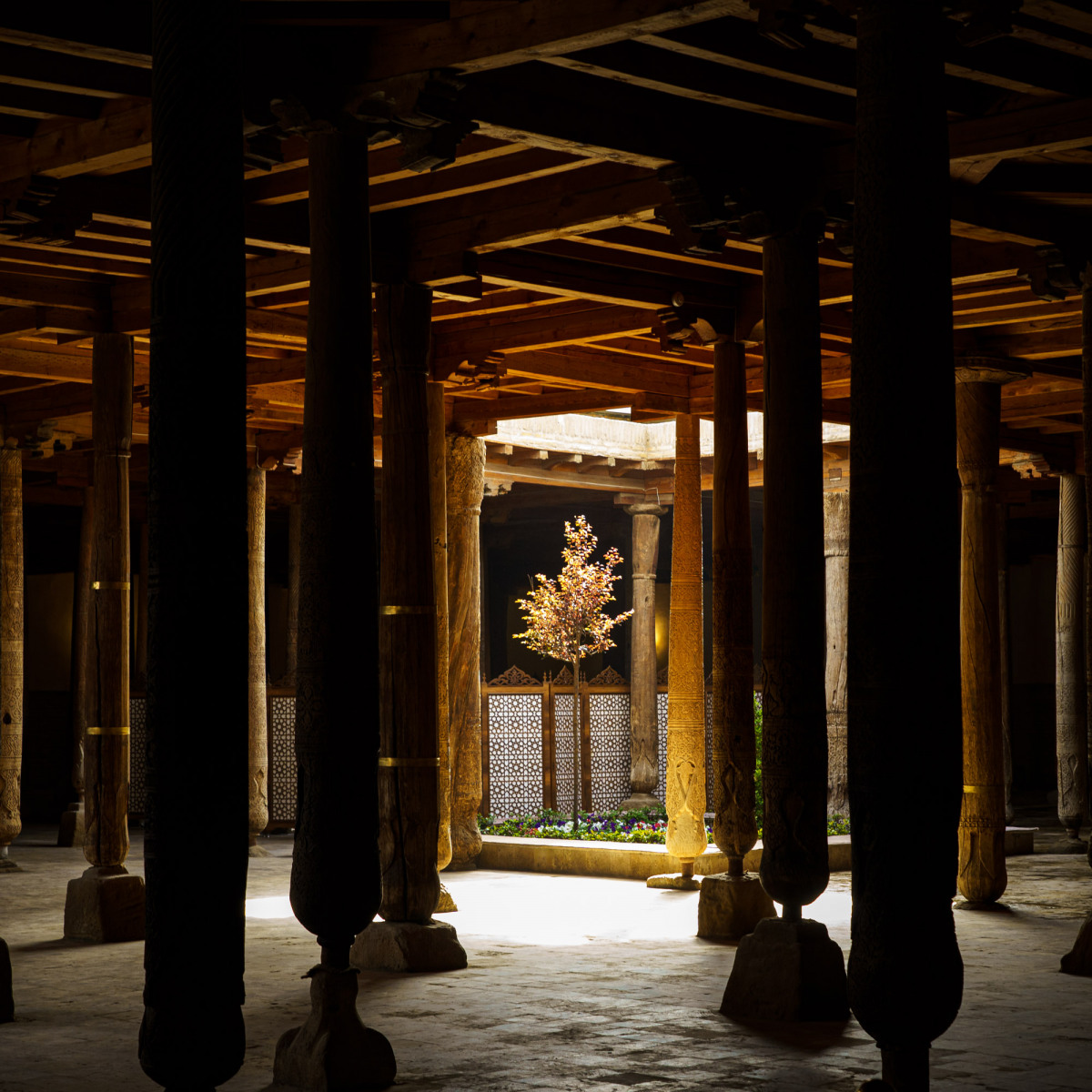
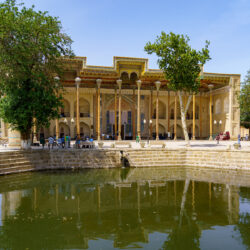
Built in 1712 near the Ark (Fortress) in Bukhara it served as a Friday mosque. The front porch (iwan) features 20 thin carved wooden pillars.
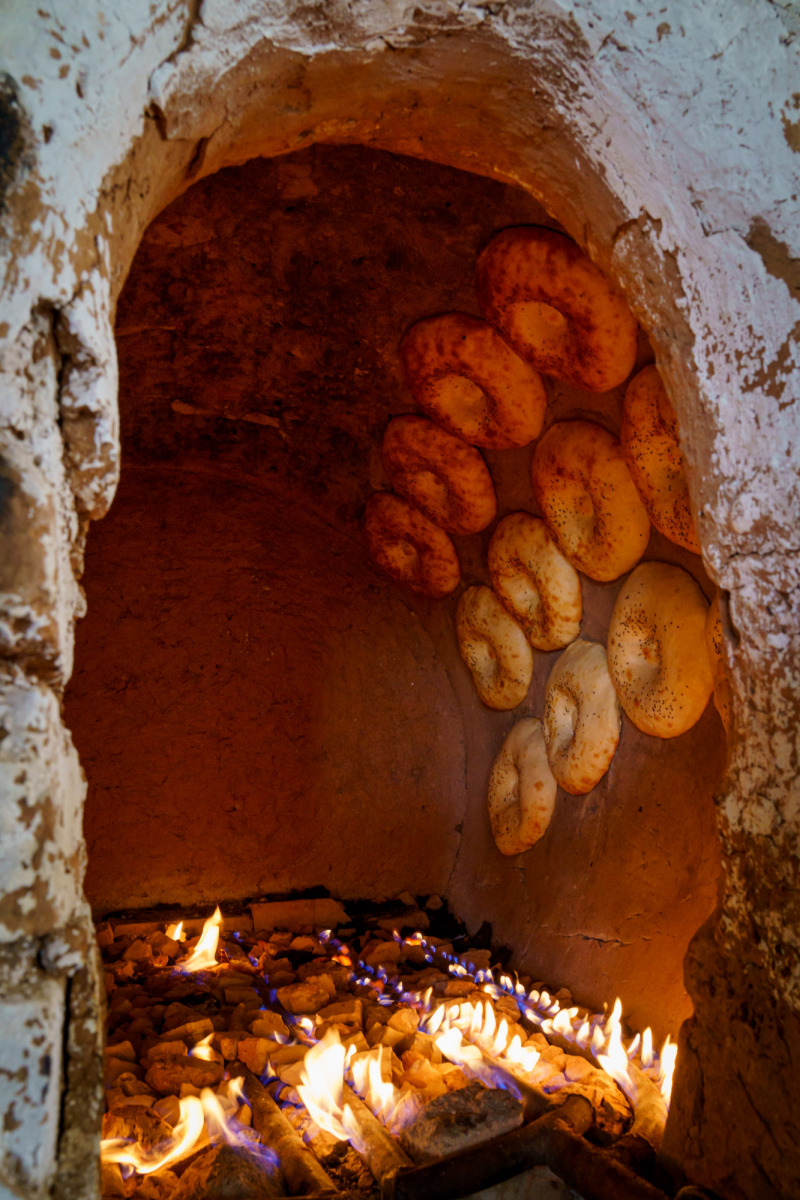
Fresh bread baking stuck to the side of the oven within the Chorsu Bazaar complex
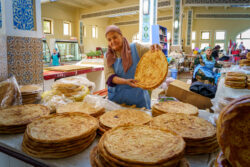
An old lady proudly shows off her freshly baked bread. There are hundreds of different styles of bread in Uzbekistan each particular to a specific area or region and stamped in themiddle with a pattern.
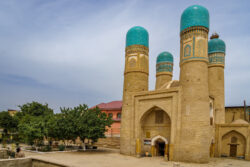
An old gatehouse for a madrassa that no longer exists. The strangely shaped towers are not minarets, with each featuring a design representative of the four known religions at the time – Islamic, Christian, Buddhist and Zoroastrian.
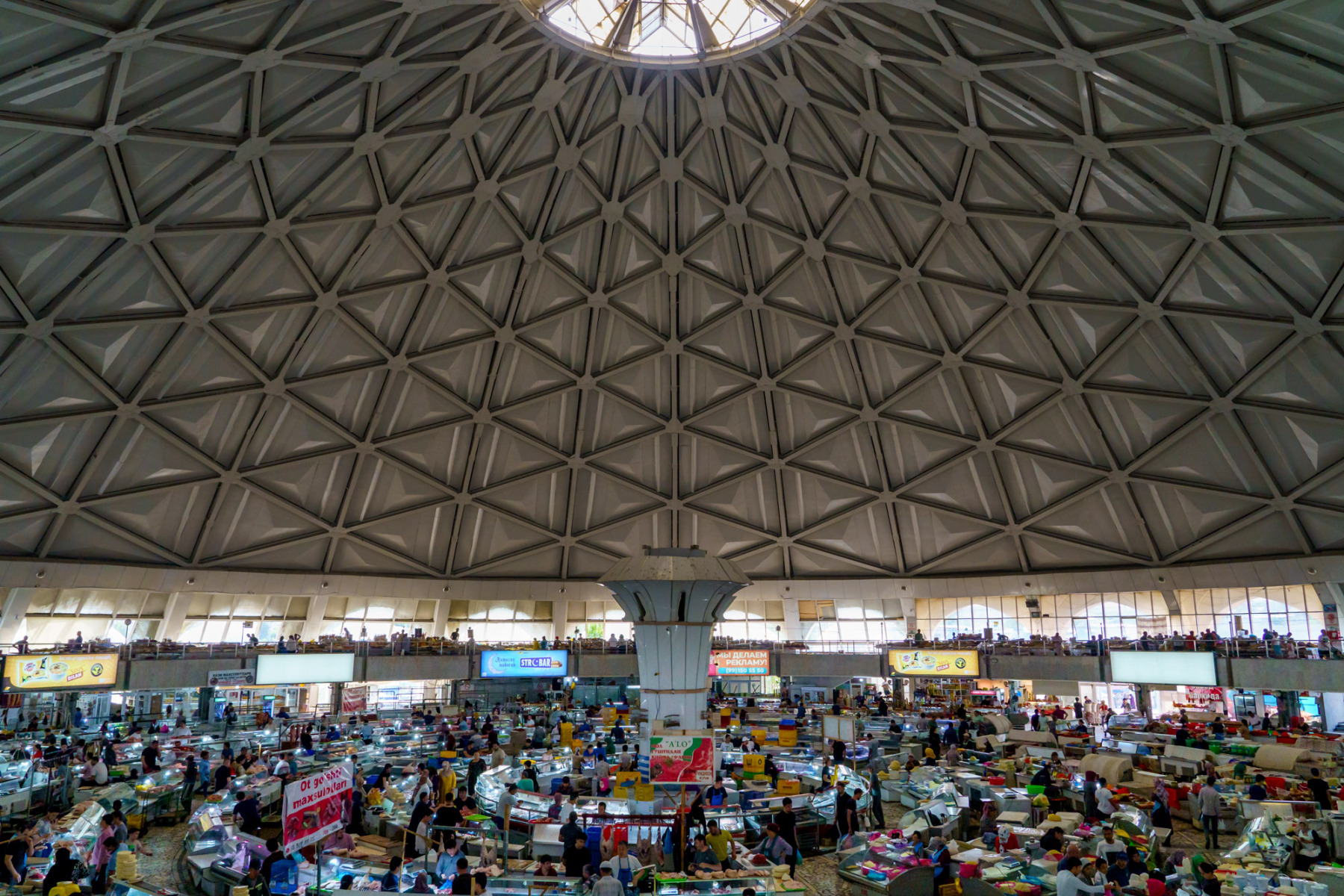
Looking out from the second floor of the covered bazaar over the many food sellers below
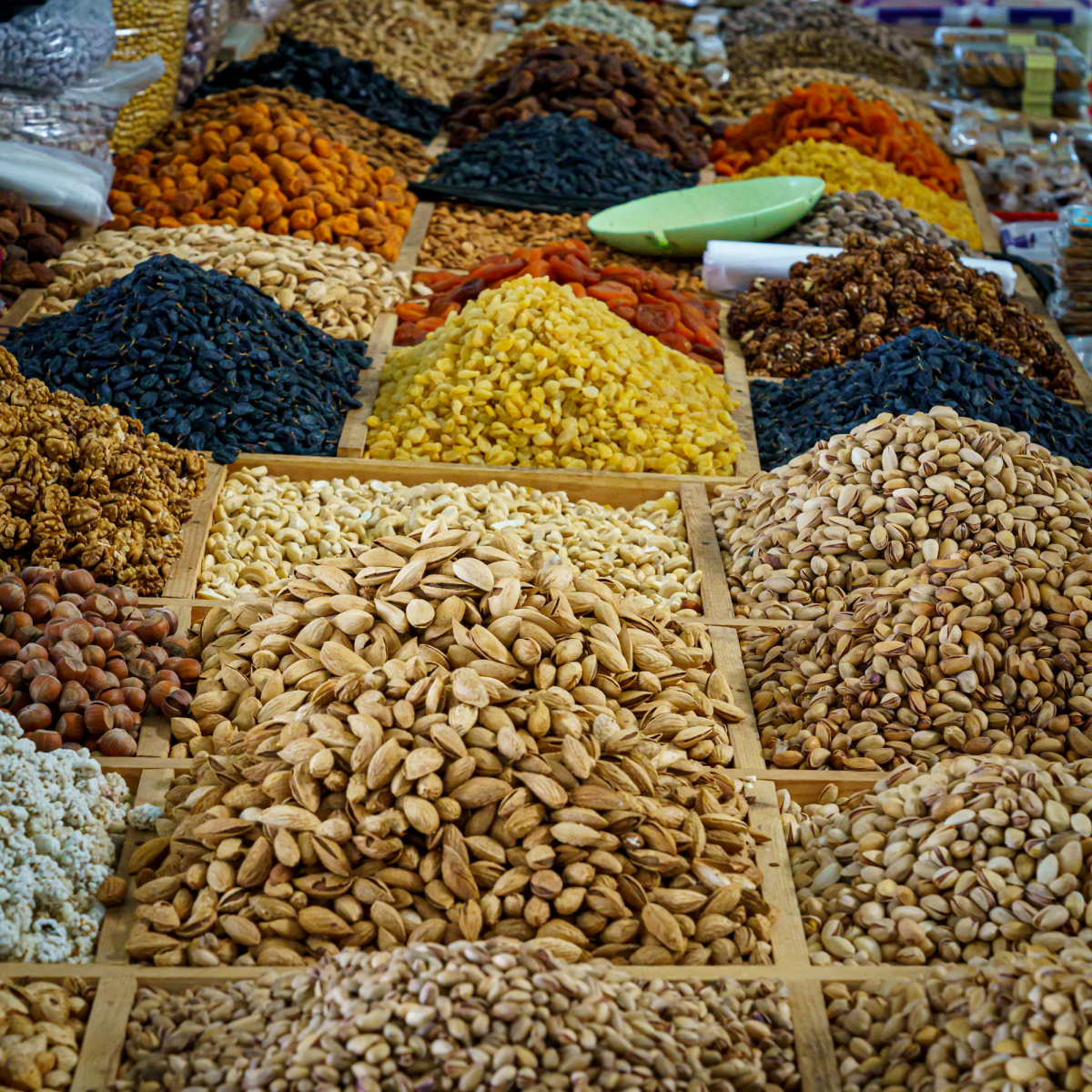
A selection of dried fruits and nuts for sale in the market. The stall owners seemed very keen to offer free samples and wandering the aisles you wouldn’t go hungry!
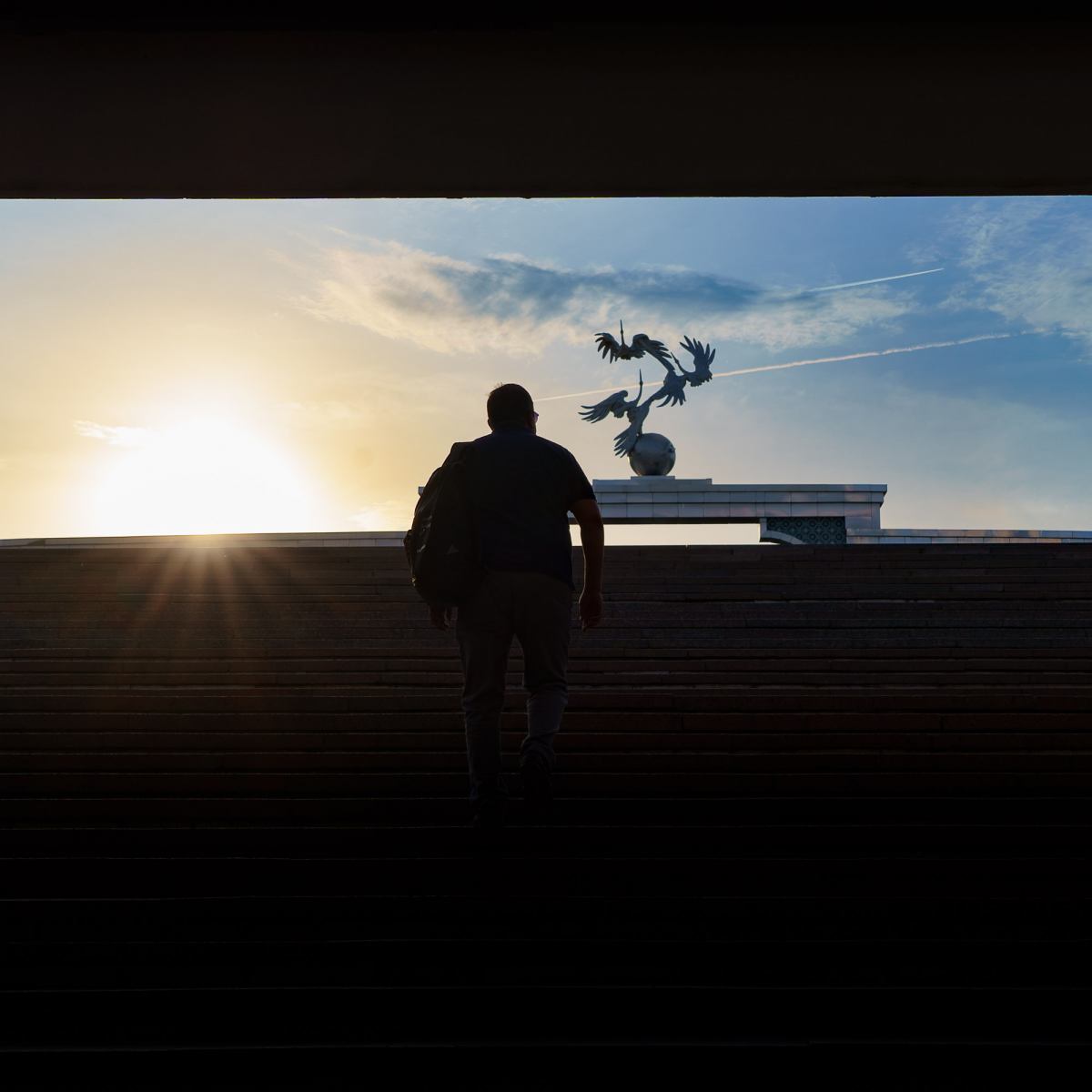
Climbing the steps out of the Mustakillik Maydoni metro station to Independence Square
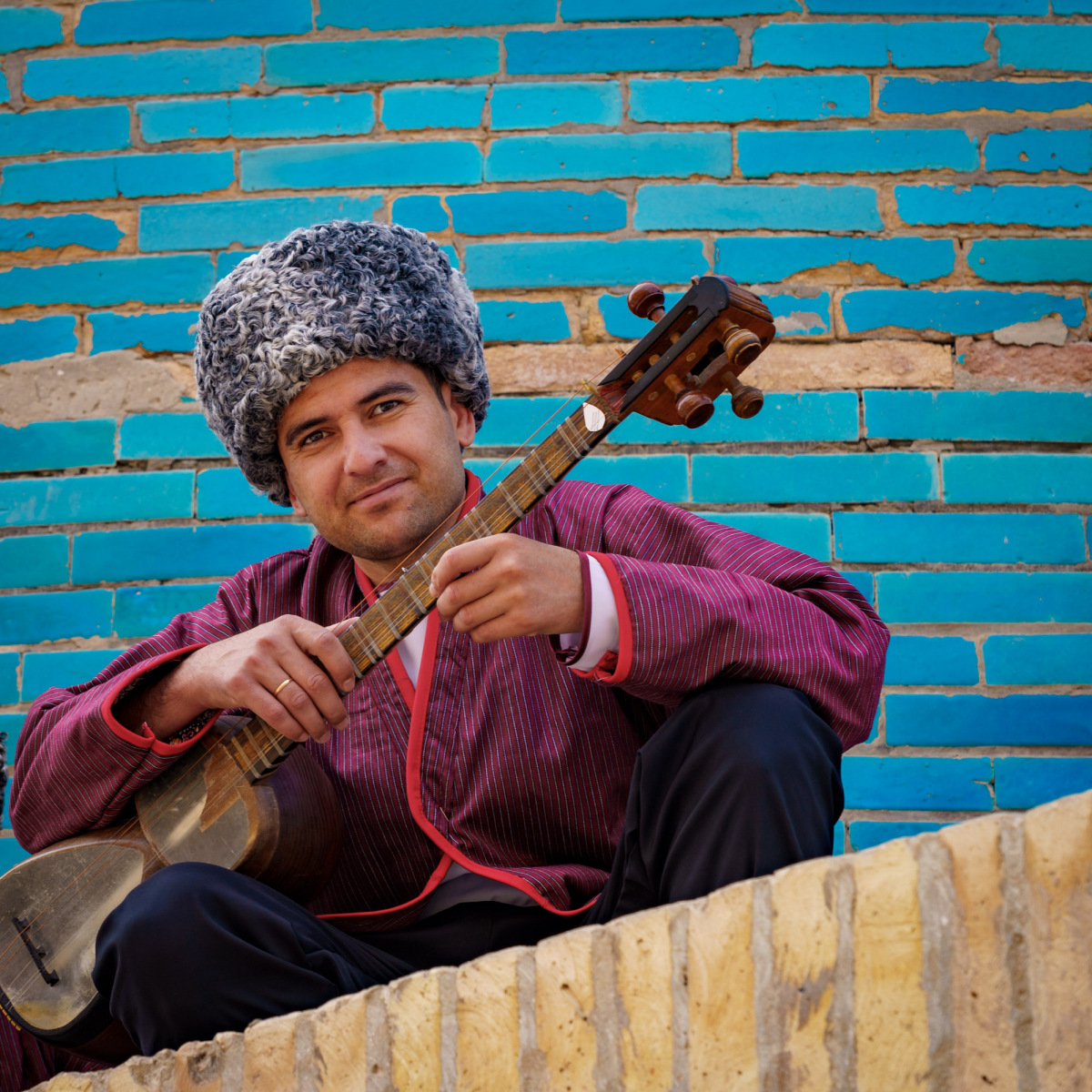
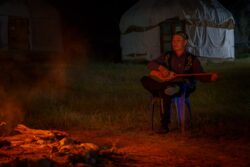
In the evening at the yurt camp after dinner a fire was lit in the middle of the grounds and a local musician appeared. He was playing the two stringed khazak instrument called a dombra and sang folk songs.
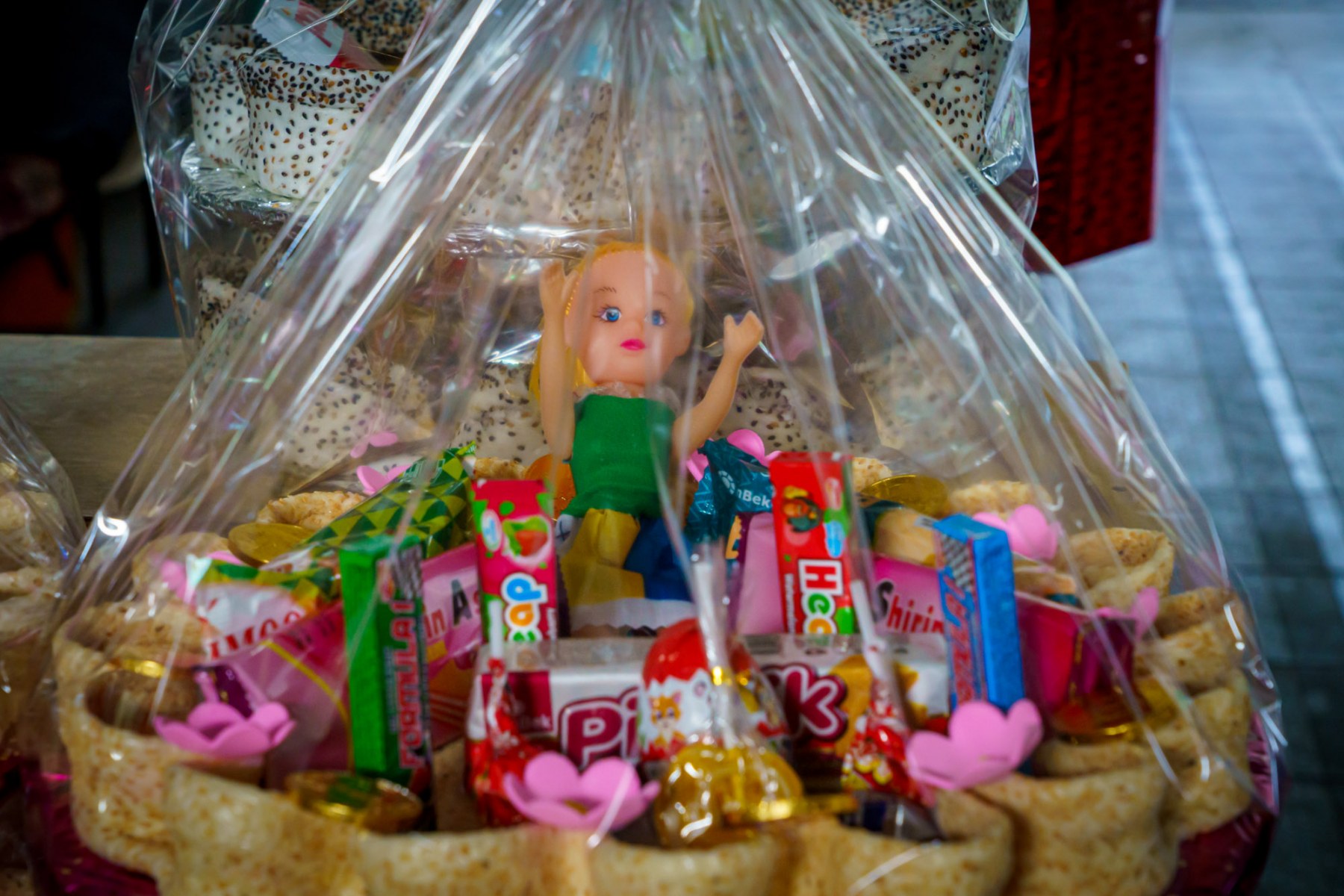
A gift basket for a child
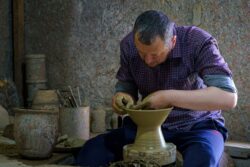
Gijduvan Ceramics has been run by the same family for many years. Recently the father Abdullo Narzullaev, was awarded a National Master Artisan award by the current Prime Minister of Uzbekistan. They’ve been creating pottery, embroidery and carpets for many generations.
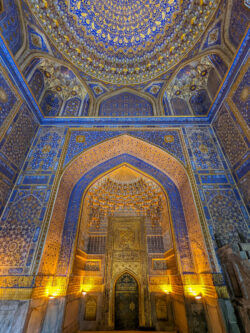
The main hall of the Tilya-Kori mosque is abundantly gilded and very impressive.